US Strait of Hormuz blockade bid for leverage, but at grave cost to global economy: Economist
By Alireza Kamandi
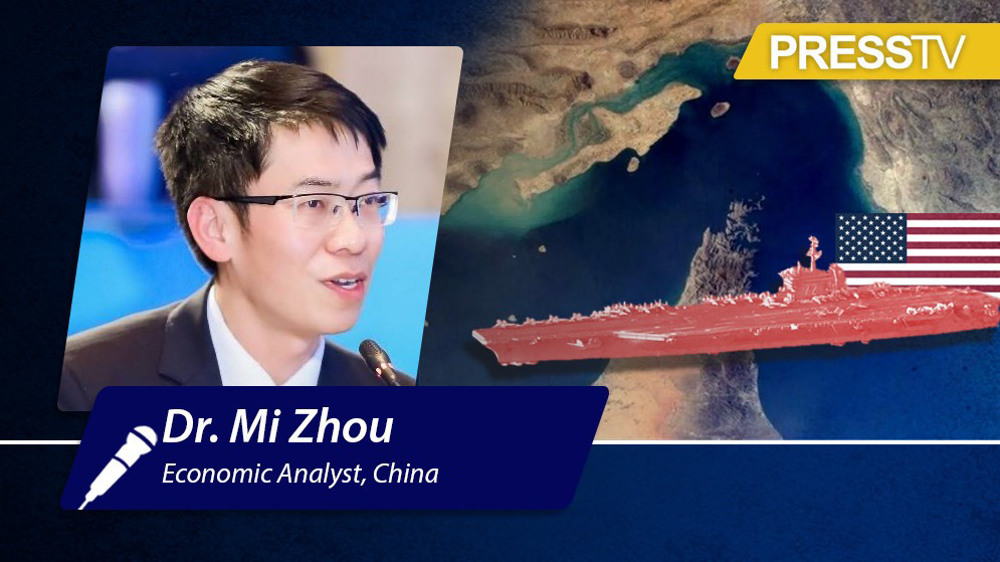
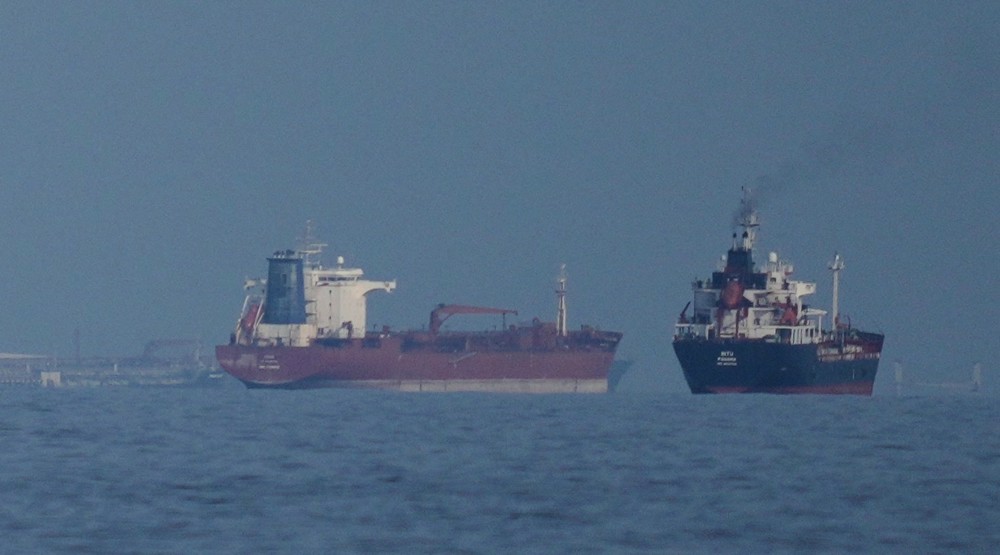
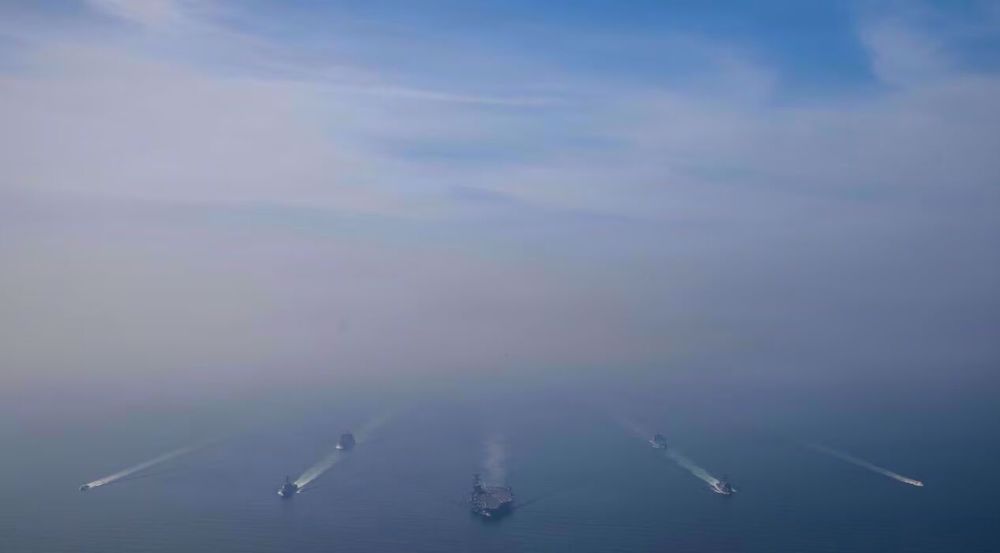
As the United States enforces a naval blockade on the Strait of Hormuz and Iranian ports in the Persian Gulf, the hasty move signals Washington’s attempt to gain leverage in stalled negotiations but at a grave cost to the global economy, says a Chinese economist.
In an interview with the Press TV website, Dr. Mi Zhou, Professor at the Guangzhou Institute of the Greater Bay Area and Deputy Director of the Institute of Americas and Oceania at the Chinese Academy of International Trade and Economic Cooperation (CAITEC), said the blockade reflects US frustration after the 40-day war against Iran and failed negotiations in Islamabad.
“The US is trying to create a surprise element and leverage in talks with Iran,” Dr. Mi noted. “Since the US depends relatively little on Hormuz for its own crude oil and transport, they believe this action will not harm their interests more than the current situation.”
However, the impact on the rest of the world, particularly the Persian Gulf states and major energy importers, could be severe, the Chinese analyst stated.
Citing data from the past month of suspended Hormuz transportation, Dr. Mi noted that “the world will suffer from a short supply of crude oil,” with the Persian Gulf countries hit hardest.
“The longer the blockade lasts, the more dangerous it becomes for the global economy to lose its recovery momentum,” he told the Press TV website.
China, the largest buyer of Iranian oil, opposes unilateral action. However, Dr. Mi said China is always firm in its approach to conflict resolution.
Press TV Exclusive: US destroyers' Strait of Hormuz transit stunt failed, came close to destructionhttps://t.co/zVeCCKGJlO https://t.co/m348SyV1uz pic.twitter.com/KhKXTTwWA5
— Press TV 🔻 (@PressTV) April 12, 2026
“The best way is not forcing the other side to follow the US position, but for stakeholders to solve problems by getting in touch and talking. Any unilateral action will cause side effects even worse than before,” the Chinese economist said.
If the blockade continues for two weeks, Dr. Mi predicted gasoline prices will rise further, though he sees some global resilience.
“The trend of saving more energy will be accepted by more countries. The global economy still has the resilience to adapt to the short supply of fossil fuels. A rebalancing of the energy market is likely, but with quite some additional costs,” he told the Press TV website.
Notably, key US allies are diverging from Washington. The UK has refused to join the blockade, and European powers seek to keep the Strait open.
“The EU definitely wants the Strait open. In recent years, the EU has depended even more on fuels from this region. Countries like the UK have neither the intention nor the authority to help the US block the strait. If the blockade raises energy costs in Europe, these governments will suffer more domestic criticism,” he stated.
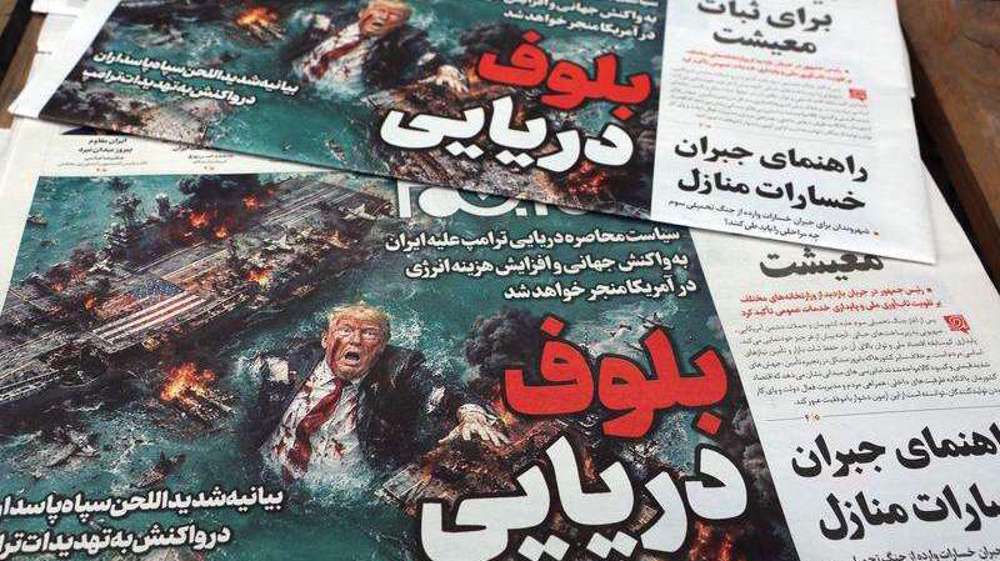
On Sunday, Trump announced that following the failure of ceasefire negotiations with Iran, the US would impose a naval blockade on the Strait of Hormuz.
It raised eyebrows both at home and abroad, with critics characterizing it as the latest sign of the Trump administration’s drifting foreign policy after the military debacle.
US-Venezuela oil deal a new phase in long history of US interventionism in Latin America: Journalist
Western left’s ‘politics of purity’ reinforces the very imperialism it claims to oppose: Historian
Iran is the last bastion of true anti-imperial resistance, owes no one an explanation: Writer



Iran vows much stronger response to any provocative move by enemy
VIDEO | Press TV's news headlines
Resistance won’t give up weapons as long as US troops stay in Iraq: Badr Organization
Iran and regional Resistance pursue same authentic path: Qalibaf
Iran says deadly attack on Sirik wedding proves US in moral decline
How US terrorism turned weddings into funerals – from Afghanistan to Iraq to Yemen and now Iran
Iranian Red Crescent calls for ICC to investigate deadly US wedding attack
Hezbollah launches drone strike on Israeli forces in south Lebanon


 PressTV NEWSLETTER
now
PressTV NEWSLETTER
now
 This makes it easy to access the Press TV website
