President Pezeshkian calls ceasefire in Lebanon key condition in Iran’s 10-point ceasefire proposal
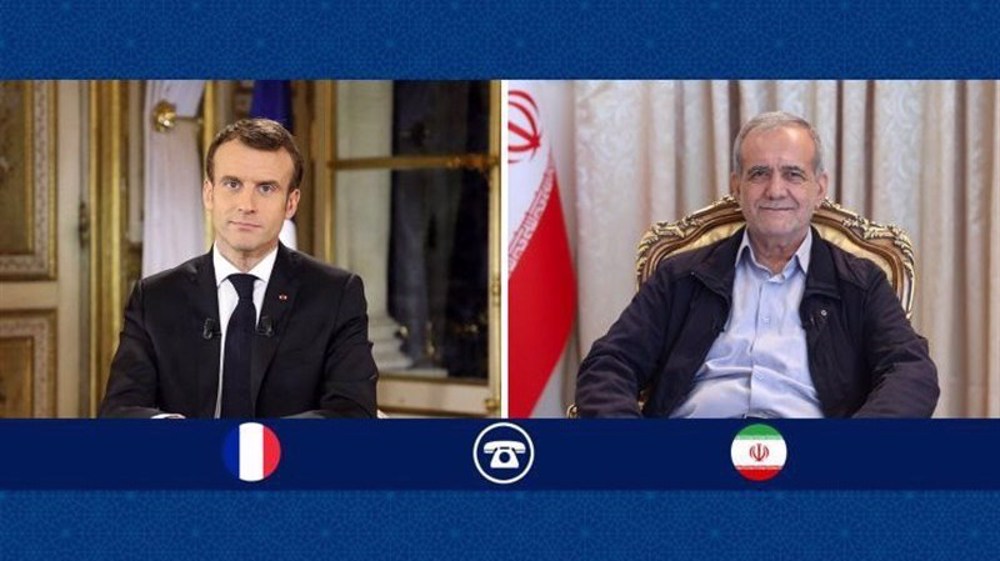
President Masoud Pezeshkian has said ceasefire in Lebanon remains one of the central conditions of Iran’s 10-point ceasefire proposal aimed at cessation of unprovoked aggression targeting the region.
The chief executive made the remarks in a phone call with his French counterpart Emmanuel Macron on Wednesday.
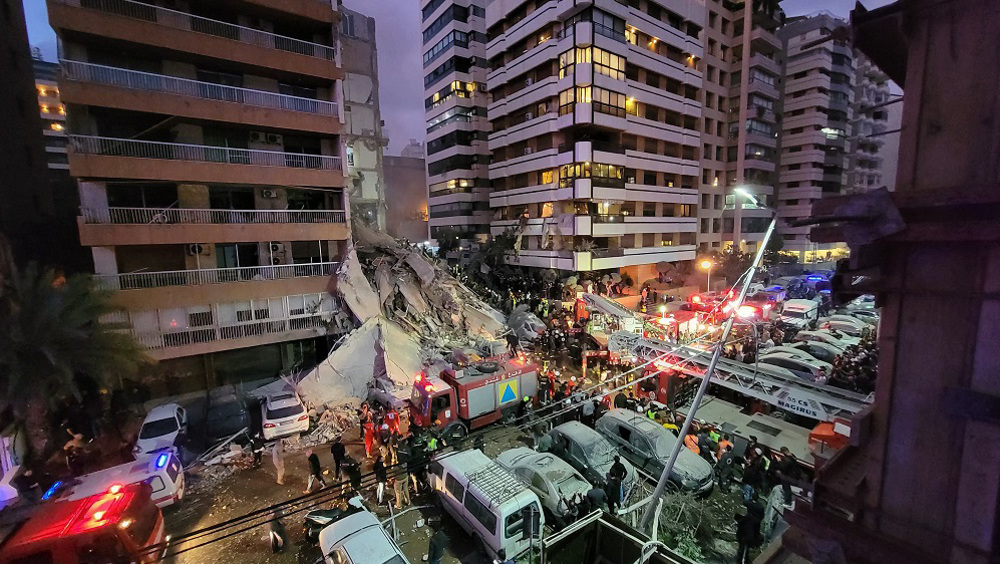
The conversation came after the Israeli regime killed hundreds of people in Lebanon in sheer violation of the proposal, despite US President Donald Trump's earlier declaring the proposal one that was "workable" for negotiations.
Iran’s FM spokesman Baghaei condemned Israel’s strikes on Lebanon, citing Pakistani PM Sharif, who said the two-week deal with the US also included a Lebanon ceasefire:
— Press TV 🔻 (@PressTV) April 8, 2026
If this isn’t yet another case of the U.S. early reneging, then what is it?! pic.twitter.com/H9Mt19vs29
During the call, Pezeshkian stressed the need for cessation of aggression towards Lebanon, identifying the imperative as "one of the central conditions of Iran's proposal."
He also said France had an important role to play at the current stage, noting that Paris had previously been among the parties guaranteeing the ceasefire that was reached between the Israeli regime and Lebanon's Hezbollah resistance movement in 2024.
Israel taking out defeat on all fronts on Lebanese civilians: Hezbollahhttps://t.co/Q5dtqzHXQL
— Press TV 🔻 (@PressTV) April 8, 2026
'Iran committed to promoting peace, stability'
Pezeshkian said Iran remained committed to promoting peace, stability, and security across the region.
He said the Islamic Republic’s acceptance of the ceasefire had shown both "its sense of responsibility" and "its serious will to resolve disputes through diplomacy."
Criticism of Europe’s response
The Iranian president criticized European countries for their failure to take a firm and explicit position over the atrocities committed by the United States and the Israeli regime against Iran.
He called on Europe to play a "responsible and effective role" in supporting lasting regional stability and security.
Pezeshkian also urged European countries to pressure the aggressors to "abide by their commitments" and prevent any breaches.
Strait of Hormuz, regional security
Elsewhere in the conversation, Pezeshkian said the insecurity affecting the Strait of Hormuz was "the direct result of the military aggression by the United States and the Israeli regime against Iran."
He also said the Islamic Republic had acted responsibly for many years in ensuring the safe passage of vessels through the strategic waterway, while preserving its own national interests and security.
Following the launch of the American-Israeli aggression, Iran shut the waterway to adversaries and their allies.
The Islamic Republic has conditioned reopening of the strait to cessation of the unprovoked atrocities that have been targeting the country and the broader region since their onset.
For his part, Macron considered the announcement of a ceasefire to be "an important step towards fully ending the war and establishing lasting peace in the region."
He further stressed the need to halt violence in Lebanon and said Paris was ready to cooperate in international efforts aimed at promoting peace and security in the Persian Gulf region.
The French head of state, meanwhile, thanked Iran for its move to release two French citizens, apprehended for espionage inside the Islamic Republic.

Qalibaf to Bessent: US empire failing, billions flow to ‘terrorist proxy, Israel’
Rezaei: Any ‘evil’ against Iran will bring affliction on US ‘recorded in history’
Iran will not surrender to pressure and bullying, Pezeshkian tells Qatari PM



VIDEO | Press TV's news headlines
Key to solving economic issues lies in domestic production, phasing out dollar: Leader
Ansarullah: Saudi Arabia should revise its calculations about Yemen
Iran offers condolences to Nepal as floods death toll hits 552
VIDEO | Iran-Pakistan gas pipeline back in focus as Islamabad seeks to steer the project out of arbitration
VIDEO | US sanctions policy against Iran condemned in Malaysia
Iran women make history with first-ever Asian Volleyball Championship semifinal berth
Gaza Civil Defense teams recover bodies of 233 Palestinians from destroyed buildings


 PressTV NEWSLETTER
now
PressTV NEWSLETTER
now
 This makes it easy to access the Press TV website
