Aggressor-linked vessels forfeit right to 'innocent passage' in Strait of Hormuz, Tehran tells IMO
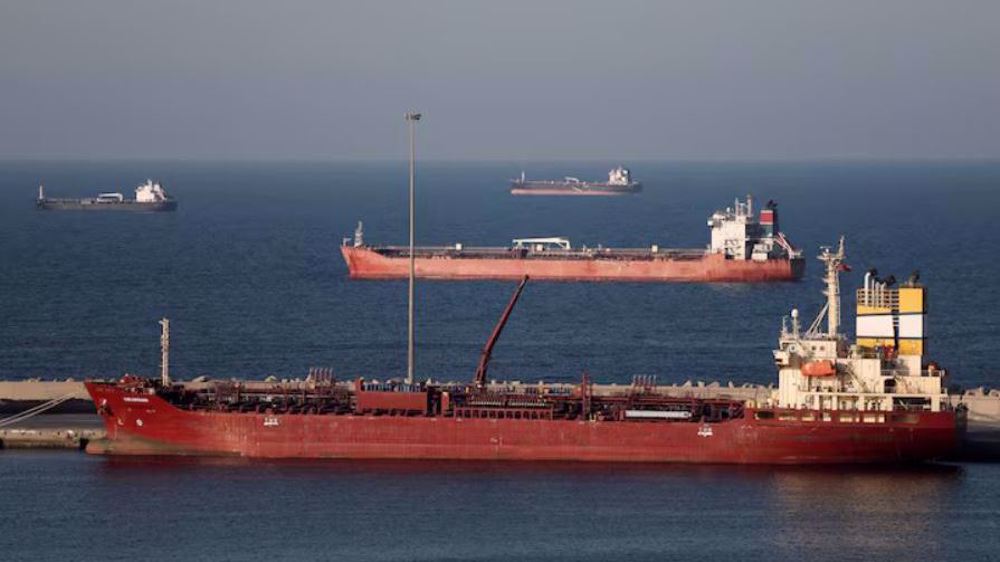
Iran’s permanent representative to the International Maritime Organization (IMO) Ali Mousavi says vessels not linked to aggressors can enjoy safe passage through the strategic Strait of Hormuz provided that they do not join or support anti-Iran aggression and adhere to regulations set by authorized bodies inside the Islamic Republic.
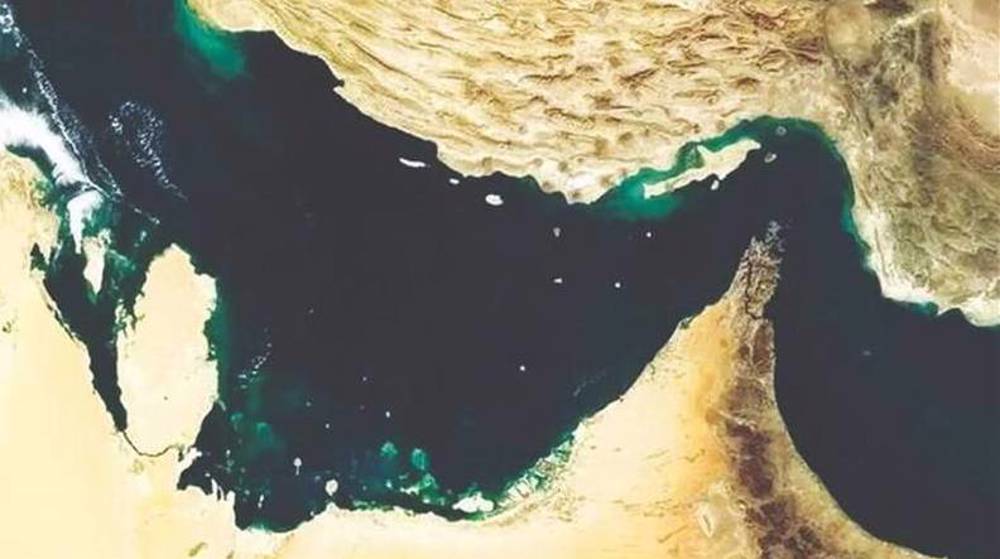
In a meeting with IMO Secretary General Arsenio Dominguez in London on Wednesday, Mousavi outlined Iran’s stance on the Strait of Hormuz, a waterway in the Persian Gulf which has been tightly controlled by Iran since the start of the US-Israel aggression on February 28.
“Vessels, equipment and assets belonging to or linked to the aggressor parties or those participating in the [US-Israel] aggression cannot enjoy innocentQ or non-hostile passage,” Mousavi said.
He reiterated Iran, as a country committed to the United Nations Charter and international regulations, has persistently emphasized the necessity of freedom of navigation and maritime safety and security.
He affirmed that the ongoing insecurity in the Persian Gulf, the Strait of Hormuz and the Sea of Oman is the “direct” result of the military campaign and destabilizing measures of the United States and the Israeli regime.
In line with its inherent right of legitimate defense, Iran has adopted necessary and proper strategies to prevent the abuse of the aggressors and their allies of the Strait of Hormuz for their hostile acts, the diplomat noted.
According to a report by the Financial Times, the Iranian Foreign Ministry said Thursday that Iran has allowed vessels from friendly countries—including India, China, Russia, Iraq, and Pakistan—to pass through the Strait of Hormuz.
— Press TV 🔻 (@PressTV) March 26, 2026
Follow: https://t.co/GKZwI4ehqL pic.twitter.com/NWLWWTit6P
He said Iran has also implemented precautionary measures to reduce threats to the ships and sailors and safeguard maritime security and safety.
Mousavi added that the Strait of Hormuz is not closed and navigation through the waterway has not halted “but the continuation of navigation hinges on observation of safety and security regulations and strategies declared by authorized bodies of the Islamic Republic of Iran with regard to the realities pertaining to the ongoing hostility.”
Any initiative or strategy regarding maritime security and safety in the region must fully take into consideration Iran’s rights and interests, he emphasized.
The lights in the video are reportedly from ships halted before the Strait of Hormuz, unable to get clearance to pass through.
— Press TV 🔻 (@PressTV) March 25, 2026
Follow: https://t.co/mLGcUTS2ei pic.twitter.com/4OlE0BL0Tp
The IMO director general, for his part, hailed Iran’s efforts to facilitate maritime affairs and help ensure security of ships.
Dominguez stressed the need to reduce tensions as the root cause of maritime insecurity and instability.
Since February 28, when the US and Israel launched their unprovoked aggression, Iran has blocked the Strait of Hormuz to oil and gas tankers affiliated with the aggressor regimes and those cooperating with them.
The disruption of tanker traffic in the waterway, lying between the Persian Gulf and the Sea of Oman, has triggered a major surge in energy prices.
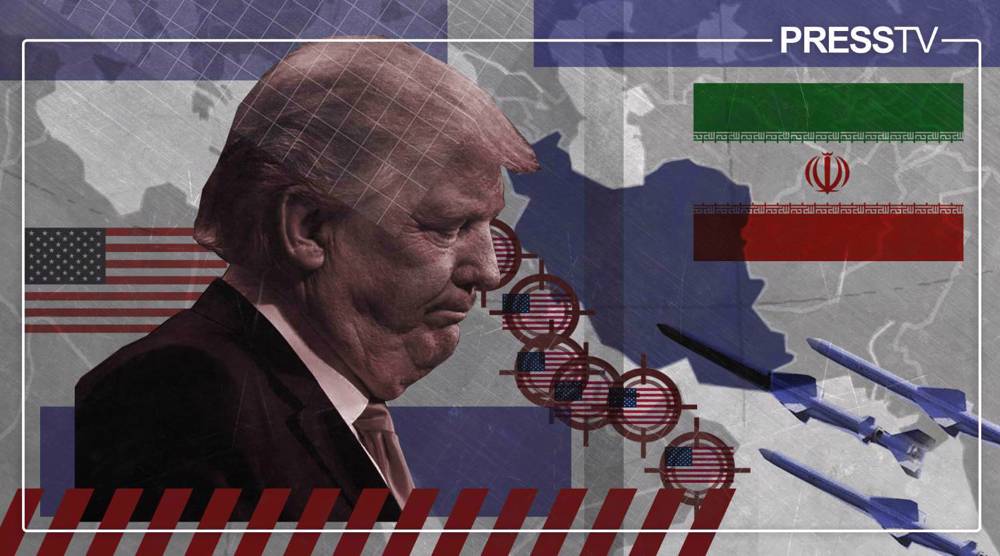
In a desperate attempt to control the market, US President Donald Trump said that the US Navy will escort tankers through the Strait of Hormuz. He even offered political risk insurance for tankers transiting there.
The US president also sought to form a coalition to secure the strait, asking NATO countries to contribute naval and air assets. However, most of Washington’s allies have declined to commit forces.
Qalibaf says Iran's partnership with China ‘needs no one's permission’
Iran offers condolences to Pakistan after 14 newborns killed in hospital fire
Iran blocks IAEA inspections of attacked nuclear sites until new protocol established



Qalibaf says Iran's partnership with China ‘needs no one's permission’
Iran offers condolences to Pakistan after 14 newborns killed in hospital fire
US sanctions Palestine Action, designates group as 'terrorist organization'
Israel withholding remains of nearly 800 Palestinians since 1967: Monitoring group
VIDEO | Press TV's news headlines
Iran will not tolerate any hostile activity in Iraq’s Kurdistan: IRGC commander
Iran blocks IAEA inspections of attacked nuclear sites until new protocol established
VIDEO | Prophet Mohammed’s birthday arrives in Gaza amid ruins of mosques



 PressTV NEWSLETTER
now
PressTV NEWSLETTER
now
 This makes it easy to access the Press TV website
