Enemy fired 2,100 projectiles at Abu Musa island during war but failed to break Iran's resolve: IRGC advisor
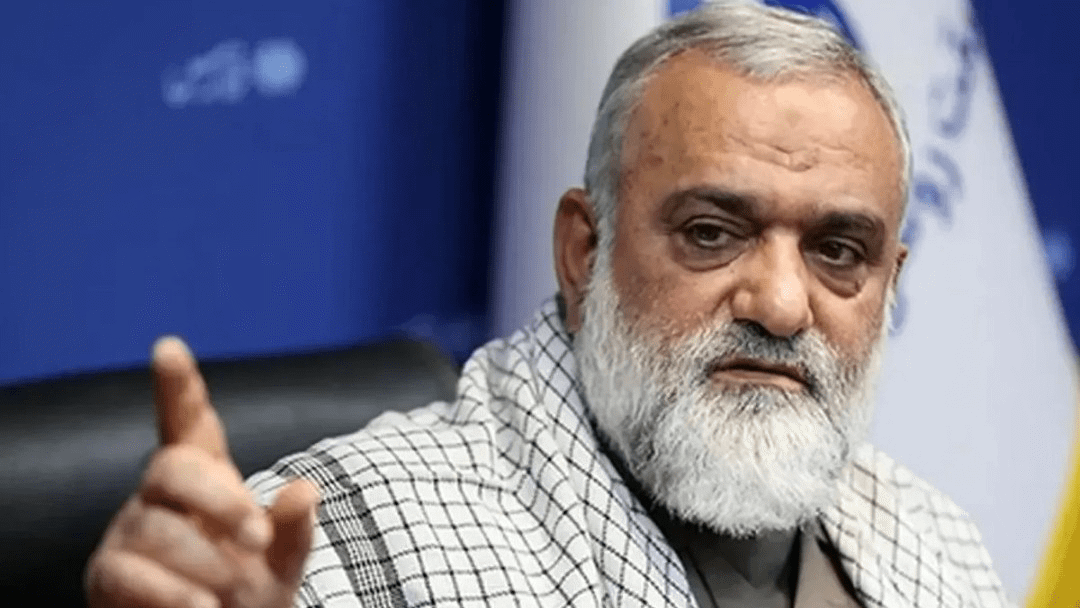
The enemy unleashed over 2,100 projectiles and nearly 300 surface-to-surface missiles against Iran's strategic Abu Musa island during the recent war of aggression, but Iranian fighters held their ground with resolve, a senior IRGC commander has revealed.
In an interview with IRIB’s news network on Sunday night, Brigadier General Mohammad Reza Naqdi, senior advisor to the IRGC commander-in-chief, detailed the ferocity of the US‑Israeli assault on the Persian Gulf island and the powerful deterrence Tehran has since established.
“The enemy fired 2,100 projectiles at Abu Musa island and nearly 300 surface-to-surface missiles at the island,” General Naqdi said. “But our fighters’ response put the crews inside American warships under such psychological pressure that they even dismissed their own naval commander.”
He added that Iran has successfully built a formidable deterrence against its adversaries.
“The enemy realized it cannot achieve its desired results against us,” General Naqdi stated. “Another dimension of deterrence is that the enemy now knows that if it makes a mistake, it will suffer an irreparable blow.”
282 military positions destroyed
General Naqdi stated that 282 enemy military positions have been destroyed and hundreds of enemy soldiers killed, many of whom have been secretly hidden by the enemy.
“Every day, a 40‑bed hospital plane from the UAE and a 10‑bed plane from Kuwait transported wounded enemy soldiers to American hospitals in Germany for treatment,” he revealed.
According to the senior advisor, the deterrence has completely halted the enemy.
However, he cautioned that Iran cannot guarantee no future incidents, given that “in 47 years of the Revolution, we have never heard a single truthful word from America nor seen a single promise they have kept.”
Enemy’s goal of regime change turned into consolidation
General Naqdi said the enemy’s primary objective was to overthrow the Islamic system, but the opposite happened.
“One hundred and eighty degrees contrary to their plan, the foundations of the system were strengthened,” he stated. “The enemy’s claim of regime change in Iran has become a laughingstock worldwide.”
He noted that the younger generation, those born in the 2000s and 2010s who did not previously recognize the enemy, have now learned enemy recognition through the enemy’s own atrocities, such as the Minab school massacre.
“The enemy’s military doctrine was to instill terror in people’s hearts, like the attack on Minab school. But these crimes only made the people recognize the enemy clearly.”
Failed attempts at disintegration
General Naqdi said the enemy’s second goal was to disintegrate Iran by targeting border bases and organizing separatist groups.
“We intelligently bombed separatist gathering centers and rendered them ineffective. What seriously defeated separatism was that they received no internal acceptance. Instead, the move backfired and increased unity and cohesion among the Iranian nation.”
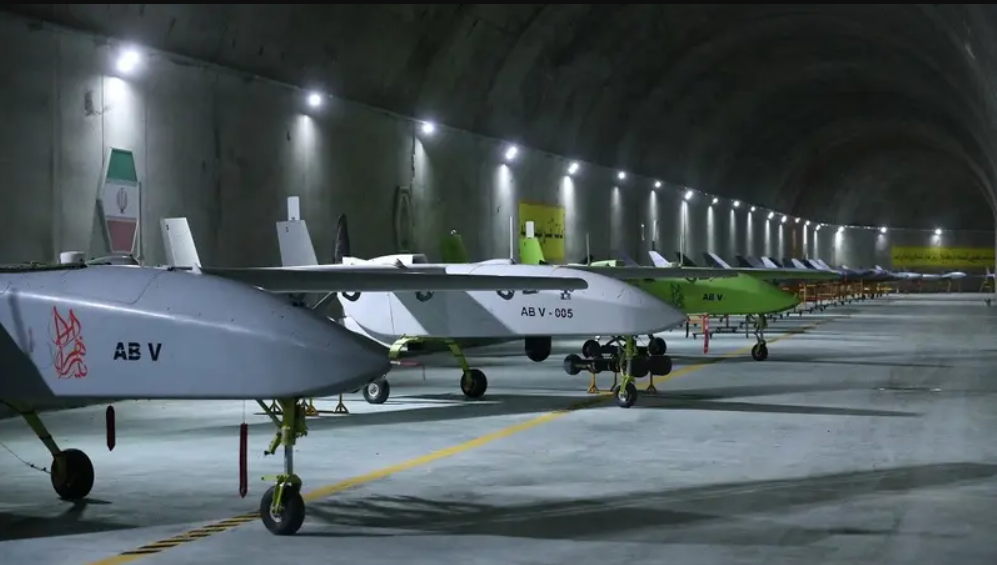
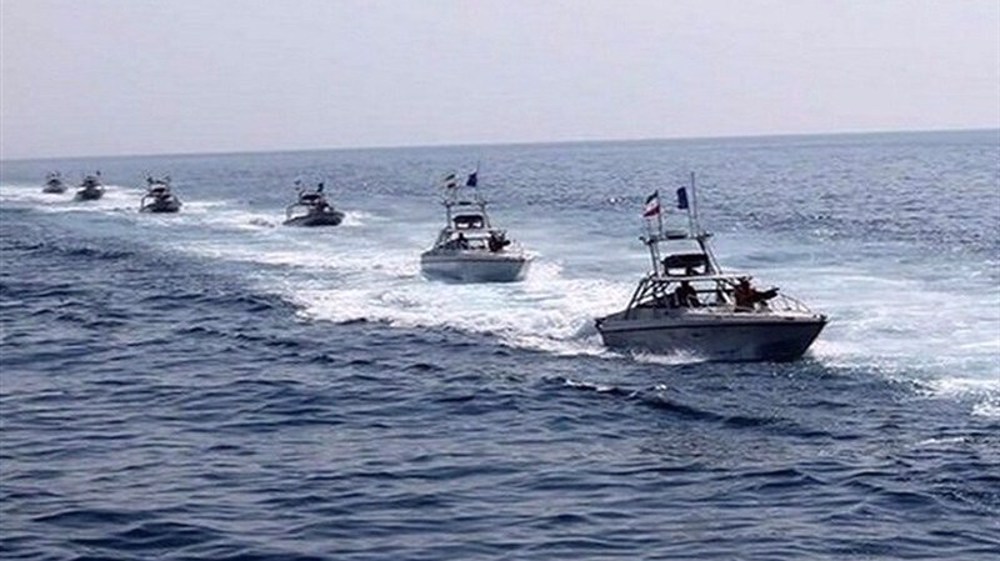
Regarding the Persian Gulf, General Naqdi said the enemy wanted to destroy Iran’s guardianship over the Persian Gulf, but Iranian fighters fiercely protected the Strait of Hormuz and the country’s southern waterways and land borders, denying the enemy any penetration.
Enemy’s failed terror campaign
The IRGC commander noted that from March 16 to late March, the enemy focused on assassinations but failed.
“The enemy could not assassinate some key figures. For example, they attempted to assassinate the IRGC commander but failed.”
When the enemy struck Iran’s steel, aluminum and petrochemical industries, Iran retaliated by hitting US‑owned facilities.
“After the attack on South Pars, the US president wrote a letter of regret and experienced the famous saying: ‘You hit one, you get ten,’” General Naqdi said.
People’s resistance broke US psychological warfare
General Naqdi emphasized that the main reason for America’s defeat was the Iranian people’s full‑scale resistance.
“The false notion that ‘Iranians are waiting to be saved by America’ has been permanently erased. All popular forces, with whatever weapons they had, fired at American airborne troops. An American general admitted in his report: ‘We were surrounded from all sides, and everyone with the smallest weapon was shooting at us.’”
The commander concluded that the enemy has no clear strategy and that Iran’s armed forces remain fully prepared for any scenario.
General Naqdi’s remarks come amid a fragile ceasefire in the US‑Israeli war of aggression against Iran, which began on February 28, 2026.
That unprovoked war included the assassination of Iran’s Leader, Ayatollah Seyyed Ali Khamenei, and wide‑scale strikes on nuclear facilities, schools, hospitals and critical infrastructure.
Abu Musa island, located near the entrance of the Strait of Hormuz, is one of the most strategic points in the Persian Gulf.
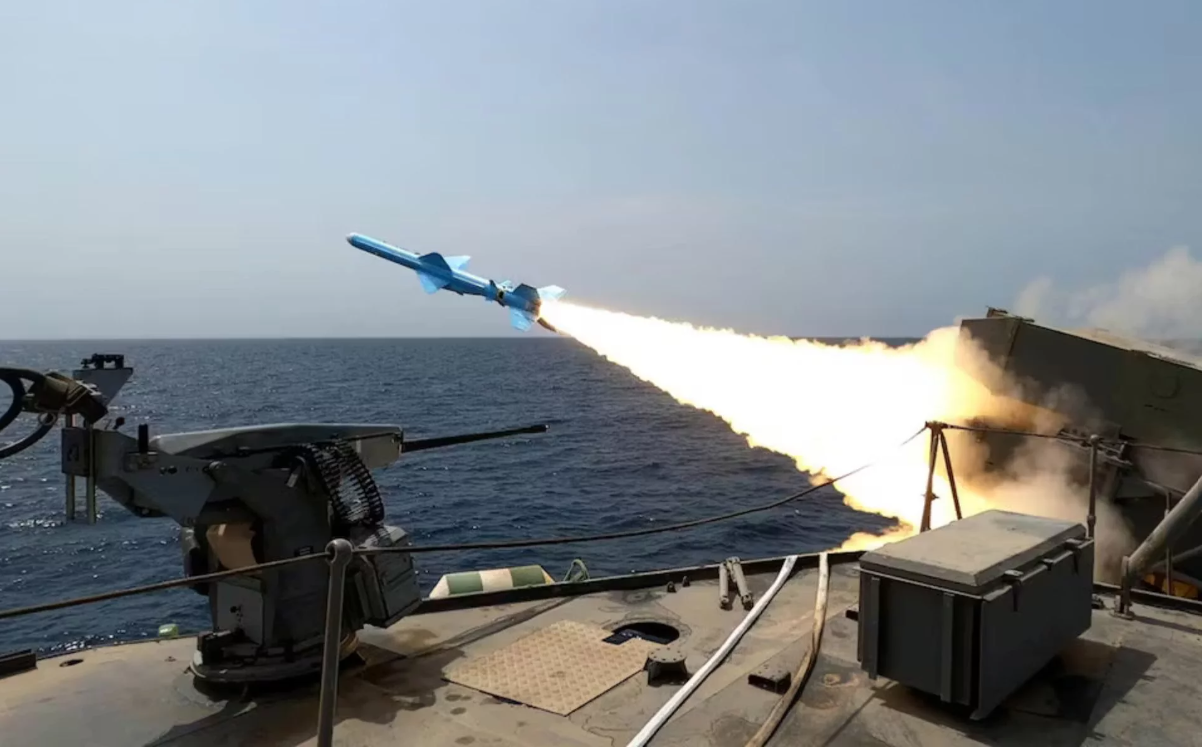
During the war, the US and Israel repeatedly targeted Abu Musa. On March 15, Iran’s Foreign Minister Abbas Araghchi told Iranian state TV that US forces attacked Abu Musa and Kharg Island using HIMARS artillery rocket systems, including from launch positions on UAE territory.
Iran has responded to the aggression with a series of retaliatory strikes. One notable operation came after an Israeli attack on the South Pars gas field, the world’s largest known natural gas field, which forced production halts at two refineries.
Iran promptly retaliated with strikes on US-owned Persian Gulf energy infrastructure.
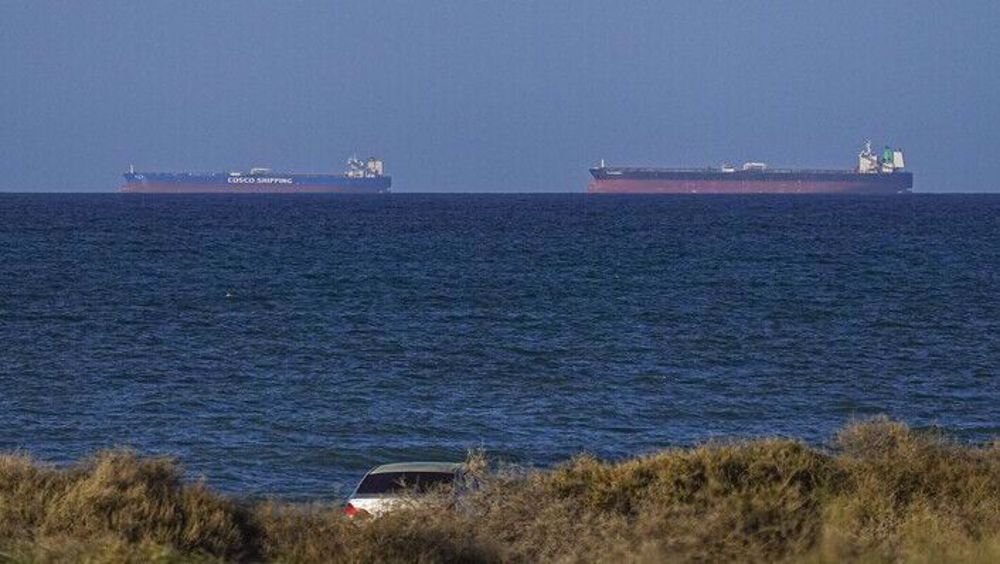
The IRGC has since imposed a new maritime regime on the Strait of Hormuz, requiring all vessels to obtain Iranian permission before transiting.
A Pakistan‑brokered ceasefire has been in place since early April, but a US naval blockade of Iranian ports remains.
Tehran has repeatedly warned that any new aggression will be met with an even more devastating response.
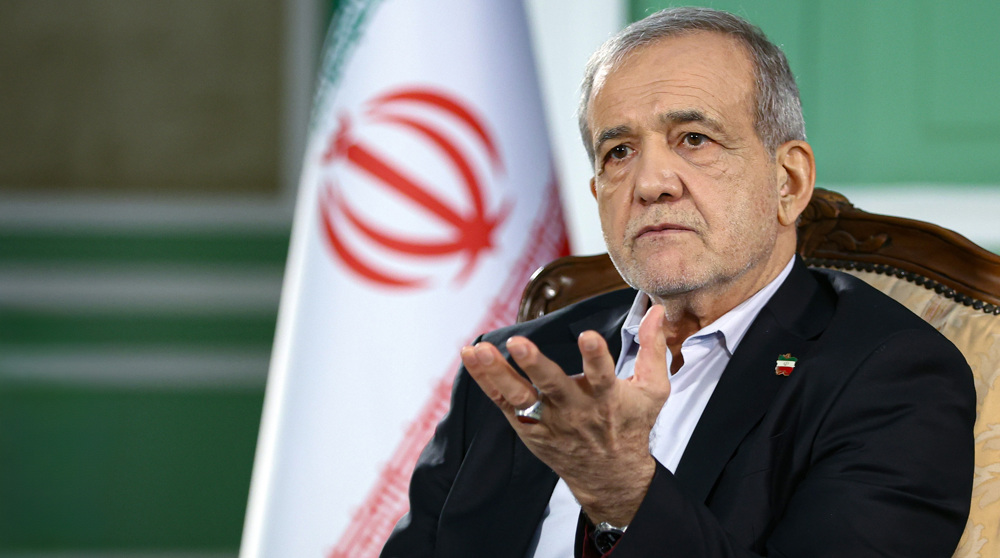
Iran withstood war thanks to national unity, its wise leadership: President Pezeshkian
Iran’s security chief, parliament speaker hail Leader’s remarks on national unity, social cohesion
Human rights turned into political tool in hands of West: Iran FM



VIDEO | Israeli troops forcibly evacuate UNRWA training center in West Bank
Iran withstood war thanks to national unity, its wise leadership: President Pezeshkian
VIDEO | Hezbollah weapons seen as key to Lebanon’s sovereignty: Analysts
IRGC Navy says Strait of Hormuz under Iran’s ‘complete and decisive’ control
Iran’s security chief, parliament speaker hail Leader’s remarks on national unity, social cohesion
Islamic Jihad says three members martyred in Israeli attack in West Bank
Human rights turned into political tool in hands of West: Iran FM
Belgium summons US ambassador after he targeted health minister



 PressTV NEWSLETTER
now
PressTV NEWSLETTER
now
 This makes it easy to access the Press TV website
