‘Stronger resistance, declining US power’: IRGC marks Gen. Soleimani’s legacy
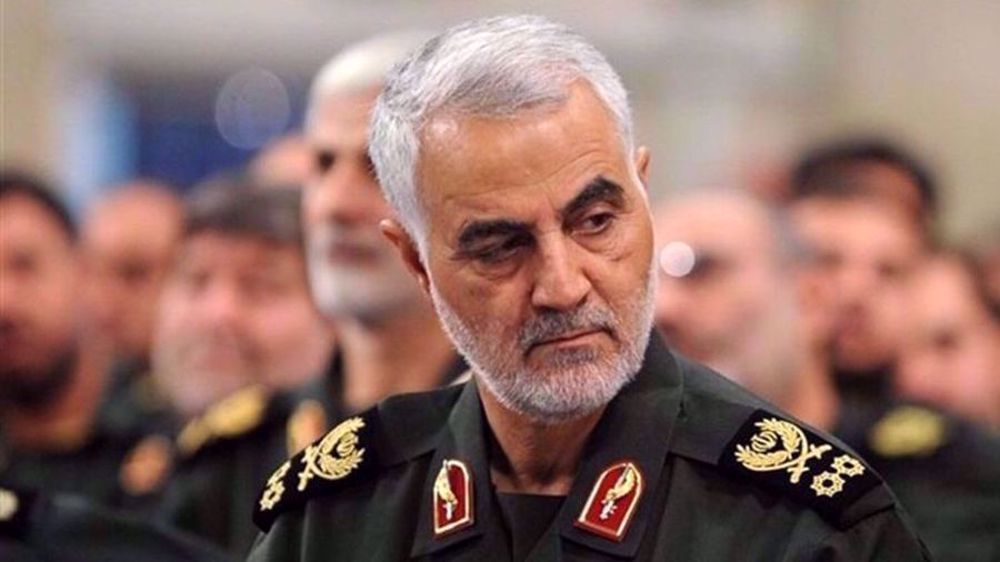
The Islamic Revolution Guards Corps (IRGC) says the assassination of Lt. General Qassem Soleimani failed to weaken Iran or the regional “resistance front,” but rather led to a decline in US political and security power across West Asia and beyond.
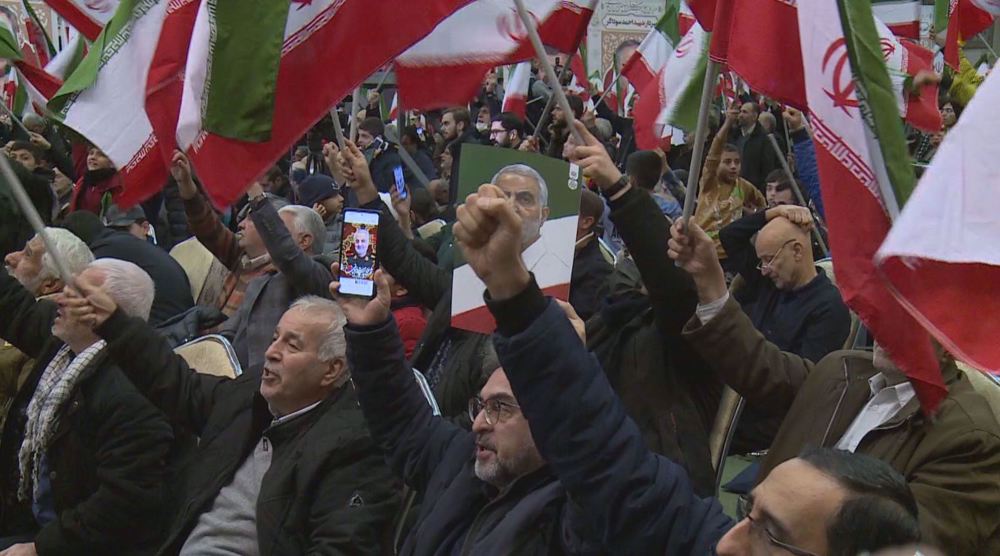
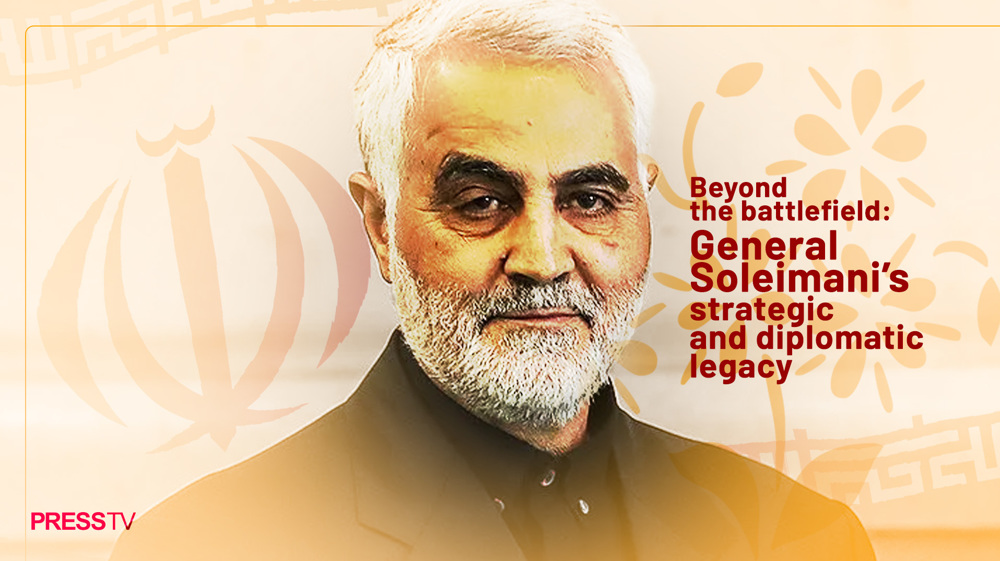
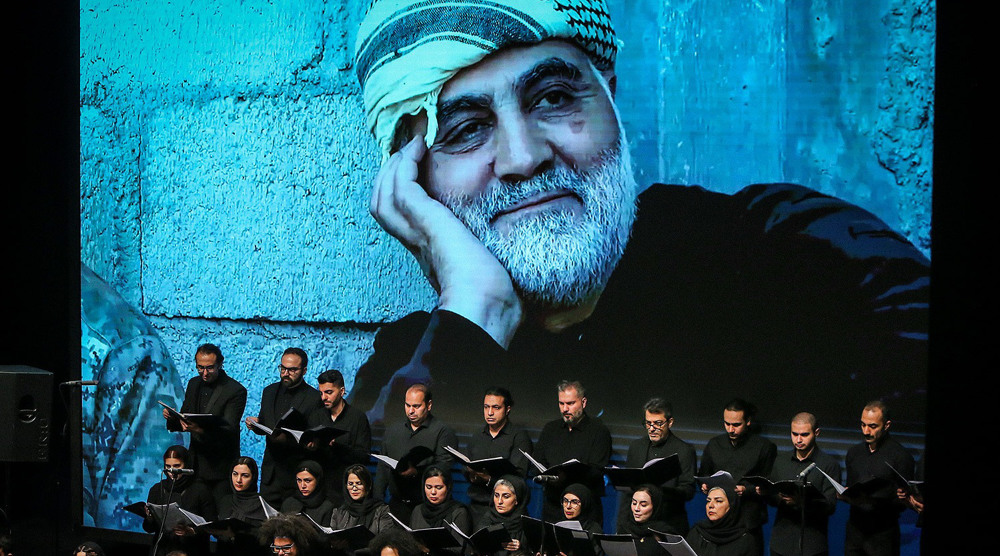
In a statement marking the sixth anniversary of Soleimani's assassination on Saturday, the IRGC emphasized that the former commander's legacy continues to shape regional developments.
“The erosion of the political and security power of the system of domination and the collapse of the US-led order in the region and beyond are among the lasting effects of this martyr and the fighters of the resistance front,” it said.
The IRGC asserted that the US and Israel targeted Soleimani in an effort to disrupt the growing network of forces opposed to their policies in the region, specifically naming US President Donald Trump and Israeli Prime Minister Benjamin Netanyahu as responsible for the “cowardly assassination.”
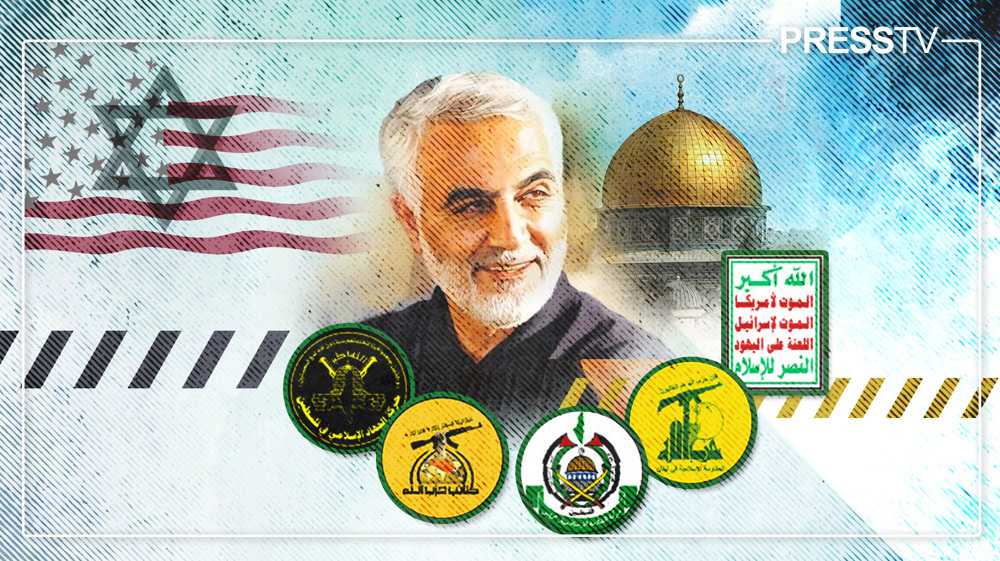
The IRGC pointed out that the assassination had actually strengthened movements aligned with Soleimani's vision, citing events such as Operation al-Aqsa Flood by the Palestinian resistance as evidence of increased activity and coordination among the resistance forces.
According to the IRGC, Soleimani's martyrdom “marked the beginning of his enduring influence,” extending across a network of groups opposing US and Israeli policies in the region.
The IRGC also connected Soleimani's legacy to “a broader ideological and political framework” rooted in justice, courage, and resistance to domination, noting the growing popularity of the slogan “Free Palestine” in both the Islamic world and Western countries as a reflection of the expanding reach of this movement.

The IRGC further accused Washington of persisting in efforts to pressure and destabilize Iran after the failure of its goals through Soleimani's assassination and military confrontation, stating that recent attempts to create unrest within Iran were thwarted by “public vigilance and unity.”
In conclusion, the IRGC reaffirmed its loyalty to Leader of the Islamic Revolution Ayatollah Seyyed Ali Khamenei, pledging that Iranian forces and allied resistance groups would continue to follow Soleimani's path.
General Soleimani and Abu Mahdi al-Muhandis, the second-in-command of Iraq’s Popular Mobilization Units (PMU), and their companions were assassinated in a US drone strike authorized by Trump near the Iraqi capital Baghdad’s International Airport on January 3, 2020.
Both commanders were highly revered across West Asia because of their key role in fighting the Daesh Takfiri terrorist group in the region, particularly in Iraq and Syria.
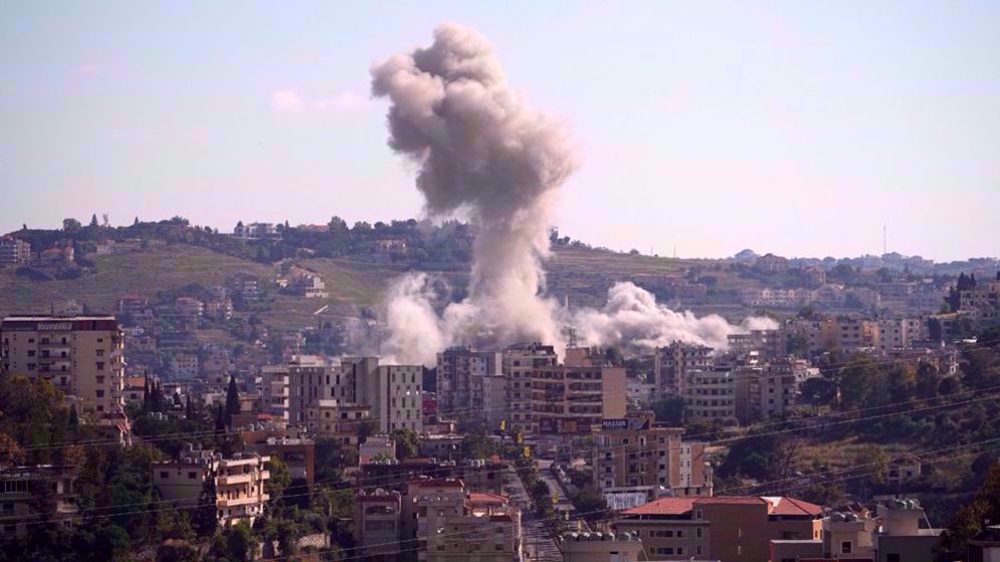
Iran calls on UN to protect Lebanese civilians as Israel’s attacks continue
Oman deal will not mean reopening of Hormuz Strait: Iran FM
Pezeshkian urges BRICS to play more active role in upholding non-use of force principle



VIDEO | Iraq’s fuel crisis deepens amid supply disruptions
US tested Lockheed cluster missiles on Iranian civilians, Baghaei says
Iran, Oman jointly postpone Persian Gulf foreign ministers’ meeting
VIDEO | Gaza’s women: The sole providers of families shattered by war
VIDEO | News Review: Trump’s comments on Irish unification spark backlash among his British allies
VIDEO | Press TV's news headlines
Yemen reports 58 Saudi attacks in one day, vows decisive response
VIDEO | US failed economic policy on Iran


 PressTV NEWSLETTER
now
PressTV NEWSLETTER
now
 This makes it easy to access the Press TV website
