Iran heralds clean energy future with landmark geothermal power plant at Mount Sabalan
By Ivan Kesic
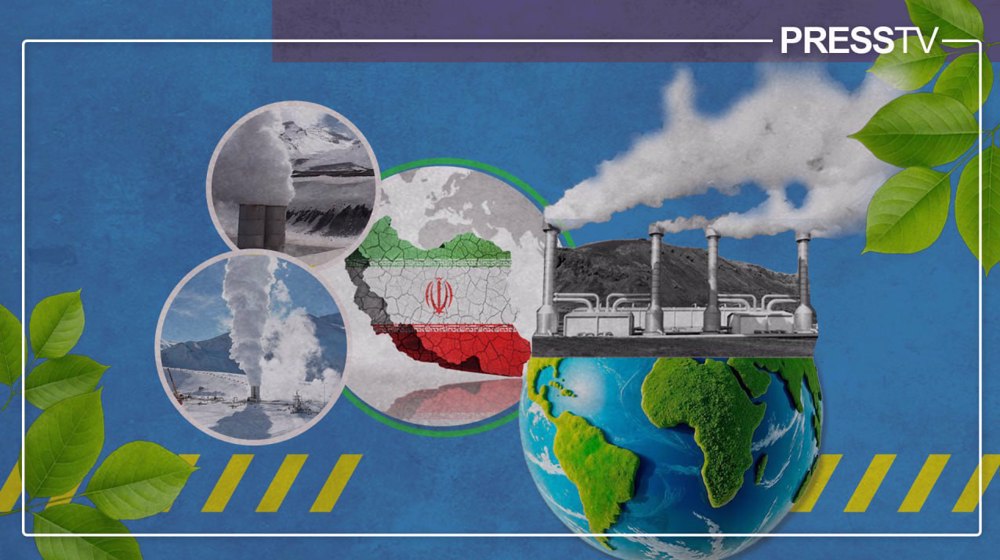
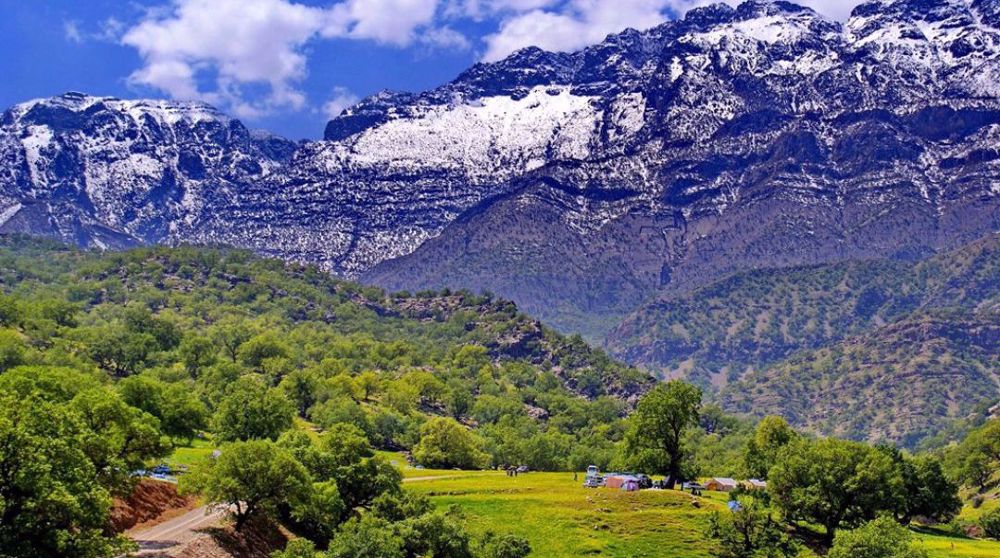
Amid the rugged slopes of Mount Sabalan, Iran is charting a new course in clean energy as its first geothermal power plant prepares to deliver electricity to the national grid – marking a historic milestone for both the country and the wider region.
Iran stands on the threshold of a renewable energy breakthrough with the imminent commissioning of the Meshginshahr geothermal power plant, also known as the Sabalan plant.
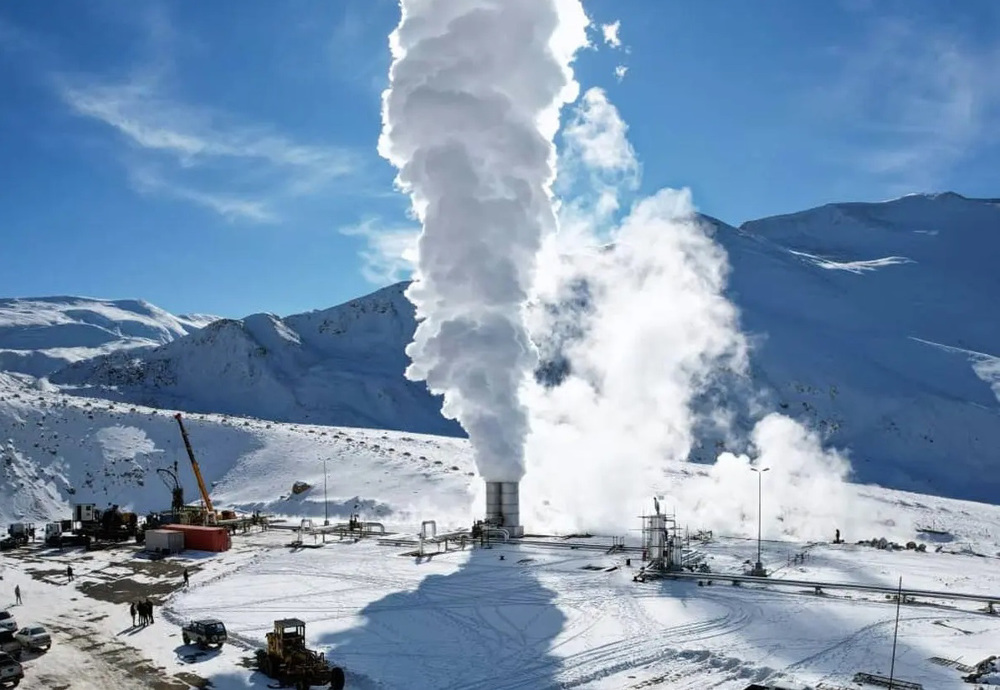
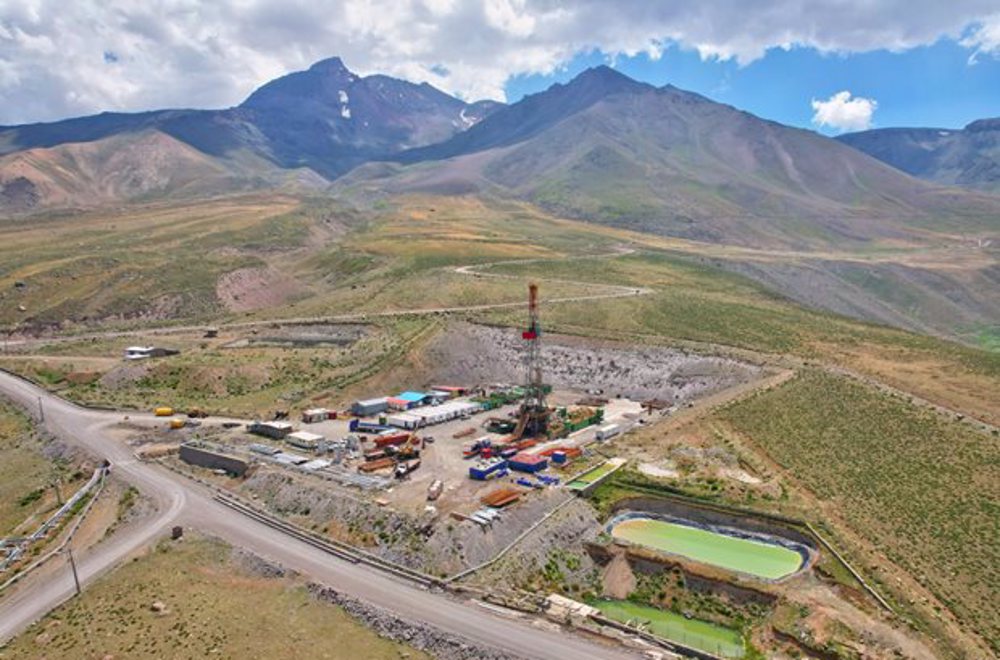
Located 25 kilometers south of Meshginshahr in Ardabil province in northern Iran, this pioneering facility is the first geothermal power station in Iran and the surrounding region, tapping into the vast heat reserves deep beneath the earth’s surface to generate electricity.
With more than 95 percent of installation and commissioning completed and an initial investment exceeding 650 billion tomans, the plant is poised to activate its first 5-megawatt phase. The project draws from a proven geothermal reservoir with an estimated potential capacity of up to 250 megawatts.
Beyond its technical achievements, the project represents a major advance in national energy sovereignty, as Iran has successfully mastered the full cycle of geothermal exploration, design, and operation.
In addition to supplying clean, reliable base-load power, the initiative is expected to stimulate regional economic growth, boost tourism, and establish a scalable model for developing Iran’s other geothermal resources, firmly positioning the country within the global transition toward sustainable energy.

Pioneering journey from conception to reality
The path to Iran’s first geothermal power plant began with extensive investigations into the significant energy potential of the Sabalan volcanic region, a scientifically verified high-temperature geothermal reservoir.
While international expertise, most notably from Italy’s ENEL, contributed to the initial assessment of the field, the project’s development and execution have been fundamentally national in character.
Through the specialized Thermal Power Generation Company, Iran launched a comprehensive program encompassing geological mapping, geophysical surveys, and deep exploratory drilling.
These efforts overcame formidable technical challenges, particularly those associated with accessing geothermal resources at depths approaching 3,000 meters.
The successful drilling and testing of multiple wells – capable of producing hot fluids with enthalpies of up to 1,000 kilojoules per kilogram and temperatures nearing 250°C – confirmed the reservoir’s commercial viability.
This rigorous development phase transformed theoretical potential into a tangible, steam-producing asset, paving the way for the plant’s construction and system integration, now culminating in final grid-connection procedures.
Engineering excellence: Tapping the Earth’s reliable heat
The operational strength of the Meshginshahr geothermal power plant lies in its refined application of conventional thermodynamic principles to a renewable energy source.
Unlike fossil-fuel power stations, which rely on combustion to generate steam, this facility harnesses the Earth’s vast and constant geothermal heat.
Production wells access the deep reservoir, bringing a mixture of steam and hot water to the surface. The steam is separated and directed to drive turbines that generate electricity, while the remaining geothermal fluid is reinjected into the reservoir.
This closed-loop process preserves reservoir pressure and ensures long-term sustainability.
A key advantage of geothermal power over intermittent renewables such as solar and wind is its ability to deliver continuous, around-the-clock electricity, independent of weather or seasonal conditions. As a result, the Meshginshahr plant provides reliable base-load power to the national grid.
The initial operational phase will generate five megawatts, functioning as a practical pilot that validates both the technology and reservoir performance.
From this foundation, a clear expansion pathway exists, scaling output to 30 megawatts and ultimately toward the field’s full estimated potential of 250 megawatts.
Cornerstone of national energy strategy and knowledge sovereignty
The strategic significance of the Meshginshahr geothermal project extends well beyond its installed capacity. It marks a decisive step in diversifying Iran’s energy portfolio and reducing reliance on fossil fuels for electricity generation.
More importantly, it represents a major advance in national knowledge sovereignty within the energy sector.
The project has enabled the full localization of technical expertise required for the sustainable development of geothermal resources, an invaluable asset for Iran’s engineering, scientific, and industrial communities.
From deciphering complex subsurface geology and conducting advanced exploration to drilling under challenging conditions and engineering the power plant itself, Iranian specialists have mastered the entire geothermal development cycle.
This achievement not only secures the long-term expansion of the Sabalan field but also positions the country to identify and exploit geothermal resources in other high-potential regions.
In doing so, it lays the foundation for a new, domestically driven clean energy industry rooted in technological capability, innovation, and self-reliance.
Economic viability and a framework for private investment
Independent financial assessments of the Meshginshahr project affirm its strong economic justification, particularly within Iran’s supportive renewable energy policy framework.
Studies conducted by institutions such as Kharazmi University indicate that, under the government’s Feed-in Tariff (FIT) scheme, designed to encourage private sector participation in clean energy, the project is financially attractive from an investor’s standpoint.
Using established evaluation metrics, including Equivalent Uniform Annual Worth (EUAW) and Internal Rate of Return (IRR), the analyses conclude that electricity generation at the plant is economically viable and capable of meeting investors’ minimum acceptable rates of return.
The adoption of the FIT mechanism, which has proven effective in many developed economies, provides a transparent and stable investment environment.
By absorbing part of the early-stage exploration risk and guaranteeing a purchase tariff, the policy converts Iran’s substantial geothermal potential into a commercially compelling opportunity. This framework opens the door to public–private partnerships, accelerating sectoral growth and strengthening the role of geothermal energy in the national power mix.
Environmental stewardship and holistic impact assessment
The development of the Meshginshahr geothermal power plant has been guided by a rigorous, science-based approach to environmental management, ensuring alignment with sustainable development principles.
A comprehensive Environmental Impact Assessment (EIA) was conducted utilizing advanced tools such as the Rapid Impact Assessment Matrix (RIAM) and Geographic Information Systems (GIS) to build detailed baseline geodatabases of the site.
This thorough pre-development evaluation of physical, biological, and socio-cultural conditions revealed that approximately 57 percent of the project’s long-term impacts are positive, while only 43% are negative, none of which were classified as significant concerns.
Operationally, the plant will produce substantially lower greenhouse gas and pollutant emissions compared to fossil fuel alternatives.
The EIA carefully identified potential environmental risks, including groundwater protection, air quality monitoring for gases like hydrogen sulfide (H₂S), and noise control during drilling activities. Robust mitigation plans were developed to address these concerns effectively.
Moreover, the assessment highlighted significant positive externalities, such as the construction of new access roads, the creation of employment opportunities, and the stimulation of regional tourism through this innovative clean energy project.
Catalyst for regional prosperity and sustainable tourism
The launch of the Meshginshahr geothermal plant is set to become a powerful driver of socio-economic growth in Ardabil province. Beyond the skilled jobs created during construction, the facility will provide stable, technical employment opportunities for its ongoing operation and maintenance.
Infrastructure improvements, such as enhanced access roads, will benefit not only the plant but also local villages and communities by improving connectivity and transport links.
Additionally, the plant is poised to become a distinctive attraction within the region’s vibrant tourism landscape, which already features Mount Sabalan’s stunning natural beauty, hot springs, and rich biodiversity.
By establishing itself as a center for clean energy and technological innovation, the region can attract eco-conscious tourists, researchers, and industry experts.
This influx promises to nurture a knowledge-based economy that complements Ardabil’s traditional agricultural and pastoral sectors, fostering balanced, sustainable development for the future.
#IR46: How Iran built its robust and resilient energy industry amid sanctions
— Press TV 🔻 (@PressTV) February 5, 2025
By @kesic_ivan https://t.co/16dG8wC2TU
Vision for the future: expansion and national replication
The imminent launch of the Meshginshahr geothermal power plant is not seen as an endpoint, but rather the foundational milestone in a broader, ambitious national energy strategy.
Project leaders have outlined clear next steps focused on systematically expanding the capacity of both the existing wells and the Meshginshahr facility itself.
This phased development will fully harness the proven geothermal reservoir in the Sabalan region, steadily increasing the output of clean, reliable electricity.
Beyond Sabalan, the ultimate goal is to leverage the technical expertise, technological innovations, and established supply chains cultivated through this pilot project to drive the development of geothermal power plants across other geologically favorable regions of Iran.
This scalable, replicable model promises to convert Iran’s vast geothermal potential into a widespread network of sustainable power sources.
In doing so, it will play a pivotal role in enhancing the country’s energy security, boosting economic growth, and fulfilling Iran’s commitments to environmental stewardship and innovation—setting a trailblazing example for the wider region.
Iranian engineers develop indigenous engine control units, advancing automotive electronics
Understanding Iran’s tourism momentum amid war and sanctions

BRICS paving way for alternative world order, not a war machine against West: Analyst



UN Chief warns Israeli violence in West Bank raises ‘specter of ethnic cleansing’
VIDEO | ‘Korea gets nothing, loses everything, with Hormuz deployment’
Iran parliamentary commission approves penalties for violators of Hormuz laws
VIDEO | Trump’s war disrupts the world
Araghchi urges world to hold US accountable for ‘war crimes’ at UNGA
VIDEO | Press TV's news headlines
US F-16 fighter jet crashes at air base in Germany
Iran warns US against new attack, says Washington will gain ‘nothing but failure’



 PressTV NEWSLETTER
now
PressTV NEWSLETTER
now
 This makes it easy to access the Press TV website
