UK halts plan to use frozen Russian assets for Ukraine aid amid legal fears
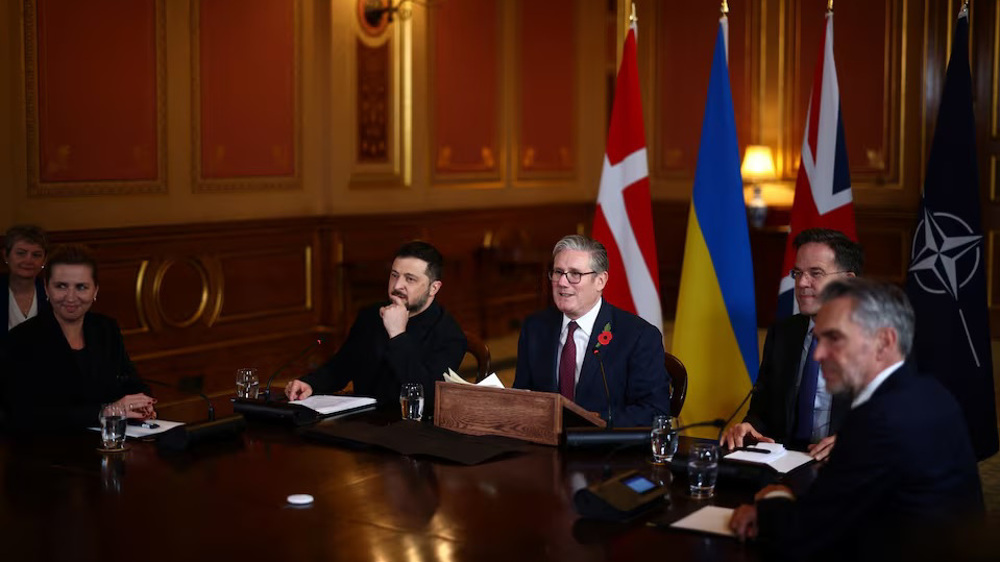
The British government has shelved a plan to channel £8 billion in frozen Russian assets to Ukraine, following the collapse of a similar proposal in the European Union amid mounting legal concerns and fears of retaliation from Moscow.
UK Prime Minister Keir Starmer has been a proponent of the idea of using immobilised Russian assets to help fund Kiev amid Russia’s special military operation in Ukraine.
Kiev has warned that it faces collapse in early 2026 without additional support.
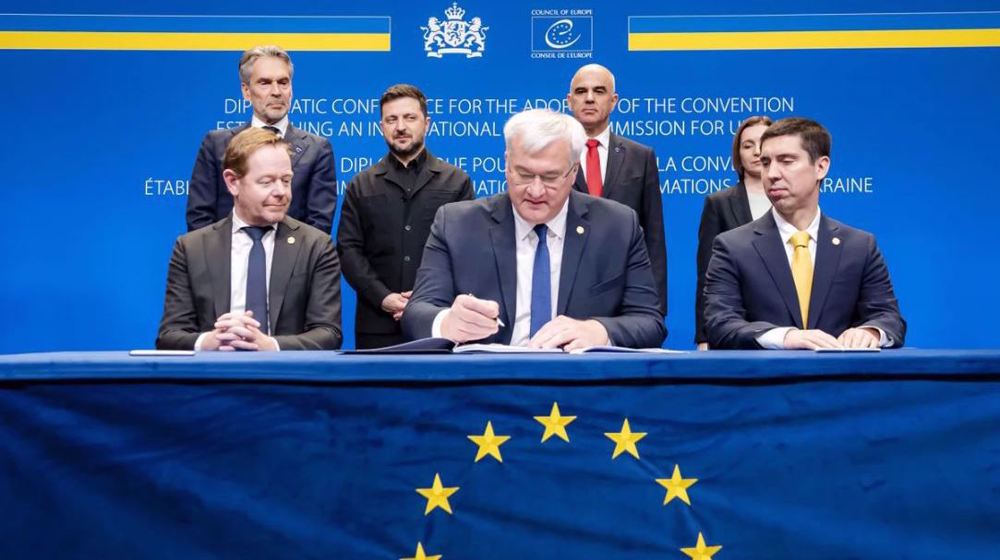
But on Thursday, EU leaders struck a deal to lend €90bn to Ukraine, borrowed against the bloc’s shared budget, after its proposal to use immobilised Russian sovereign assets collapsed.
British officials said on Friday that London would not unilaterally deploy frozen Russian assets in the UK to help Kiev, having only been planning to do so in lockstep with Australia, Canada, and the EU.
“We won’t move without international partners,” a government spokesperson said, adding that the UK would “continue to work closely with the G7 and EU on Ukraine financing.”
UK officials said on Friday that the government would “reprofile” $2bn of guarantees for World Bank lending, bringing the existing commitment forward to 2026 for Ukraine’s “immediate financing needs.”
The Financial Times reported earlier this month that UK banks had been concerned about a government proposal to use approximately £8bn in frozen Russian assets as collateral for zero-interest loans to Ukraine without an offer to indemnify them against potential retaliation by Moscow.
Some senior bankers questioned the legality of such a plan amid concerns that the government was setting a new precedent, which could expose them to significant legal risks if Russia decided to sue if a peace deal was reached.
Which banks in the UK hold sovereign Russian assets is unknown, as they are reluctant to disclose any involvement.
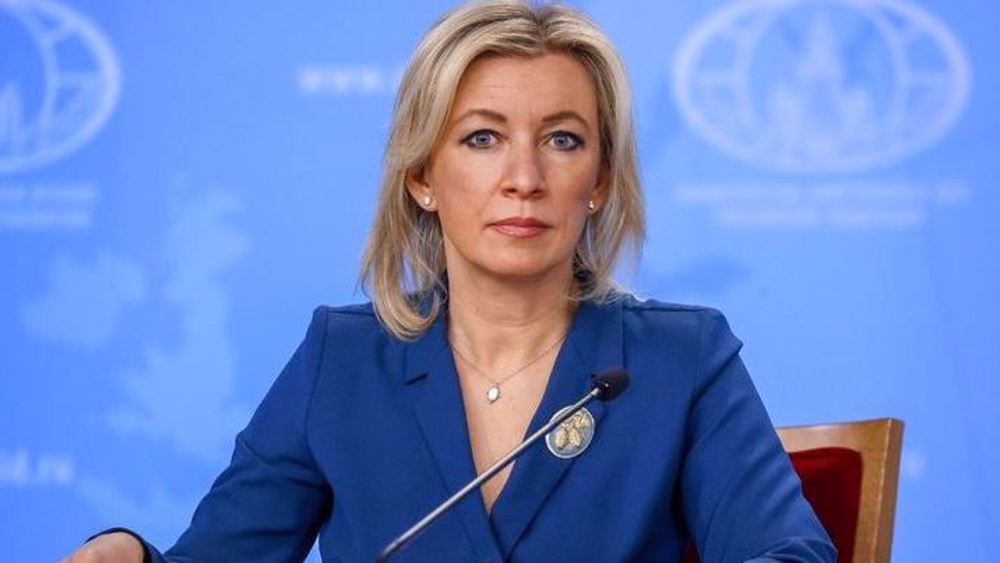
EU capitals had for months wrestled over using €210bn of cash belonging to Russia, most of which is held in Belgium, to back a so-called reparations loan for Kiev.
That plan foundered after Belgium demanded expansive guarantees to cover any financial risk from the loan, which led other leaders to reject those terms, according to officials briefed on the discussions.
After more than 16 hours of talks between EU leaders, they agreed to raise a loan of €90bn on capital markets, secured against untapped spending in the bloc’s shared budget, to fund Ukraine for the next two years.
Kiev will only have to pay back the loan after Russia has paid reparations.
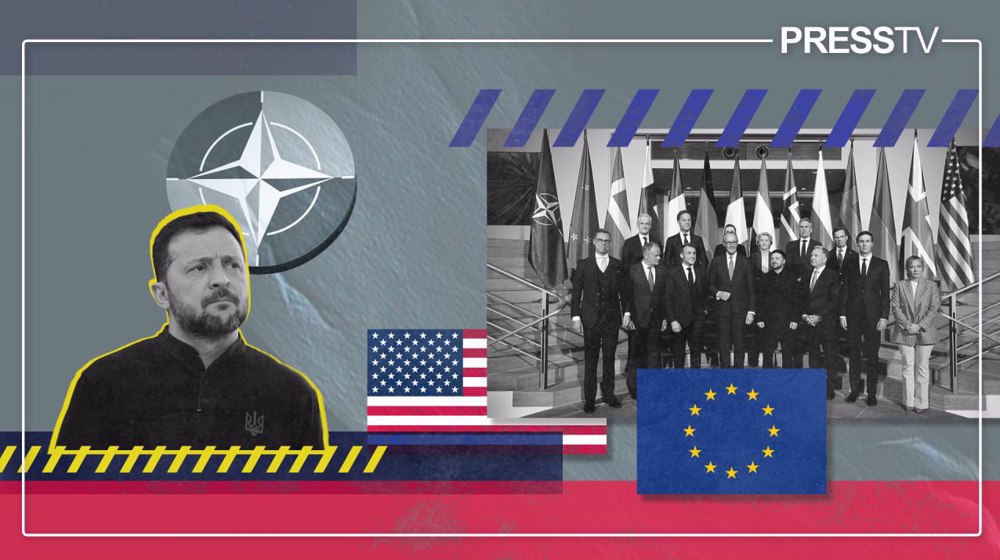
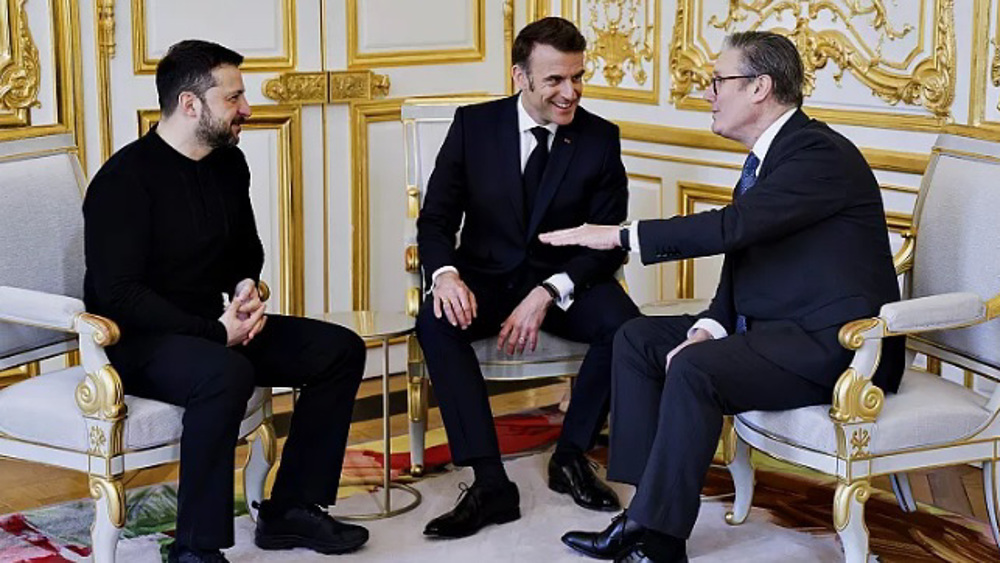
Sidelined by the US in peace talks to end the war between Russia and Ukraine, the British government and EU member states are desperately working to remain relevant in the negotiations.
The Kremlin said it was preparing contacts with Washington on a revised peace proposal.
Earlier talks in Berlin involving US, Ukrainian, and European officials ended without a breakthrough, with Russia opposing NATO membership for Ukraine and Kiev rejecting territorial concessions.
IAEA inspectors cannot return to Iran amid US threats: Russia
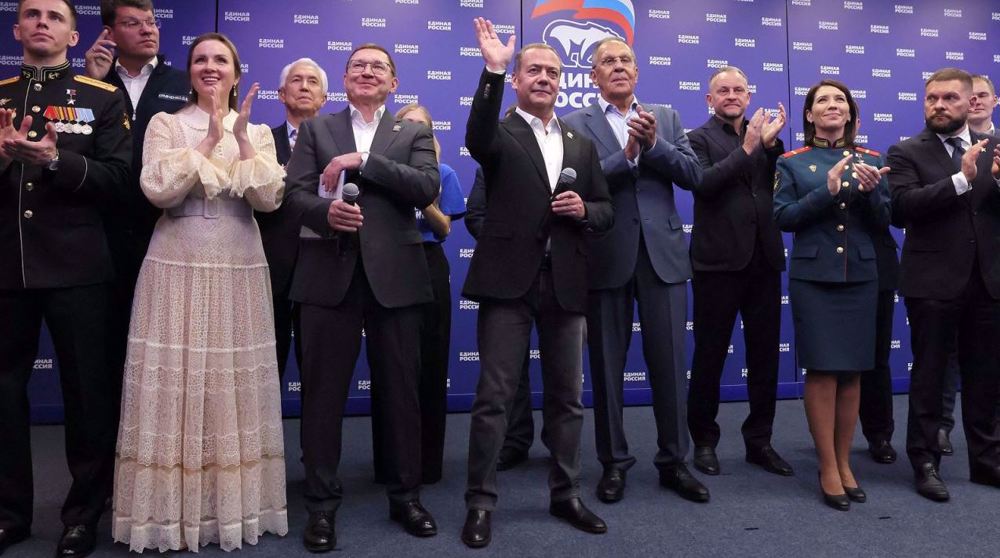
Putin’s United Russia leads wartime parliamentary elections

Moscow intercepts massive Ukrainian drone strike amid elections; civilian casualties reported



VIDEO | Press TV's news headlines
VIDEO | News Review: Iran slams US ‘economic terrorism’
VIDEO | Yemeni army releases video showing strikes on Saudi military buildups, vehicles
Hamas: Board of Peace’s 'hostile stance' on UNRWA aligns with Israel
VIDEO | Islamic Jihad: Nasrallah helped build a united regional front against Israel
Pezeshkian: Iran ‘no longer’ trusts US after being attacked twice during talks
Iran rejects speculation it may target airports in region over compliance with US sanctions
Restrictions on Iranian flights impede Iraq’s economic recovery: Senior MP


 PressTV NEWSLETTER
now
PressTV NEWSLETTER
now
 This makes it easy to access the Press TV website
