Russia’s UN envoy rejects military option against Iran, calls for diplomacy
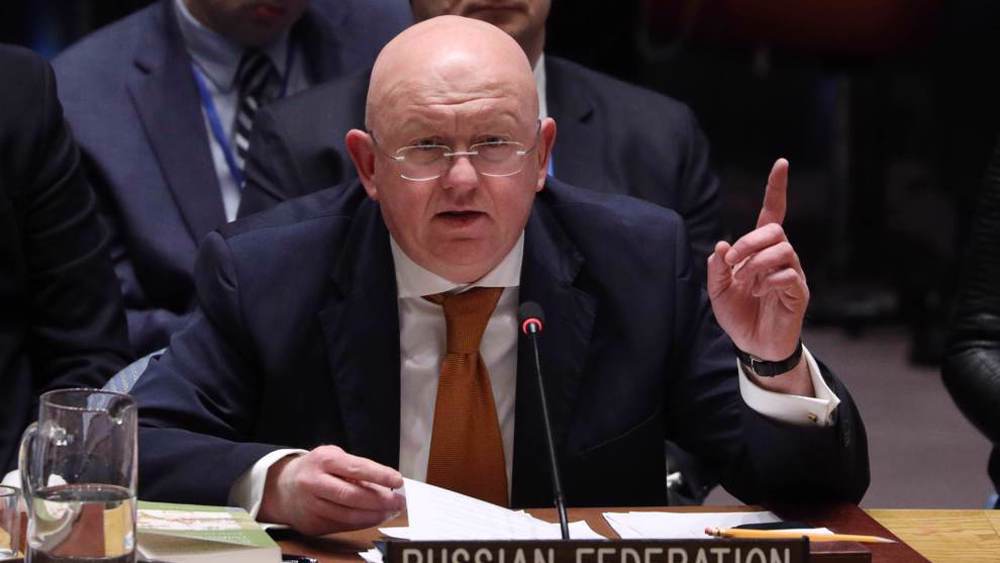
Russia’s United Nations ambassador has strongly rejected any military options against Iran, warning such actions could destabilize the entire region, while stressing Moscow’s readiness to support diplomacy without imposing itself as a mediator.
Russia’s Permanent Representative to the UN, Vasily Nebenzya, on Thursday stressed that the use of force against Iran by the West – the United States in particular - would have grave regional consequences and must be avoided.
“We hope that the United States and its allies will resort to wisdom and behave more constructively. Any military solutions are unacceptable, dangerous and may trigger regional consequences,” he told Russian journalists.
Nebenzya added that pressure on the Islamic Republic intensified earlier this year, noting that “the campaign to ‘denigrate’ Iran continued with renewed vigor."
The Russian envoy recalled that on January 15, “at the request of the United States, a Security Council meeting was organized and Western delegations’ statements predictably boiled down solely to accusations against Tehran.”
According to Nebenzya, Russia and other members redirected the debate, stressing that “the real threats to international peace and security come from ... blatant threats to use force against Iran and interference in its internal affairs.”
Russia not imposing itself as mediator between Iran, US: Lavrov
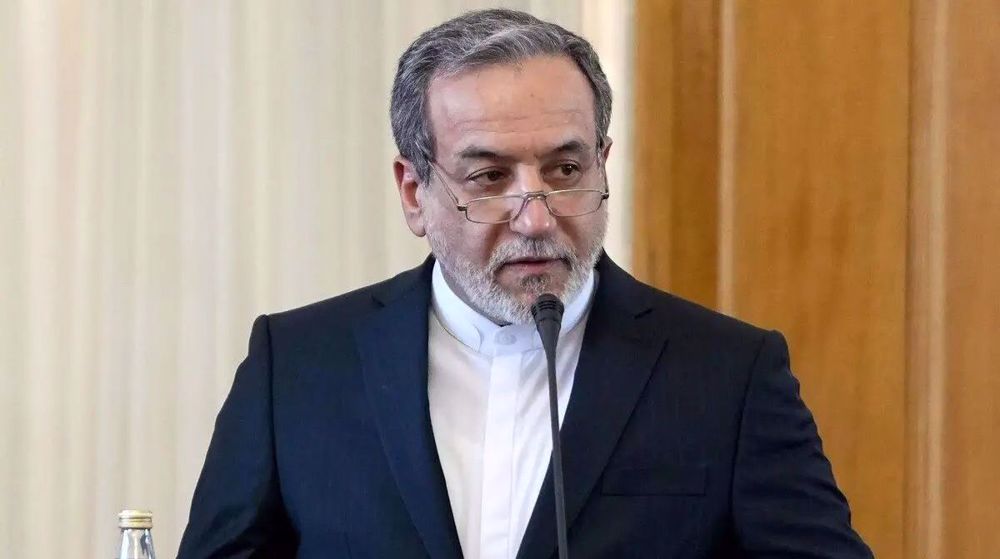
Separately on Thursday, Russian Foreign Minister Sergei Lavrov said Moscow is not seeking a mediating role between Iran, Israel, and the United States, but remains deeply concerned by the risks of escalation.
“Right now, we are not imposing ourselves as mediators to Iran, Israel, or the United States. In our contacts with them, we are simply discussing the situation,” he said in an interview with RT, adding that Iran is “our close partner and neighbor” and that the situation is “explosive not only for Iran itself, but also for the entire Middle East.”
Russia’s top diplomat also emphasized, “The Iranians and Israelis know that we are ready to help implement any agreements, should they be reached.”
Lavrov’s comments came as Iranian Foreign Minister Abbas Araghchi announced that nuclear negotiations between Iran and the United States were scheduled to take place in the Omani capital Muscat on Friday morning.
US President Donald Trump had said on January 26 that a “massive armada” was heading toward Iran and urged Tehran to make a nuclear deal.
Five rounds of US-Iran nuclear talks in 2025 ended without agreement after Israel launched military aggression against Iran and the US struck Iranian nuclear facilities.
According to Iranian media reports, the negotiations would focus exclusively on Iran’s peaceful nuclear energy program and the lifting of sanctions, with no discussion of other issues.
Araghchi is expected to lead the Iranian delegation, which will include his deputies Majid Takht-Ravanchi and Kazem Gharibabadi. The US will be represented by White House special envoy Steve Witkoff, according to the reports.
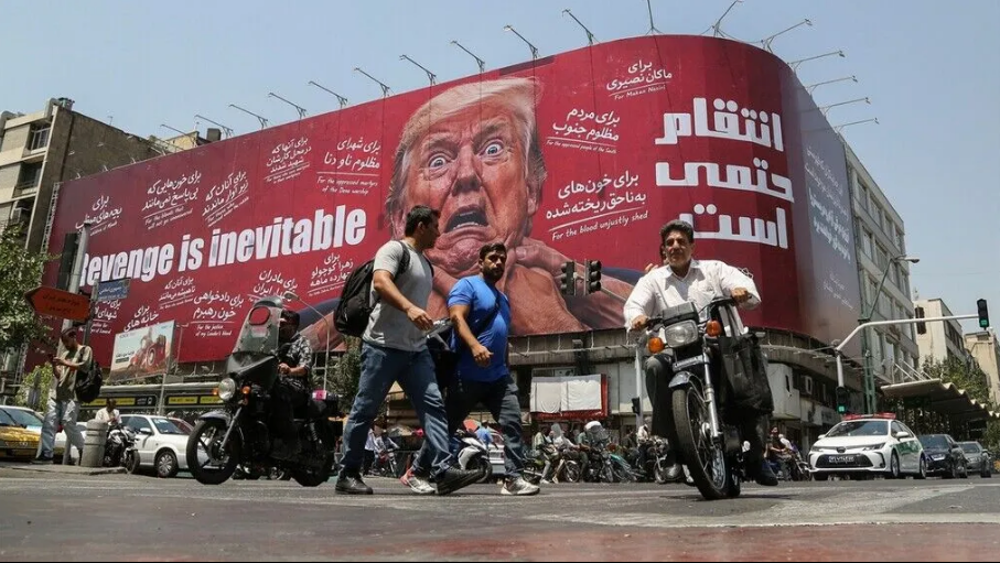
Iran mocks US ‘victory’ claim: Why launch ‘greatest financial offensive’ then?
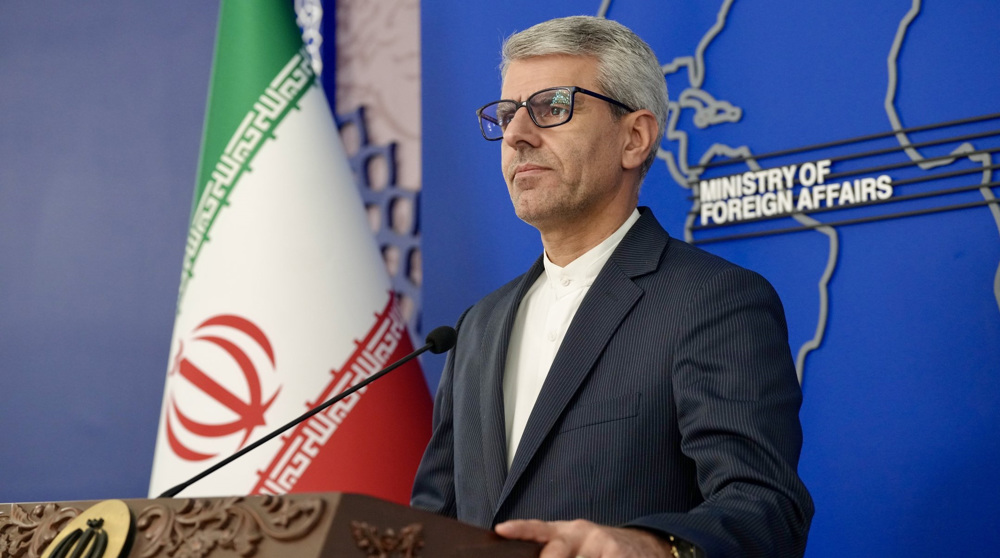
Iran: No country should fear us unless it aids aggressors
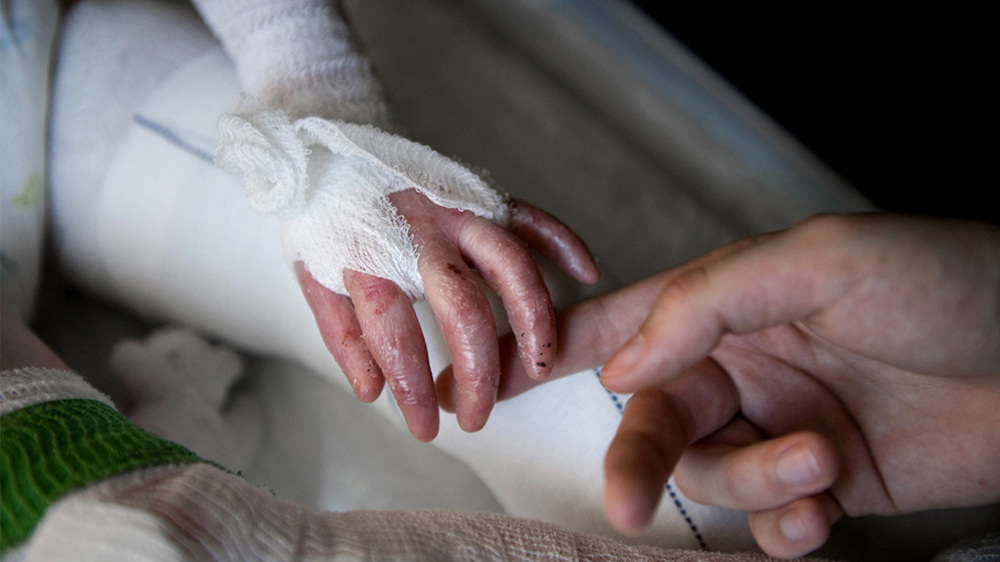
Iran sells seized US oil cargo to aid EB patients suffering under illegal sanctions



VIDEO | Israeli army refuses to investigate its crimes against aid workers in Gaza
Iranians ready to fight for next 20 generations to defend homeland: Army chief warns enemies
VIDEO | Press TV's news headlines
Iran mocks US ‘victory’ claim: Why launch ‘greatest financial offensive’ then?
American actor dismisses Paramount’s ‘antisemitic tropes’ after exposing Gaza genocide complicity
Thirty-one ex-US lawmakers, staffers joined military-industrial complex in past 10 years: Report
Iran: No country should fear us unless it aids aggressors
Iran sells seized US oil cargo to aid EB patients suffering under illegal sanctions


 PressTV NEWSLETTER
now
PressTV NEWSLETTER
now
 This makes it easy to access the Press TV website
