Use and throw: As US foreign policy priorities shift and Europe falters, Ukraine pays the price
By Arwin Ghaemian
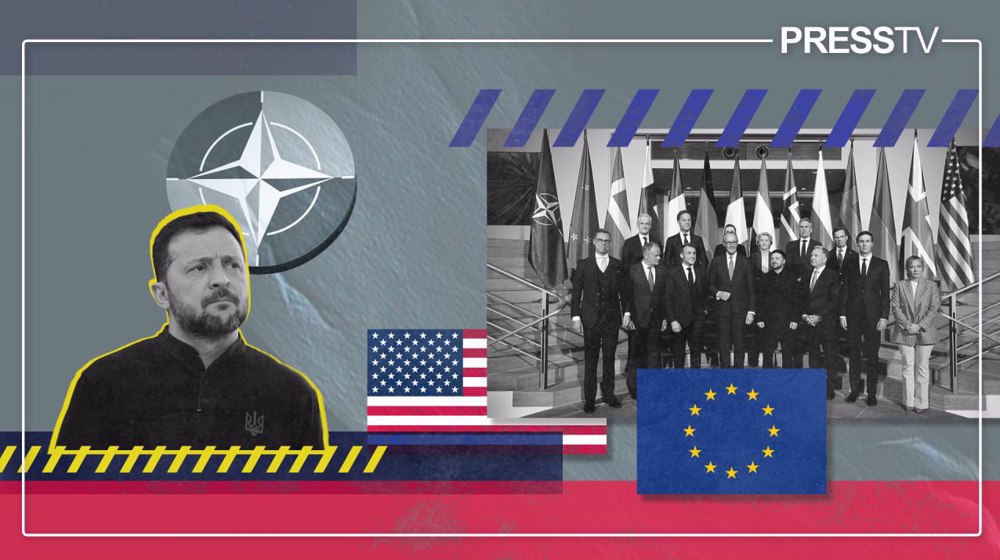
Kyiv’s renunciation of its pursuit of NATO membership is neither a carefully deliberated decision nor a diplomatic triumph. It is a bitter acknowledgment of the strategic dead end created by a prolonged war of attrition with Russia.
Constrained by realpolitik, declining Western support, and a shift in US foreign policy priorities under the Trump administration, the Ukrainian government has been compelled to abandon one of its core principles upheld since 2014.
Negotiations initiated by Washington around a vague 28-point peace plan – later streamlined into an operational framework of roughly 20 articles – have laid bare a stark reality: Ukraine must accept peace because no viable alternatives remain.
The foundation of this framework rests on a premise that Europe, despite its early reservations, now supports peace in exchange for eastern, Russian-speaking territories. This reflects a de facto acceptance of Russia’s annexation of regions taken over by its military during the course of the war.
This painful and politically charged territorial concession is increasingly viewed in Brussels as the lesser evil in what appears to be an endless and devastating war with the Russian bear – the same Russia that once defeated Napoleon and, decades later, Hitler.
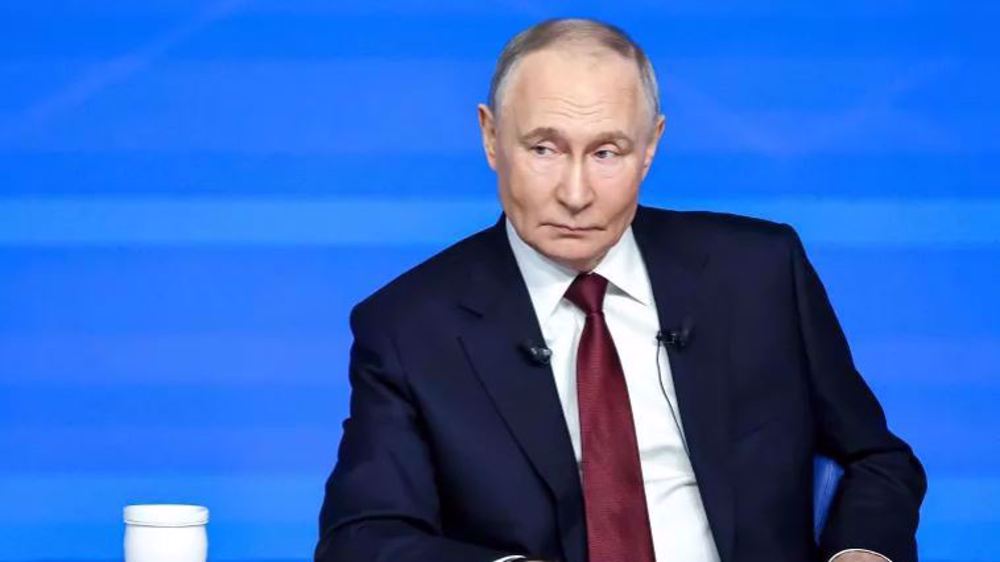
The Kremlin has always regarded Ukraine’s admission to NATO as a clear red line that the West must not cross. President Vladimir Putin has repeatedly demanded Ukraine’s official neutrality, the removal of NATO forces from its territory, and the withdrawal of Ukrainian troops from Donbas.
Along similar lines, several NATO member states, including Hungary, have long opposed Kyiv’s accession. Gradually, more European capitals are aligning around a collective rejection of Ukraine’s membership, masked by alternative security arrangements.
Yet these security guarantees, even if legally binding, cannot replace Article 5 of NATO’s Charter, nor can they remedy the strategic vacuum created by Ukraine’s exclusion from the Alliance.
Ukrainian President Zelensky says talks with US envoys to end the war with Russia were not easy but productive.
— Press TV 🔻 (@PressTV) December 16, 2025
Follow: https://t.co/mLGcUTS2ei pic.twitter.com/epWmqq6TSN
The war in Ukraine reveals a deep ideological divide: the United States and Europe no longer perceive threats in the same way. While Europeans view Russia as an immediate existential danger, Washington, under the incumbent administration, is recalibrating its strategic priorities.
The consequences are profound. Endorsing a territorial settlement in Ukraine fractures transatlantic unity, weakens the post-Cold War security architecture, and calls into question the long-term credibility of NATO itself.
Meanwhile, the new US National Security Strategy signals a seismic shift. Russia is no longer defined as the primary adversary; instead, the objective is strategic balance. Washington seeks to redirect its focus toward the Western Hemisphere – an explicit revival of neo-Monroism – while keeping China firmly in view as the foremost systemic threat.
In this context, Europe is sidelined, with Ukraine becoming its most exposed casualty. This helps explain why the United States, while remaining diplomatically engaged, refuses to deploy combat forces and promotes security assurances short of NATO membership.
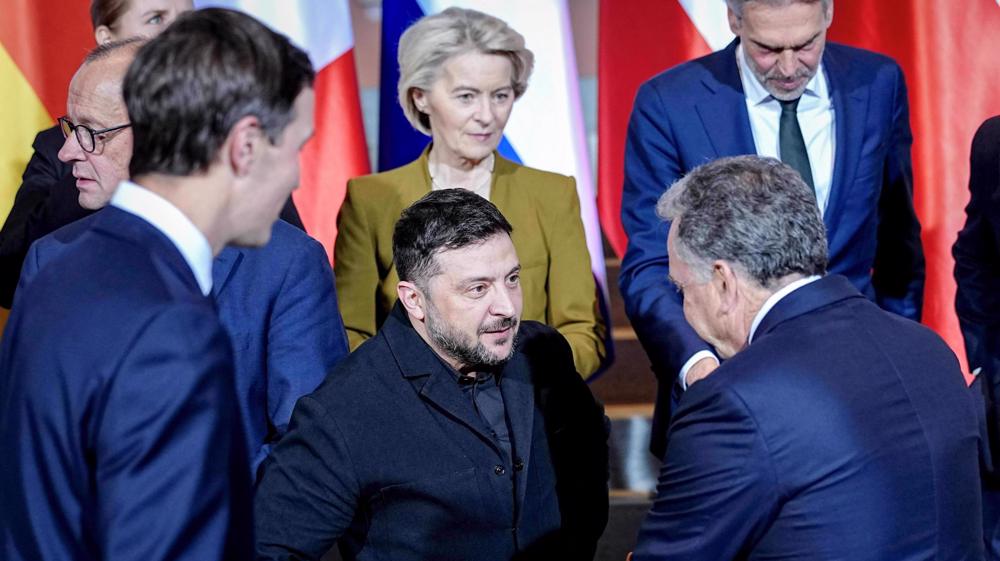
Several European governments, notably the United Kingdom, France, and Germany under Chancellor Friedrich Merz, interpret this stance as a veiled American withdrawal, or more bluntly, an American betrayal.
European leaders acknowledge that without US military support, Ukraine cannot withstand Russia. Yet they lack the means to compensate for this gap. Estimates suggest that between €500 billion and €1 trillion would be needed over the next decade to replace the American security umbrella.
At the same time, the European Union faces an energy crisis, fierce technological competition from China, and mounting tariff pressure from the United States. Efforts to forge military autonomy through agreements among Germany, France, and the United Kingdom remain insufficient.
Russian President Vladimir Putin says Russia is ready to end the war with Ukraine while emphasizing that the root causes of the conflict must be removed.
— Press TV 🔻 (@PressTV) December 19, 2025
Follow Press TV on Telegram: https://t.co/LWoNSpkJSh pic.twitter.com/ay25FvNepM
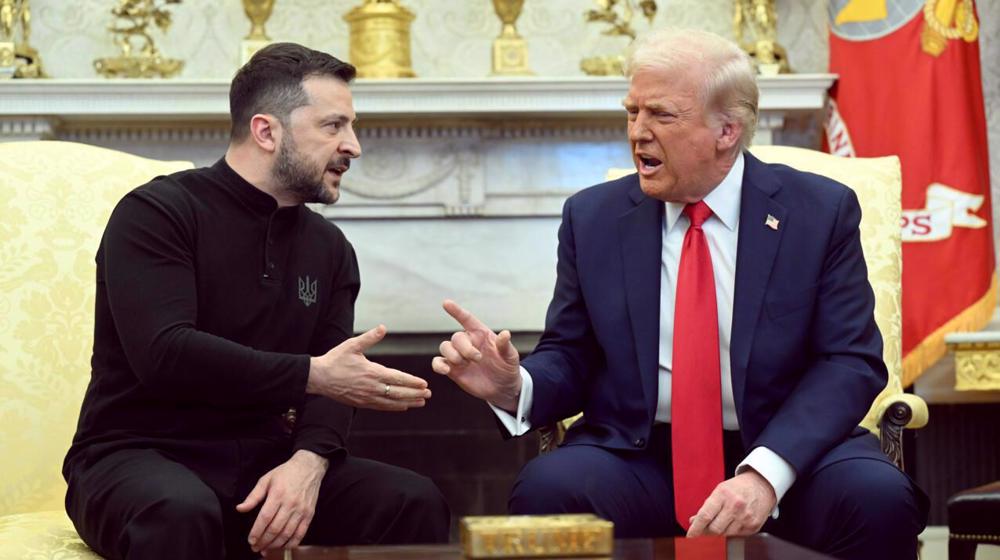
As a result, reluctant acceptance of Trump’s Ukraine plan has emerged as the final, bleak option.
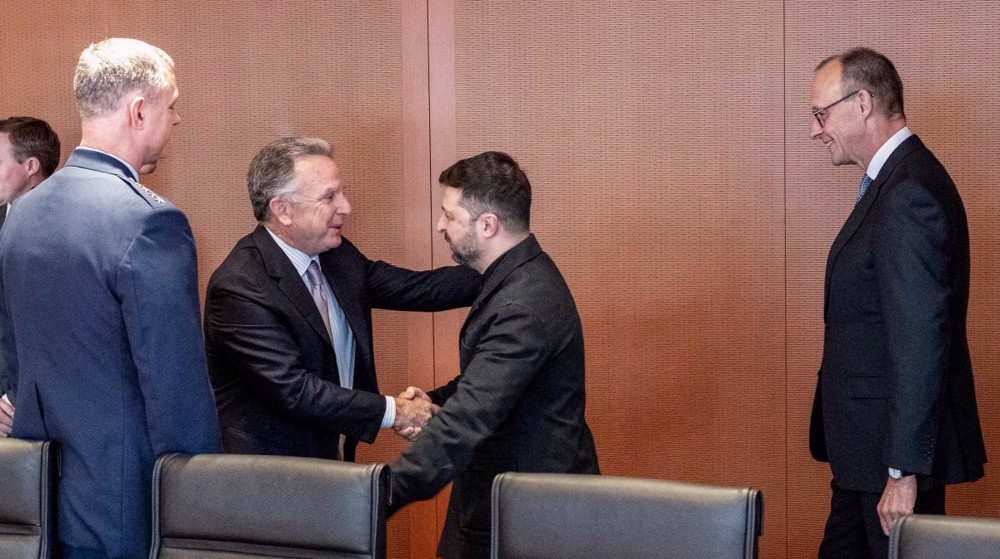
From Berlin, where Washington has been steering the “peace” initiative, Europe operates from a position of weakness. European leaders have agreed to the creation of a multinational force under their own command to reinforce security assurances to Kyiv.
However, these guarantees remain largely theoretical and dependent on US support, including American mediation over the territorial boundaries to be conceded to Russia through negotiations.
The meeting underscored that the United States intends to play a central role in supervising a ceasefire and shaping security guarantees, while refusing to commit troops, effectively signaling a humiliating retreat in the face of any POSSIBLE future Russian military escalation.
This transatlantic realignment carries severe consequences for Europe. Its capitals must now bear the risks of American unreliability, even as their societies remain hesitant and unwilling to support military engagement. Germany, France, and others have announced plans to increase defense spending, but these steps do little to reduce Europe’s deep dependence on US logistical, political, and financial support.
As Washington defines the terms of a Russia-Ukraine settlement while withholding full commitment to NATO’s collective defense, Europe faces a stark choice: pursue genuine strategic autonomy or accept a diminished security order subject to the whims of Trump – or any future US president.
A look into the aftermath of a lengthy summit in Brussels, where EU leaders were unable to agree on using frozen Russian assets to support Ukraine’s economy and military.
— Press TV 🔻 (@PressTV) December 20, 2025
Follow Press TV on Telegram: https://t.co/LWoNSpkc2J pic.twitter.com/eSVHL5Zpg5
Volodymyr Zelensky has ultimately accepted an undeniable reality: Ukraine is relinquishing its ambition to join NATO in exchange for security guarantees modeled loosely on Article 5, offered by the United States and Europe.
This concession, deemed necessary to prevent further invasion, marks a dramatic break from the geopolitical vision that has guided Kyiv since 2014. This reversal, after years of political alignment with American priorities rather than the interests of the Ukrainian people, has exacted a catastrophic human cost, with tens of thousands of innocent civilians killed.
As Ukraine falters, Europe confronts a hybrid war marked by cyberattacks, infrastructure sabotage, and Russian incursions into European airspace. European leaders are now openly debating operations in a gray zone.
Alarmist rhetoric is intensifying: Chancellor Merz, in a questionable historical analogy, has likened Putin’s strategy to that of 1938. He has even warned of potential NATO confrontations in the coming years.
Some European states are reinstating conscription, expanding defense budgets, and planning massive expenditures. Yet public opinion remains reluctant to support a military confrontation with Russia in the service of what many see as the interests of reckless actors in the White House.
Ukraine’s exclusion from NATO is neither accidental nor a calculated maneuver; it is a major strategic failure born of leadership that confused moral rhetoric with geopolitical reality. The American “peace plan” appears not as a mere adjustment, but as the final blow to Western cohesion, accelerating a decline that began decades ago.
In a world where Washington looks westward and toward Beijing, Europe hesitates, and Ukraine pays the highest price. History will record that the Atlanticist illusion – pursued to its limits by Zelensky – was shattered by the unforgiving realities of power politics.
Arwin Ghaemian holds a PhD in Iranian history from Tehran University and has lived in Arab countries for nearly two decades. His expertise includes Iran’s modern history and the socio-economic and security issues of West Asia.
(The views expressed in this article do not necessarily reflect those of Press TV.)
US clears way for F-35 sale to Saudi Arabia amid aggression against Yemen
US lawmaker slams Trump’s $5 billion weapons sale to Saudi Arabia
China rejects US ‘long-arm jurisdiction,’ says trade ties must not face third-party coercion



Iran, Pakistan FMs discuss regional developments, energy supplies
VIDEO | Black smoke, flames rise near Riyadh airport amin Yemen strikes
VIDEO | Hundreds of thousands of people in Tehran attend rally, parade dubbed 'Sacrifice for Iran'
Remembering Sabra and Shatila massacre: Why memory is the ultimate shield against erasure
Syria’s HTS declines Saudi bid for militants against Yemeni forces: Report
VIDEO | Pentagon criticized for failing to release real number of US troops casualties
Araghchi: Military intervention cannot create security; coercion cannot bring peace
VIDEO | US president using Greenland as foreign policy success


 PressTV NEWSLETTER
now
PressTV NEWSLETTER
now
 This makes it easy to access the Press TV website
