Cuba suspends airline refueling amid US economic pressure
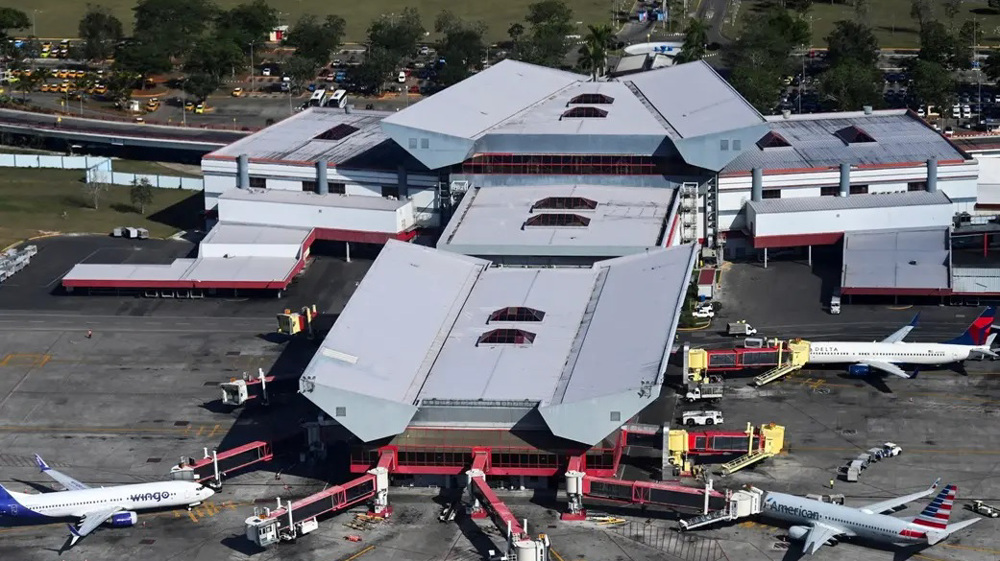
Cuba has directed international airlines to suspend refueling operations on the island for one month following US measures that have disrupted essential oil supplies, significantly worsening the nation’s energy crisis.
Cuban aviation authorities on Monday informed foreign carriers that aviation fuel would no longer be available at the country’s airports.
The suspension, effective from midnight Monday, applies to both regional and long-haul flights, an official at a European airline stated on condition of anonymity.
Consequently, airlines are now required to make technical refueling stops abroad, resulting in operational delays and increased costs.
Air France confirmed that its aircraft would refuel elsewhere in the Caribbean, while other carriers are expected to rely on airports such as Cancun, Punta Cana, or Nassau.
Nearly 400 scheduled weekly flights are affected, placing additional strain on international air services to and from the island.
The crisis stems from a pronounced escalation in US measures against Cuba. Washington halted oil shipments from Venezuela following a military operation that resulted in the kidnapping of Venezuelan President Nicolas Maduro in early January.
Subsequently, US President Donald Trump issued an executive order imposing the threat of tariffs on nations that continue supplying oil to Cuba.
Mexico, which has supplied oil to Cuba since 2023, has also come under US pressure. Trump stated that Mexico would cease shipments under the threat of tariffs, further constraining Cuba’s access to energy.
The impact has been acute, as Cuba produces only approximately one-third of its fuel requirements and relies heavily on imports to maintain electricity generation, transportation, and aviation services.
In response, the Cuban government implemented emergency measures to mitigate the crisis. These include a four-day work week for state-owned enterprises, restrictions on fuel sales, reductions in interprovincial bus and rail services, and temporary closures of certain tourist facilities.
School days have been shortened, and universities have eased in-person attendance requirements to alleviate energy consumption.
The fuel shortage has heightened the risk of widespread power outages, with electricity plants struggling to sustain supply.
Cuban officials have stated that the current US strategy seeks to “strangle” the island’s economy, worsening fuel shortages and power cuts that had already become more frequent in recent years.
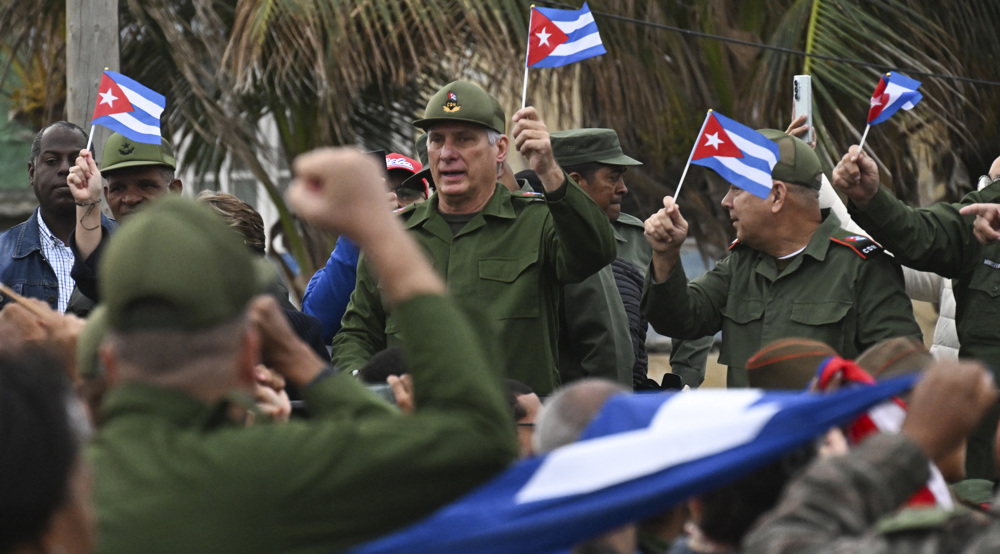
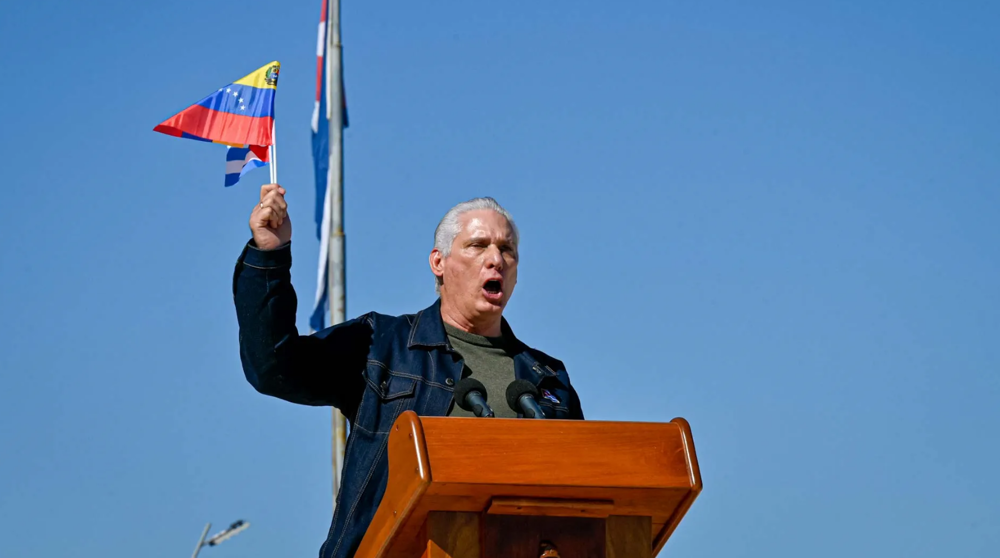
President Miguel Díaz-Canel has affirmed that Cuba remains open to dialogue with the US, but only under conditions free from external pressure.
US lawmaker admits American people footing bill for Trump’s failed aggression against Iran
US visa ban on Iranian president’s media team is bid to hide the truth: FM spokesman
Trump administration prepares wide-ranging sanctions on ICC: Reports



VIDEO | Ayatollah Khamenei and eight years of imposed war
Trump can’t impose his power on Iran; we withstand whatever warfare: Parliament speaker
VIDEO | Israeli attacks escalate in Lebanon as US-brokered deal yields only concessions: Press TV reporter
Eleven injured as gunman opens fire near high school in western Turkey
China condemns US extortion of Iranian airlines, rejects Washington’s ‘illegal’ sanctions threats
VIDEO | Strikes hit areas in south Lebanon where Israeli regime claims to control
Sirens, explosions sound in Saudi Arabia’s Najran along border with Yemen
Shahed-238: Iran’s jet-powered drone redefines low-cost threat, challenges modern air defenses



 PressTV NEWSLETTER
now
PressTV NEWSLETTER
now
 This makes it easy to access the Press TV website
