Explainer: What is America's ‘hidden homelessness’ crisis overlooked by government
By Ali Ziraatpishe
In early 2024, a US federal count listed 771,480 people as homeless on a single night across the country – the highest number ever recorded – yet it included only those officials were able to locate.
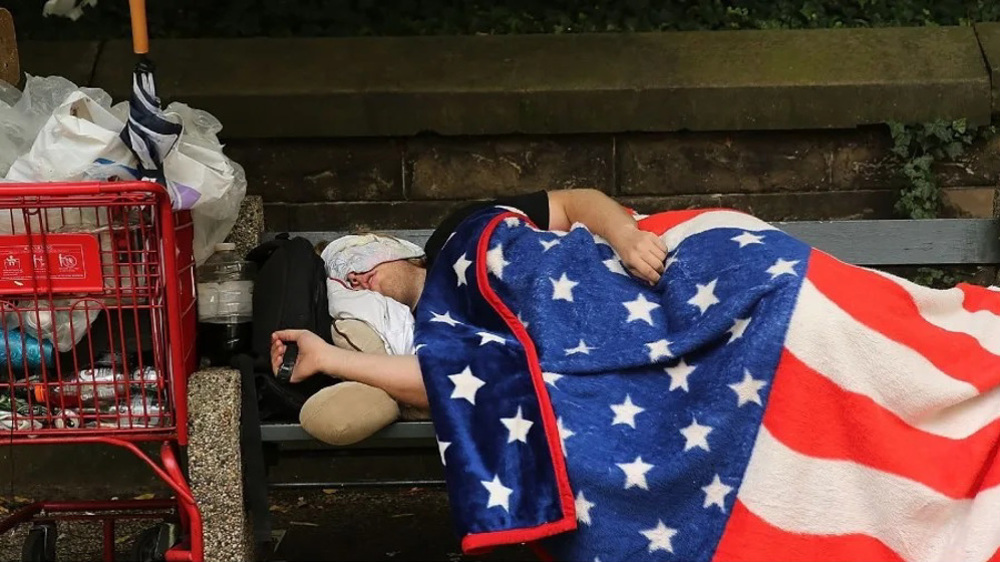
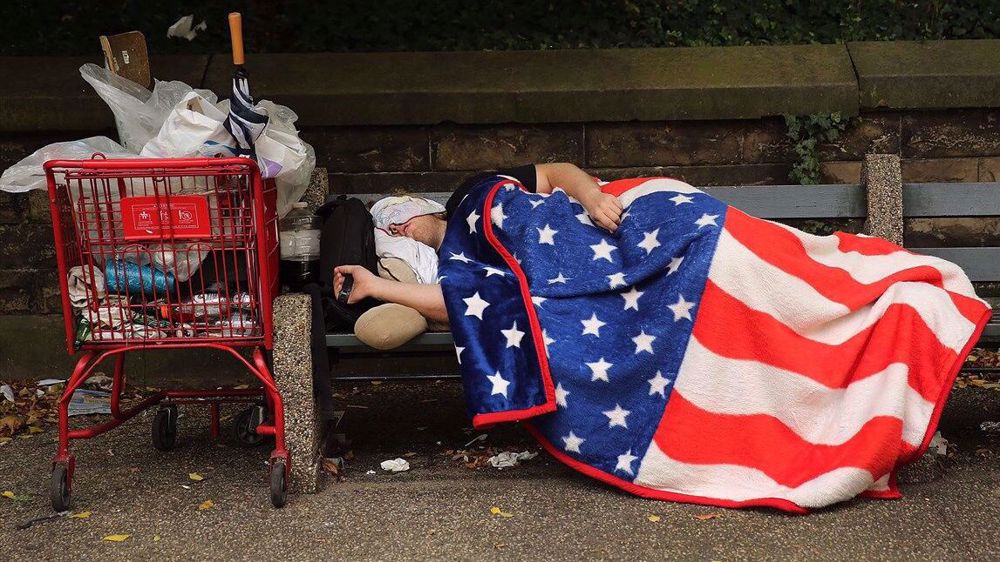
It excluded millions who live in unstable arrangements such as cars, crowded rooms, weekly motels, or short-term stays with friends or relatives. These individuals form a much larger group that remains unrecorded – a phenomenon that has come to be known as “hidden homelessness” in the US – largely ignored and under-reported.
Young people are especially affected by it. Each year, an estimated 4.2 million minors and young adults experience some form of homelessness, but most never enter shelters or meet outreach workers. Families forced into doubled-up homes, seniors living in cars or buses, and workers renting unsafe or unofficial spaces almost never appear in government data.
The size of this uncounted population shows that the real crisis is not the homelessness that is measured, but the homelessness that is ignored by the relevant authorities.
The visible homeless population represents only a small share of a much wider emergency. Hidden homelessness is the silent majority of the housing crisis, affecting people who remain unseen in records yet face severe hardship every day.
What are the causes of hidden homelessness?
The main cause of hidden homelessness is the widening gap between wages and housing costs.
Nearly half of all renter households in the country now spend more than 30 percent of their income on rent. Millions pay more than half of what they earn just to stay housed. When so much income goes toward shelter, even a small expense, a medical bill, a car repair, or a missed shift, can push people into temporary and unsafe living arrangements.
Rents have risen sharply in most cities during the past decade, while wages have not kept pace. Researchers have shown a clear pattern: as rents rise, homelessness rises with them.
The supply of low-cost housing has nearly collapsed. Many older and cheaper units have been demolished, restricted by zoning rules, or converted into more profitable properties. This has caused the loss of what used to be the country’s basic source of affordable housing.
The shortage is most severe for extremely low-income renters. National studies show there are only about 35 affordable and available homes for every 100 households in this group.
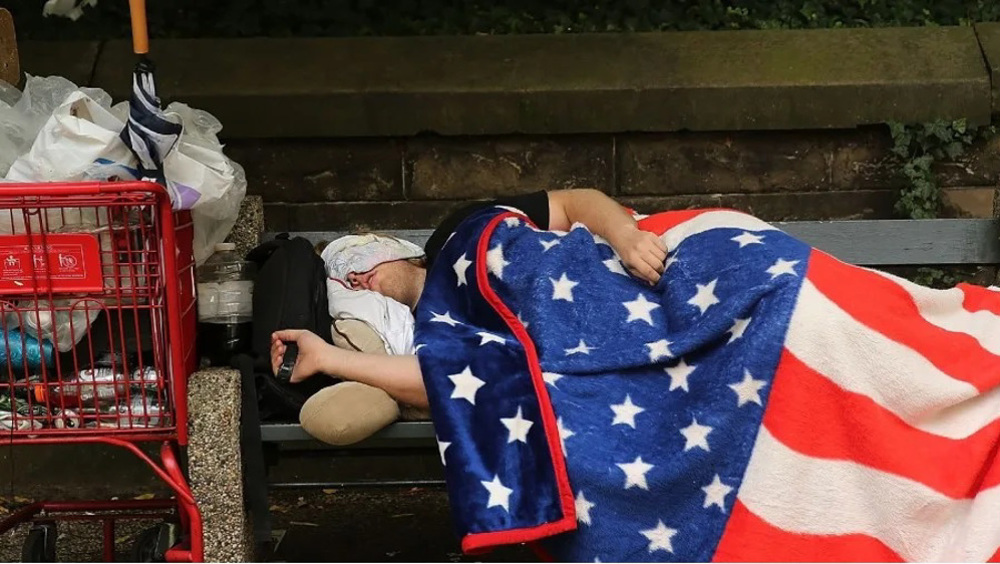
With so few options, people move in with relatives, rotate between friends’ homes, stay in motels, or sleep in cars outside their workplaces. These situations are unstable and are rarely counted as homelessness.
Stagnant wages deepen the crisis. Many full-time workers still earn far less than what is required to rent even the cheapest available unit.
In no region can a minimum-wage worker afford a modest one-bedroom apartment without paying far beyond recommended limits. Rental assistance reaches only a small fraction of those who qualify, leaving the majority without help.
Hidden homelessness does not arise from personal failure. It is the result of structural conditions, high rents, low wages, disappearing affordable housing, and inadequate support that force millions into unsafe and temporary living situations.
What is the role of government in this crisis?
Government programs are meant to reduce homelessness, yet they reach only a small part of the population in need. In 2023, federal records showed that about 2.3 million households received rental assistance, while more than 7 million extremely low-income households received nothing. Even for those who qualify, help is often out of reach. In many cities, families wait five to ten years for a housing voucher.
Public housing has sharply declined. Since the 1990s, the number of federal public housing units has fallen by nearly 1.5 million. A large share of the remaining units require serious repairs and cannot house new tenants.
Shelters are also stretched beyond capacity. Many urban shelters operate at full or over capacity throughout the year, leaving people to seek informal and unsafe places to stay.
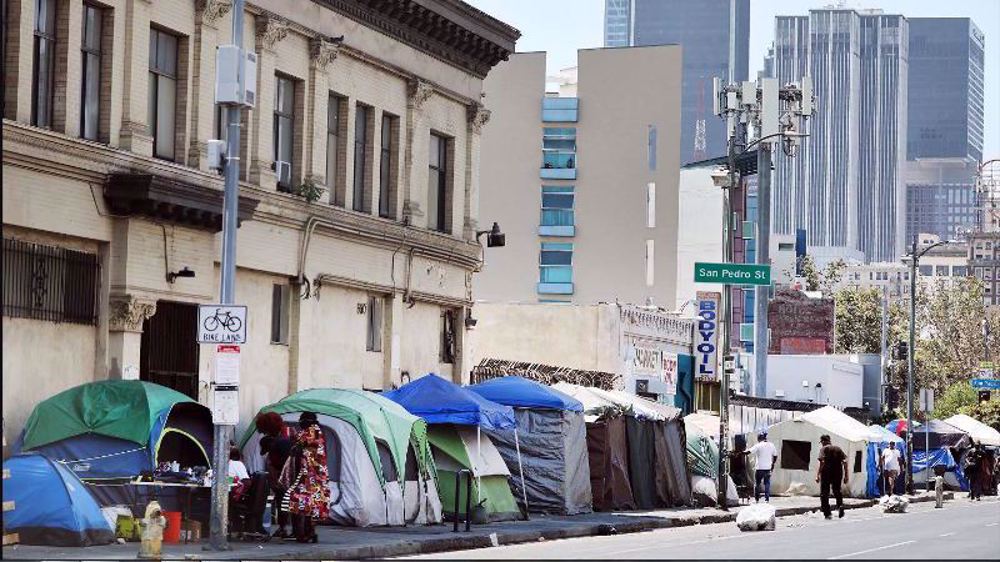
State and local policies often criminalize basic survival. At least 20 states enforce laws that restrict sleeping in vehicles, resting in public spaces, or camping in certain areas. These measures do not reduce homelessness. Instead, they push people into hidden spaces, cars, motels, or overcrowded homes, where they are less visible and more vulnerable.
Federal housing policy relies heavily on private developers to produce affordable units. However, developers build fewer than 100,000 such units each year, far below the estimated 500,000 needed to meet national demand.
Overall, the government response is underfunded and misaligned with the scale of the crisis. Many programs exist in name but fail to reach those living in hidden homelessness. As a result, millions remain in unstable, unsafe conditions with no reliable path to secure housing.
How does the government distort numbers?
Official homelessness numbers show only a small part of the problem. In the 2024 Point-in-Time count, 771,480 people were recorded as homeless.
Experts warn that this misses millions. Surveys suggest that about 7.2 million Americans live in unstable or doubled-up situations that do not meet the federal definition of homelessness. Among them, 2.5 million are children under 18, moving between relatives or sleeping in cars.
Government rules narrow the definition further. A person is considered homeless only if they do not have a fixed, regular, and adequate nighttime residence.
People in overcrowded apartments, motels, or temporary stays with friends are invisible in the official data. For example, a 2023 survey found that over 500,000 adults aged 50 and older lived in cars or RVs but were not counted in any government statistics.
Local reporting can worsen the picture. Some cities underreport to gain federal funding or appear to make progress. In certain metropolitan areas, 30 percent to 40 percent of shelter guests are left out of official counts because of administrative rules or incomplete surveys.
Youth homelessness is heavily undercounted. Federal data reports about 62,000 unaccompanied homeless youth, but studies suggest nearly 1.5 million teenagers face hidden homelessness each year, staying with friends or in unsafe spaces.
The result is a large gap between perception and reality. Government figures make homelessness seem smaller and manageable, while millions remain uncounted, living in hidden, unsafe, and unstable conditions. Their struggles remain largely invisible to policymakers and the public.
What is the impact of the crisis on the US society?
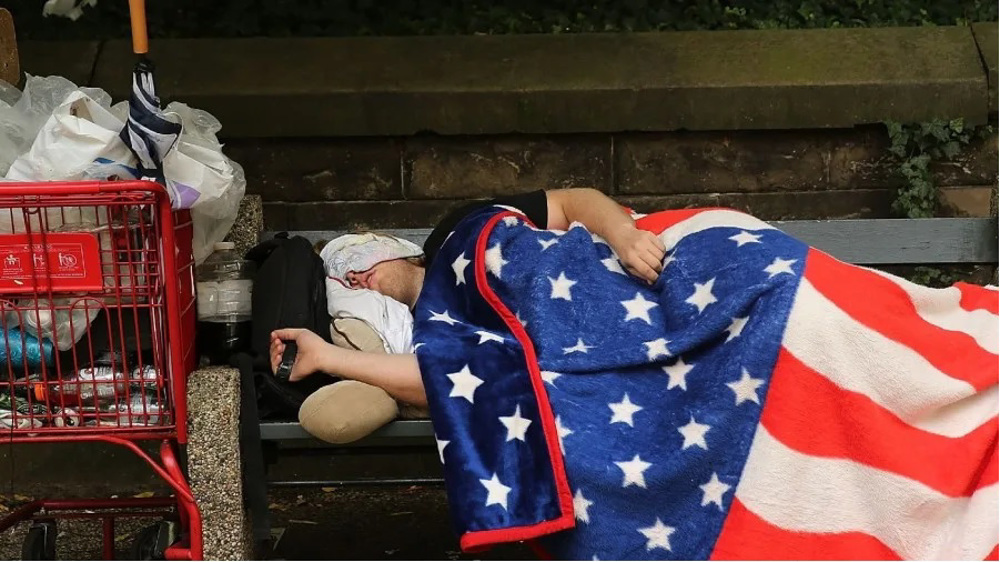
Hidden homelessness has severe effects on those who live through it. Over 1.3 million adults survive in vehicles or abandoned buildings, often without basic sanitation, clean water, or reliable food. Families are especially affected.
Nearly 2 million children experience unstable housing each year. Studies show that these children are twice as likely to have long-term health problems and three times more likely to face developmental delays compared to children in stable homes.
Mental health suffers as well. About 45 percent of hidden homeless adults report symptoms of depression, anxiety, or post-traumatic stress, far higher than the general population. Many use alcohol or drugs to cope with the stress of instability.
Work and income are also disrupted. Many adults work irregular or low-wage jobs. Nearly 30 percent of people in doubled-up households report job loss or interruptions because they cannot maintain a stable home.
Access to healthcare is limited. One federal report found that one in four hidden homeless adults delay or avoid medical treatment because they have no permanent address.
Social isolation is common. People living in cars, motels, or moving between homes face stigma, legal threats, and exclusion from community services. Vulnerable groups, such as youth, seniors, and survivors of domestic violence, face even greater risks.
The reality is clear: millions of Americans live daily under unsafe, unstable conditions. Hidden homelessness threatens physical safety, mental health, and future opportunity. These struggles remain largely invisible in official records, leaving the most vulnerable to endure hardship in silence.
US man standing trial for shooting three Palestinian students says CIA, Mossad instructed him

‘I support Israel’: Comedian’s opening line prompts audience walkout
When motherhood loses its meaning: Lindsay Clancy case and the moral decay of American society



Iran, Pakistan FMs discuss regional developments, energy supplies
VIDEO | Black smoke, flames rise near Riyadh airport amin Yemen strikes
VIDEO | Hundreds of thousands of people in Tehran attend rally, parade dubbed 'Sacrifice for Iran'
Remembering Sabra and Shatila massacre: Why memory is the ultimate shield against erasure
Syria’s HTS declines Saudi bid for militants against Yemeni forces: Report
VIDEO | Pentagon criticized for failing to release real number of US troops casualties
Araghchi: Military intervention cannot create security; coercion cannot bring peace
VIDEO | US president using Greenland as foreign policy success


 PressTV NEWSLETTER
now
PressTV NEWSLETTER
now
 This makes it easy to access the Press TV website
