Iran steps into Eurasian logistics shift with North-South pact
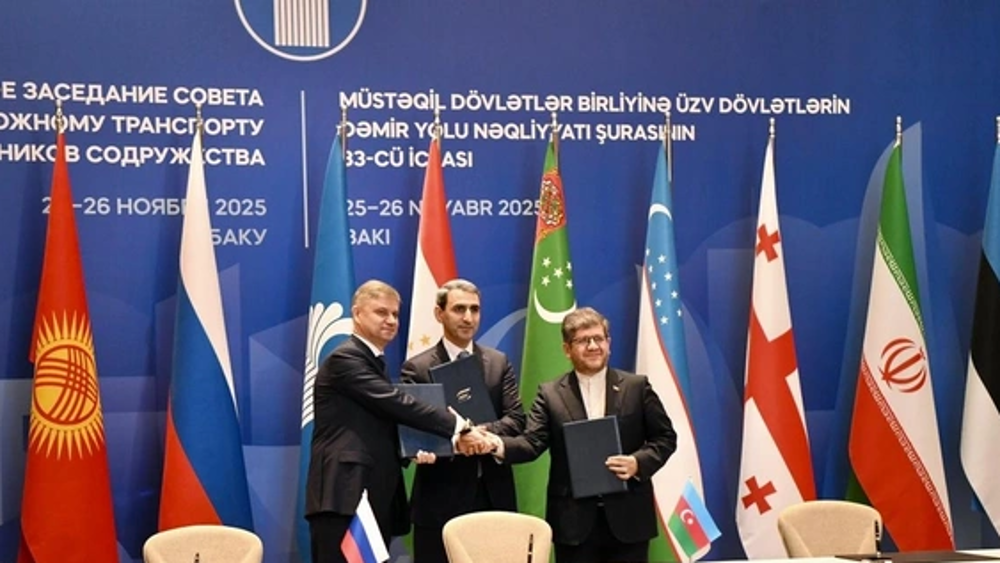
Railway authorities from Iran, Azerbaijan, and Russia signed a memorandum of understanding on Friday to enhance long-term cooperation on the North-South International Transport Corridor.
The agreement was signed on the sidelines of the 83rd Commonwealth of Independent States (CIS) Transport Council meeting in Baku, which brought together senior railway officials and delegations from 15 member states.
It is about the transformative potential of the International North–South Transport Corridor for Iran’s economy.
Stretching over 6,000 kilometers from India’s Mumbai port to Russia’s St. Petersburg via Iran and Azerbaijan, the corridor offers a direct, multimodal connection between the Persian Gulf, the Caspian Sea, and Eurasian markets.
By shortening transit distances and cutting shipping times by up to 40 percent compared with traditional routes through the Suez Canal, it allows goods to move faster and at lower cost, boosting Iran’s competitiveness as a transit hub.
Indian industrial goods can reach Central Asia more efficiently via Iran, while Iranian agricultural and manufactured exports gain faster access to markets in Russia, Central Asia, and Europe.
The corridor has triggered significant investment in infrastructure. Ports such as Chabahar are being expanded and modernized, while rail and road networks linking the north and south of Iran are being upgraded to handle higher volumes and reduce travel times.
These improvements extend beyond physical construction. Integrated transport management systems, digital tracking of cargo, and upgraded customs procedures are streamlining logistics operations, reducing bottlenecks, and enhancing predictability for traders.
Industrial zones and logistics hubs are emerging around these transport arteries, attracting domestic and foreign investment and concentrating economic activity in ways that increase both efficiency and output.
Employment gains are tangible and widespread. Construction of ports, warehouses, and rail lines directly engages tens of thousands of workers, while operational activities in logistics, cargo handling, and port management create stable, long-term positions.
Beyond immediate jobs, the corridor encourages the development of specialized skills in logistics, supply chain management, and industrial operations, fostering human capital that can sustain productivity improvements across multiple sectors.
Ancillary industries such as packaging, storage, and transport equipment manufacturing expand alongside these developments, multiplying employment effects in regional economies.
Industrial output benefits from reduced transport times and costs. Manufacturing sectors, including petrochemicals, automotive, and machinery, can source raw materials more efficiently and distribute products across Eurasia with greater speed and reliability.
Agricultural exports, particularly perishable goods, reach distant markets in optimal condition, supporting higher revenues for farmers and agribusinesses.
The corridor’s connectivity links underdeveloped provinces to industrial hubs and ports, encouraging more balanced regional development and increasing local incomes.
Energy transit also stands to gain. Iran’s oil and gas resources can be transported more efficiently to regional and global markets, integrating pipeline, rail, and road networks to reduce logistical costs.
This enhances Iran’s share of regional energy transit and positions the country as a hub for Eurasian energy flows. Revenues from transit fees, customs duties, and port charges are likely to grow alongside trade volumes, providing fiscal resources for further investment in infrastructure and services.
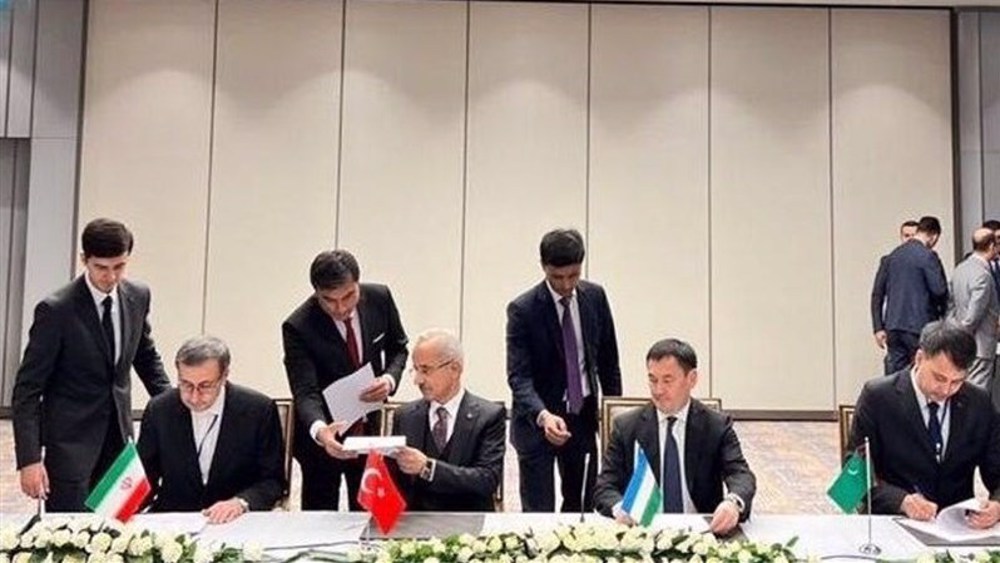
The corridor’s structure encourages foreign investment in logistics, industrial parks, and transport infrastructure. India, Russia, and Central Asian partners are financing corridor-linked projects, while domestic banks support enterprises that leverage the network for trade and manufacturing.
The clustering of activity around ports and transport hubs stimulates private-sector growth, creating a cycle of reinvestment that magnifies the economic impact.
Iran’s role as a regional trade node is reinforced through the corridor. By connecting multiple countries across South Asia, Central Asia, and Europe, the corridor channels multinational trade flows through Iranian territory.
Increased connectivity facilitates cross-border commerce, harmonizes standards, and simplifies regulatory procedures, reducing friction and encouraging trade integration.
The presence of efficient, predictable routes makes Iran a preferred transit route, attracting additional cargo and commercial activity.
The corridor reshapes industrial and urban landscapes along its path. Cities with transport hubs are experiencing commercial expansion, including retail, service, and logistics-related industries, generating higher incomes and stimulating local economies.
The clustering of industrial parks, logistics centers, and transport infrastructure creates concentrated zones of activity that increase productivity, draw skilled labor, and encourage complementary investment.
These developments promote sustained economic growth in previously underdeveloped regions and contribute to a more even distribution of economic activity across the country.
Iran’s integration into Eurasian supply chains is strengthened by the corridor. Faster, more reliable transit reduces the risks and costs of cross-border trade, allowing domestic industries to expand production and enter new markets.
Exporters of industrial goods and agricultural products gain access to a wider range of markets, while importers benefit from reduced transit delays.
The multiplier effect of increased trade volumes, investment, and employment reinforces Iran’s economic resilience, enhancing both fiscal and commercial stability.
The corridor’s effects extend to industrial diversification. Non-oil exports become more viable as logistics improvements lower costs and transit times for manufactured goods and processed agricultural products.
Petrochemical derivatives, steel, cement, and horticultural exports can reach Eurasian markets more quickly, supporting higher margins and encouraging investment in production capacity.
Over time, these flows reduce dependence on crude oil revenues and contribute to more balanced and sustainable economic growth.
Financially, the corridor strengthens revenue streams. Transit fees, customs duties, port charges, and associated taxes increase as trade volumes expand, creating funds that can be reinvested in infrastructure, human capital, and services.
Energy transit, industrial exports, and logistics operations together enhance Iran’s fiscal position, enabling further economic development.
By leveraging geographic advantages, integrating modern infrastructure, and participating in regional trade networks, Iran is positioned to capture sustained economic value from the corridor, embedding long-term structural benefits into its economy.
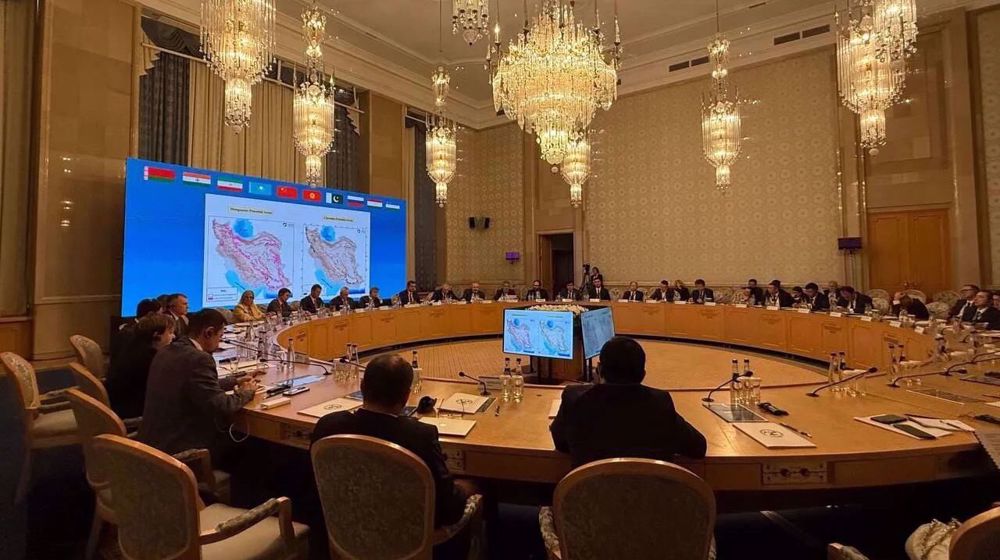
Iran finds new platform in SCO to develop its rare-earth potential
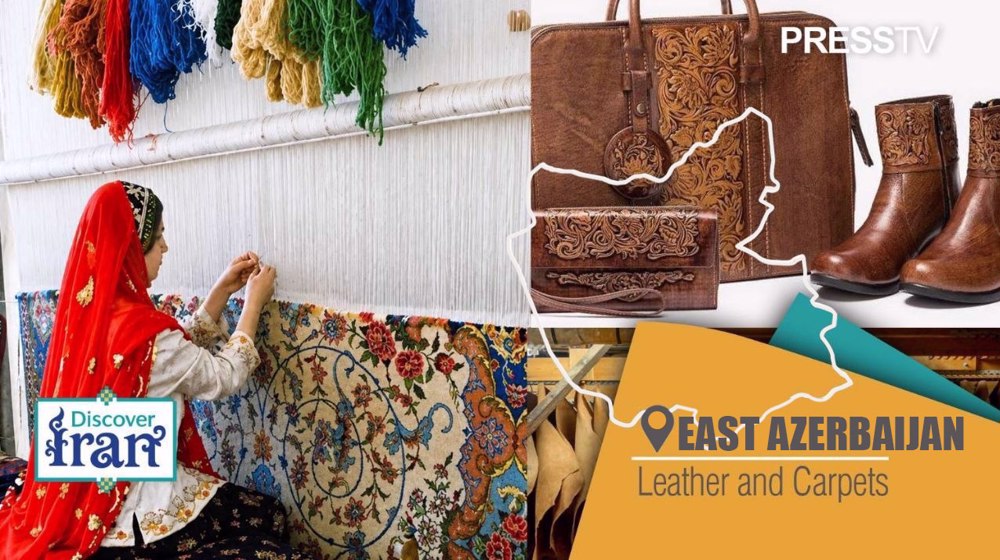
Discover Iran: Tabriz’s centuries-old trading culture drives carpets, leather, industry and exports
Iran’s hidden aquaculture revolution over four decades



BRICS paving way for alternative world order, not a war machine against West: Analyst
Iran, Pakistan FMs discuss regional developments, energy supplies
VIDEO | Black smoke, flames rise near Riyadh airport amid Yemen strikes
VIDEO | Hundreds of thousands of people in Tehran attend rally, parade dubbed 'Sacrifice for Iran'
Remembering Sabra and Shatila massacre: Why memory is the ultimate shield against erasure
Syria’s HTS declines Saudi bid for militants against Yemeni forces: Report
VIDEO | Pentagon criticized for failing to release real number of US troops casualties
Araghchi: Military intervention cannot create security; coercion cannot bring peace


 PressTV NEWSLETTER
now
PressTV NEWSLETTER
now
 This makes it easy to access the Press TV website
