Explainer: What $25bn Iran-Russia deal means for their strategic nuclear cooperation
By Ivan Kesic
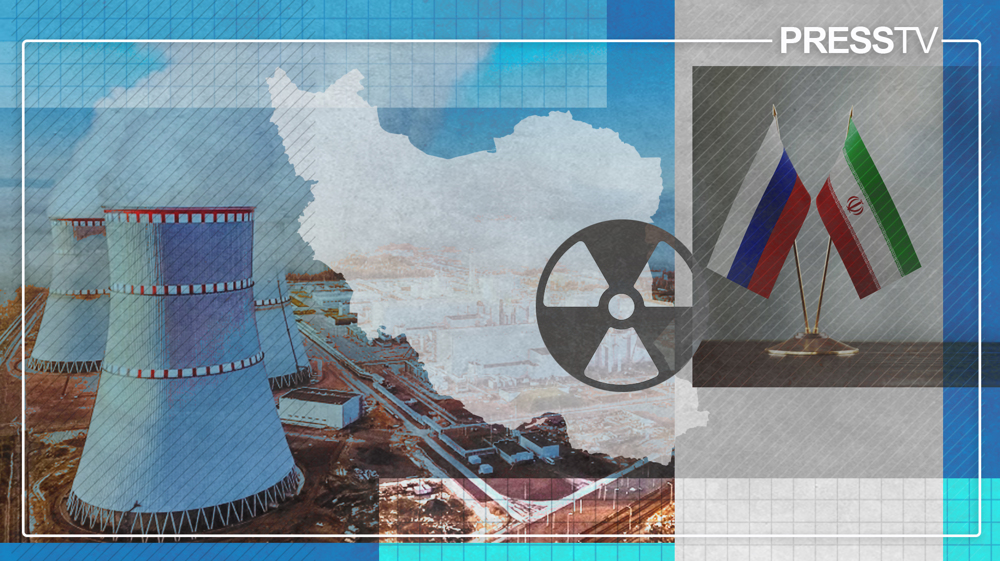
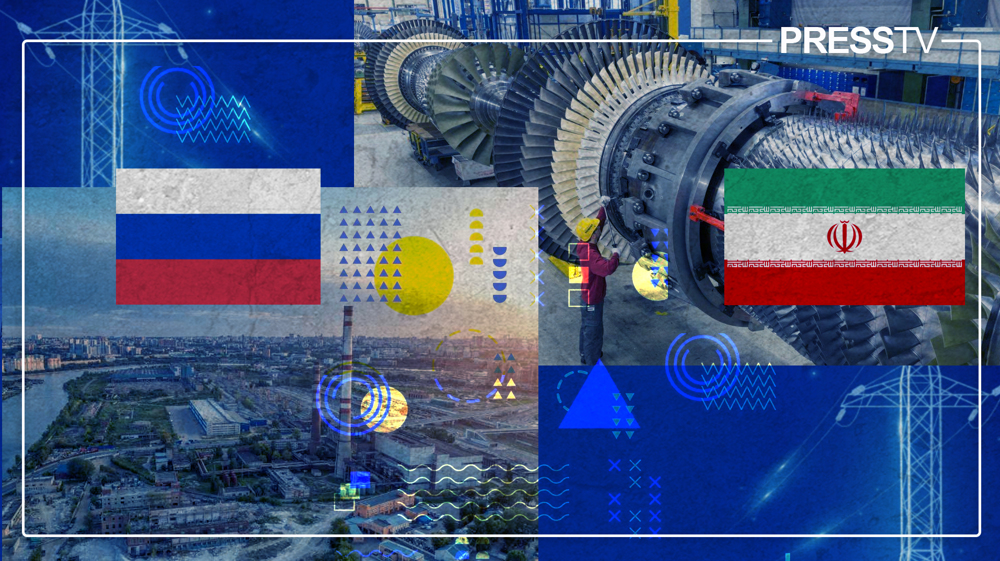
A landmark $25 billion agreement signed on Friday in Moscow marks a significant acceleration in the strategic partnership between Iran and Russia, setting the stage for the construction of four advanced nuclear power units in southern Iran.
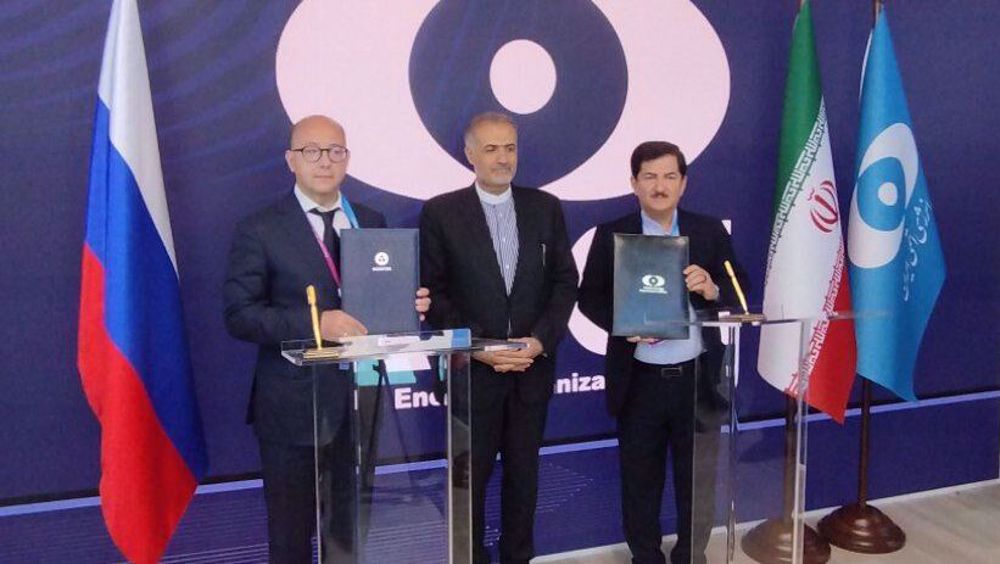
The executive agreement, inked between Iran Hormoz Company and Russia’s Rosatom Project Company, formalizes plans to build four third-generation nuclear power plant units in the coastal town of Sirik, located in the Hormozgan province.
Signed by Nasser Mansour Shariflou, representing Iran's Atomic Energy Organization, and Dmitry Shiganov of Rosatom, the deal was finalized in the presence of Iran's ambassador to Russia, Kazem Jalali, underscoring the high-level diplomatic importance both countries attach to this venture.
This mega-project, to be situated on a 500-hectare plot in the Kuhestak district, is designed with a total capacity of 5,020 megawatts, a substantial contribution to Iran's national energy grid.
The signing ceremony emphasized that the agreement stems from an intergovernmental pact to deepen cooperation in the peaceful use of nuclear energy, with site selection and preliminary engineering studies already completed.
The deal represents a tangible step in a long-standing collaboration, reflecting shared commitment to energy development and technological progress that has spanned decades of geopolitical challenges.
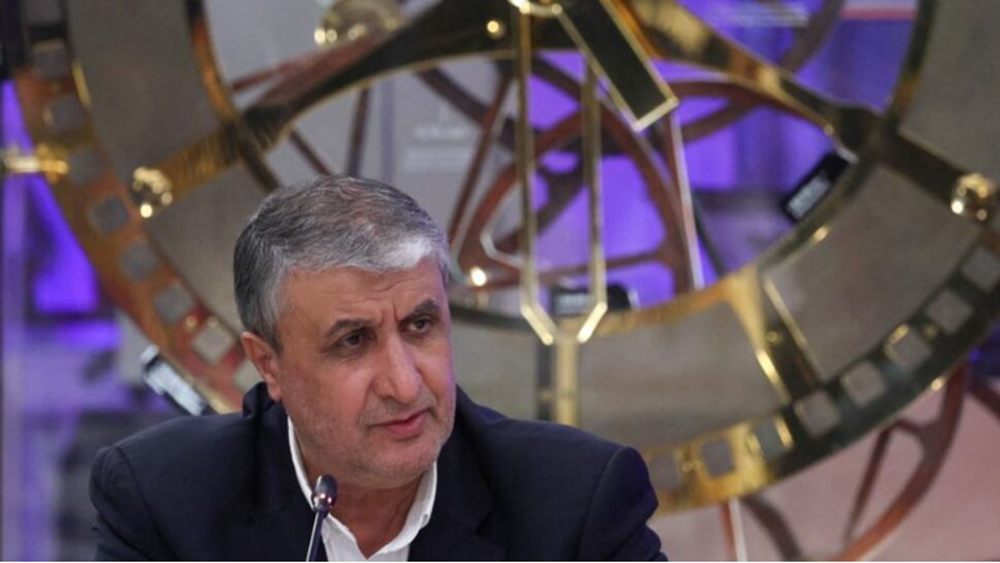
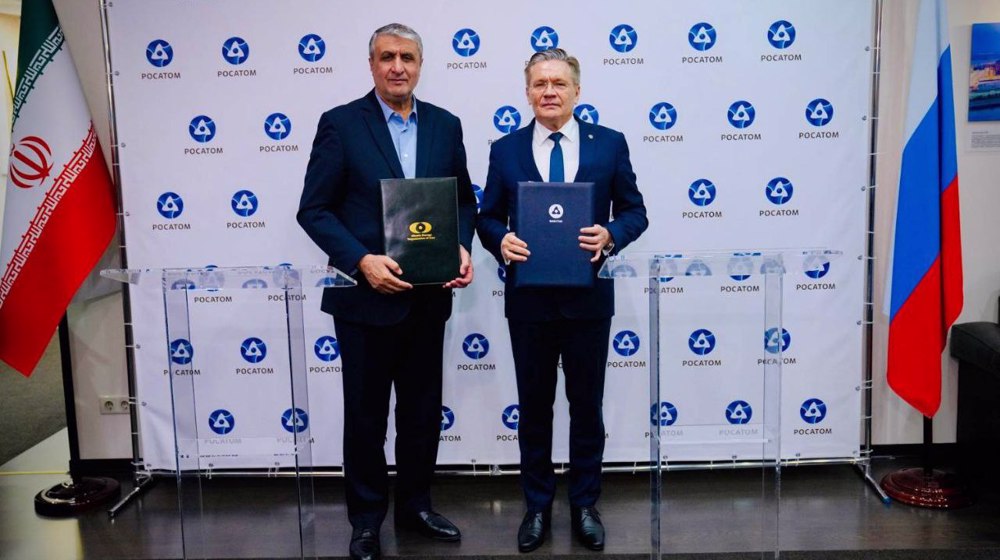
It follows a meeting earlier in the week between Atomic Energy Organization of Iran (AEOI) head Mohammad Eslami and Rosatom CEO Alexey Likhachev, during which both officials stressed the strategic nature of their nuclear energy partnership.
Eslami noted that the project is a priority for the leadership of both countries, with presidential support accelerating its progress
Iran and Russia signed a $25 billion deal to construct four nuclear power plants in Iran’s Hormozgan province, marking a significant step in their nuclear energy collaboration.
— Press TV 🔻 (@PressTV) September 26, 2025
Follow Press TV on Telegram: https://t.co/LWoNSpkJSh pic.twitter.com/b8xAnAbaYK
This new chapter builds on a broader framework envisioning Russia constructing a total of eight nuclear power plants in Iran, including the ongoing expansion at the existing Bushehr site.
The collaboration extends beyond large-scale plants, as seen in the recent memorandum of understanding on constructing small modular reactors (SMRs) in Iran.
These initiatives are integral to Iran’s ambitious 20-year plan to generate 20,000 megawatts of electricity via nuclear power, aligning with the nation’s goals for energy diversification and sustainable development.
The partnership illustrates a mature, evolving relationship, moving from foreign-assisted projects toward a collaborative model of technological exchange and infrastructure development.
Why is Bushehr plant the bedrock of Iran-Russia cooperation?
The modern chapter of Iranian-Russian nuclear cooperation traces its roots to the completion of the Bushehr nuclear power plant, a project with a history spanning nearly half a century.
Initial construction of Iran's first nuclear power plant began in 1975 under a contract with Germany, but was abruptly halted following the 1979 Islamic Revolution.
For years, the half-finished structures stood as a symbol of disrupted international partnerships and technological isolation, as Western nations withdrew from nuclear engagements with Iran under political pressure.
Russia eventually stepped in to complete the project, culminating in the successful launch of the Bushehr-1 unit, which has since operated reliably, met all international standards, and provided 1,000 megawatts of power to Iran’s national grid.
The remarkable success of Bushehr-1 demonstrated the viability and resilience of the Russian-Iranian partnership, establishing a foundation of trust and technical competence.
Cooperation at the Bushehr site continues to expand, with construction now underway on the plant's second and third units. These additions will significantly increase Bushehr’s capacity, contributing to the broader goal of nuclear energy expansion.
The long-term partnership, as AEOI spokesperson Behrouz Kamalvandi highlighted during the World Atom Week 2025 exhibition in Moscow, extends beyond Bushehr to include agreements for the construction of additional power plants.
Kamalvandi praised the existing Russian collaboration, noting that Bushehr fully meets international standards and serves as a successful model for future projects.
This enduring partnership at Bushehr has evolved from a single project of completion into a multi-generational program of development, demonstrating that sustained technological collaboration can overcome initial setbacks and deliver critical energy infrastructure.
Head of Iran's Atomic Energy Organization meets with the CEO of Russia’s Rosatom where they signed an memorandum of understanding to cooperate on the construction of Small Modular Reactors (SMRs) in Iran.
— Press TV 🔻 (@PressTV) September 24, 2025
Follow Press TV on Telegram: https://t.co/LWoNSpkJSh pic.twitter.com/9b2IBgq5Xb
What is Iran-Hormoz Power Plant and its strategic importance?
While international cooperation with Russia progresses, Iran has also advanced its ambitious domestic nuclear initiative: the Iran-Hormoz power plant.
Construction of the facility began in February 2024 near Bandar Sirik in Hormozgan province, inaugurated by then-president Ebrahim Raeisi via video conference.
Described by AEOI head Mohammad Eslami as a “super project,” Iran-Hormoz is designed to surpass the Bushehr plant in scale, with four units each generating 1,250 megawatts for a total capacity of 5,000 megawatts.
With an estimated investment of $15-20 billion, the project forms a cornerstone of Iran’s plan to achieve 20,000 megawatts of nuclear generation capacity by 2041.
Notably, the Iran-Hormoz plant is being built independently by Iranian engineers, demonstrating the nation’s growing self-reliance in nuclear technology.
Its southern coastal location is strategically important, meeting the energy needs of a developing region while utilizing seawater for cooling.
The Makran coastal region, historically overlooked, has been prioritized for development with substantial government investment in infrastructure to address challenges like water scarcity.
Large-scale dams, desalination plants, and a major national water transfer megaproject have been implemented to ensure a sustainable water supply for both communities and industry.
The addition of a massive nuclear plant in this area will provide a stable and substantial electricity source, supporting further economic growth and regional development.
The Iran-Hormoz project also demonstrates significant cost efficiency: construction estimates are two to three times lower than comparable plants built by leading international manufacturers, underscoring Iran’s mastery of complex nuclear engineering.
In his meeting with Russia’s energy minister, President Pezeshkian said Iran-Russia cooperation will prove the era of unilateralism is over and that both nations can advance without reliance on unilateral powers.
— Press TV 🔻 (@PressTV) September 18, 2025
Follow: https://t.co/B3zXG73Jym pic.twitter.com/xHglBp2hd1
How does Iran intend to have nuclear self-reliance?
The new $25 billion agreement for four nuclear units in Sirik is separate from the domestically built Iran-Hormoz plant, representing the next phase of direct Russian-Iranian collaboration under a broader intergovernmental framework for eight reactors.
Together, the Bushehr and Hormozgan projects alone will provide 8,000 megawatts of capacity, a major stride toward Iran’s 20,000-megawatt nuclear energy target.
The partnership now spans a diverse portfolio, from completing the Bushehr complex to the new Sirik units and ongoing discussions on small modular reactors, reflecting a long-term strategy that blends international cooperation with indigenous capability.
Iran’s presence at the World Atom Week 2025 exhibition in Moscow further underscores its objective to be recognized not merely as a technology recipient but as an emerging player in the global nuclear industry, showcasing domestic achievements and engaging with international peers.
This progress contrasts sharply with the pre-Islamic Revolution era, when plans for nearly 20 nuclear plants left the country almost entirely dependent on foreign technology. The shift from dependence to self-reliance and strategic partnership has been a hallmark of the post-1979 period.
Today, Iran not only operates nuclear power plants and constructs new ones but also maintains a fully domestic nuclear fuel cycle, mines and enriches uranium with advanced centrifuges, and builds research reactors, including the recently inaugurated 10-MW facility in the city of Isfahan.
The ongoing collaboration with Russia, now reinforced by the $25 billion Sirik agreement, provides a stable platform for technological exchange and capacity building, according to experts.
These parallel paths of international collaboration and domestic development are driving Iran toward its ambitious energy goals, ensuring a diversified, sustainable power supply while reinforcing its status as a technologically advanced nation.
15 nations reject attacks, threats against safeguarded nuclear facilities
Iran calls for ‘zero-tolerance’ policy on attacks against nuclear facilities at IAEA
Iran says attacks cannot destroy nuclear science, vows not to surrender to ‘bullies’



Trump can’t impose his power on Iran; we withstand whatever warfare: Parliament speaker
Israeli aggression escalates in south Lebanon as US-brokered deal yields only concessions
Eleven injured as gunman opens fire near high school in western Turkey
China condemns US extortion of Iranian airlines, rejects Washington’s ‘illegal’ sanctions threats
VIDEO | Strikes hit areas in south Lebanon where Israeli regime claims to control
Sirens, explosions sound in Saudi Arabia’s Najran along border with Yemen
Shahed-238: Iran’s jet-powered drone redefines low-cost threat, challenges modern air defenses
Discover Iran: Tabriz’s Armenian heritage of churches, commerce and art woven into social fabric


 PressTV NEWSLETTER
now
PressTV NEWSLETTER
now
 This makes it easy to access the Press TV website
