Iran, Russia to seal contract for 5,000 MW nuclear plant 'within days'
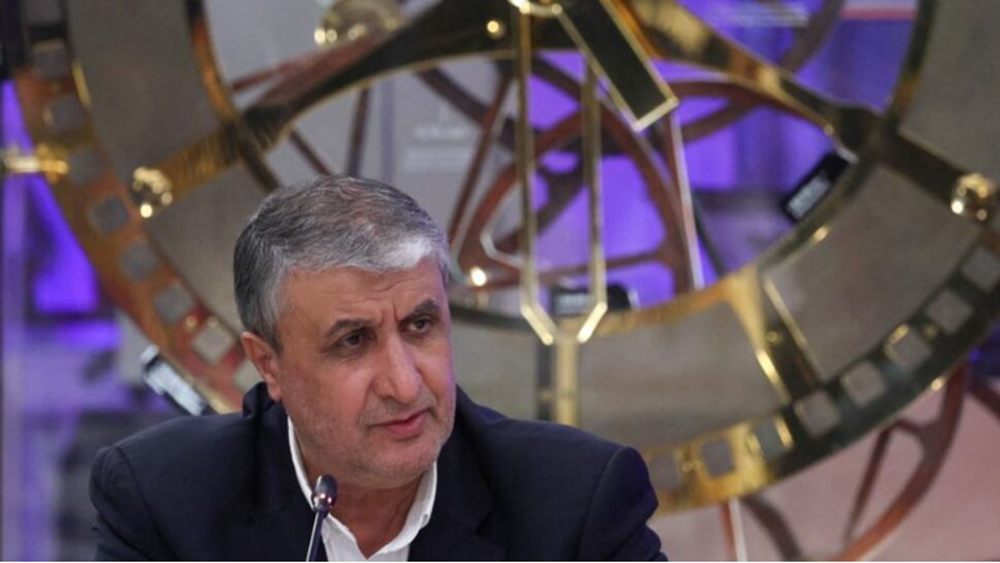
Iran’s Atomic Energy Organization (IAEO) has announced plans to begin the design and equipment phase of the 5,000-megawatt Hormoz nuclear power plant in Hormozgan Province, following an MoU signed with Russia’s state nuclear company Rosatom.
IAEO head Mohammad Eslami made the announcement after a meeting with Rosatom CEO Alexey Likhachev in Moscow, emphasizing the strategic cooperation between Tehran and Moscow in nuclear energy development.
“We have good relations with Russia regarding cooperation in the construction of nuclear power plants," Eslami said after the signing of a memorandum of understanding on the construction of small modular reactors (SMRs).
"It was necessary to review and strengthen this process, and also to take a new step in line with the Organization’s 20-year strategic plan."
He said the two sides had reached two agreements, including one on small modular reactors (SMRs), reflecting the global shift toward this technology.
“We have conducted extensive studies and research, completed design work, and developed the necessary industrial capacity,” Iran’s atomic chief said. “Cooperating with Russia in this area was crucial to advancing a specific project from planning to implementation.”
Eslami said negotiations on the memorandum with Rosatom—the largest electricity producer in Russia—are rapidly progressing toward a formal contract.
“Based on the strategic plan, this project has been in development for two years and is expected to move into the contract and design phase within days,” Eslami said. “This project is a golden opportunity through which we will produce 5,000 megawatts of nuclear electricity.”

Eslami noted that the development of both SMRs and large-scale plants, including a new 1,200-megawatt generation, would be key to Iran’s nuclear energy expansion.
In his closing remarks, Eslami said that the development of small modular reactors, along with larger nuclear power plants—particularly the new 1,200-megawatt models—would signal a significant step forward in Iran’s nuclear development strategy.
Under an intergovernmental agreement, Russia is contracted to build eight nuclear power plants in Iran, including four in Bushehr.
Eslami’s Moscow visit includes factory tours and meetings with research institutes to enhance scientific and educational collaboration between the two countries.
Addressing a forum dedicated to the global nuclear industry and related sectors in Moscow on Thursday, he said Tehran will continue to pursue its nuclear program, which he said is open to international scrutiny.
Eslami reaffirmed Iran’s commitment to its nuclear program, calling it a symbol of national progress and resilience in the face of Western pressure.
"Fifty years of perseverance by Iran’s nuclear experts have transformed this proud industry into a pioneering force in science and technology,” Eslami said. “Despite relentless obstacles imposed by the US and three European countries, Iran has secured top ranks in technology and industry.”
He touched on the “duplicity” of used the US and its European allies, recalling that Iran had heavily invested in Western-led nuclear projects in the 1970s, only to see those countries withdraw and freeze Iranian assets.
“Iran’s nuclear program has no military objectives — and they know it,” Eslami said. “To Washington, London, Paris, and Berlin I say: you cannot subdue the proud Iranian nation. Stop deceiving the world and clinging to hegemonic policies. Our program is fully transparent, and we will not retreat.”
He reiterated that Iran's nuclear activities remain under the “most stringent” international inspections and are open to global scrutiny.
Eslami emphasized that cooperation with Russia is not limited to large power plants but includes the development of SMRs as well, under direct orders from Iranian President Masoud Pezeshkian and Russian President Vladimir Putin.
“Iran and Russia are aligned on expanding cooperation in both SMRs and large-scale nuclear infrastructure,” he said.
As part of his Moscow visit, Eslami toured Russian nuclear facilities and held meetings with research institutions to expand scientific and educational collaboration.
“Based on our accumulated experience and trust in God, we will continue this honorable path until final victory,” Eslami said in closing remarks at the nuclear industry forum.
Moscow, which supports Iran’s right to peaceful nuclear energy, has condemned past attacks on Iranian nuclear facilities, including those blamed on Israel and the United States.
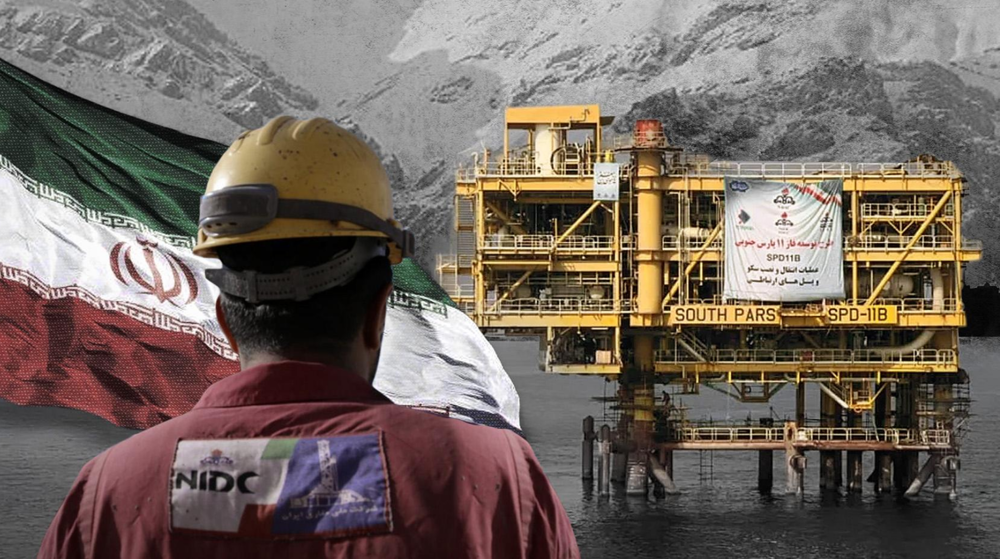
Iran’s energy rebuild sparks unprecedented industrial shift
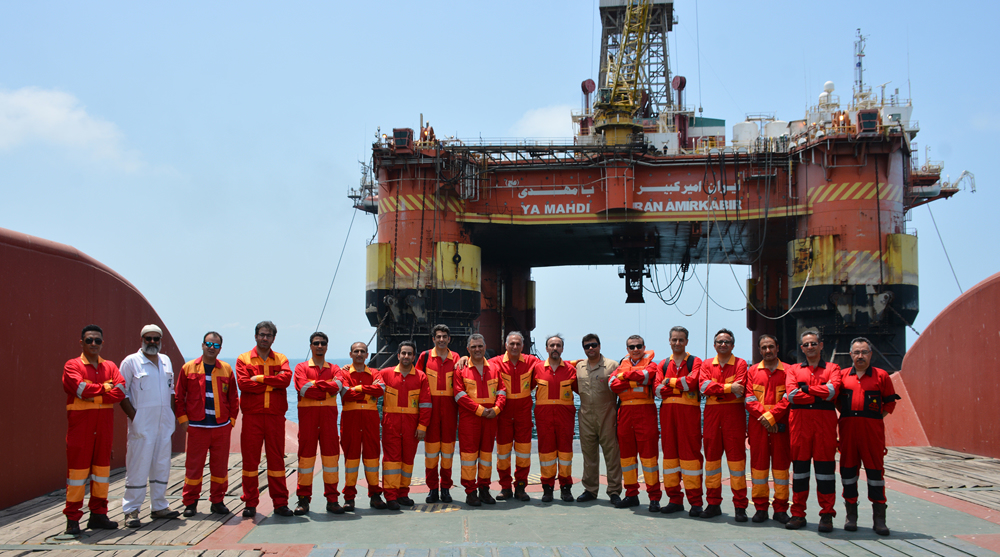
War spurs Iran’s push to develop Caspian energy frontier
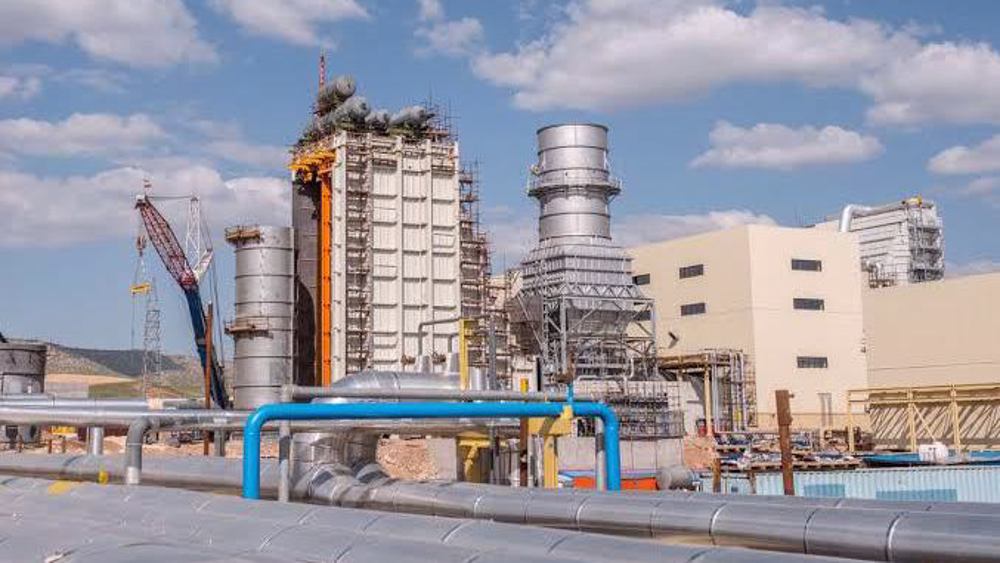
Iran connects 290MW Dalahoo power unit to grid, showcasing elite F-class turbine technology



Bodies recovered from Gaza rubble raise Israeli war crimes concerns: UN rights chief
VIDEO | Netanyahu’s wars drain Israeli economy
Germany cannot underwrite the dirty work: Iran slams Chancellor Merz hypocrisy
VIDEO | Iran showcases scientific advances at IAEA conference in Vienna
No place for foreign forces in new regional order: Iran FM
US Republican lawmaker moves to impeach Hegseth over war on Iran
Top security, military brass hail 200 nights of rallies as proof of Iran’s strength
VIDEO | Sana’a has turned Saudi economic lifeline into strategic vulnerability


 PressTV NEWSLETTER
now
PressTV NEWSLETTER
now
 This makes it easy to access the Press TV website
