Russia, China can block enforcement of E3 'snapback' sanctions on Iran: Analyst
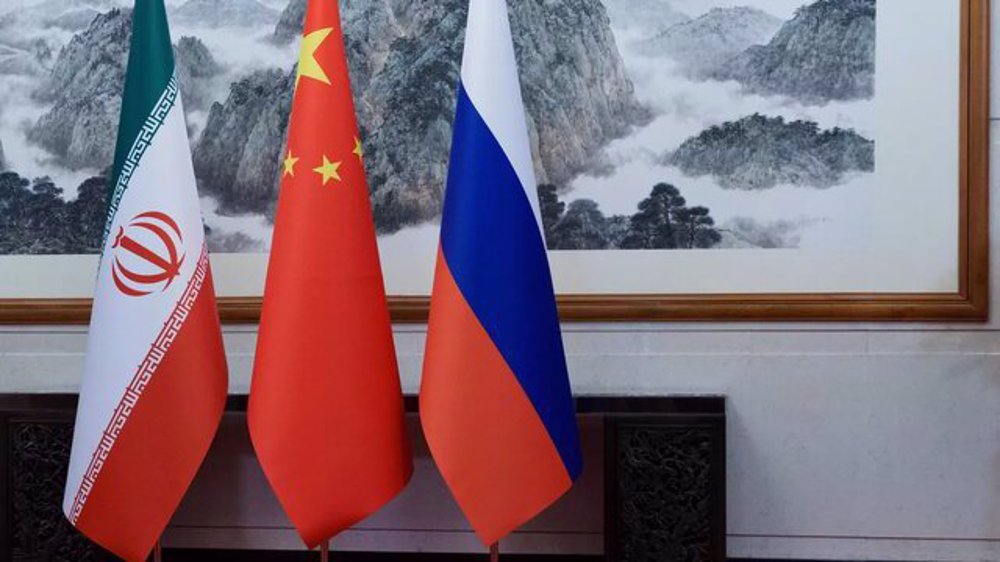
China and Russia hold the ability to obstruct the enforcement of UN sanctions on Iran even if the “snapback” mechanism is formally triggered, according to international lawyer and foreign policy analyst Reza Nasri.
Britain, France, and Germany (the E3) moved to restore sanctions through the snapback process, alleging Iran’s non-compliance with the 2015 nuclear deal (JCPOA). The move has been sharply contested by Tehran, as well as Moscow and Beijing, who call it “legally baseless.”
Under Resolution 2231, which enshrined the 2015 nuclear deal, the mechanism allows sanctions to be reimposed if a participant claims non-compliance. Yet the system depends on reviving defunct institutions, including the Resolution 1737 Sanctions Committee and its Panel of Experts.
Nasri said that while the snapback may restore sanctions on paper, its practical enforcement hinges on mechanisms that cannot function without the cooperation of all permanent members of the Security Council.
“Russia and China can block the re-establishment of the committee or delay the appointment of its expert panel,” he noted, explaining that without these structures, the sanctions would remain largely symbolic.
The expert stressed that the committee operated by consensus, meaning any permanent member could paralyze its work. In his view, even if the E3 succeeds in triggering snapback, China and Russia can prevent the regime from being operational by opposing procedural steps such as electing a chair, adopting guidelines, or approving nominations.
This, he argued, would make the sanctions “hollow in practice.”
The process has already exposed political and legal fault lines. The E3 invoked snapback on August 28, bypassing parts of the Joint Commission’s dispute resolution mechanism, which normally allows up to 35 days before a matter reaches the Security Council.
Russia and China have criticized the Europeans for skipping procedures and ignoring their own violations of the 2015 accord. Both countries suggested alternatives, including extending the timeline under Resolution 2231 to allow further talks.
Nasri pointed out that by insisting on snapback, the E3 risk creating a deadlock. “Europe is dragging the international community into a quagmire of escalation, procedural battles and institutional paralysis,” he said. According to him, the responsibility for the consequences—whether diplomatic breakdown or even military escalation—will rest squarely on the European capitals.
The comments came as the Security Council voted today on a draft resolution that sought to permanently lift sanctions on Iran. The vote means the UN sanctions against Iran will be reinstated by September 28 unless a major agreement is reached.
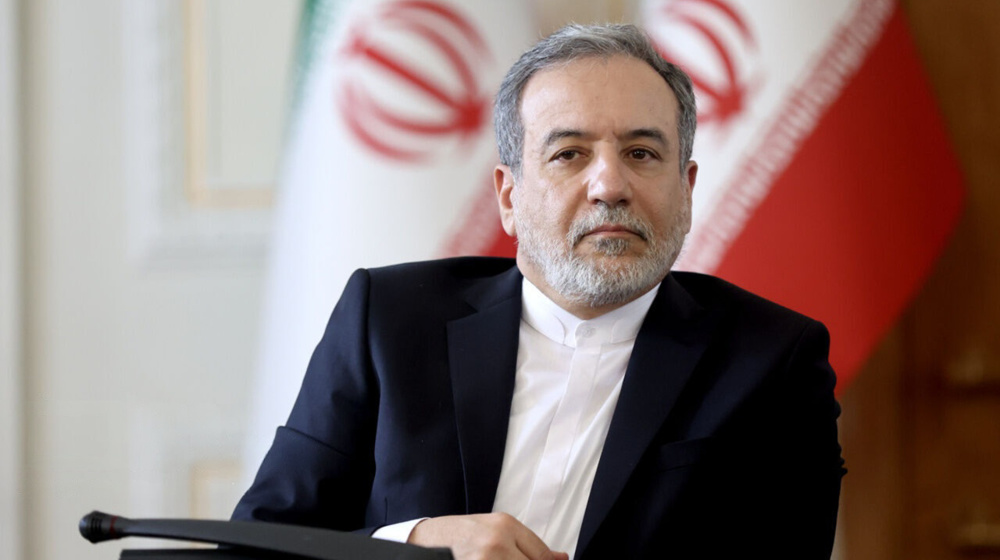
Iran, for its part, has dismissed the European move as illegitimate, arguing that the trio cannot invoke snapback when they themselves were the first to breach the nuclear deal.
Tehran says its steps to scale back commitments only came in response to the US withdrawal in 2018 and Europe’s failure to compensate. Foreign Minister Abbas Araghchi has urged diplomacy on Thursday, presenting a “reasonable and actionable” plan to avert an “unnecessary and avoidable crisis.”
Nasri noted that while Europe may think snapback pressures Iran, the ultimate outcome depends on whether China and Russia use their institutional leverage. If they do, the sanctions would exist in name only, undermining both the effectiveness of the measure and the credibility of the Security Council.
Iran: US had intentionally prepared ground for withdrawing from Islamabad MoU
Iran retains initiative in Strait of Hormuz despite US claims: Armed Forces
Iran’s nuclear doctrine not changed, but NPT withdrawal possible: Top security official



China rejects unilateral sanctions as Trump signs bill targeting Russia, Iran
VIDEO | Press TV's news headlines
VIDEO | Trump’s attacks on law, press reveal his support beginning to erode: Analyst
VIDEO | Islamabad marks 2nd martyrdom anniv. of resistance leader Hassan Nasrallah
VIDEO | Tunisian protesters demand release of detained Sumud flotilla activists
VIDEO | Gaza schools reborn in tents as new academic year begins
Iran: US had intentionally prepared ground for withdrawing from Islamabad MoU
Hezbollah leader: Iran thwarted US-Israeli war goals; ultimate victory belongs to resistance


 PressTV NEWSLETTER
now
PressTV NEWSLETTER
now
 This makes it easy to access the Press TV website
