Systemic ecocide: Israel’s 2-year war devastates Gaza’s environment, sparking global action
By Maryam Qarehgozlou
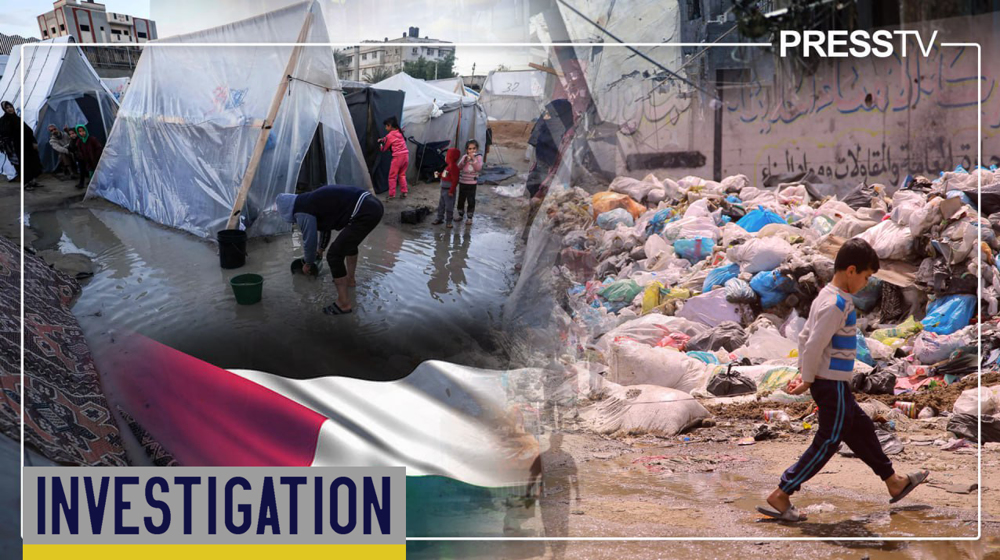
Beside an overcrowded shelter in Gaza, mounds of garbage ooze leachate into the soil, its acrid smell thick in the air
Families crammed into the shelter endure the choking stench of leachate from the nearby landfill, a grim reminder that the Israeli genocidal war’s toll extends beyond the battlefield into the environment.
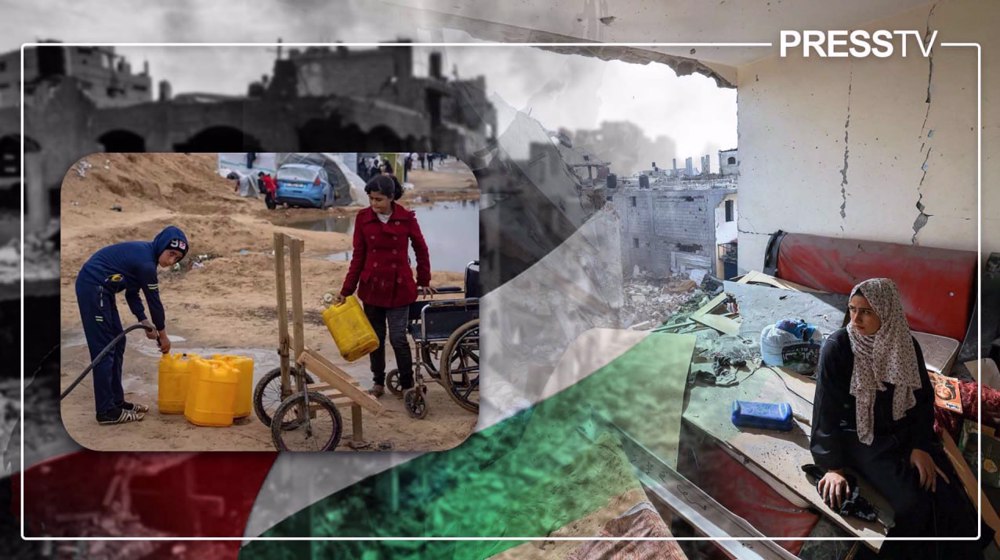
The scale of environmental harm in the territory is extensive: the destruction and collapse of water and sewage treatment systems, contamination of water sources, toxic debris from collapsed buildings and tens of thousands of munitions, and widespread damage to agricultural land and food systems.
These impacts ripple outward, threatening civilians, ecosystems, and overall environmental health.
In May, the Palestinian mission to the Kingdom of the Netherlands formally described the environmental destruction in Gaza as ecocide.
The statement — the first by a state-level actor to explicitly use the term in relation to Gaza — marked a significant development in the growing international discourse on environmental harm and accountability during the onslaught against the narrow strip.
Following that recognition, a grassroots media campaign led by pro-Palestine activists and environmentalists has been launched to spotlight the ecocide in Gaza, condemning the devastation as not only a humanitarian crisis but also one of the world’s most urgent environmental disasters.
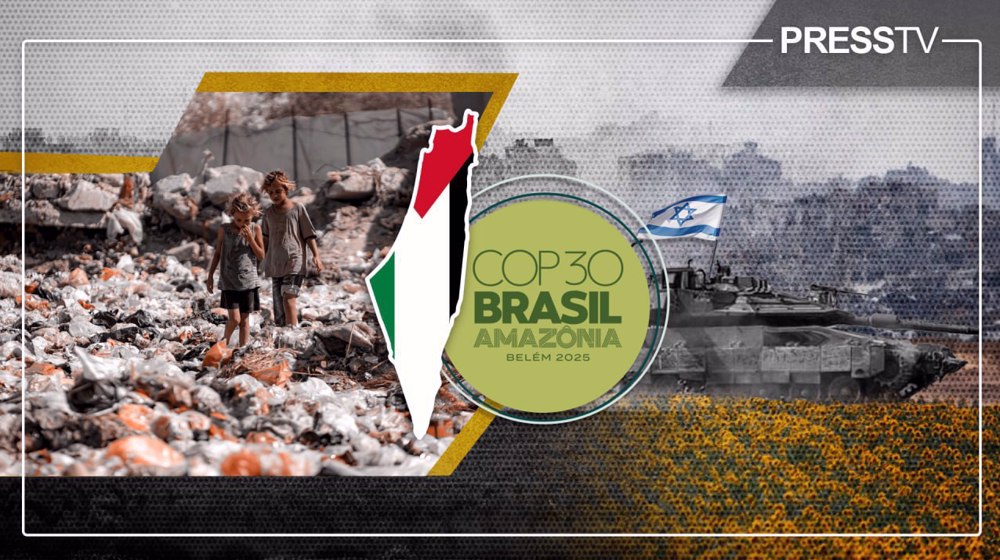
With Gaza’s ecosystems collapsing under the weight of ongoing genocide and blockade, the “Ecogenocide Campaign” aims to place Israel’s actions under global scrutiny at the 30th UN Climate Conference (COP30), set for November 2025 in Belém, Brazil.
The initiative seeks to build momentum in the run-up to COP30 by mobilizing journalists, environmental advocates, and activists to amplify the environmental toll of the genocidal Israeli war.
Through online and on-the-ground efforts, campaigners aim to raise global awareness, demand accountability, and ensure that environmental justice for Gaza becomes part of the climate summit’s global agenda.
What is Israel’s war doing to Gaza environment?
Before October 2023, when Israel launched its devastating war against Palestinians, both the Gaza Strip and the occupied West Bank were already suffering from severe environmental challenges.
A United Nations Environment Programme (UNEP) report published in 2020 indicated that decades of Israeli occupation of Palestine, high population growth accompanied by rapid and poorly planned urbanization, as well as climate change, were the main drivers of environmental degradation in the occupied Palestinian territories.
However, the current Israeli onslaught on Gaza, where more than 64,800 Palestinians have been killed, has interrupted “almost all” environmental management systems and services and created new environmental hazards, according to the UN agencies.
Collapse of waste management, sewage systems
The destruction of Gaza’s solid waste management and sewage treatment systems — combined with Israel’s prevention of specialized teams from collecting and transporting waste from temporary landfills near residential areas and overcrowded shelters to main landfills — has plunged Gaza into a waste crisis that renders the strip nearly uninhabitable.
Before the war was unleashed on the besieged Palestinian territory, Gaza generated 1,700 tons of waste daily, with only three operational but overcrowded landfills.
Now, relentless bombardment has blocked access to designated landfills, while Israel’s fuel blockade has halted transport. As a result, hundreds of thousands of tons of solid waste have piled up in the streets across the territory.
The United Nations Development Programme (UNDP), in a recent study, warned that only 600 to 700 tons of waste are being collected daily, mostly in Gaza’s south, barely covering the estimated 2,000 tons generated every day.
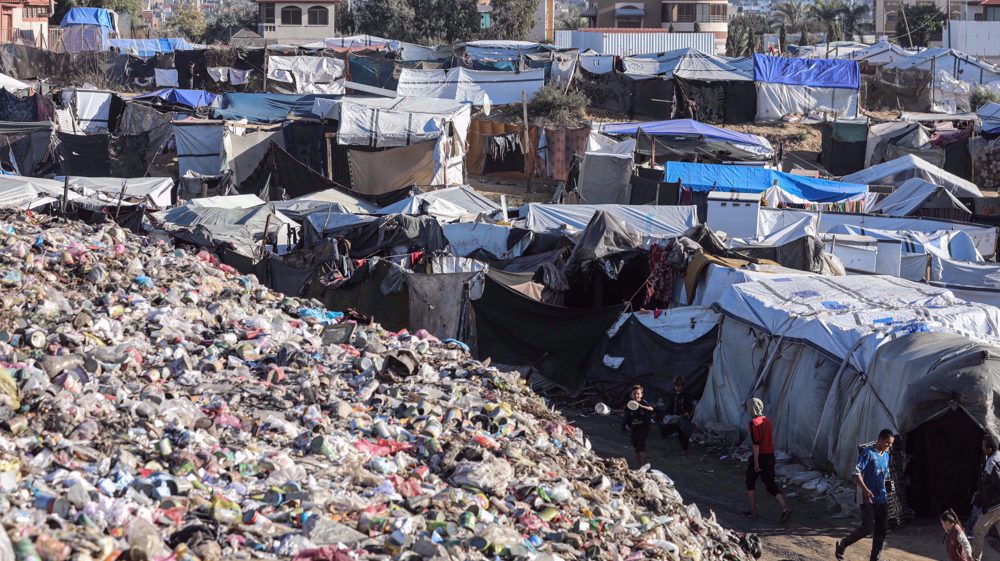
Most of Gaza’s displaced people — families sheltering in refugee camps or makeshift areas — are now forced to live beside rotting mountains of garbage, exposed to severe health risks.
A major concern is leachate, a polluted liquid that forms when water filters through layers of waste in unmanaged dumps, seeping into the soil and contaminating groundwater.
Furthermore, all five of Gaza’s wastewater treatment plants have shut down, UNEP reports.
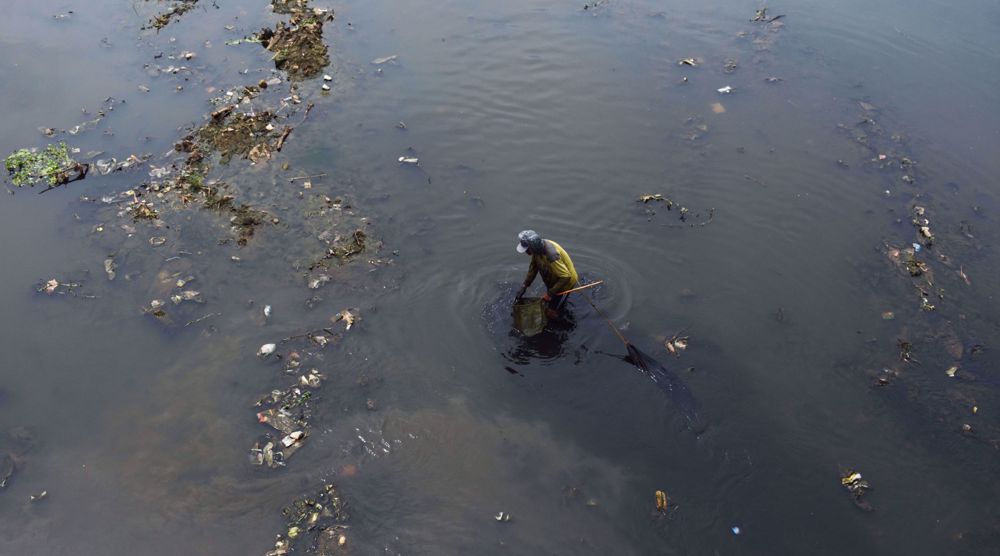
Untreated sewage now contaminates beaches, coastal waters, soil, and freshwater with pathogens, microplastics, and toxic chemicals.
This poses both immediate and long-term threats to the health of Gazans, marine ecosystems, and arable land, UNEP warns.
Destruction of agriculture and food systems
Forensic Architecture, a London-based research agency, released an 827-page report documenting Israel’s genocidal actions in Gaza.
It revealed that between October 7, 2023, and June 30, 2024, approximately 83 percent of all plant life in Gaza was destroyed.
The report also found that 70 percent of Gaza’s agricultural land — 104 sq km out of 150 sq km of fields and orchards — was obliterated. More than 3,700 greenhouse structures, nearly half of the total, were destroyed. Over 47 percent of groundwater wells and 65% of water tanks were damaged, with the status of 29 percent of wells still unknown.
None of Gaza’s wastewater treatment facilities survived the onslaught. Over a year has passed since the report was issued. Conditions have only deteriorated as the genocidal war drags on.
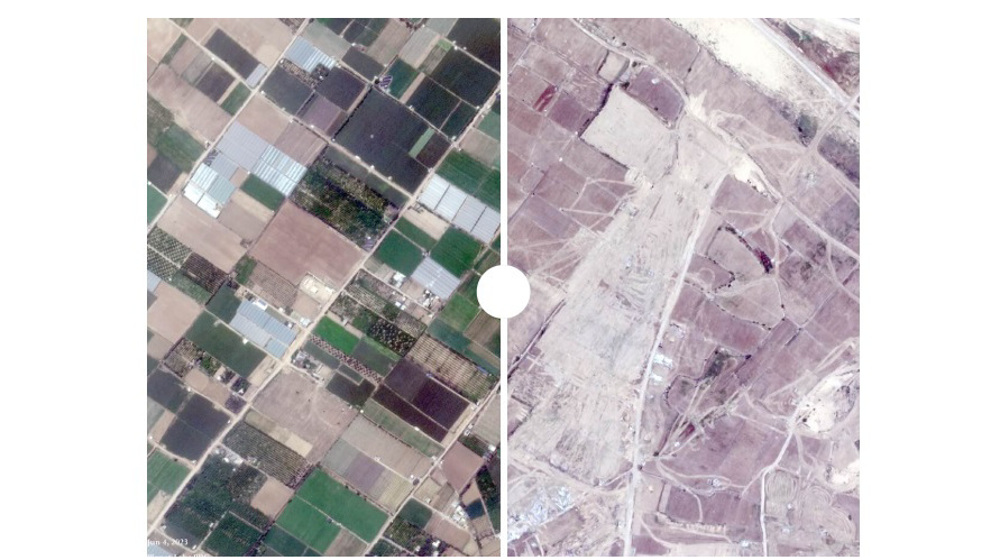
In May 2025, a geospatial assessment carried out by the Food and Agriculture Organization (FAO) and the United Nations Satellite Centre (UNOSAT) reported that less than five percent of Gaza’s cropland area remains cultivable.
“As of April 2025, more than 80 percent of the Gaza Strip’s total cropland area has been damaged (12,537 hectares out of 15,053) and 77.8 percent is not accessible to farmers, leaving just 688 hectares (4.6 percent) available for cultivation,” stated the report.
The findings noted that Rafah and the northern governorates in the Gaza Strip were particularly critical, with nearly all cropland inaccessible.
The same assessment showed that 71.2 percent of Gaza’s greenhouses have been damaged.
In Rafah, greenhouse destruction soared to 86.5 percent in April 2025, compared with 57.5 percent in December 2024. In the Gaza governorate, every greenhouse has been destroyed.
Agricultural wells have fared no better: 82.8 percent have been damaged across Gaza, compared to 67.7 percent in December 2024.
These losses cripple food production and deepen Israel’s man-made famine.
Mountains of toxic rubble
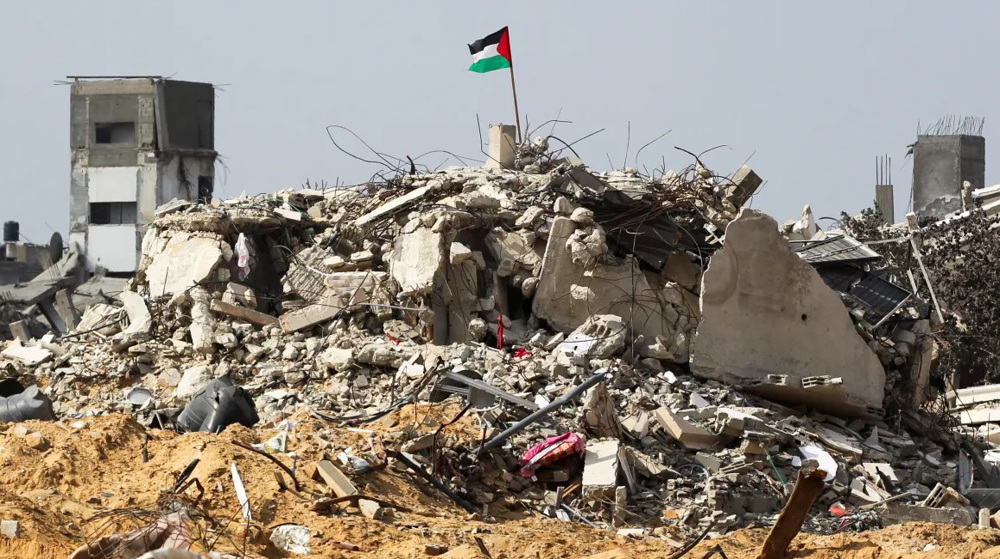
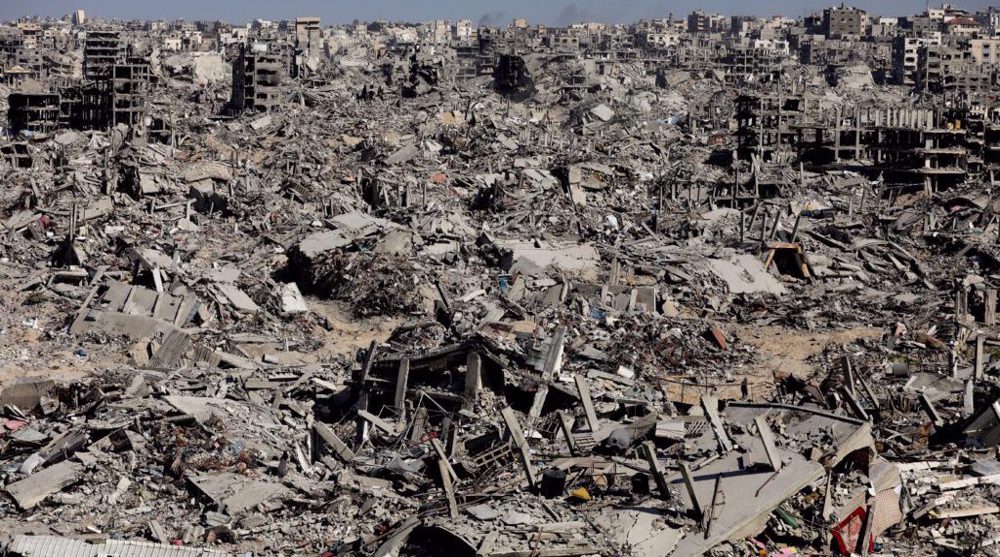
Another environmental catastrophe is chemical and debris contamination from Israel’s indiscriminate bombardment, which has reduced civil infrastructure to rubble at an unprecedented scale.
UNEP estimates that Gaza’s 40 million tons of debris will take 15 years to clear — but only if the blockade is lifted and 105 trucks operate daily in continuous shifts.
To put the figure in perspective, UN-Habitat and UNEP said the debris left by Israel’s genocidal war is more than 14 times the combined total from all global wars over the last 16 years.
The health risks are immense. After 9/11, cleanup workers exposed to toxic debris developed high rates of cancer and respiratory illnesses.
In Gaza, particulate matter spreads across air, soil, and water, ensuring long-term health consequences for the population and beyond.
Asbestos fibers alone are estimated to contaminate 800,000 tons of debris, requiring specialized hazardous waste treatment.
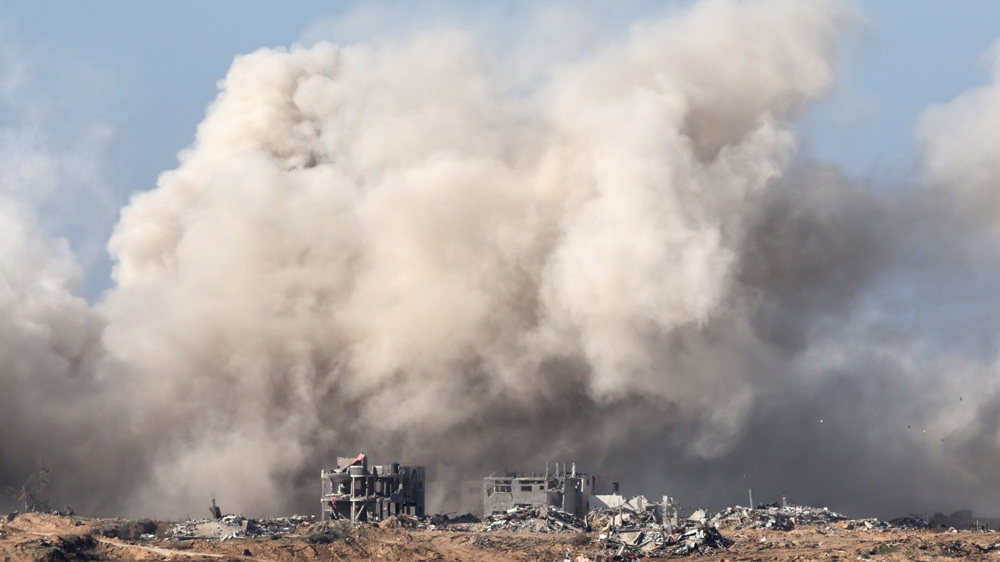
Meanwhile, Israel’s use of “unconventional weapons” — including white phosphorus — has wreaked additional havoc in the besieged Palestinian territory.
Scientists warn white phosphorus can destroy ecosystems, contaminate crops, and poison the food chain, with particularly severe health risks for children and the elderly.
It is linked to birth defects, already documented in Gaza before October 2023. Survivors now face lifelong environmental and health consequences.
Although the heavy metal, chemical, and radioactive contamination of Gaza’s soil is unknown because of laboratory functionality in Gaza, previous Israeli offensives against Gaza involved munitions containing heavy metals, asbestos, and other hazardous materials that have already poisoned the soil with high concentrations of cobalt and other metals, according to a study published in June in the American Journal of Public Health.
Solar panels (initially installed to reduce dependency on Israel for electricity) were also destroyed by bombardment and may contaminate the soil through the leaching of cadmium and lead, the study added.
Therefore, due to soil contamination, crop yields are likely to be greatly reduced, exacerbating issues of food security for Gaza’s 2.3 million population, and crops that are yielded will be susceptible to levels of toxicity potentially damaging to human health, it warned.
Gaza ecocide: A climate crisis
The list of environmental damages is seemingly endless — and, as experts warn, the effects do not stop at Gaza’s borders.
Regional ecosystems are at risk, and most importantly, the ecocide contributes directly to global climate change.
Last June, a study by an international team of researchers co-authored by Dr Benjamin Neimark, Senior Lecturer at Queen Mary University of London, estimated that the emissions from the first 120 days of the Gaza war alone exceeded the annual emissions of 26 individual countries and territories.
The same study warned that rebuilding Gaza could produce 60 million tonnes of CO2 — more than the annual emissions of 135 countries — worsening the global climate crisis on top of the catastrophic human toll.
Gaza ecocide ‘part of Israel’s colonial project’
Building on these findings, the “Ecogenocide Campaign” plans to expose Israel’s actions as a form of “eco-fascism” during COP30.
Eco-fascism, in this context, describes the devaluing of human life — particularly marginalized and colonized populations — under the pretense of protecting environmental resources viewed as the preserve of privileged groups.
Put simply, it is an environmentalism that denies certain people the right to live freely on and benefit from their own land, treating nature as something to be safeguarded only for the powerful.
Mimi al-Laham, a Syrian-Australian political commentator, urged activists to confront this reality by joining the campaign and amplifying the ongoing “ecocide” in Gaza at the climate summit.
“We’re running a campaign called Eco-Genocide. You always hear leftists talking about global warming and carbon credits, but never about how wars cause far more environmental damage than using your air conditioner or driving your car,” she said.
“We need to push them to address the environmental destruction as well as the human suffering in Gaza.”
Angelo Giuliano, a Swiss-Italian journalist based in Hong Kong, echoed the call in a video message, criticizing “hypocrisy” among leftist movements for overlooking the environmental impacts of Israel’s devastating war on Gaza.
“There’s hypocrisy here. Do they ever talk about Gaza’s eco-genocide? The tons of bombs dropped will have irreversible effects—the land is so devastated it won’t grow food again,” Giuliano said. “Do you really care about the ecosystem? Then why stay silent?”
The eco-genocide campaign itself put Israel’s ecocide in Gaza within the broader framework of its colonial project.
In a statement, organizers appealed to Brazil, as the host of COP30, to lead international efforts to sanction Israel and defend Palestine.
“The world needs to hear: Gaza is not only dying, it is also threatening the global ecosystem. Ending the blockade, justice for the Palestinians, and protecting the environment are key to survival for all of us,” the statement urged.
Gaza health system nears collapse amid shortages and fuel crisis

Hamas condemns Netanyahu’s illegal entry into Al-Aqsa Mosque

Poll: Over half of US Jews say Netanyahu fueling American anti-Semitism



Yemeni scholars call Saudi Mecca claim a ‘pure fabrication'
VIDEO | Saudi Arabia will face more Houthi reprisals unless it changes course: Analyst
VIDEO | Israeli siege forces Gaza hospitals to cut services
Grand Ayatollah Shobeiri Zanjani passes away at age of 98
Yemen pledges to escalate campaign to break Saudi blockade
VIDEO | Iran's warning to US, regional allies
Gaza health system nears collapse amid shortages and fuel crisis
Saudi Arabia bombs Yemen 760 times since escalating aggression



 PressTV NEWSLETTER
now
PressTV NEWSLETTER
now
 This makes it easy to access the Press TV website
