Discover Iran: Khuzestan as Iran’s emerging renewable energy powerhouse

By Press TV Staff Writer
- Khuzestan, with a population of 4.7 million, 75.5% of whom live in urban areas, hosts major oil, gas, and steel industries, making it one of Iran’s largest energy consumers.
- With a nominal electricity generation capacity of approximately 11,668 MW, Khuzestan produces about 16% of Iran’s total electricity.
- Positioned within the solar radiation belt, Khuzestan benefits from abundant solar resources, particularly in summer, with strong direct sunlight making it an ideal region for solar energy development.
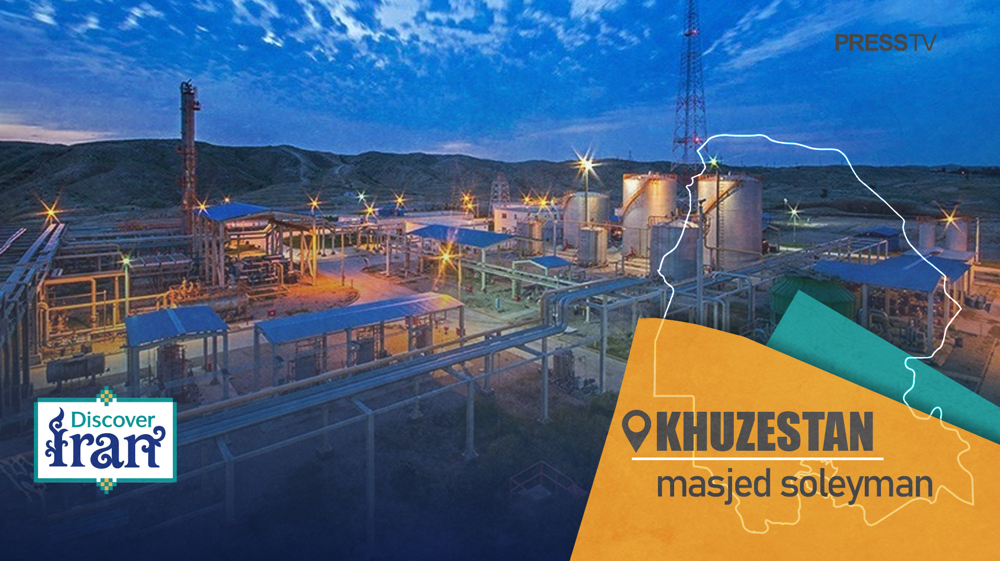
Khuzestan province is one of the important centers of agriculture, trade and industry, where most of Iran's natural gas and crude oil resources are located.
It hosts Iran’s largest fossil energy sources, but the province is also rich in renewable energy sources such as solar energy, biofuel, biomass, and wind energy.
For instance, the potential of solar electricity production in Khuzestan province is higher than the current electricity generation in Iran. Also, great potential for electricity production from municipal solid waste (MSW) has been reported.
With a population of 4.7 million people, 75.5% of whom live in cities, and major oil, gas and steel industries, Khuzestan is also one of the largest energy consumers in Iran, where consumption significantly increases in summer.
The nominal electricity generation capacity in the province is about 11,668 MW, which is 16 percent of the country’s total, giving Khuzestan the first place in electricity generation.
Of this, nearly 8,000 MW is provided by hydroelectric power, or 68.5 percent of the total capacity generated in the province.
Years of drought, however, have significantly impacted hydroelectric dams, leading to reduced electricity generation due to a decrease in river flow and water levels in reservoirs.
Khuzestan, meanwhile, faces an annual decline in the efficiency of fossil-fueled power plants and an increase in their maintenance and repair costs.
This shows the creation and expansion of renewable energy sources in the province is a significant issue requiring immediate attention.
The extraction of fossil fuels not only pollutes the environment but also drastically reduces their resources. Most of Iran's oil wells are in the second half of their lives, with eight percent of oil production dropping automatically each year.
In comparison, renewable energy sources are essentially inexhaustible and are naturally replenished faster than they are used with minimal environmental impact.
Hence, the development of renewable energy systems has been one of the key energy security policies of Iran.
Iran is a signatory of the 2015 Paris climate agreement, committing 195 nations to limit their carbon emissions.
Before former US president Donald Trump reimposed sanctions on Iran in May 2018, the Islamic Republic expected its installed renewable capacity to grow at least sevenfold over the next five years.
However, European companies such as Norway’s Saga Energy, British firm Quercus, and Dutch energy firm Global Renewables Investments (GRI) cancelled their plans to build renewable capacities worth several billion dollars in Iran.
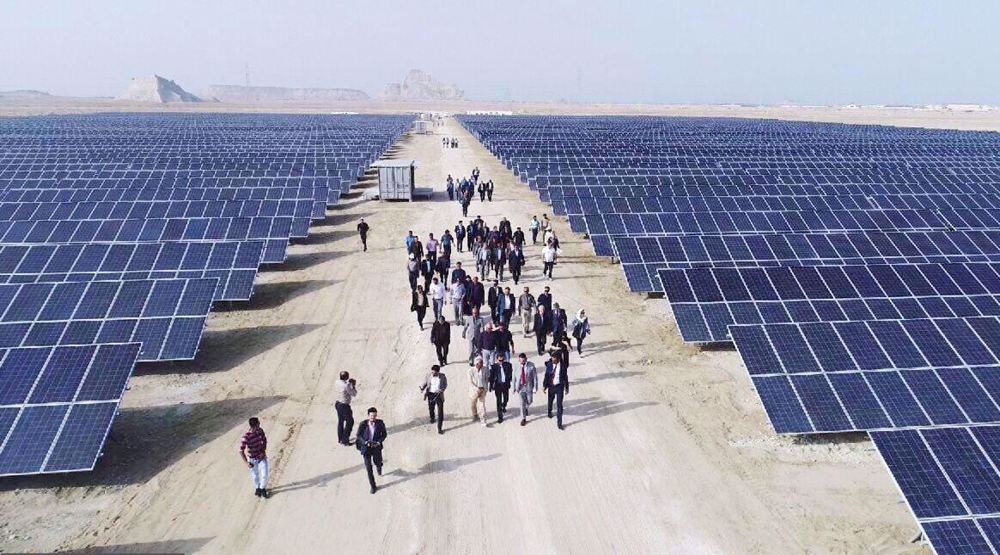
Khuzestan has excellent solar resources, especially during the summer months, thanks to its location on the solar radiation belt and its strong direct radiation that makes it a prime area for solar energy utilization.
Studies have shown that solar photovoltaic has a high potential for electricity generation in the province, where the ideal tilt angle for fixed solar panels optimizes energy production across seasons.
Iran, located in the southern half of the northern temperate zone, has a high average number of sunny hours and radiation in most of its regions. On average, more than 280 sunny days have been reported throughout the year in Iran, which is a very significant figure.
Khuzestan has approximately 300 sunny days, which means the use of solar energy in the province is not only necessary, but its role in the future development of the province is undeniable.
The development of solar energy-related industries as an alternative energy source, besides generating many job opportunities, can help reduce environmental and water shortage problems.
It can also free existing capacities of other sources, such as gas used for heating and cooking and powering major steel mills in Khuzestan and elsewhere for use in other sectors.
Hence, Khuzestan is already exploring green scenarios and low-carbon energy systems to reduce energy and environmental challenges.
A green paper factory is under construction, highlighting the province's commitment to sustainable practices.
A solar power plant, set to generate a total of 600 megawatt hours of electricity, is on track for completion by the end of 2026. It is built by the Khuzestan Steel Company with the aim of helping the electricity supply in the province and meeting its electricity needs, especially in the summer.
The first phase of the power plant with a capacity of 200 megawatts is under construction in Behbahan, which is expected to go on stream by the end of the current Iranian year in March 2026.
Another 200 megawatt capacity will be installed in Gotvand and an additional 200 megawatt unit will be built in Ahvaz in the third phase.
Solar energy is also being explored for the agricultural sector, with some settlements like Nowtarki of Izeh showing economic justification for off-grid solar power plants.
Moreover, Khuzestan has significant wind energy potential, particularly in its southern and southwestern coastal regions, where factors like favorable wind speeds and climate conditions make it well-suited for building wind power plants.
Preliminary agreements have been signed for wind farm projects in Khorramshahr and Izeh, with the potential for significant expansion in the future.
The province’s growing urbanization and economic development also generate a large amount of municipal solid waste (MSW), which can be used for biogas and bio-power generation.
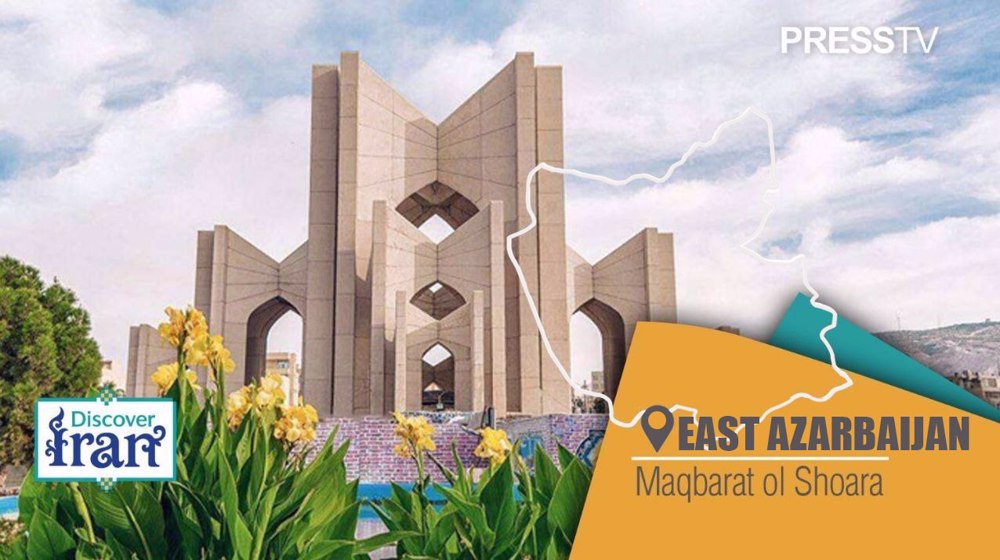
Discover Iran: Tabriz’s ‘Mausoleum of Poets,’ where centuries of Persian literary history live on
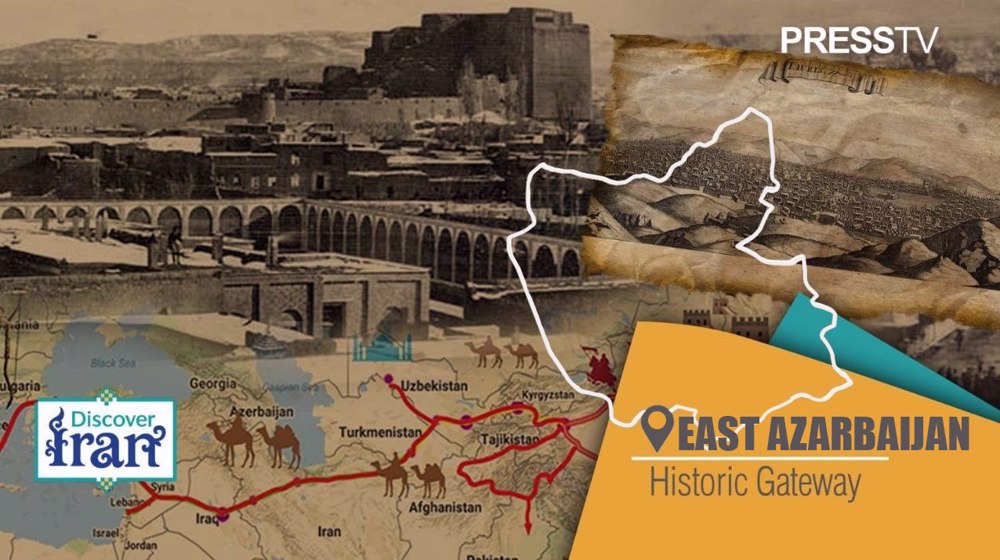
Discover Iran: Tabriz, where Iran’s Silk Road legacy meets industry, trade and a new economic future
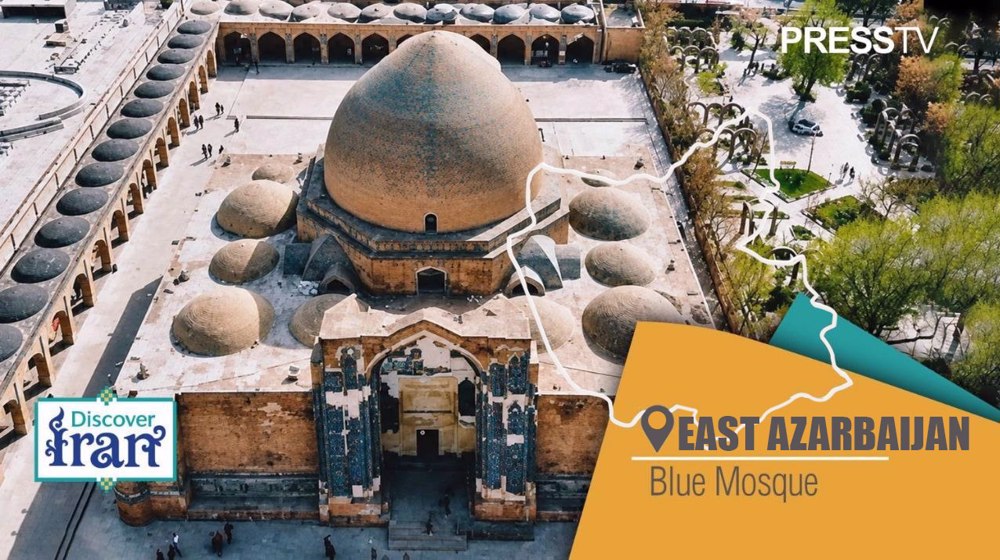
Discover Iran: Tabriz’s Blue Mosque, where glorious history meets timeless Iranian architecture



US visa ban on Iranian president’s media team is bid to hide the truth: FM spokesman
US aggression, economic warfare amount to crimes against humanity: Iran's UN envoy
Protests erupt in US as ICE agent shoots Venezuelan driver
US pressure fuels cooperation among Muslim states: Pezeshkian
Major TV networks suspend White House pool coverage after Trump ban
US visa ban on Palestinian UN delegation violates international agreements: Hamas
VIDEO | Press TV's news headlines
Iran calls on France to respect law after suspending French cultural institute in Tehran



 PressTV NEWSLETTER
now
PressTV NEWSLETTER
now
 This makes it easy to access the Press TV website
