
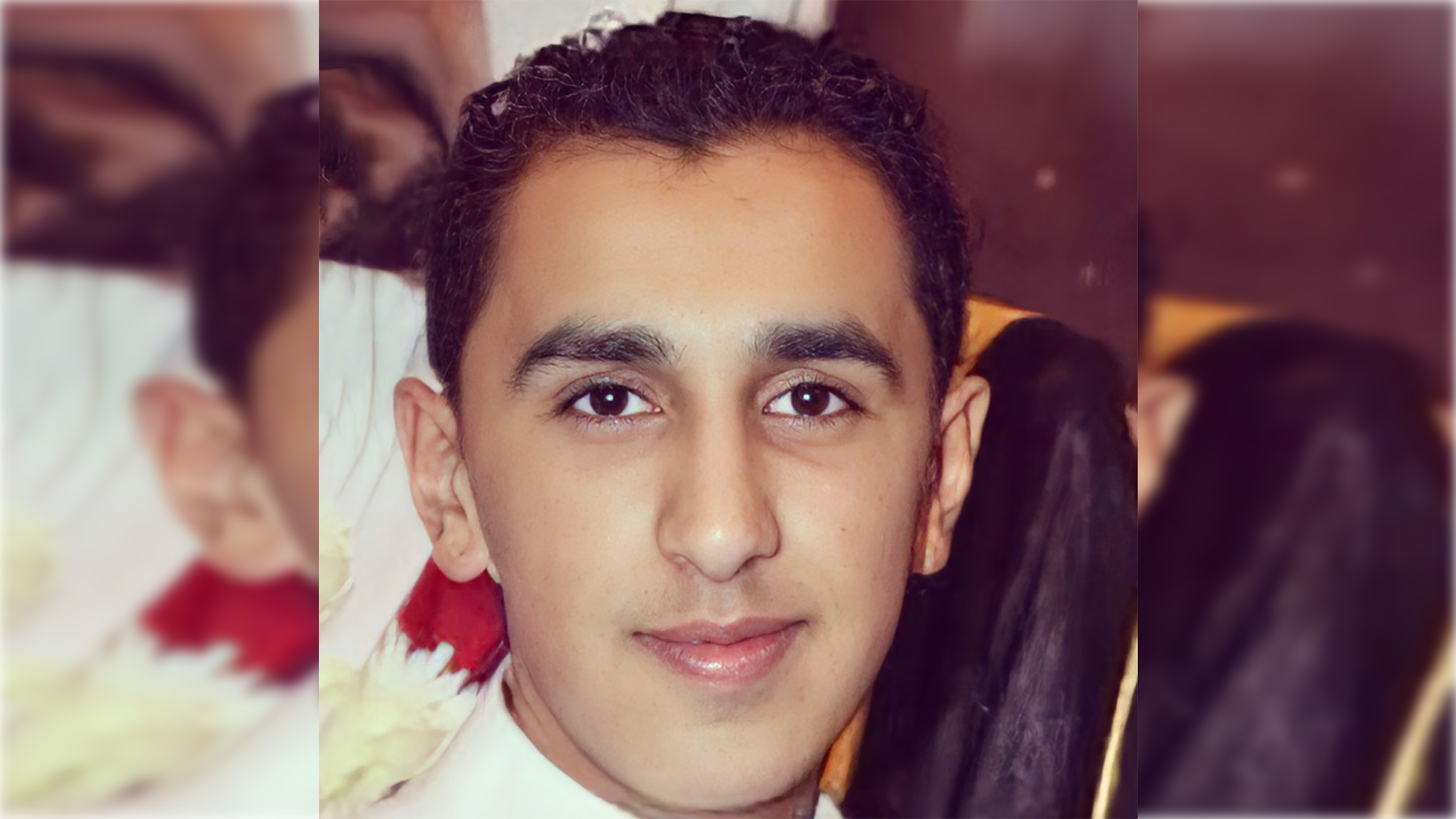
Saudi Arabia is poised to execute a young man who was arrested at just 15 years old for attending demonstrations for religious freedom and funerals that the regime deemed to be protests, in what human rights organizations describe as the latest example of Riyadh's surging use of the death penalty for non-violent offenses.
Youssef al-Manasif was arrested in 2017 and accused of crimes including joining demonstrations by the Shia minority and attending funerals that the Saudi authorities classified as protests.
He was convicted and sentenced to death by the Specialized Criminal Court, a secretive tribunal established specifically to handle terrorism-related cases.
Manasif's death sentence has now reportedly been upheld by the Saudi Supreme Court, which was likely his last hope of avoiding execution, according to a report by the Guardian.
The human rights charity Reprieve has stated that Manasif was tortured and coerced into signing a false confession, and that he only met his state-appointed lawyer for the first time in 2022—five years after his arrest.
His family has not spoken publicly about the case, fearing harassment or arrest by Saudi authorities.
"There is nothing they can do now but wait," said Duaa Dhainy, a consultant for Reprieve and the European Saudi Organisation for Human Rights.
Saudi Arabia has witnessed what activists describe as a "horrifying" surge in executions under the rule of Crown Prince Mohammed bin Salman.
Last year alone, a record 356 people were put to death in the kingdom.
At least 17 people who were children at the time of their alleged offenses have been executed in Saudi Arabia since 2015, according to Reprieve.
In 2020, Saudi Arabia issued a royal decree abolishing the death penalty for children, stating that individuals would not be sentenced to death for crimes committed when they were minors.

However, the regime has since upheld the death penalty in a number of cases involving child defendants, exposing the decree as a hollow gesture meant to placate international observers.
In April, the Saudi regime executed Ali al-Subaiti, along with his uncle, Mustafa al-Subaiti, for non-lethal "terrorist" offenses committed when he was just 12 years old.
The United Nations' independent human rights experts have previously expressed serious concerns about Manasif's case, stating that Saudi Arabia must immediately halt planned executions of individuals convicted of offenses allegedly committed when they were under 18.
"They are using execution as a tool to show how powerful they are and how they can threaten anyone who does not follow their rules," Dhainy said of the Saudi regime. "We think he should be treated as a minor and not sentenced to death as his charges relate to when he was under 18."
 This makes it easy to access the Press TV website