Iraq allows 40 daily Iranian flights to and from Najaf after protests over US sanctions
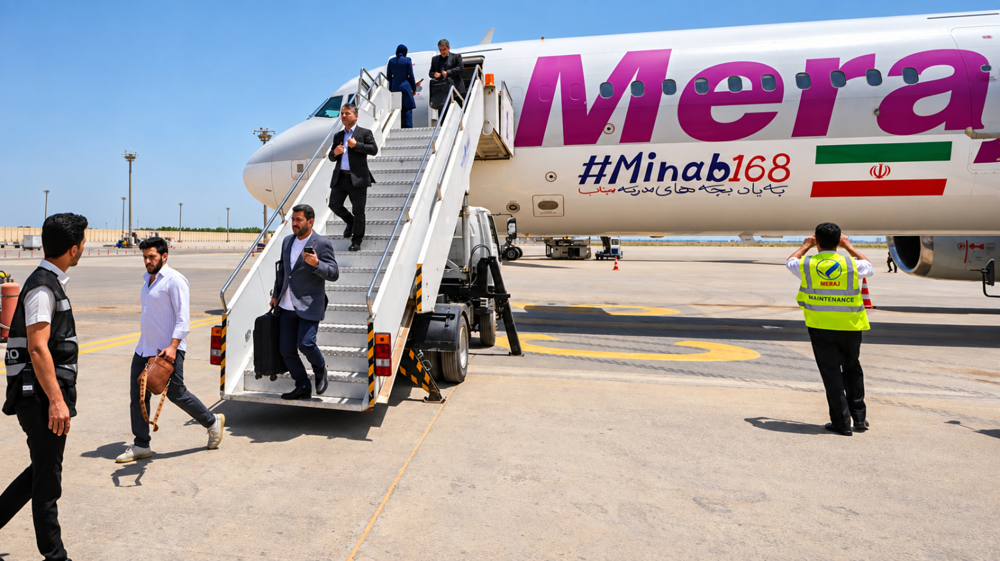
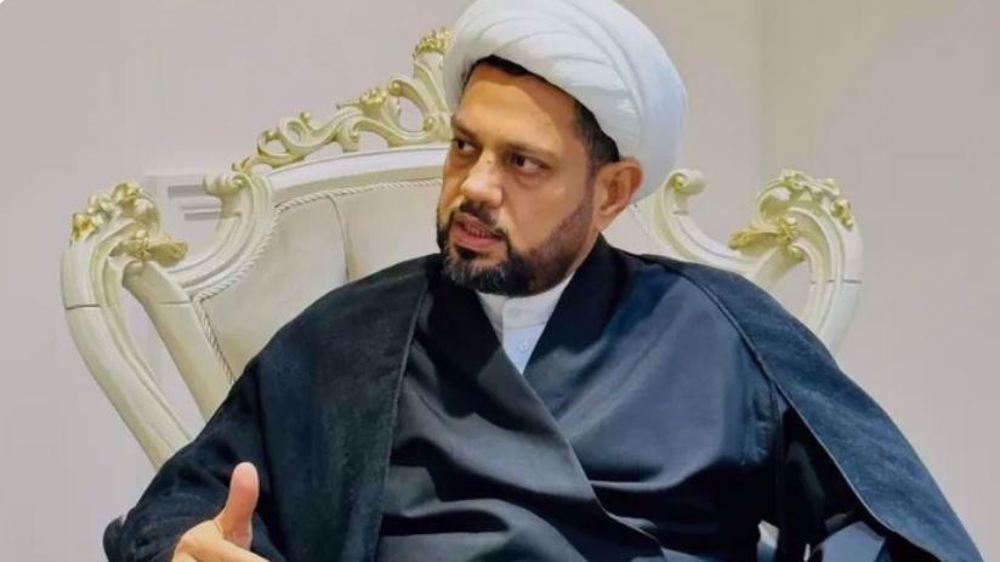
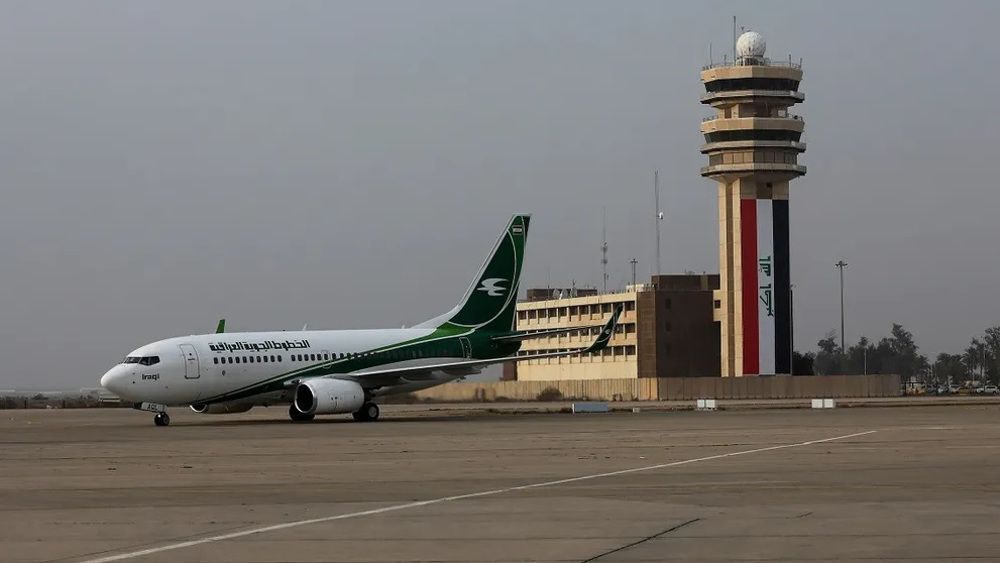
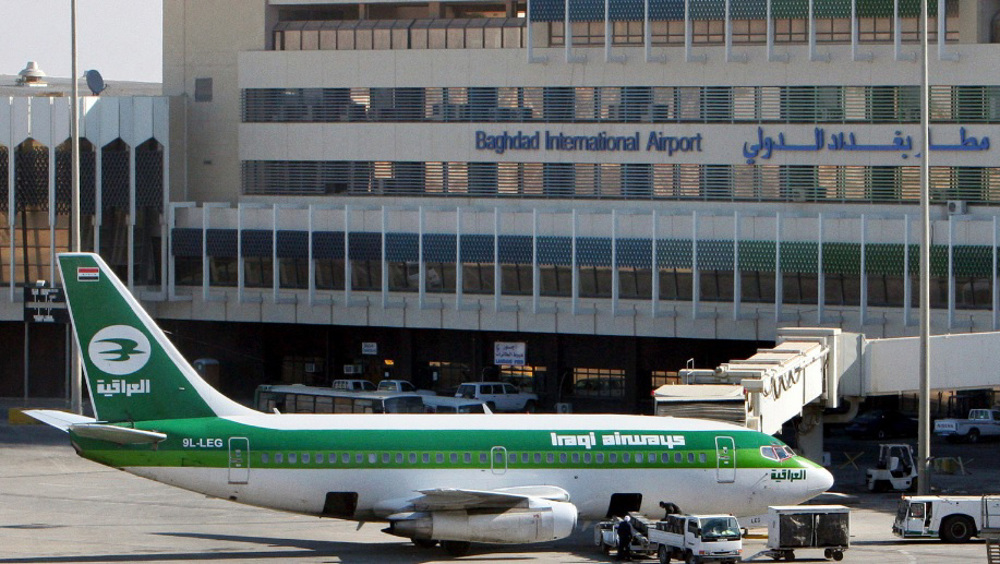
The Iraqi government says it has reached an agreement to allow Iranian airlines to operate 40 daily flights to and from Najaf International Airport, following nationwide rallies against the suspension of commercial flights between the two neighboring Muslim countries over US sanctions.
The decision, however, excludes privately owned Mahan Air, which operates scheduled domestic services and international flights to destinations across the Far East, West Asia, Central Asia, South Asia, Southeast Asia, East Asia and Europe.
The Iraqi prime minister’s media office said in a statement on Friday that the agreement followed efforts to facilitate “the movement of passengers and pilgrims arriving in or departing from Iraq” and meet humanitarian, medical, tourism and educational needs.
“Air travel does not merely represent transportation between two airports, but rather a bridge of communication between peoples,” Iraqi Prime Minister Ali al-Zaidi said.
He stated that Iraq conducts its foreign relations based on the interests of its people and seeks balanced and positive ties with different countries.
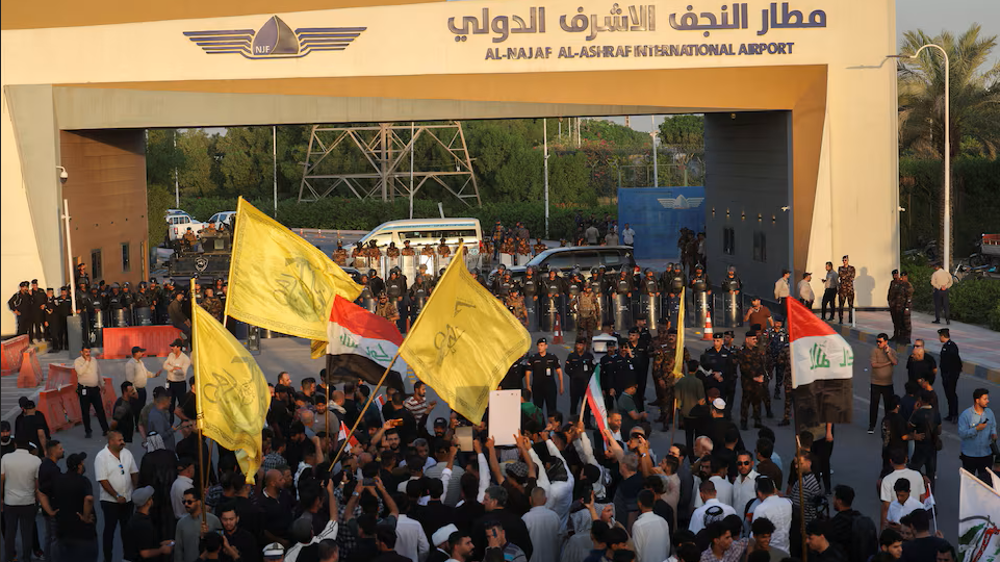
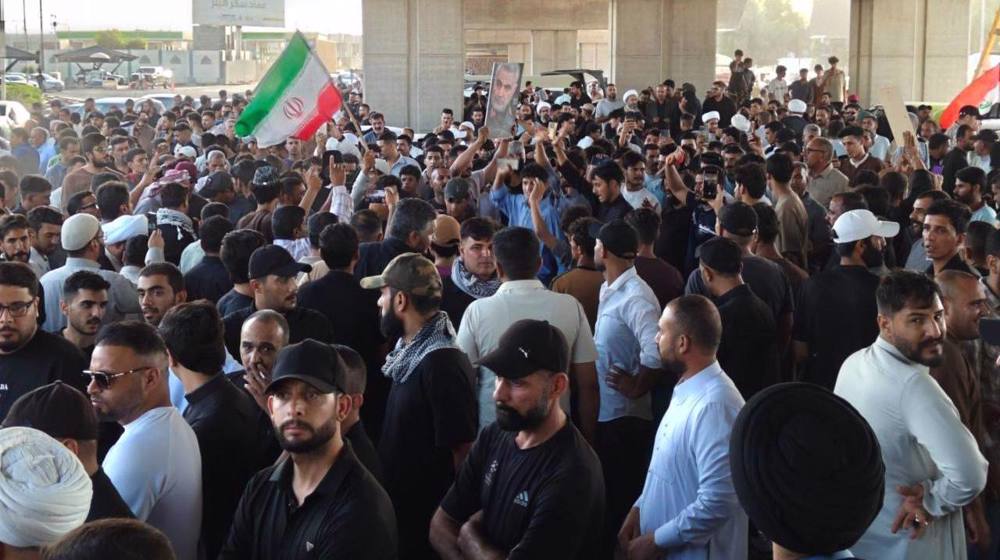
On Monday, Iraqis from across the country took to the streets to protest the Baghdad government’s decision to suspend all flights to and from Iran, a move linked to US secondary sanctions.
Later that day, Iraqi Airways resumed commercial flights between the holy city of Najaf and Iranian airports after Baghdad held direct talks with Washington to secure exemptions for certain aviation facilities from the US secondary sanctions.
Commercial air travel between Iraq and Iran had come to a halt last week after ground-handling companies stopped providing services on the routes over concerns about possible US sanctions, prompting airlines to cancel their flights.
The disruption followed a September 8 decision by the US Treasury Department to impose sanctions on 27 Iranian airlines, accompanied by a warning that international airports, fuel suppliers, ground-handling companies and other service providers working with sanctioned airlines could also face secondary sanctions.
Iran has technological surprises in store for enemies: IRGC
Reality is shaped by Iran; Trump can win only in his imagination: Top security chief
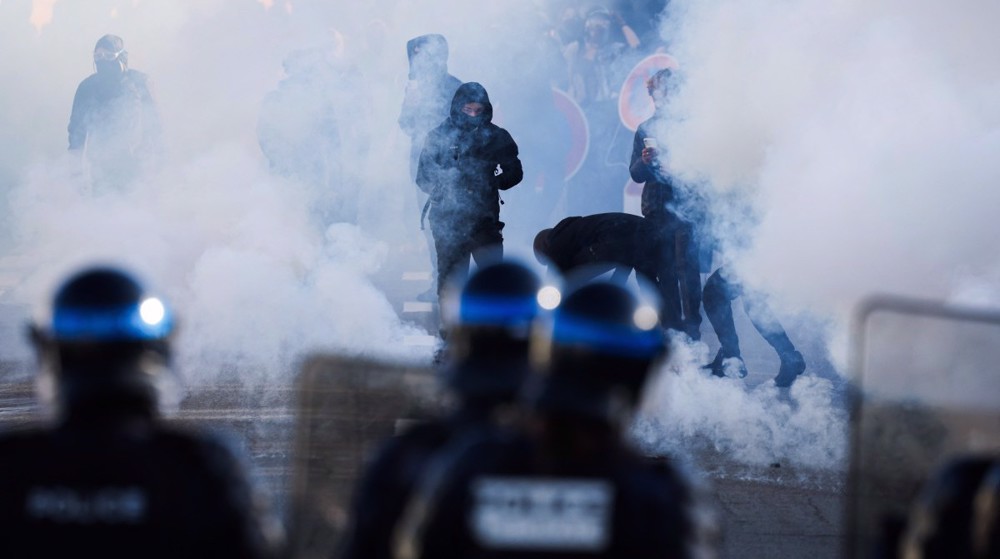
Iran condemns French police violence against protesting students



Iraq allows 40 daily Iranian flights to and from Najaf after protests over US sanctions
Israel intensifies al-Aqsa incursions as over 11,400 settlers storm holy site
China calls for respecting Iran's right to peaceful use of nuclear energy
Seoul demands Ukraine apology after Zelensky discloses North Korean POW transfer
VIDEO | Political-financial scandal casts shadow over Brazil’s presidential race
IRGC Ground Force dismantles terrorist cell in Sistan and Baluchestan, kills two
VIDEO | Press TV's news headlines
Iran has technological surprises in store for enemies: IRGC


 PressTV NEWSLETTER
now
PressTV NEWSLETTER
now
 This makes it easy to access the Press TV website
