Iran, Russia, China have no choice but to unite against US lawlessness: Iran foreign ministry
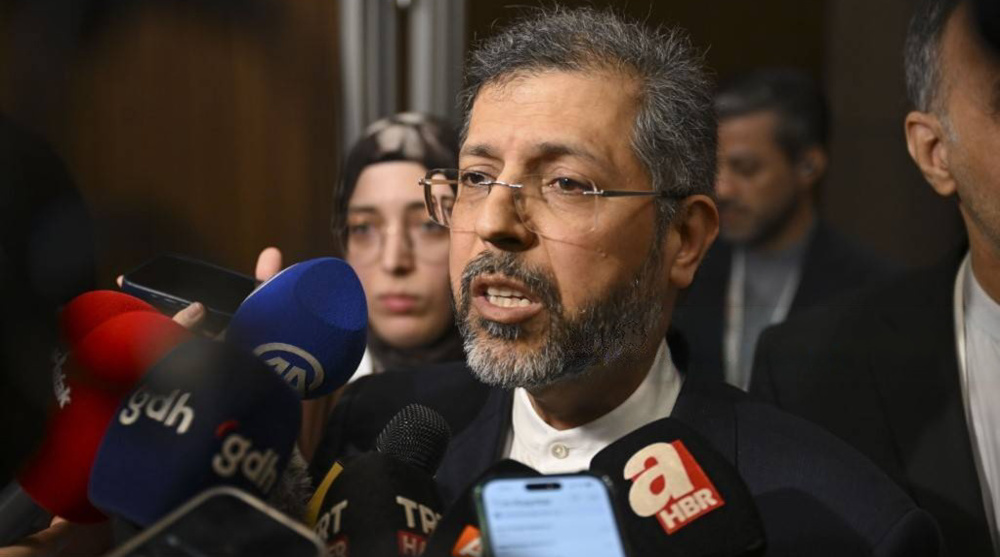
Iranian Deputy Foreign Minister Saeed Khatibzadeh says that the world is moving away from US hegemony, and Iran, Russia and China must stand together against US attempts to impose political and economic dictates on other countries through “blatant use of force.”
Speaking to Russia-1 television in Moscow on Thursday, Khatibzadeh described the international system as being in a period of rapid change.
“The world is changing,” the Iranian diplomat said, adding that the world was moving away from “American hegemony and its lawlessness.”
He condemned Washington for attacking countries, violating international law, imposing sanctions and seeking to change the political structures of other states.
“We are in a new environment where independent countries have only one choice, and that is to unite against this defiance and lawlessness,” Khatibzadeh declared.
Khatibzadeh also pointed to BRICS and the Shanghai Cooperation Organization (SCO) as responses to US-driven crises in the international system, saying the groupings offer “hopes for creating a fairer world based on accepted rules.”
The US pressure extends beyond military power, he said, adding, “Washington has even turned the dollar into a weapon against all of us. It has also turned the economy into a weapon against us.”
New capacities in Iran-Russia strategic ties
Turning to Tehran-Moscow relations, Khatibzadeh described the ties as historical but noted that the two countries are now pursuing them at the level of a strategic partnership.
“Today, more importantly, our relations are being pursued at the level of a strategic partnership,” he explained, referring to the comprehensive strategic partnership document signed by Iran and Russia.
He outlined cooperation in economic, political, security, military and cultural fields, as well as people-to-people exchanges, adding that “what we see today in relations between Tehran and Moscow is comprehensive expansion in all dimensions, which is very encouraging.”
At the same time, Khatibzadeh pointed to unused potential, maintaining that “many potential and untouched capacities remain,” while Tehran and Moscow are working to activate new areas of cooperation.
Iranian people mounted comprehensive national defense
Addressing the US-Israeli aggression against Iran, Khatibzadeh recalled that the attack began while negotiations were underway and international parties were saying an agreement was close.
He detailed criminal attacks on Iranian civilian targets, including an elementary school in Minab where 168 children and school staff were massacred in a double-tap strike on February 28.
Americans committed war crimes in Iran, and these crimes will always be remembered, added the diplomat.
Facing the aggression, “the Iranian people stood in a comprehensive and courageous national defense,” Khatibzadeh stated.
The Iranian nation had decided “to turn this grief and hardship into national anger and all this sorrow into a courageous resistance,” while diplomats, soldiers, commanders and politicians continued defending the country, he added.
Iran seeks 'concrete' guarantees for end to aggression
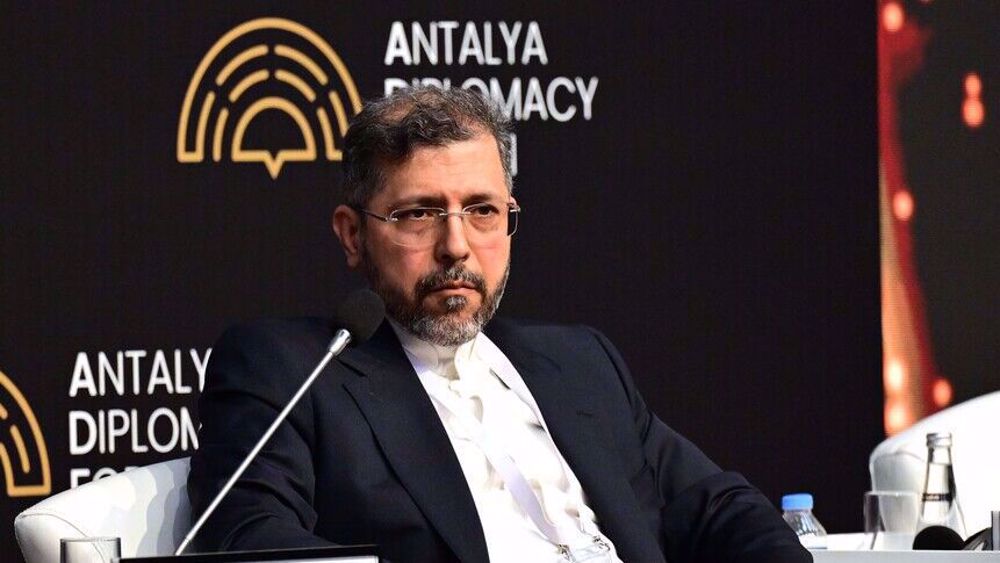
Khatibzadeh reaffirmed that Tehran wants to resolve the crisis through diplomacy despite repeated US violations of agreements.
“Our policy and approach is to try to end this crisis through diplomacy, although the other side has betrayed the negotiating table many times,” he said.
He disclosed that Iran had conveyed its seven-day initiative to Washington through Qatar and had received the US side’s initial views through the Qatari mediator.
“The ball is in America’s court,” Khatibzadeh said, adding that Tehran wants “concrete guarantees” for an end to the war on all fronts, the release of frozen Iranian assets and the lifting of the blockade.
Under Iran’s proposal, he explained, Tehran would be ready to reopen the Strait of Hormuz and begin negotiations at the end of the sixth day if Washington fulfills all its commitments.
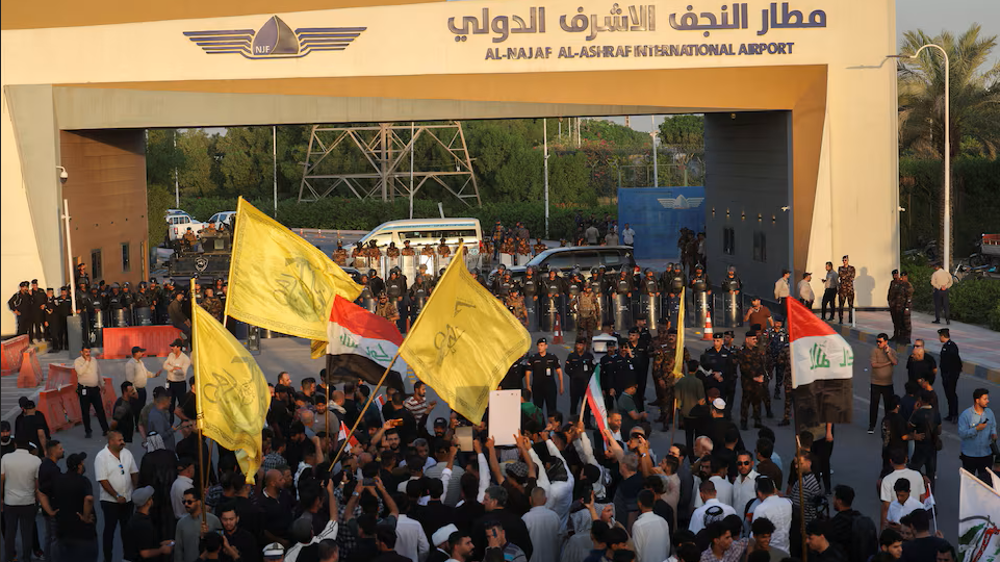
Iran calls on Iraq to lift flight restrictions, reject US ‘economic terrorism’
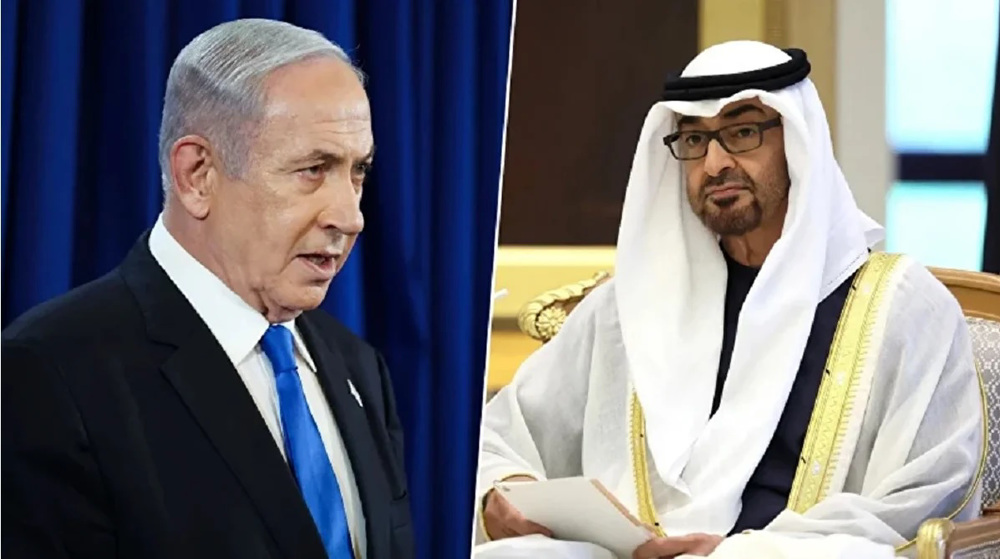
Source: Netanyahu plotted false-flag aircraft hijacking to drag Trump into new war against Iran
Iran slams US over lasting fallout of nuclear tests in Marshall Islands



Eritrea cuts ties with Ethiopia as new Red Sea conflict looms
Iran condemns US for abusing UNSC to advance own political agendas
VIDEO | India-US ties strained as Washington weighs tariffs over import of Russian oil
Iran, Russia, China have to unite against US lawlessness: Deputy FM
Iran calls on Iraq to lift flight restrictions, reject US ‘economic terrorism’
Funeral held for 105 Gazans recovered from rubble after nearly three years
VIDEO | Yemenis decry Saudi hypocrisy as kingdom welcomes Zionists, strikes Yemen
VIDEO | Brits oppose NHS-Palantir ties over Israel


 PressTV NEWSLETTER
now
PressTV NEWSLETTER
now
 This makes it easy to access the Press TV website
