Eritrea cuts ties with Ethiopia as new Red Sea conflict looms
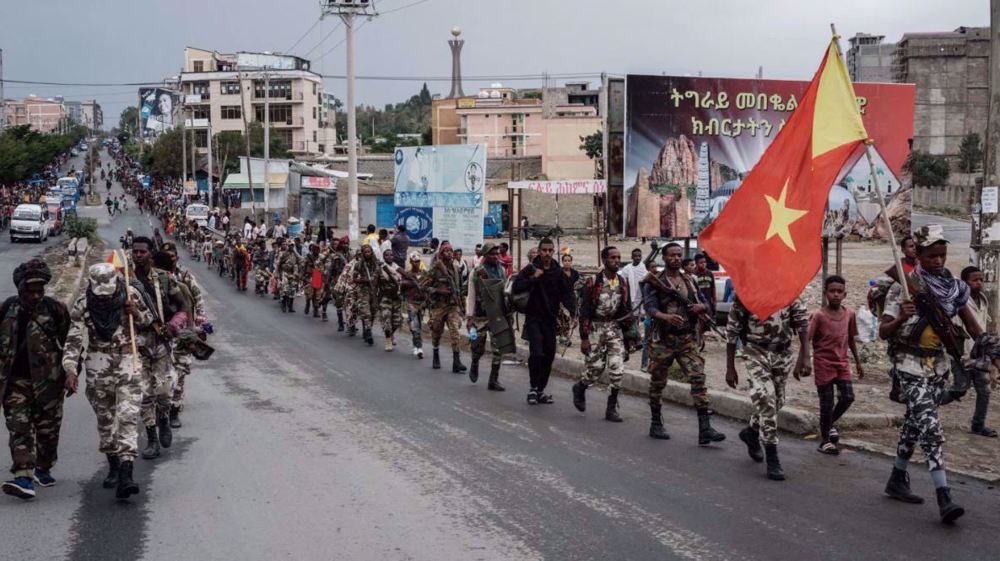
Eritrea has cut ties with Ethiopia in a tit-for-tat move, as both sides accuse each other of engaging in hostile actions, raising fears that another war could erupt in the Red Sea region.
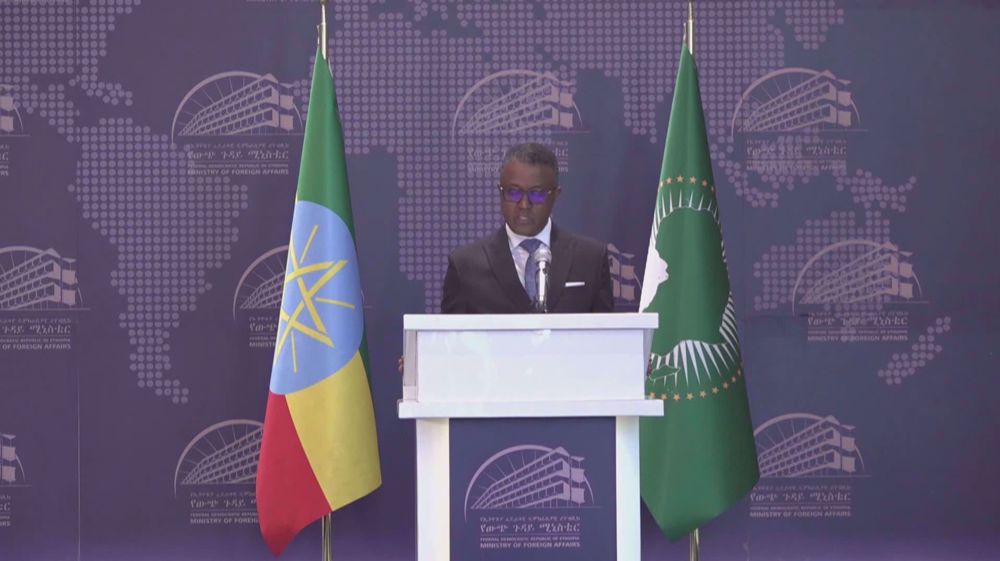
On Thursday, Ethiopia said it was expelling 10 Eritrean diplomats and would shut its embassy in the Eritrean capital, Asmara.
Ethiopia accused Eritrea of engaging in “direct and indirect acts of hostility and belligerence” against it.
This came as overnight explosions were heard in the Ethiopian capital, Addis Ababa.
Western and regional officials in Addis Ababa told Middle East Eye that the sound of explosions was due to a drone strike. Meanwhile, AFP reported that the explosion hit the Ethiopian National Defense Force headquarters in the Tor Hayloch area in the capital.
Reuters quoted a source linked to the opposition alliance fighting government forces in the northern regions of Tigray, Amhara and Afar as saying that the alliance had carried out several drone strikes in Addis Ababa, including some targeting the military’s headquarters.
In a tit-for-tat move, Eritrea announced it was severing all diplomatic ties with Ethiopia, accusing it of pursuing “an agenda of incessant hostility” against it.
“In parallel with these aggressive intentions, Ethiopia has gone further to host, train, and provide arms to an assortment of what it calls ‘Eritrean armed opposition groups’ to stoke internal conflict for ‘regime change’ in Eritrea,” Eritrea’s Ministry of Foreign Affairs said in a statement.
The two neighboring countries have been at odds for months, with regional diplomats warning that relations were deteriorating fast.
The two briefly formed an alliance to fight the Tigray People’s Liberation Front (TPLF), the ruling party in Ethiopia's Tigray region, during Ethiopia’s 2020-2022 civil war. They have later returned to being bitter foes.
Ethiopia has claimed sovereignty over Eritrea’s Red Sea coastline and accuses Asmara of backing rebel groups such as the TPLF, claims Eriteria categorically denies.
"[Ethiopia’s Prime Minister Abiy Ahmed] has a two-waters strategy like Israel. Only for him it is from the Nile River to the Red Sea," Eritrean Foreign Minister Osman Saleh said in an interview with MEE last month, referring to an Israeli expansionist policy that stretches from the besieged Gaza Strip to the Jordan River at the frontier of the occupied West Bank.

As fighting is already flaring between Ethiopia’s federal government and the TPLF, the breakdown in relations between Ethiopia and Eritrea could widen the war to the Red Sea.
The Red Sea region already sees escalating fighting between Yemeni armed forces and Saudi-backed mercenaries along Yemen’s western coast as well as a conflict between the Sudanese Armed Forces (SAF) and the paramilitary Rapid Support Forces (RSF), which is backed by Israel’s key regional ally, the United Arab Emirates, and has training camps in Ethiopia.
The risk is that the conflict could draw in regional players, including Egypt, Turkey, Somalia, and the Persian Gulf Arab states.
The TPLF is already aligned with the Sudanese military (SAF). Eritrea is aligned with Egypt and Saudi Arabia in supporting the SAF.
Meanwhile, the UAE is one of Ethiopia’s staunchest supporters, and has supplied Abiy Ahmed’s forces with drones and other military equipment.
The Eritrean foreign minister has noted that Asmara believes the UAE is cooperating with Israel against Asmara.
Israel and Ethiopia share a strong relationship. In the late 1970s and late 1980s, the occupying Israeli regime provided arms to Ethiopia's Marxist Derg government, which were used against Eritrean fighters.

Algeria cuts diplomatic ties with UAE amid escalating tensions
Libya’s NOC warns of force majeure at country’s largest refinery after drone strikes
Mali says Ukraine training, arming Al-Qaeda-linked militants in Sahel



Eritrea cuts ties with Ethiopia as new Red Sea conflict looms
Iran condemns US for abusing UNSC to advance own political agendas
VIDEO | India-US ties strained as Washington weighs tariffs over import of Russian oil
Iran, Russia, China have to unite against US lawlessness: Deputy FM
Iran calls on Iraq to lift flight restrictions, reject US ‘economic terrorism’
Funeral held for 105 Gazans recovered from rubble after nearly three years
VIDEO | Yemenis decry Saudi hypocrisy as kingdom welcomes Zionists, strikes Yemen
VIDEO | Brits oppose NHS-Palantir ties over Israel


 PressTV NEWSLETTER
now
PressTV NEWSLETTER
now
 This makes it easy to access the Press TV website
