War on Iran hits back: JPMorgan can’t predict oil prices after US crossed ‘red lines’

Oil analysts of the American investment bank, JPMorgan Chase & Co., have given up predicting crude prices as they are unsure about how long the US-imposed war on Iran will last.
"For the first time since the start of the Iran conflict, we don't have a baseline view," said Natasha Kaneva, head of global commodities strategy at JPMorgan, in a Thursday note.
"We simply don't know how to model the endgame."
The note, written by Kaneva and other analysts, noted at the beginning of the war, JPMorgan had assumed there were some economic red lines that the US administration would not cross, including oil rising above $100 a barrel, gasoline prices nearing $5 a gallon and surging treasury yields.
More than six months after the start of the war, many of those lines have been crossed, making an "exit strategy" for the war less clear, the analysts said.
"With no clear signals from either the US or Iran that they are prepared to de-escalate … the assumption that the disruption is temporary is becoming increasingly difficult to sustain," they wrote.
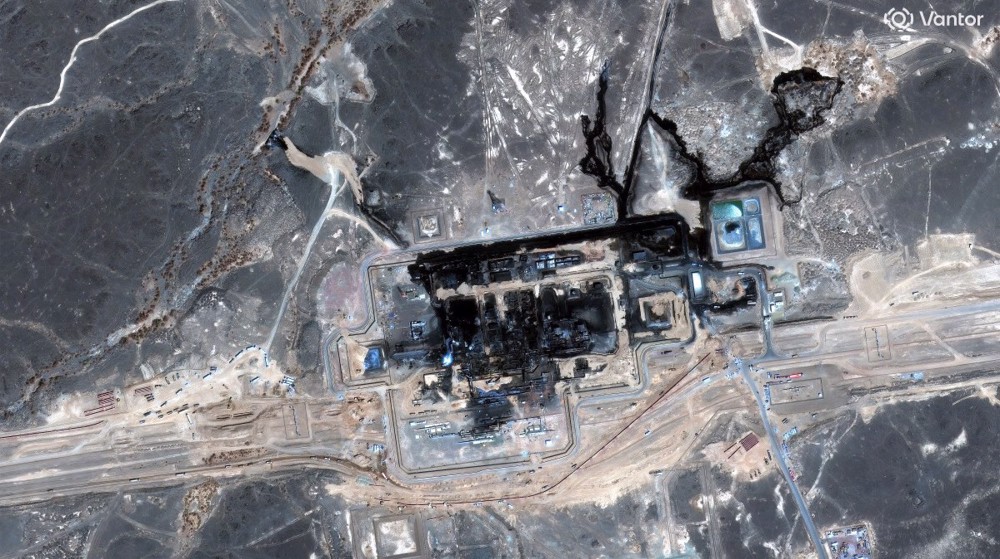
The continued closure of the Strait of Hormuz and damage to critical Persian Gulf energy infrastructure, including from a recent attack on Saudi Arabia's vital East-West pipeline, continue to fuel worries about future oil supplies.
Ukrainian strikes on Russian oil refineries have also contributed to the crisis, causing diesel prices to rise above $6 per gallon.
"The market is on edge, in our view," the analysts said in the note, which received wide attention from oil traders.
When asked in May whether he was concerned about the damage to the economy or costs to US consumers that higher oil prices from the war might cause, US President Donald Trump responded, "Not even a little bit."
"I don't think about Americans' financial situations. I don't think about anybody. I think about one thing. We cannot let Iran have a nuclear weapon," he claimed.
According to the note, JPMorgan estimated oil's fair value in September at around $90 a barrel even though current prices are close to $106.
This difference implies the market is pricing in the risk of an additional 4 million barrels a day of supply losses on top of the 10 million barrels a day already lost due to the war.
Although the war has reduced the global stockpile of oil, there is still enough of a buffer to limit further crude price increases, the analysts said.
However, if West Asian flows remain at current levels, the firm estimates fourth quarter and December 2026 prices could be $7 and $8 above current forecasts of around $80 and $78 a barrel, respectively.
The US and Israel launched another round of aggression against Iran on February 28, some eight months after carrying out unprovoked attacks on the country.
Iran swiftly retaliated by launching barrages of missiles and drones at the Israeli-occupied territories, as well as US bases and interests across the region.
A ceasefire took effect on April 7, and on June 18, the presidents of Iran and the United States signed a memorandum of understanding (MoU) to end the war and begin a 60-day diplomatic process to resolve the differences.
However, renewed US strikes in July after violating its commitments under the MoU, prompting separate rounds of Iranian retaliatory attacks against US assets across the region.

Skyrocketing US inflation

World losing faith in US financial system says Araghchi amid US debt meltdown

Qalibaf: Bessent on the brink as oil reserves fall and bond yields surge



VIDEO | Russians head to polls as 3-day parliamentary elections kick off
VIDEO | South Korean president drops Hormuz deployment plan amid protests
VIDEO | Yemenis slam Saudi claims of targeting holy city of Mecca
VIDEO | IAEA conference urges agency to act against Israel
Report: US military death toll in war on Iran exceeds Department of War’s public count
Iran condemns deadly terrorist attack on mosque in Pakistan
Yemen warns Saudi of ‘new targets’ if it maintains hostile policies
VIDEO | The blade of scissors


 PressTV NEWSLETTER
now
PressTV NEWSLETTER
now
 This makes it easy to access the Press TV website
