US congressional assessment warns of inflation, weapons shortages as war against Iran runs up $38-billion bill
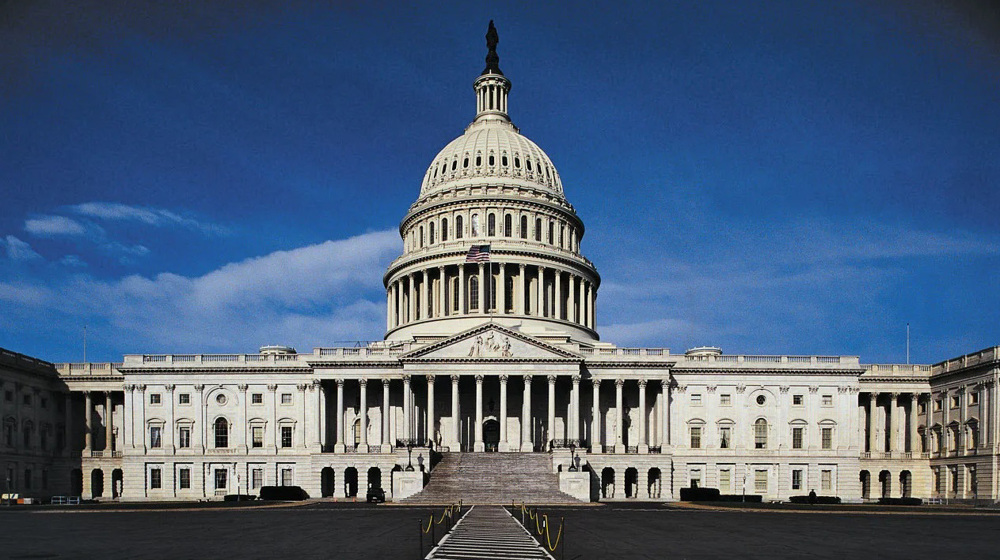
The war against Iran has cost the US at least $38 billion through the end of July and is expected to further fuel inflation, while the depletion of key weapons stockpiles could constrain Washington's ability to respond to another major confrontation, a congressional assessment shows.
The assessment was released by the Congressional Budget Office (CBO) on Tuesday, with the office warning that the direct costs of the aggression that was launched by the United States and the Israeli regime on February 28, could continue rising amid Washington’s continued violations against the Islamic Republic and Tehran’s ongoing retaliation.
US military nearing 'breakdown' amid sustained Iranian attacks: US officials
— Press TV 🔻 (@PressTV) September 15, 2026
https://t.co/t8CTemsKtV
Munitions account for most of the spending, with another $2 billion to $3 billion expected to be spent each month, it said.
Damage to US bases excluded
The sheer estimate emerged even without taking into account the damage that the Iranian reprisal has been inflicting on American outposts throughout the West Asia region.
War on Iran damaged hundreds of US facilities, depleted key munitions: Pentagonhttps://t.co/VuStRgEgFP
— Press TV 🔻 (@PressTV) September 15, 2026
The CBO, meanwhile, warned that the shortfall afflicting US inventories of missiles and air-defense weapons could become particularly serious, citing Iran’s possession of a significant number of missiles.
The agency also said rebuilding depleted weapons stocks could take five years or longer.
"Missile defense interceptors are in short supply because they have been produced at relatively low rates,” it noted, saying the US Department of War had a “limited” inventory of such missiles.
A Department of War inspector general report issued on Monday had similarly found that the expenditure of munitions against Iran had "resulted in strategic inventory shortfalls."
The CBO said Patriot and SM-6 interceptors cost roughly $4 million each, while THAAD interceptors cost about $12 million and SM-3 interceptors can cost roughly $28 million apiece.
Inflation, long-term costs
The CBO estimated that the war could add roughly half a percentage point to the US inflation rate early next year, largely because of higher energy prices resulting from supply disruptions.
The Islamic Republic has closed the strategic Strait of Hormuz in retaliation for the aggression, besides directing its reprisal against the US’s logistical network in the region among other hostile targets.
The eventual cost is also expected to exceed the current $38 billion estimate, the CBO cautioned, even without factoring in the cost incurred as a result of Iranian retaliatory strikes against US interests in countries such as Bahrain, Kuwait, Qatar, and Jordan.
‘Not a real war-cost analysis’
The agency also excluded long-term medical care and disability payments for wounded veterans amid reports that the Iranian reprisal has injured more than 800 US troops.
"Counting munitions expended while leaving veterans' care and benefits is not a real war-cost analysis," Rep. Mark Takano said. "It is a bill sent to veterans and taxpayers later."

US democracy indicators hit 50-year low under Trump: Report
CIA documents reveal clear warnings to US president before 9/11

Trump says he doesn't regret terrorist war on Iran as blowback widens



Iran’s military victory must be complemented by victory in battle of narratives: Basij chief
VIDEO | Press TV's news headlines
US assessment warns of inflation, weapons shortages as war against Iran runs up $38-billion bill
VIDEO | Trump's South Korea Hormuz demand causes backlash
VIDEO | Israel’s detention, harassment of journalists an assault on truth: Political analyst
VIDEO | 200 days of resistance
Report shows Trump planning ‘largest bomb transfer in modern US history’ to Israel
Pentagon finally admits Iran struck US F-35 fighter jet


 PressTV NEWSLETTER
now
PressTV NEWSLETTER
now
 This makes it easy to access the Press TV website
