Libya’s NOC warns of force majeure at country’s largest refinery after drone strikes
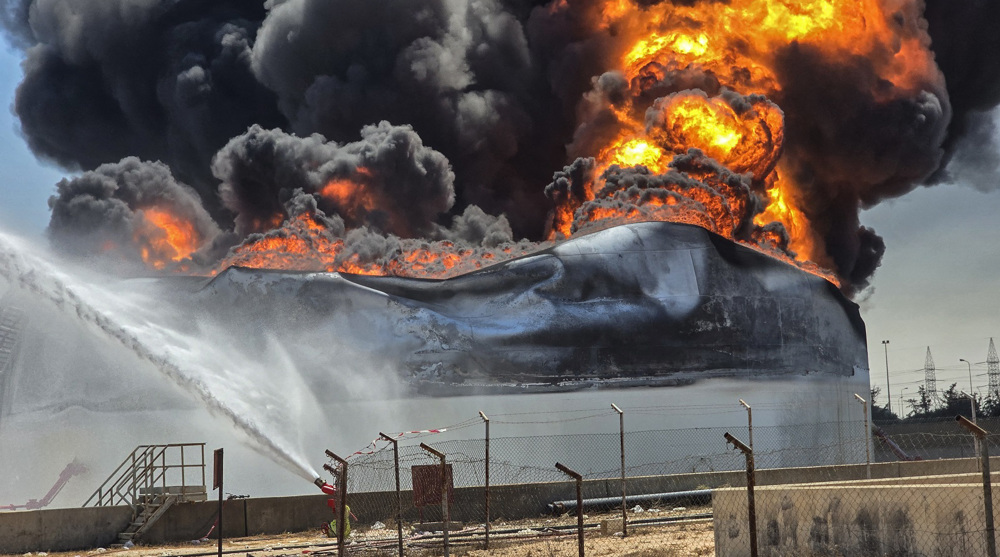
Libya’s National Oil Corporation (NOC) has warned it could declare force majeure and suspend operations at the Zawiya refinery, the country’s largest operating refinery, if repeated drone attacks on oil infrastructure in the city continue.
The warning came on Thursday after a drone strike hit an oil blending and filling plant operated by Zawiya Oil Refining Company.
No casualties or immediate material damage were reported from the strike, but Libya’s oil ministry said a targeted tank containing about 4.5 million liters of gasoline collapsed.
The incident marked the third reported attack on oil assets in Zawiya in the past week, while no group has claimed responsibility and Libyan authorities have not identified those behind the strikes.
Located about 40 kilometers west of Tripoli, the Zawiya refinery can process up to 120,000 barrels of oil per day and is connected to the Sharara oilfield, Libya’s largest active oilfield with a production capacity of 300,000 barrels per day.
Any prolonged disruption at Zawiya could therefore spread through Libya’s oil network, threatening supplies from the Sharara field and placing further pressure on a sector that provides the government with virtually all of its revenue.

A force majeure declaration would allow the NOC to suspend contractual obligations without facing legal penalties when circumstances beyond its control prevent normal operations.
The threat comes as Libya remains divided between rival administrations in Tripoli and the east following the 2011 overthrow of Muammar Gaddafi.
The country’s oil infrastructure has consequently faced repeated blockades and attacks, disrupting production and exports.
The latest strikes have heightened concerns over the security of Libya’s energy network, particularly for Mediterranean markets and buyers that depend on Libyan crude supplies.
No timeline has been given for a possible force majeure declaration, and the NOC has not said whether it has begun contingency planning to reroute production from the Sharara field through alternative export infrastructure.
The warning over repeated attacks on Libya’s Zawiya oil infrastructure comes against the backdrop of Ukraine’s sustained drone campaign against Russian oil refineries and other energy facilities, which has disrupted refining capacity and raised concerns over the security of energy supplies and infrastructure.
While there is no evidence in the present case linking the Zawiya attacks to Ukraine or Russia, the developments carry a broader message for European energy consumers.
Repeated attacks on oil infrastructure can quickly turn into disruptions affecting production, exports, prices and the wider energy security of markets that depend on imported crude and refined products.
From this perspective, the threat of a force majeure declaration at Zawiya highlights the vulnerability of energy infrastructure far beyond the immediate area of conflict.

Libya’s Gaddafi fatally shot Imam Musa Sadr in chest: Report
Polisario terror bid emerges amid Ceuta crisis, deepening US-Israel-Morocco ties

Ceuta's migration crisis exposes hidden price of Spain's defiance against US-Israel-Morocco axis



Resistance group calls on Iraqi govt. to reconsider suspension of Iranian flights
US aviation sanctions endanger health of Iranians: Rights body
From ‘How Will This End For Iran’ to ‘When America Walks Away’: A tale of two Economist covers
Five UK nationals arrested over alleged plan to bomb US-run base
Iran’s Ali Alipour wins Asian Games gold in weightlifting with world-record total
VIDEO | Pakistan commemorates Nasrallah martyrdom anniversary, reaffirms support for Palestine
Leader: Days of foreign domination that enemies seek are gone forever
Sana’a marks 2nd anniversary of Nasrallah martyrdom


 PressTV NEWSLETTER
now
PressTV NEWSLETTER
now
 This makes it easy to access the Press TV website
