US aviation sanctions endanger health of Iranians: Rights body
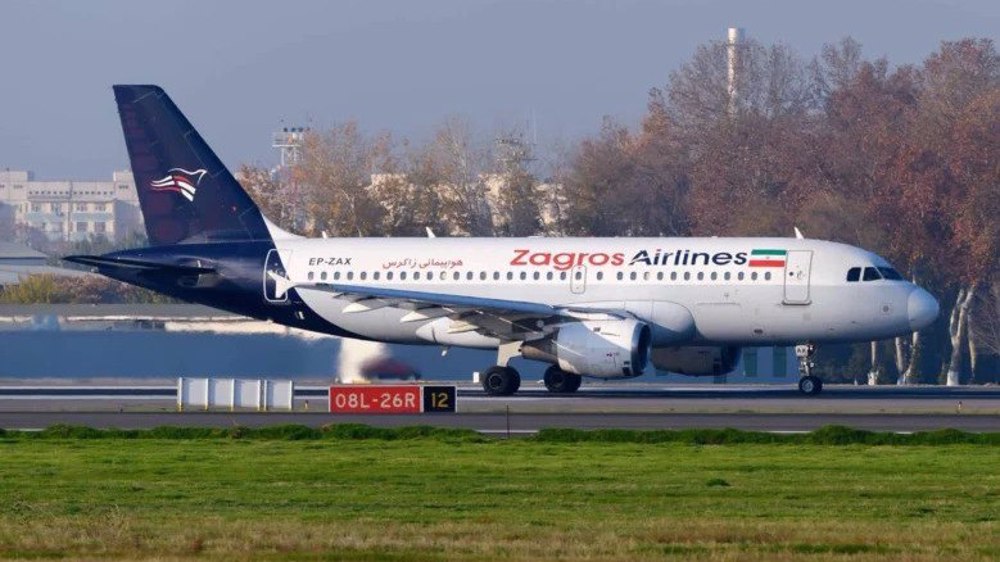
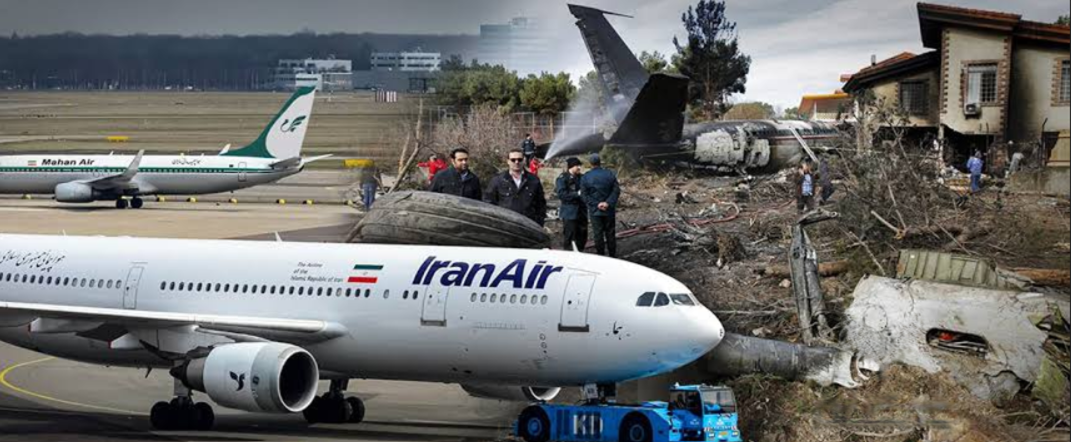
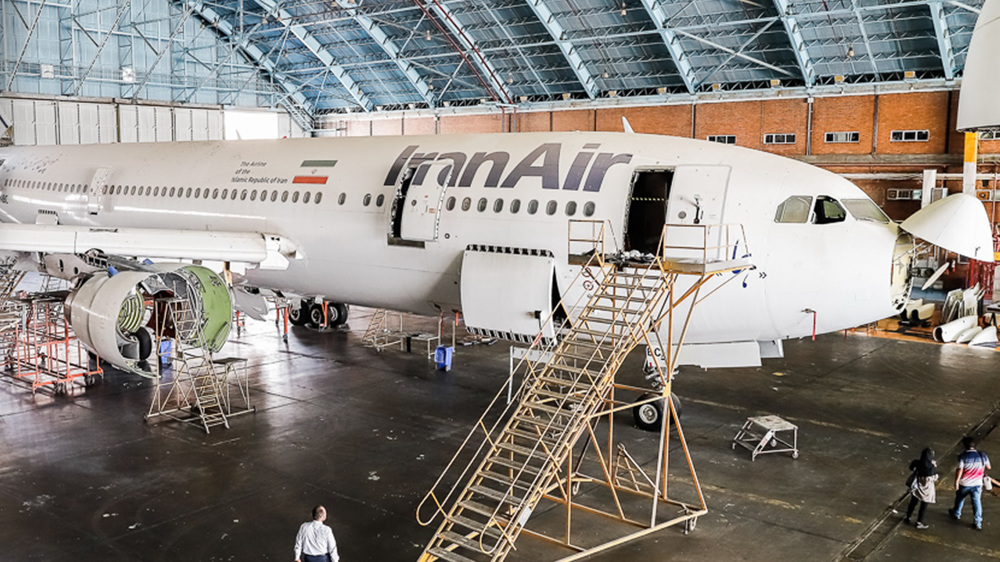
Iran’s High Council for Human Rights (HCHR) has strongly condemned the United States’ recent move to expand sanctions against the Islamic Republic’s aviation industry, saying the coercive measures put the health of Iranian people at risk.
In a statement released on Monday, the council said the sanctions as well as the US pressure on third parties to restrict Iran’s access to services, equipment, and technical capabilities necessary to maintain aviation safety are “a matter of serious concern” from the perspectives of human rights, international law, and the international civil aviation system.
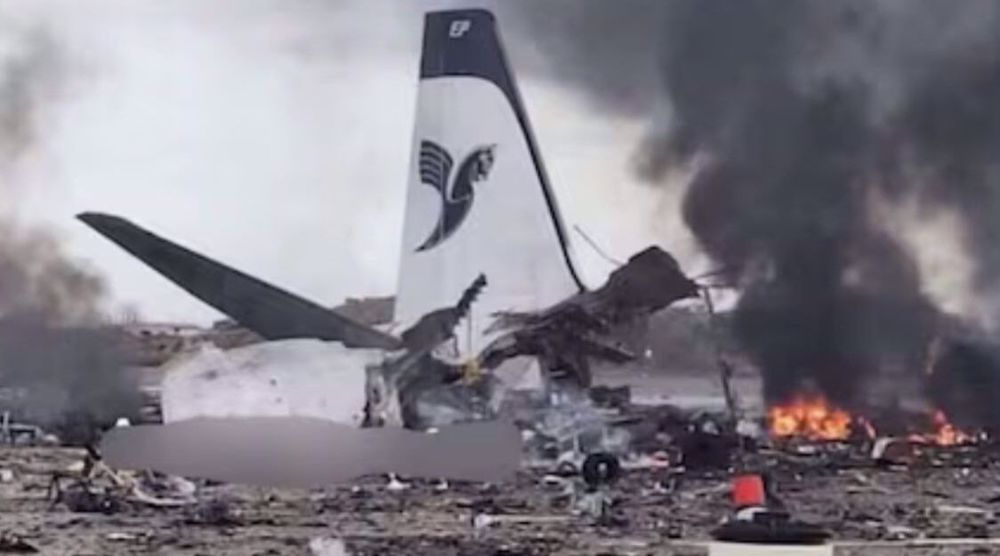
“The HCHR emphasizes that civil aviation is not merely an economic or commercial activity; rather, it is a sector directly connected with the safety, health, and lives of human beings. The continued safety of flight operations requires regular and reliable access to spare parts, engines, navigation and communication equipment, maintenance and repair services, technical support, and other specialized necessities.”
“Imposing restrictions on this supply and support chain may therefore have consequences extending beyond commercial and economic relations. The international legal framework governing civil aviation is likewise founded upon the need for the safe and orderly development of international air transport and cooperation among states.”
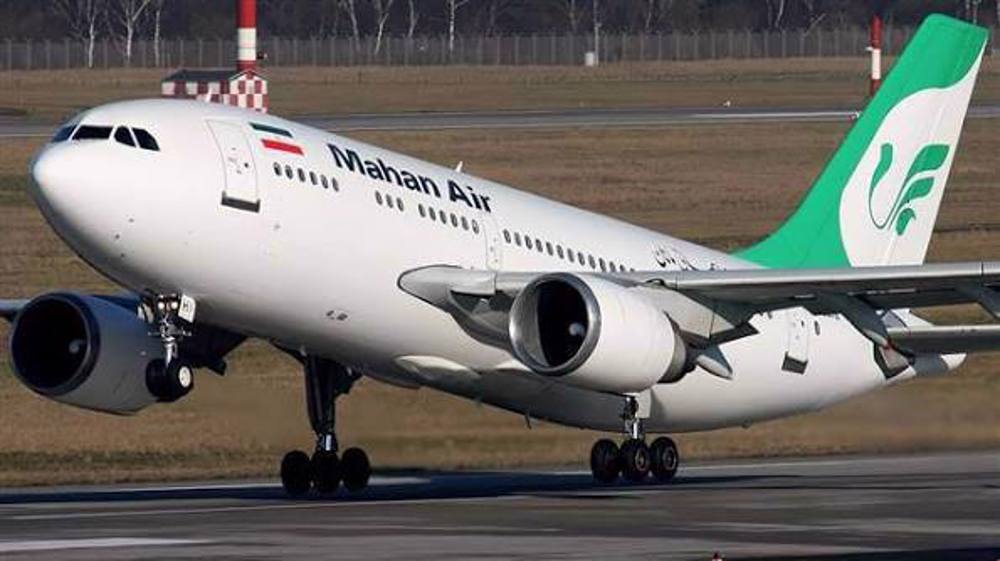
On September 8, the US Treasury Department slapped sanctions on 36 targets linked to Iran’s aviation sector, including 27 airlines, amid the broader economic terrorism against Iranians.
The restrictive measures also targeted companies and intermediaries accused of helping Tehran acquire US-origin aircraft and aviation technology.
The rights body said the 1944 Chicago Convention, to which the Islamic Republic of Iran is a party, identifies, among other things, the safe and orderly development of international civil aviation, meeting the needs of the peoples of the world for safe, regular, efficient, and economical air transport, and preventing discrimination among contracting states as objectives of the International Civil Aviation Organization (ICAO).
It also noted that political disputes and considerations among governments should not come at the expense of weakening aviation safety standards and restrict people’s access to safe air transportation.
Civil aviation and flight safety should not be used as instruments for political pressure, it said.
Meanwhile, the council urged the international community, particularly the United Nations, the Human Rights Council, ICAO, and relevant human rights mechanisms, to adopt a responsible approach grounded in international law when addressing the humanitarian consequences of aviation sanctions.
It further called on ICAO to take appropriate action to ensure adherence to the principles governing safety, cooperation, and non-discrimination in international civil aviation.
Resistance group calls on Iraqi govt. to reconsider suspension of Iranian flights
Leader: Days of foreign domination that enemies seek are gone forever
Iran condemns Trump’s ‘hateful and disgusting’ threats in UN complaint



Resistance group calls on Iraqi govt. to reconsider suspension of Iranian flights
US aviation sanctions endanger health of Iranians: Rights body
From ‘How Will This End For Iran’ to ‘When America Walks Away’: A tale of two Economist covers
Five UK nationals arrested over alleged plan to bomb US-run base
Iran’s Ali Alipour wins Asian Games gold in weightlifting with world-record total
VIDEO | Pakistan commemorates Nasrallah martyrdom anniversary, reaffirms support for Palestine
Leader: Days of foreign domination that enemies seek are gone forever
Sana’a marks 2nd anniversary of Nasrallah martyrdom



 PressTV NEWSLETTER
now
PressTV NEWSLETTER
now
 This makes it easy to access the Press TV website
