Lavrov slams EU’s seizure of Russian vessels as 'piracy', warns of retaliation
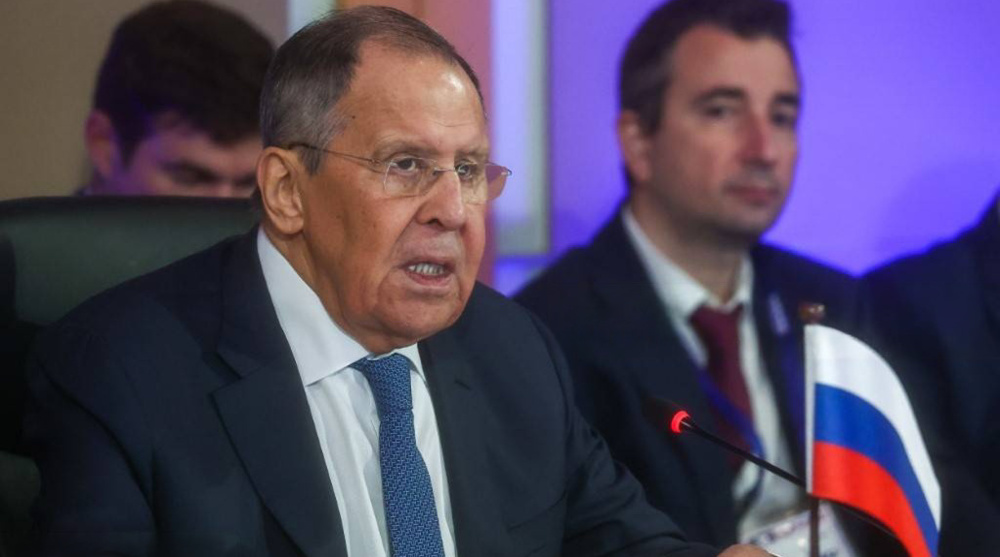
Russian Foreign Minister, Sergey Lavrov, has condemned the European Union’s measures allowing the seizure of Russian commercial vessels and their cargoes as “robbery” and “piracy,” warning that Moscow will retaliate against targets of its choosing.
Lavrov made the remarks during an interview with the Russian state television broadcaster VGTRK on Thursday while discussing EU restrictions on vessels carrying Russian energy cargoes.
The EU adopted a measure in July as part of its 21st sanctions package against Russia, allowing member states to confiscate Russian commercial vessels and sell their cargo, including oil and grain.
Lavrov rejected the EU’s use of the term “shadow fleet” for vessels operating outside its restrictions, adding that the designation had no basis in international law.
He also denounced Brussels for treating its own decisions as superior to international law and seeking to restrict Russia’s ability to earn revenue on international markets.
“The President of the Russian Federation Vladimir Putin has very clearly and calmly said that we will respond to this robbery, to this piracy, in kind,” Lavrov stated, adding, “We will choose the targets ourselves.”
Lavrov further warned that Russia could target vessels operating in the interests of countries that have made “robbery and piracy” part of their official policy.
His remarks came after Putin similarly warned on Wednesday that Moscow would retaliate if European countries seized Russian commercial vessels.
He said Russia would be ready to carry out its own seizures “wherever we deem it necessary and appropriate,” according to TASS news agency.
Furthermore, Lavrov criticized Japan’s current policy toward Russia, contrasting it with former Prime Minister Shinzo Abe’s approach, which he said recognized that Japan’s national interests could not be secured without cooperation with Moscow.
He said that Abe’s successors had instead pursued closer coordination with the US while pursuing Japan’s remilitarization.
Lavrov also expressed surprise over Japanese Foreign Minister Toshimitsu Motegi’s description of a brief encounter between the two men on the sidelines of an ASEAN forum in the Philippines as a discussion of bilateral and regional issues.
“I was astonished, because this happened during an official banquet, where there was a long table and all the ministers were seated,” Lavrov recounted, describing how Motegi approached him briefly before returning to his seat.
“I shook his hand, and he went back to his seat. And that, they call ‘discussing bilateral and regional issues,’” he added.
Lavrov also referred to a recent visit by a Japanese business delegation, saying its members had openly acknowledged that they had been instructed by Tokyo not to discuss projects with Russia.
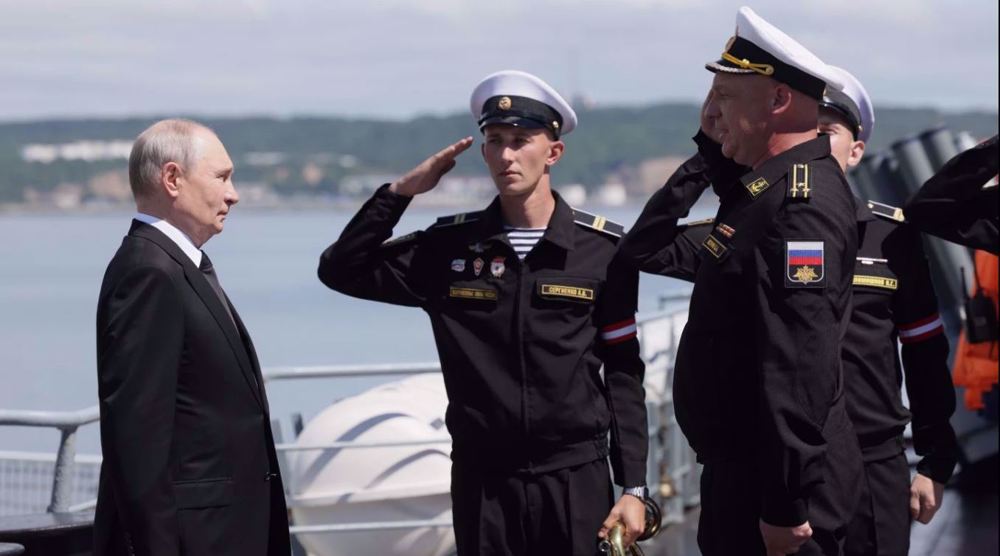
Putin condemns EU’s planned seizure of Russian vessels, warns of retaliation
Iran, Russia discuss cybersecurity cooperation, protection of critical infrastructure

War and sanctions are integrating Iran-Russia economies



Pezeshkian: Iran’s, Pakistan’s interests more closely intertwined than ever
Israeli forces seize Palestinian homes after siege of West Bank village
Beheshti wins six Asian weightlifting golds as Iranian girls secure historic runner-up finish
Lavrov slams EU’s seizure of Russian vessels as 'piracy', warns of retaliation
Iran says control over Hormuz 'decisive' as Kpler data debunks US claims
VIDEO | US military recruits begin struggling with depression shortly after joining: Journalist
Villagers flee homes as Israeli forces sweep through Ma'ariya in south Syria
Israeli chief rabbi praises pro-Israel changes in Saudi curriculum


 PressTV NEWSLETTER
now
PressTV NEWSLETTER
now
 This makes it easy to access the Press TV website
