Leader’s aide: Iran’s shift to offensive will alter global power equations
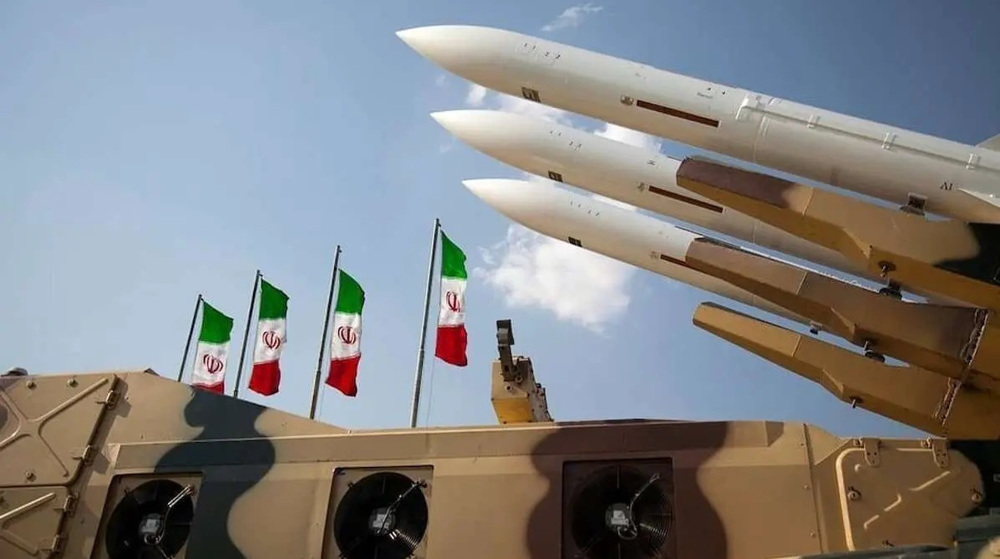
An adviser and aide to Leader of the Islamic Revolution Ayatollah Seyyed Mojtaba Khamenei says the Leader’s strategy for Iran to shift the war to an offensive phase if its conditions are not met will “undoubtedly change the equations of power in the world.”
Mohammad Mokhber made the remarks in a post on his personal page on Thursday, linking the strategy to developments surrounding the Strait of Hormuz and the failure of the United States to protect its allies in the Persian Gulf.
“The definite strategy of the Leader to make the war offensive if Iran’s conditions are not fulfilled will undoubtedly change the equations of power in the world,” Mokhber wrote.
On April 30, in a statement marking Persian Gulf Day, Ayatollah Khamenei said Iran was entering a new phase in its approach to the Persian Gulf and the Strait of Hormuz.
“Today, two months after the largest military deployment and aggression by the world’s bullies in the region, and the United States’ disgraceful defeat in its plans, a new chapter is unfolding for the Persian Gulf and the strait of Hormuz,” Ayatollah Khamenei said in the statement.
He said Iran would secure the Persian Gulf and eliminate abuses of the waterway, adding that “new management of the strait will bring comfort and progress for the benefit of all the nations of the region and economic blessings will bring joy to the hearts of the people.”
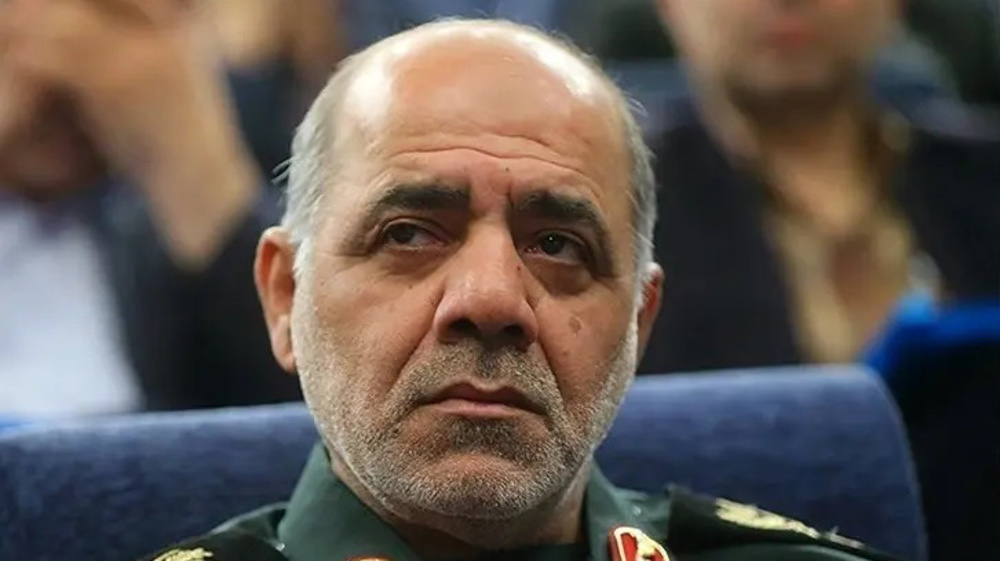
Against that background, Mokhber said Iran’s next step would depend on whether its conditions were met.
Tehran’s conditions include an end to threats against Iran and insults to its religious and national values; a permanent end to the war and aggression against Iran and its allies in Lebanon, Palestine, Yemen and Iraq; an end to the US naval blockade and withdrawal of US naval and air forces from around Iran; payment of compensation for damage caused by the two wars of aggression against Iran; the lifting of US sanctions on Iran; and the unconditional release of Iran’s frozen assets.
Mokhber further said that the United States’ inability to protect its allies in the Persian Gulf had created the basis for a new regional security arrangement independent of Washington.
“With the inability of the United States to protect its allies in the Persian Gulf, the most sustainable way for a new order in the region is the implementation of the economic-security mechanism of Hormuz, independent of Washington’s military guarantees,” he wrote.
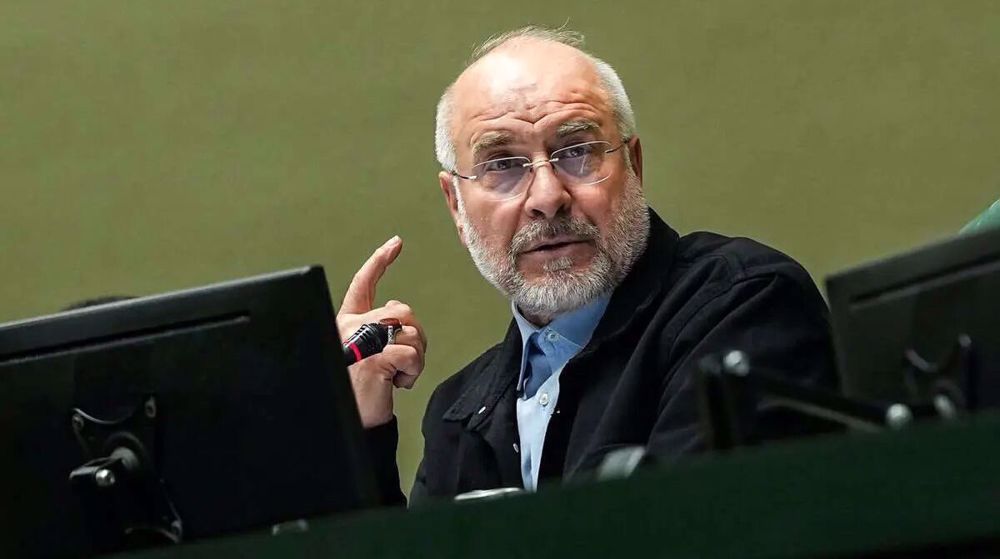
US just 'gaslighting' over Hormuz: Iran's Parliament speaker
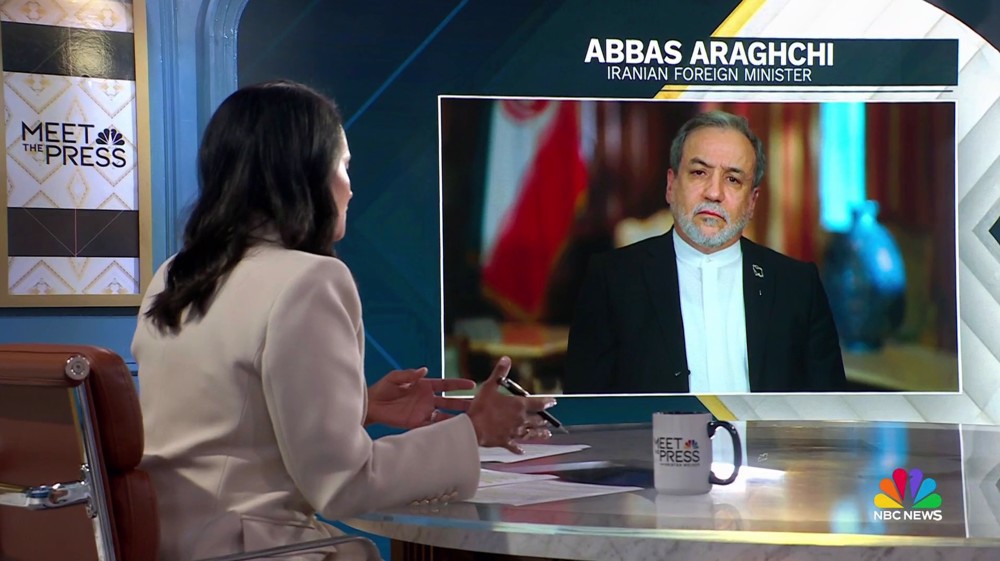
Iran ‘fully prepared’ for war to resume with US but still trying diplomacy: Araghchi
Iran urges global action to prosecute those behind Nasrallah's assassination



Netanyahu makes secret visit to Abu Dhabi amid deepening alliance: Report
'Contrary to UN charter and Islamic teachings': Iran slams Saudi massacre at Yemen market
‘Not just a catch, an intelligence prize’: IRGC spokesman hails seizure of second US underwater dron
VIDEO | Iran warning US against miscalculation
Arab League slams dangerous Israeli escalation at al-Aqsa Mosque and across West Bank
VIDEO | Martyr Nasrallah made people believe in possibility of victory, liberation: Political activist
VIDEO | Nasrallah's leadership was based on resistance, liberation, national unity: Analyst
UK police evacuate homes near airbase used by US over bomb threat



 PressTV NEWSLETTER
now
PressTV NEWSLETTER
now
 This makes it easy to access the Press TV website
