Japan marks 81st anniversary of US atomic bombing of Nagasaki
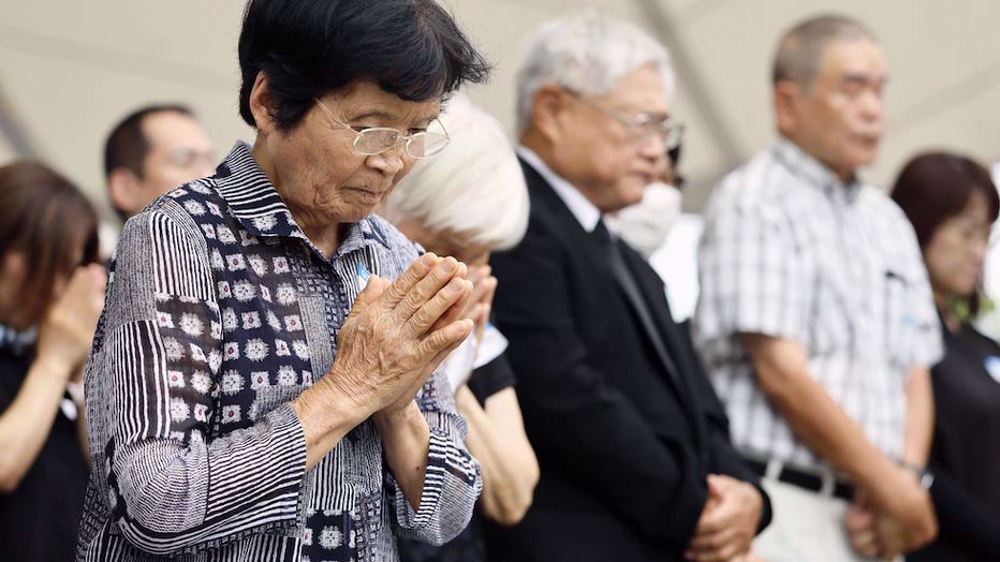
People in Japan mark the 81st anniversary of the 1945 US atomic bomb attacks, with Nagasaki's mayor warning that reliance on nuclear deterrence only increases the risk of catastrophe.
Nagasaki Mayor Shiro Suzuki said that while some countries argue nuclear weapons serve as a “dangerous and fragile” deterrent against potential attackers, the bombings of Hiroshima and Nagasaki proved that such logic can push humanity past a moral threshold and heighten global danger.
"The theory of nuclear deterrence is extremely dangerous and fragile. Nuclear weapons are not a 'necessary evil' but an 'absolute evil,' and can never coexist with humanity," Suzuki said.
"To all leaders of nuclear states and nations relying on nuclear deterrence, you must face the reality that the more you rely on it, the more you increase the risk of nuclear war."
Suzuki urged the Japanese government, led by Prime Minister Sanae Takaichi, to uphold the articles of Japan's war-renouncing Constitution, attend the Treaty on the Prohibition of Nuclear Weapons review conference later this year, and adhere to the country's three non-nuclear principles.
Takaichi, who attended Sunday's ceremony, said she believes in taking a "realistic and pragmatic approach" toward achieving a world without nuclear weapons.
Japan's policy remains within the framework of the Nuclear Nonproliferation Treaty, Takaichi told reporters after the ceremony.
She said Tokyo would pursue the most effective means to ensure national security while advancing nuclear disarmament.
At 11:02 a.m. on Aug. 9, 1945, the US military dropped an atomic bomb on Nagasaki, killing an estimated 70,000 people by the end of that year.
Three days earlier, the US had bombed Hiroshima, killing 140,000. The attacks remain the only use of nuclear weapons in history of armed conflicts.

OpenAI models 'infiltrated' Australian govt. websites during internal testing: PM
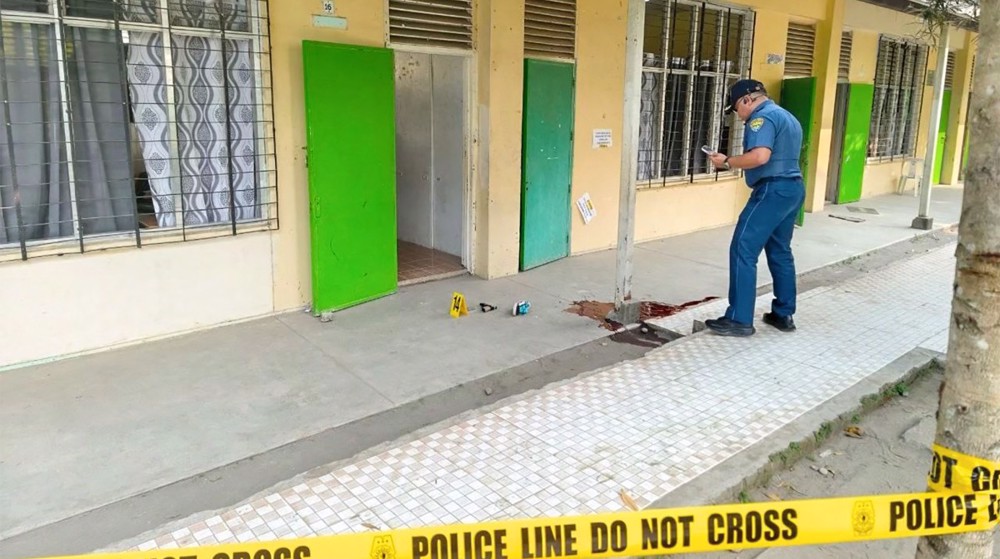
Three students killed, eight wounded in Philippines school shooting
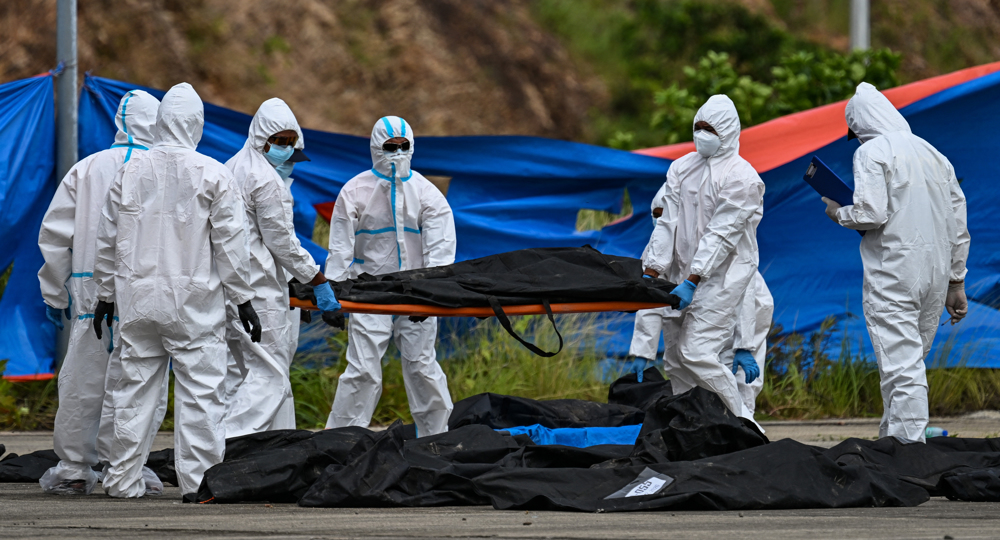
Death toll from Philippine ferry fire rises to 76



‘Sayyed of resistance is alive’: IRGC hails Nasrallah’s enduring legacy on 2nd martyrdom anniversary
‘World is not America’s backyard’: Iran deputy FM slams US Treasury’s attempt to dictate global trad
Netanyahu makes secret visit to Abu Dhabi amid deepening alliance: Report
VIDEO | 'Contrary to UN charter and Islamic teachings': Iran slams Saudi massacre at Yemen market
‘Not just a catch, an intelligence prize’: IRGC spokesman hails seizure of second US underwater dron
VIDEO | Iran warning US against miscalculation
Arab League slams dangerous Israeli escalation at al-Aqsa Mosque and across West Bank
VIDEO | Martyr Nasrallah made people believe in possibility of victory, liberation: Political activist


 PressTV NEWSLETTER
now
PressTV NEWSLETTER
now
 This makes it easy to access the Press TV website
