Former US negotiator: America faces major 'strategic defeat' as Iran tightens control over Hormuz
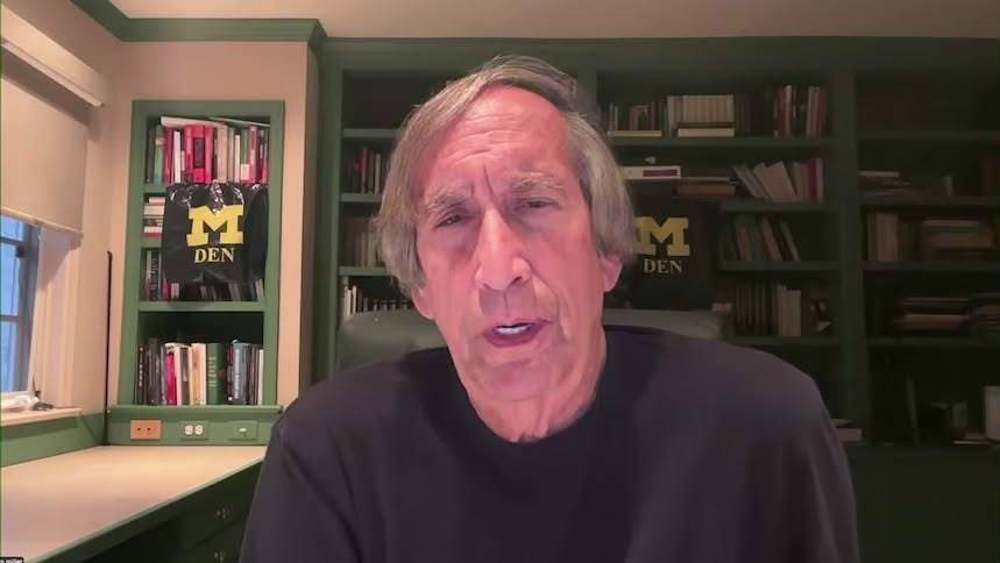
Former US negotiator Aaron David Miller has acknowledged that the United States is “on the verge of suffering a really significant strategic defeat” if it is forced to accept Iran’s growing leverage and control over the Strait of Hormuz, one of the world’s most critical shipping lanes.
Speaking in an interview with Australia’s ABC network, Miller warned that emerging arrangements could compel Washington to give Iran the ability to control who and what passes through the waterway. Such an outcome, he emphasized, would constitute a major setback not only for the United States but also for its allied Arab states in the Persian Gulf.
Miller made the remarks while discussing reported negotiations between Iran and Oman on mechanisms to guarantee the safe passage of vessels through the Strait. Although he cautioned that it is still too early to declare a final deal, he made clear that any arrangement strengthening Tehran’s hand would represent a profound strategic loss for Washington.
“The (Persian) Gulf states need to decide whether or not they can acquiesce or even support such an accord. And then, once a text is made public, the administration is going to have to weigh in to see whether or not they’re able to accept. But, again, my confidence level here is not entirely as high these days,” he said.
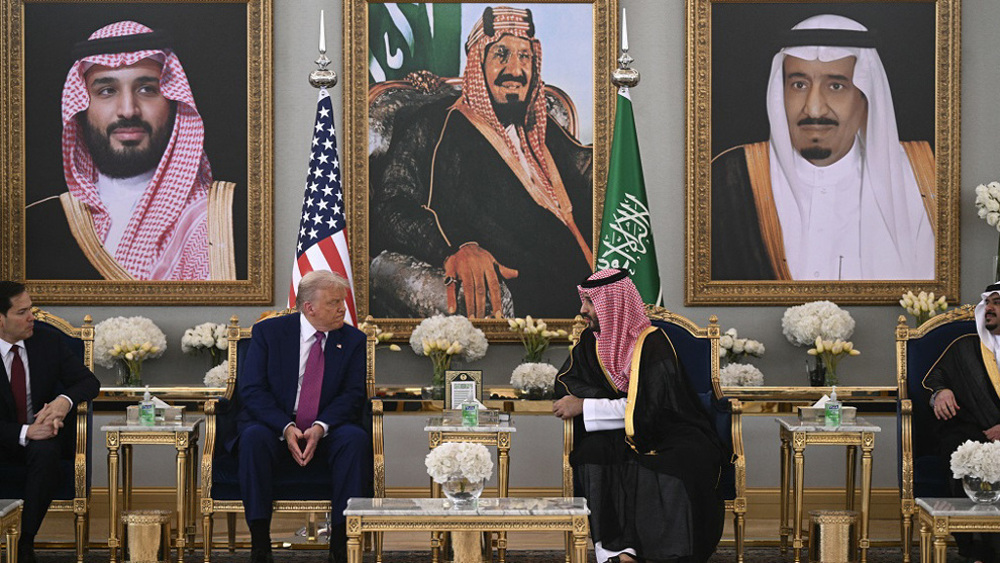
Miller further observed that while the Persian Gulf states as a group hold limited influence over Trump, Saudi Arabia and the UAE wield considerable leverage thanks to the extensive business interests of the Trump family in the region.
He pointed out that the Trump administration, members of the president’s family, including son-in-law Jared Kushner, as well as Steve Witkoff and others have already benefited from hundreds of millions of dollars in investments linked to projects in the Persian Gulf, he added.
"Affinity Partners, which is Jared Kushner’s $2 billion hedge fund, was bankrolled by Mohammed bin Salman, the future king of Saudi Arabia,” Miller noted.
Miller warned that any US strike on Iran’s energy infrastructure would provoke a severe Iranian response with far-reaching consequences for global energy markets.
The full extent of the damage Iran could inflict on Persian Gulf oil facilities has not yet been seen, he said, and such an escalation could "drive oil prices well north of anything we've seen."

Bahraini demonstrators censure Khalifah regime’s detention, trial of Shia scholars
Security fears keep Israeli airlines barred from UAE through November
Persian Gulf markets plunge as Yemeni forces strike Riyadh



British universities work with Israel-linked arms giant to curb pro-Palestine protests: Report
Araghchi: Iran ‘determined’ to defend national security, prevent US misuse of Hormuz
Debunked: Trump’s egregious UNGA claims on war against Iran crumble under scrutiny
VIDEO | News Review: Netanyahu faces UNGA walkout, protests in New York over Gaza
President Pezeshkian UN speech
Saudi Mufti urges troops to attack Yemen as Macron announces deployment in Yanbu
Turkey agrees to pull out of key base in north Iraq, occupy others
Two Israeli soldiers killed after drone explodes in northern Gaza


 PressTV NEWSLETTER
now
PressTV NEWSLETTER
now
 This makes it easy to access the Press TV website
