Poll: Most Americans expect greater chaos from US war on Iran
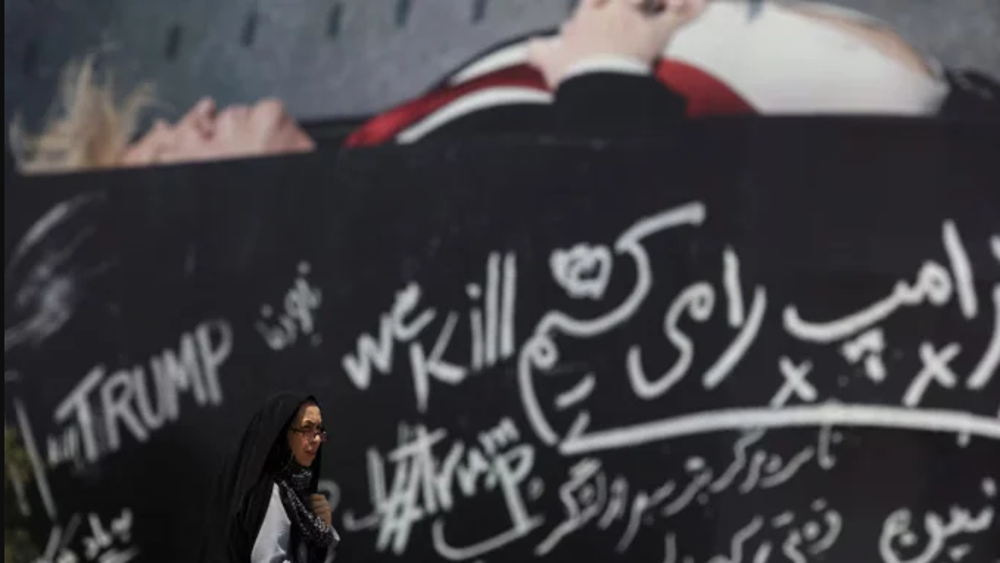
Five months into the US aggression against Iran, most Americans believe the war is making West Asia more unstable rather than more secure, according to a new Reuters/Ipsos poll.
Those expecting the region to descend further into chaos outnumber those anticipating greater stability by three to one, the survey found.
The six-day poll concluded on Monday, as US President Donald Trump again backed away from threatened "massive attacks" on Iran, underscoring uncertainty surrounding an aggression he initially predicted would bring a swift victory.
Fifty percent of poll respondents said they thought US military action in Iran would destabilize West Asia over the next year, about three times the 17% who said the war would lead to more stability in the region.
Another 16% said stability would stay about the same and 17% said they were unsure or didn't answer the question.
Americans were also pessimistic about gasoline prices, which have risen amid confrontations in the Strait of Hormuz, a vital route for global oil supplies.
Some 58% said they expected gas prices to worsen, while just 15% expected them to improve.
The findings underscore the political risks for Trump and his fellow Republicans as they seek to defend narrow congressional majorities in November's midterm elections.
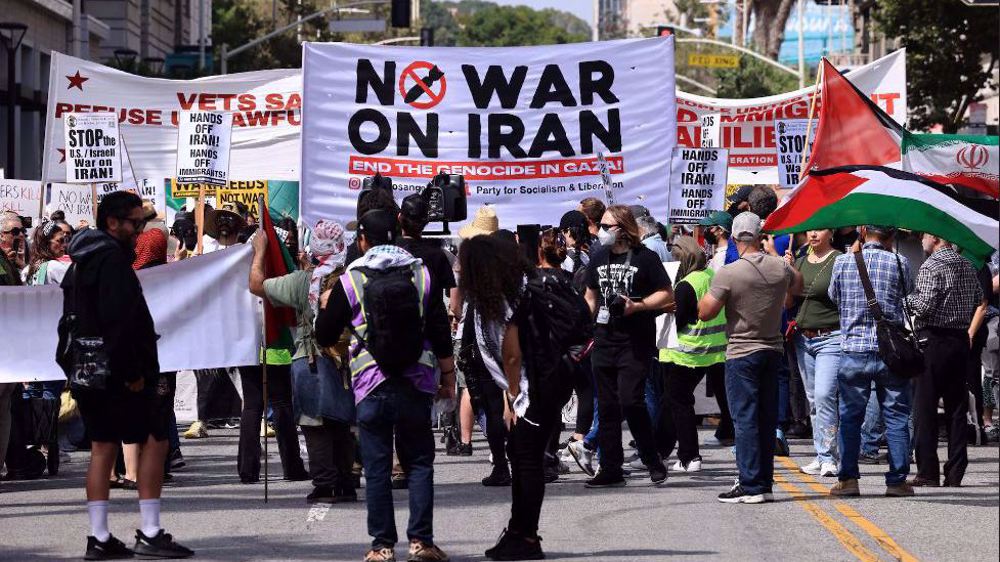
Trump returned to office in January 2025 vowing to avoid "stupid wars", a message that resonated with voters weary of the two decades of war that followed the September 11, 2001 attacks.
Republicans, in contrast with their general support for Trump, were sharply divided on how they see his war with Iran playing out.
While 80% of Republicans approve of Trump's performance as president and 66% back his handling of Iran, fewer than half - 41% - think stability in West Asia will get better over the next year as a result of the war.
David Schenker, who served as the State Department's top West Asia official during Trump's first term, said the economic effects could persist even if the fighting ended quickly.
The unprovoked terrorist war, which Trump launched with Israel in late February, has cost US taxpayers above $100 billion and killed or injured nearly 700 American troops.
"This war was unpopular the day it started, and it's gotten more unpopular since," said Justin Logan, director of defense and foreign policy studies at the Cato Institute, a Washington think tank.
"That incoherence, or rudderlessness, in the conduct of the war is causing more problems for the president," Logan said.
The poll found that Americans also have significant concerns that wars underway will get worse and that new wars will break out.
Some 58% said they were concerned the Ukraine war, in which Washington and European allies have supported Kiev with weapons and intelligence, could get worse.
The latest round of aggression against Iran began on February 28, when US and Israeli forces launched large-scale strikes on Iranian territory in the midst of nuclear negotiations.
Iran responded with daily waves of missile and drone attacks targeting US and Israeli assets across the region, while also closing traffic in the Strait of Hormuz to enemy vessels.
Iran and the United States later signed the Islamabad Memorandum of Understanding (MoU) on June 17 in an effort to end the war across all fronts.
However, renewed US military aggression in recent weeks has prompted Tehran to resume missile and drone strikes against US assets in the region.
White House ordered by judge to restore access for CNN, MS NOW and Politico
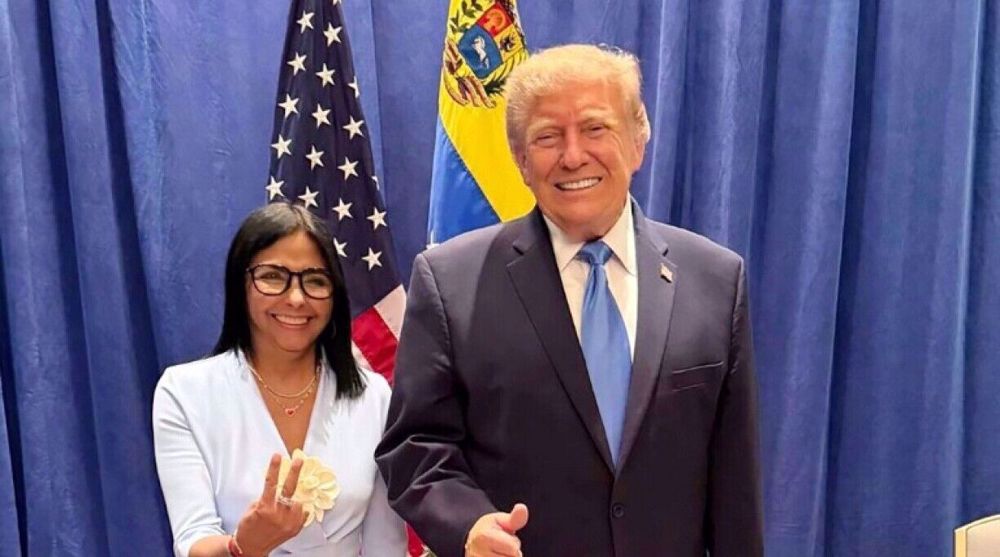
Trump meets Rodríguez near Maduro's prison as Venezuela's oil flows to US
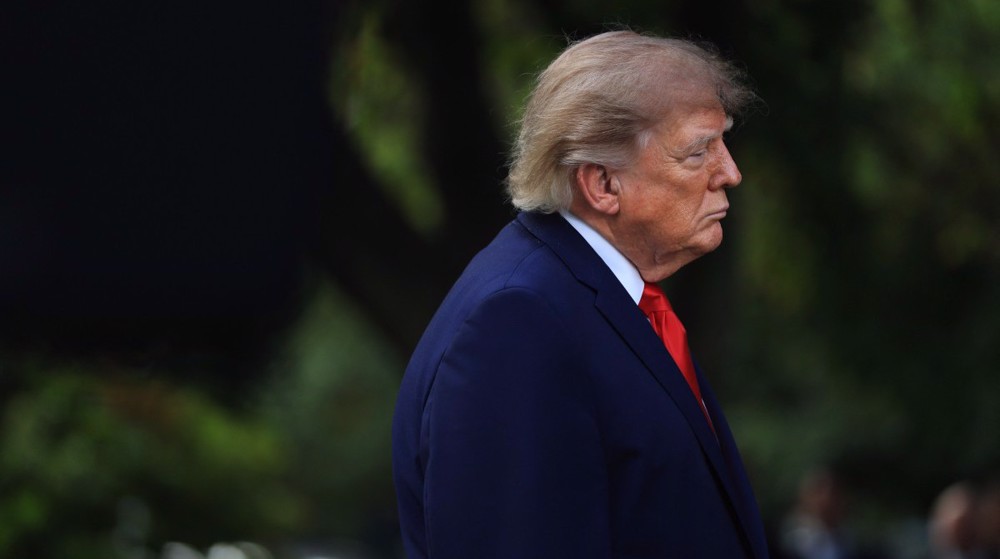
Republican support for Trump’s war on Iran erodes amid deepening party divisions: Poll



VIDEO | Press TV's news headlines
VIDEO | Pakistan executes precision strikes on 10 Afghan sites following drone incursion
VIDEO | Education in Yemen: Years of Saudi-led aggression failed to stop learning
Minab’s school bell rings through grief as 168 empty desks stand as silent witnesses
Europe was part of the infrastructure of US aggression against Iran: Deputy FM
VIDEO | The pain of not being able to provide
VIDEO | US ill intentions further exposed
Araghchi in New York: Europe must confront US aggression


 PressTV NEWSLETTER
now
PressTV NEWSLETTER
now
 This makes it easy to access the Press TV website
