Empty crates, decoys and desperation: How America's aerial aggression against Iran ran out of targets – and strategy
By Mohammad Molaei
In the days since the United States renewed its aerial aggression against Iran, a clear pattern has begun to emerge. During the opening phase of the 40-day war of aggression, American strikes at least appeared to follow a broad strategic logic.
Apart from the repeated attacks that killed schoolchildren and hundreds of other civilians, many of the targets selected could be linked – however dubiously – to an operational objective.
The targets being struck now tell a different story.
A systematic analysis of footage released by US Central Command (CENTCOM), together with open-source videos circulating on Iranian social media, suggests a campaign that has largely exhausted its finite target bank and is approaching the limits of its military effectiveness.
The visual record
CENTCOM's released strike footage follows a consistent and familiar narrative. The targets are presented as militarily significant, the imagery is clean, and the message of precision and operational purpose is carefully reinforced.
But a closer examination of that footage – alongside videos recorded by Iranian civilians and journalists and shared on Telegram, X, and Iranian news platforms – suggests a different reality.
Every air campaign against an adversary faces the same structural constraint: its target bank is ultimately finite. The United States entered this campaign with an intelligence picture built over decades of satellite surveillance, signals intelligence, and human intelligence, identifying what it assessed to be Iran's highest-value military targets.
The evidence now emerging suggests that much of that target bank has already been worked through. What remains is an increasingly limited pool of objectives with far lower strategic value, raising questions about how much military utility the continuing strikes can still deliver.
This shift toward increasingly ambiguous targets is operationally revealing. A campaign that has exhausted its pool of high-value objectives and is increasingly striking targets of questionable military significance is, by definition, one that has reached its limits.
At that point, the relationship between individual strikes and any meaningful strategic effect becomes progressively more difficult to establish.
The official record
The following footage was released by CENTCOM itself as part of the public record of the campaign. Yet rather than documenting strikes on high-value nuclear, missile, or command-and-control targets, the videos frequently reveal a different pattern: attacks on objects whose military significance is unclear or appears limited at the time they were engaged.
1. A strike on an already-destroyed structure, southern Iran
The structure targeted in this clip shows clear signs of prior damage, collapsed sections, exposed structural elements, and debris consistent with an earlier strike. Whatever this structure once was, it had already been rendered non-functional prior to this particular engagement.
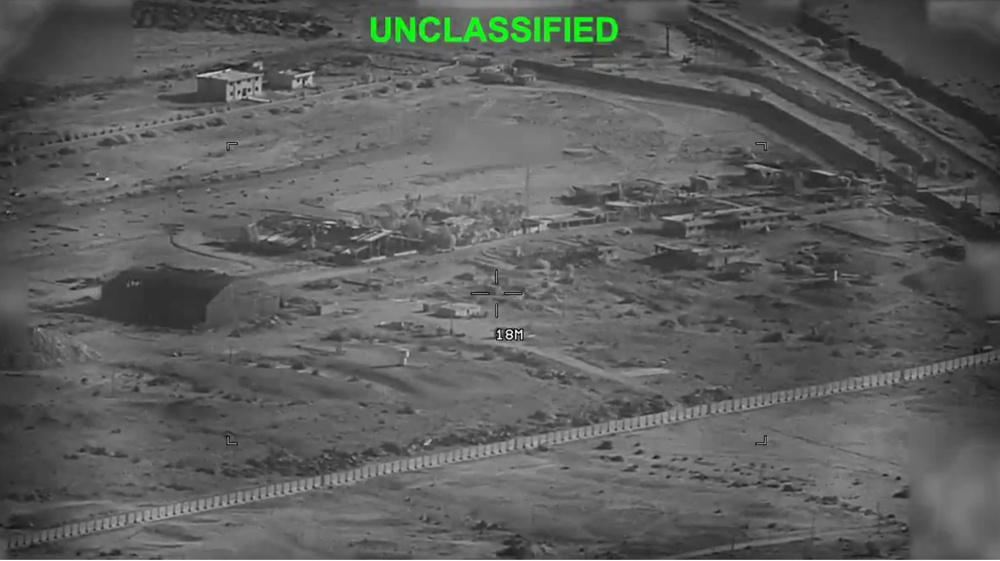
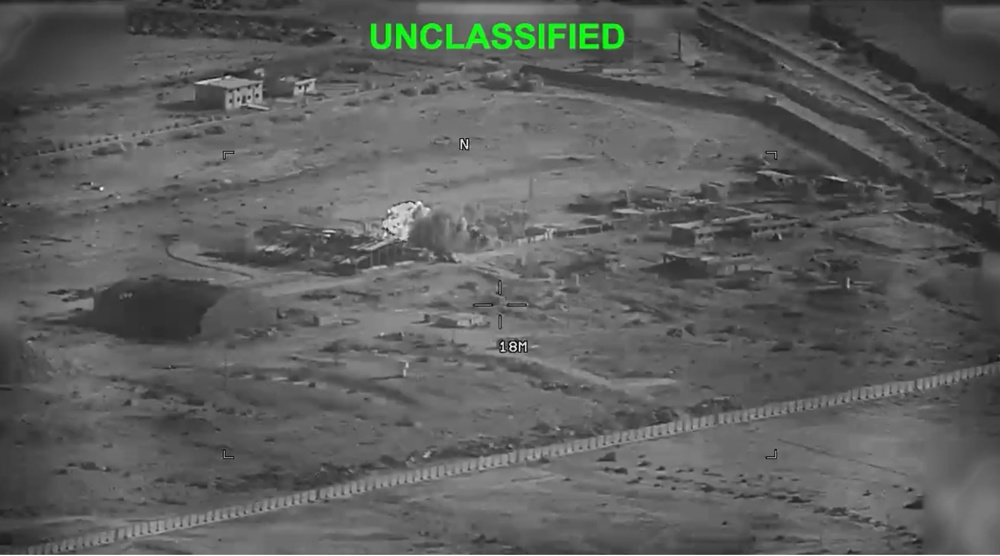
The repetition of strikes on already-degraded locations is a clear indicator of target bank exhaustion. Analysis of the visual record shows multiple instances of sites being struck in successive waves.
This pattern is difficult to explain on purely military grounds once a target has been rendered non-functional. When such a pattern of repetition extends across a broad range of target types, including sites that were not hardened to begin with, it suggests that the military campaign is desperately trying to maintain operational tempo against a shrinking pool of identified targets.
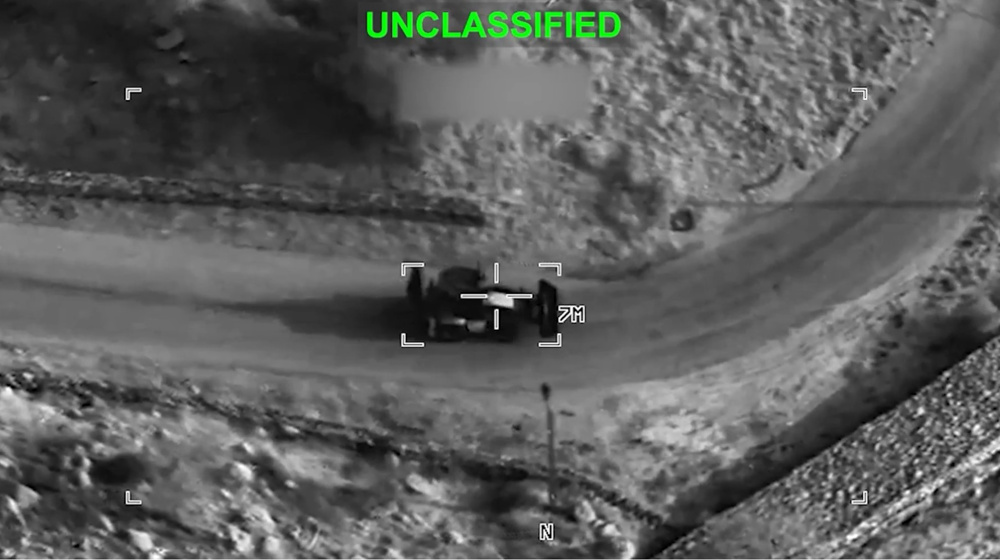
2. A strike on a moving bulldozer
This clip shows a single bulldozer, in motion, with no visible markings or context tying it to military use.
Construction equipment of this kind is hardly a strategic asset, as it would be a phone call away from procurement in a country like Iran. Moreover, there is nothing in the footage to confirm it was even military-related rather than civilian machinery.
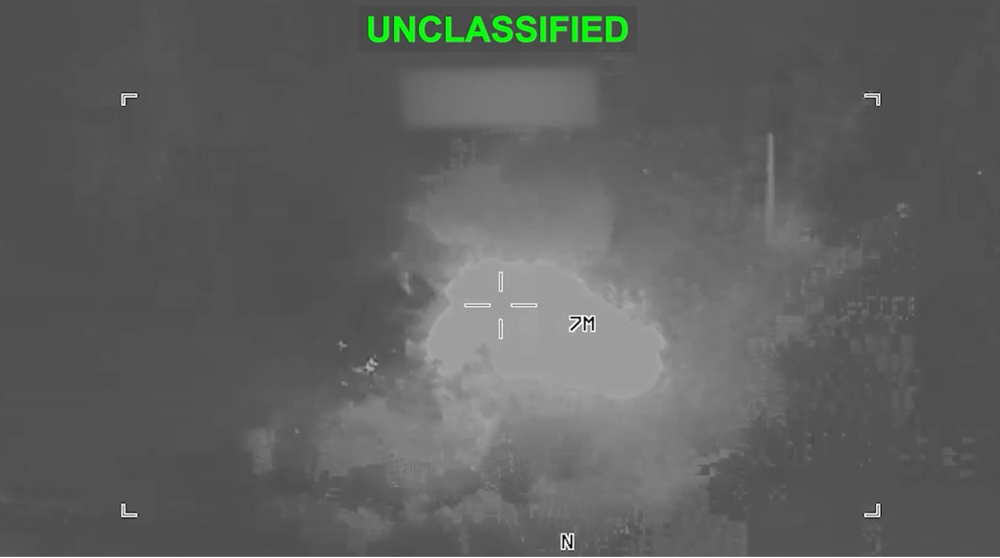
3. A strike on a small boat, abandoned on land
The boat shown has no engine and no equipment aboard, and it rests on land rather than in water or in the proximity of a fortified base. The absence of propulsion or mounted military gear is consistent with a vessel that had already been abandoned, retired, or taken out of commission well before the strike.
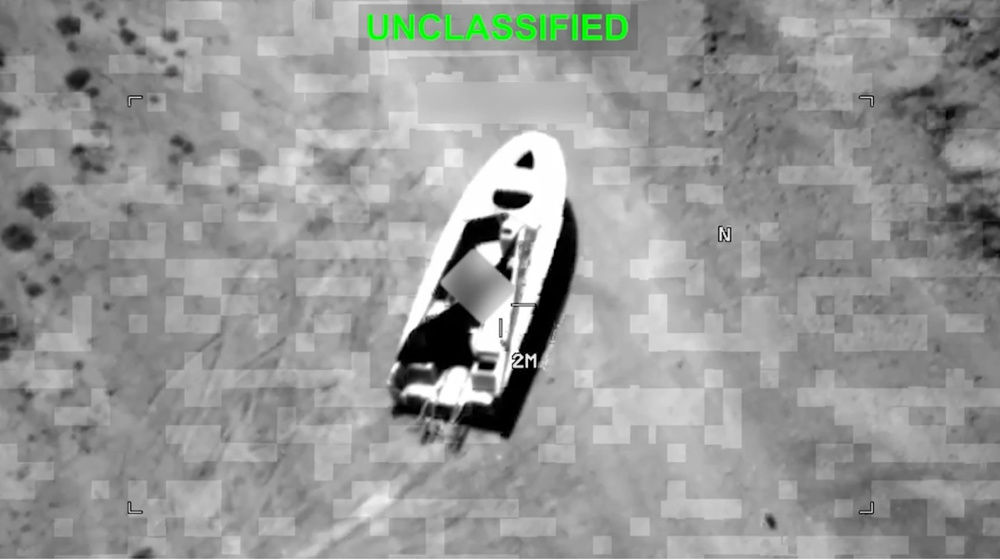
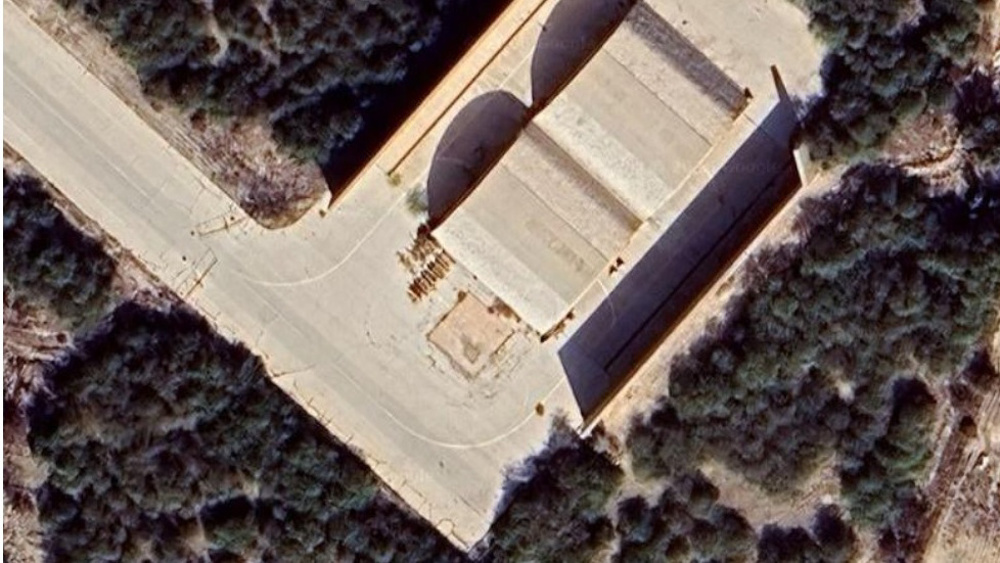
4. A strike on a waste storage site at Bushehr Airport
Satellite imagery of this location shows the same waste storage area present for roughly fifteen years prior to the strike. This location, which contains what seems to be empty bomb casings, had seen no change for many years.
A site with over a decade of unchanged storage use in the historical record is difficult to characterize as a target of present-day significance.
5. A strike on a military vehicle already scarred by prior damage
The vehicle in this clip bears clear shrapnel scarring and impact marks from earlier fighting during the 40-day war, with similar damage visible in the surrounding area.
This indicates the vehicle had already been disabled and abandoned before this strike occurred.
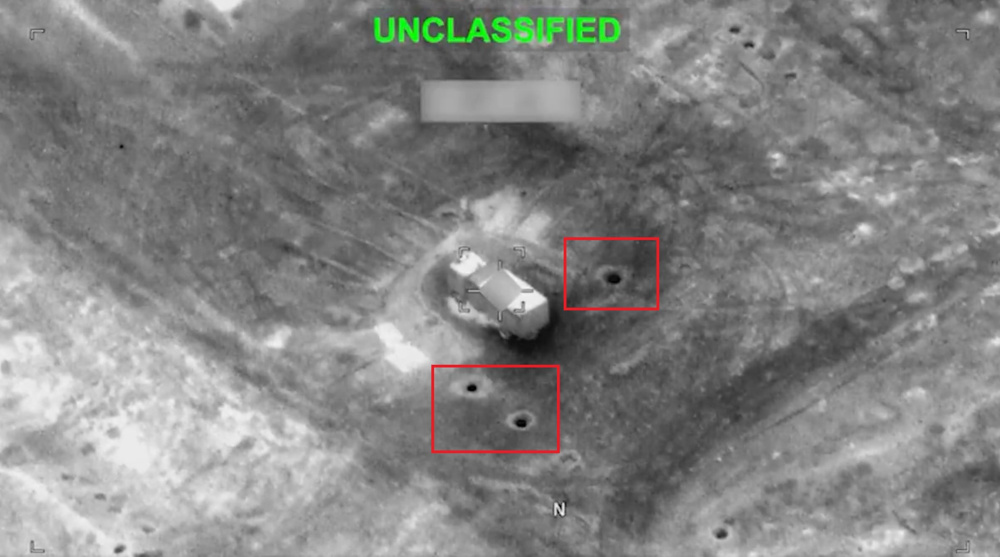
6. A second strike on a bulldozer
As in entry 2, this clip shows another piece of construction equipment being targeted.
Two separate strikes on the same category of civilian machinery raise questions about how such targets are being selected and vetted.
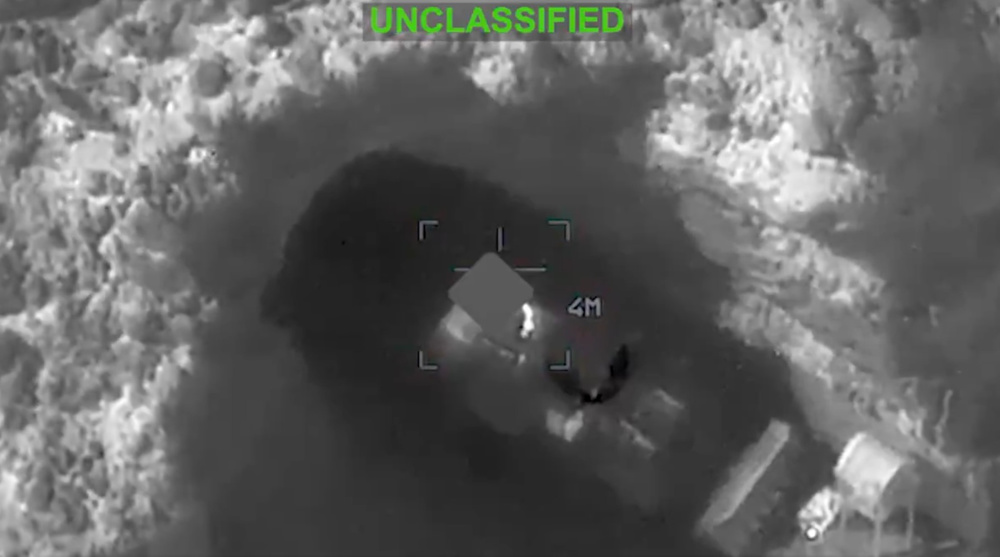
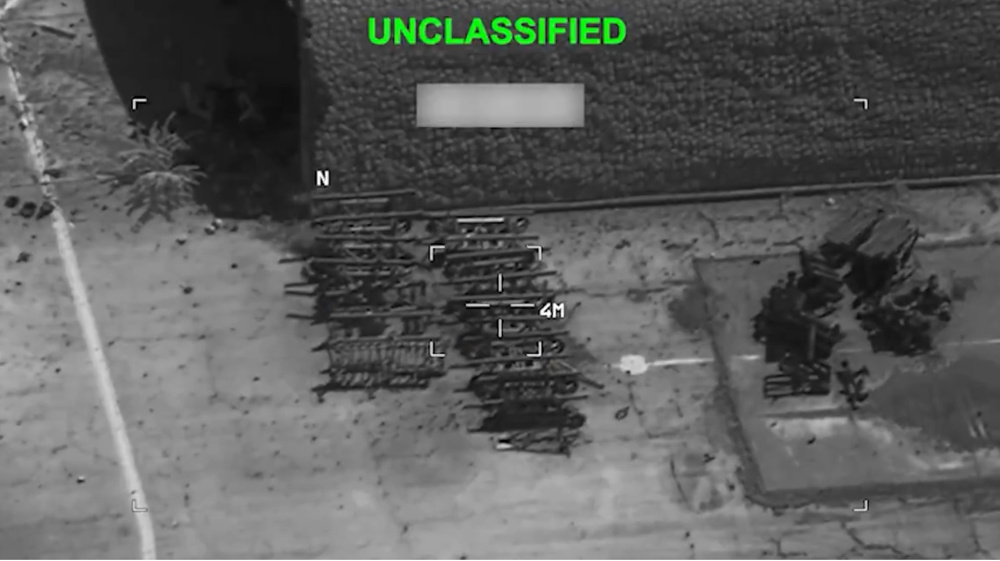
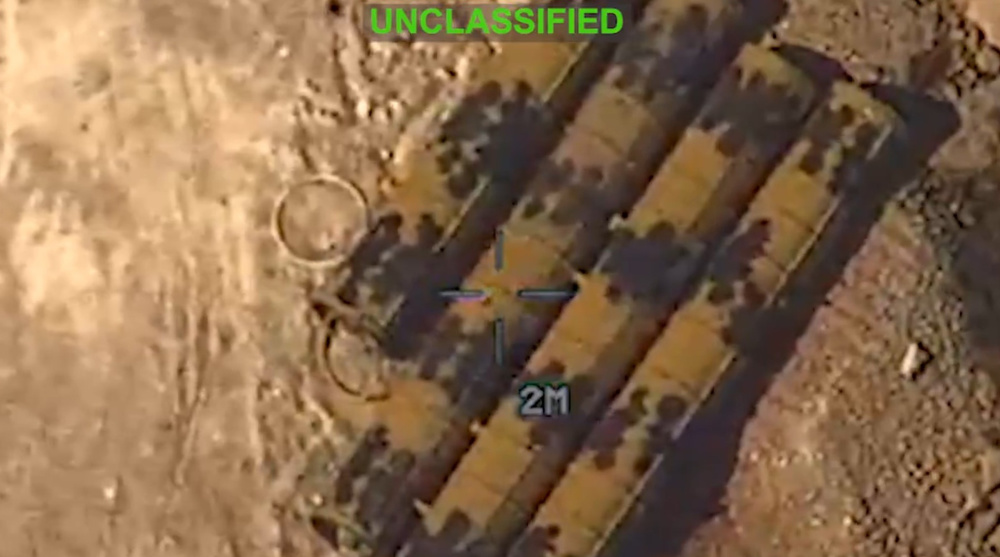
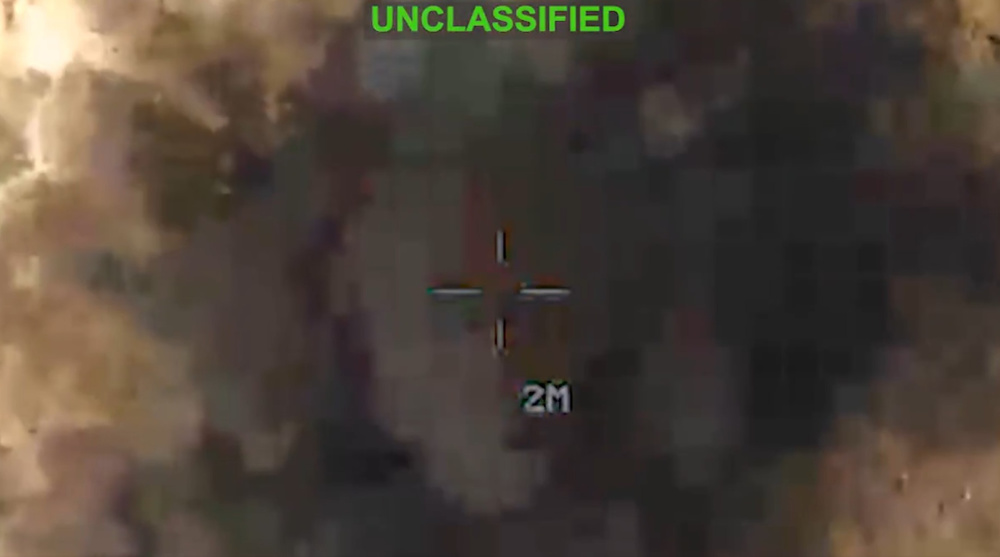
7. Two separate strikes on a depot of empty missile canisters
In both clips, the missile canisters are simply stacked loosely on top of one another rather than stored or secured as live ordnance would be.
Neither strike produces a secondary explosion, the signature that would be expected if the canisters still contained propellant or warheads, indicating the canisters were already empty.
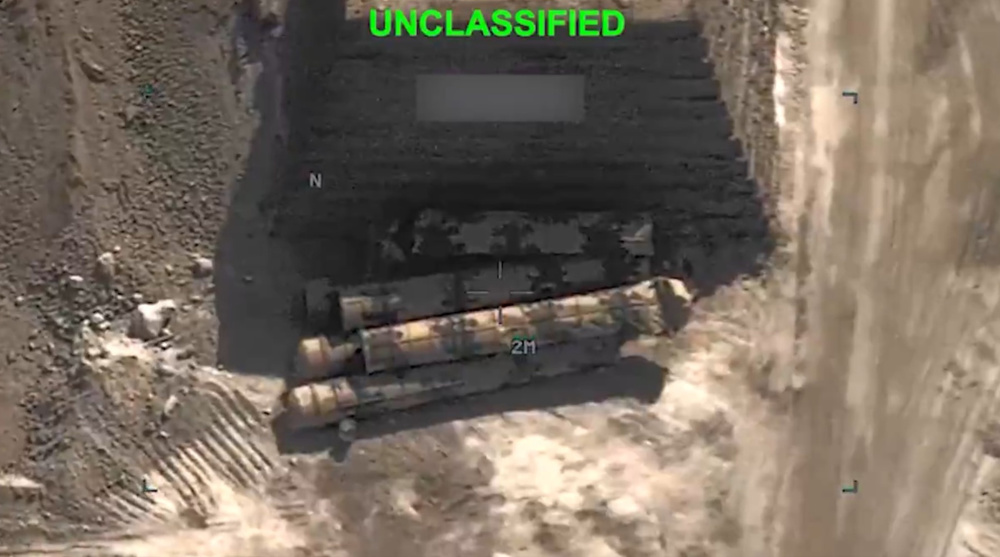
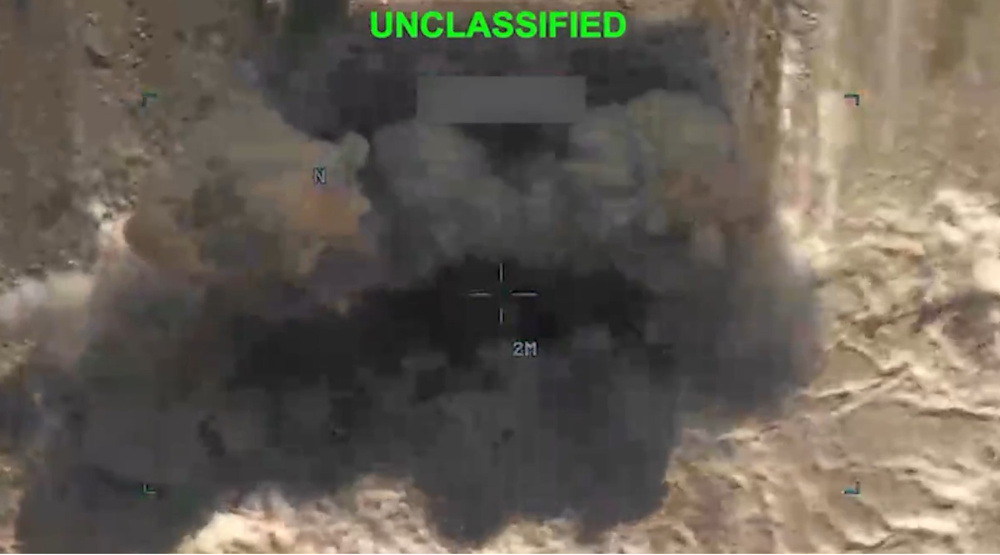
8. A strike on an abandoned, damaged Arash suicide drone
The drone in this clip is next to a previously damaged structure and is itself clearly non-functional.
The drone is visibly damaged and missing multiple components. Neither the drone nor the structure beside it appears to have held any remaining operational value.
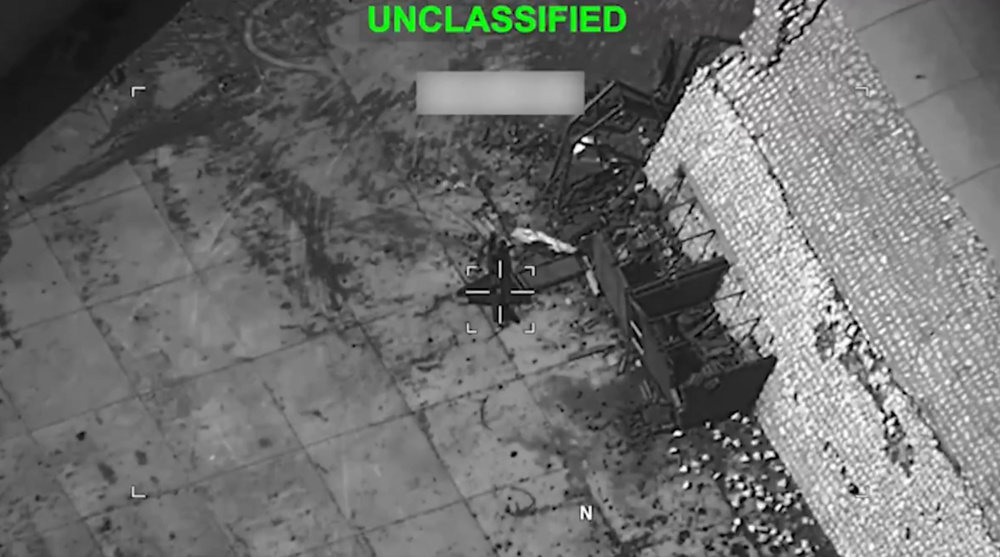
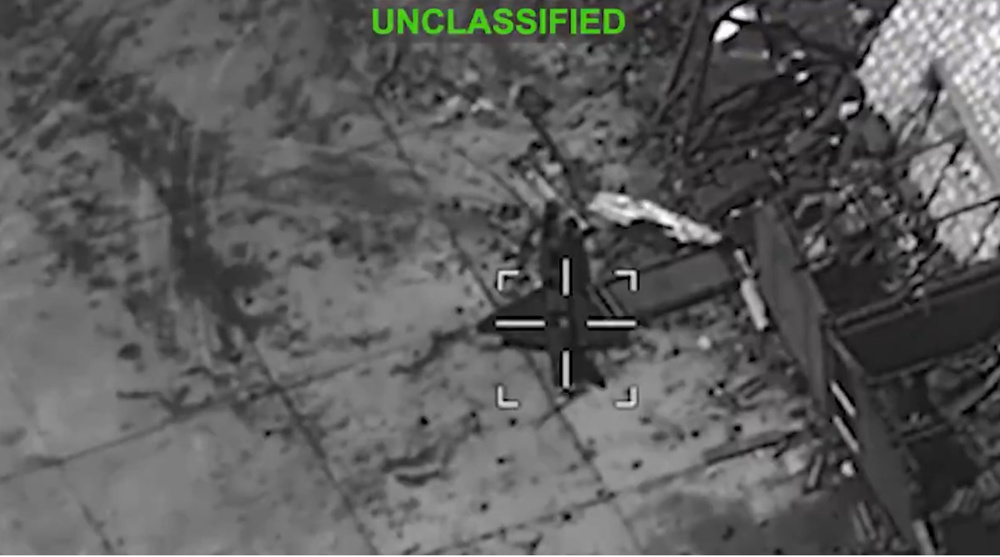
9. Two abandoned Mohajer-6 drones, missing key components
Both airframes are visibly incomplete, with key components absent and no carrying containers present.
The condition of the drones and the absence of transport infrastructure in the middle of an active war of aggression strongly suggest both were already non-operational or awaiting significant maintenance or repairs before the strike.
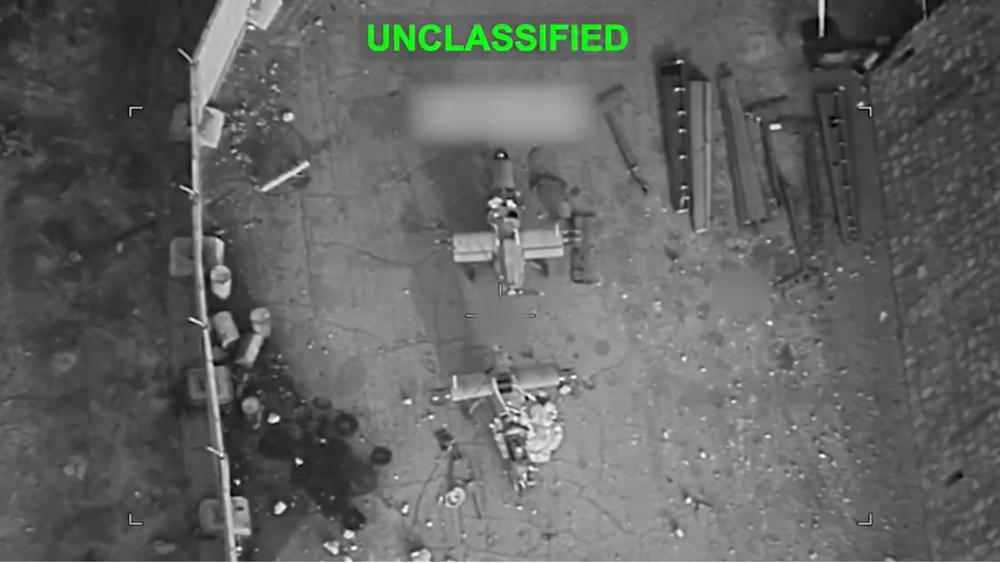
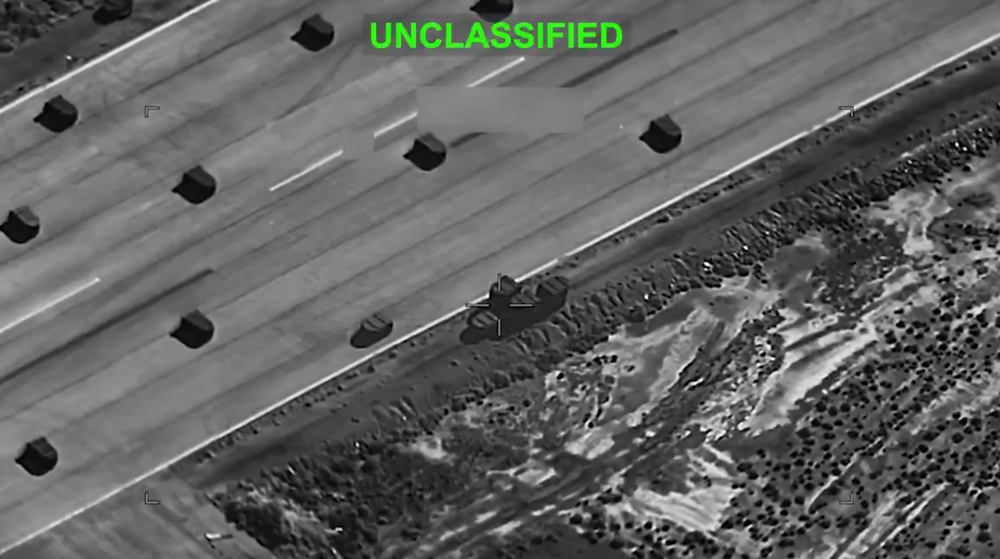
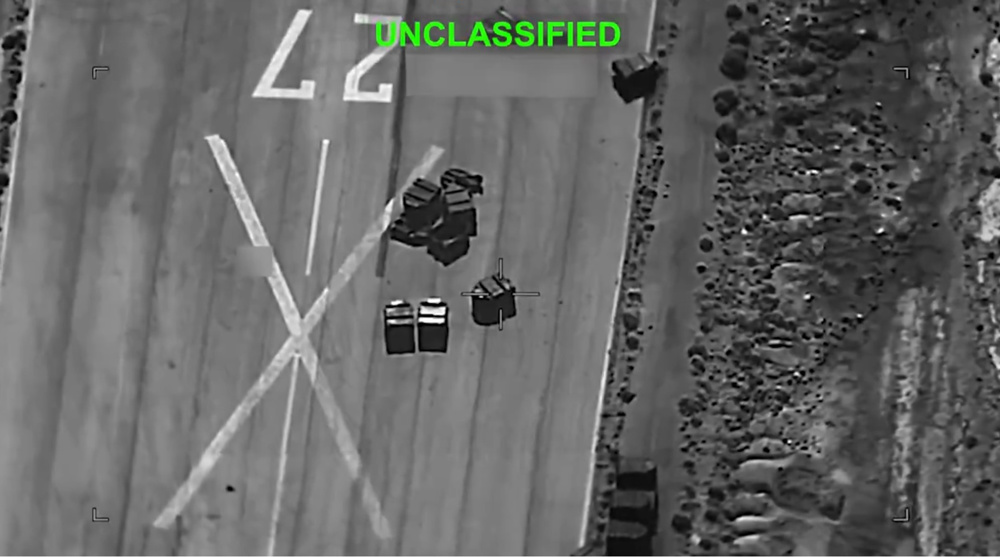
10. Strike on empty ammunition boxes scattered on a runway
The boxes are deliberately spread across the runway surface by Iranian armed forces. This is a low-cost denial tactic to obstruct landing or special operations.
Targeting them with precision munitions is disproportionate. The obstacle itself can be cleared or replaced within minutes at negligible cost, making the expenditure of guided weapons on this target, which is little more than a wooden crate, ineffectual.
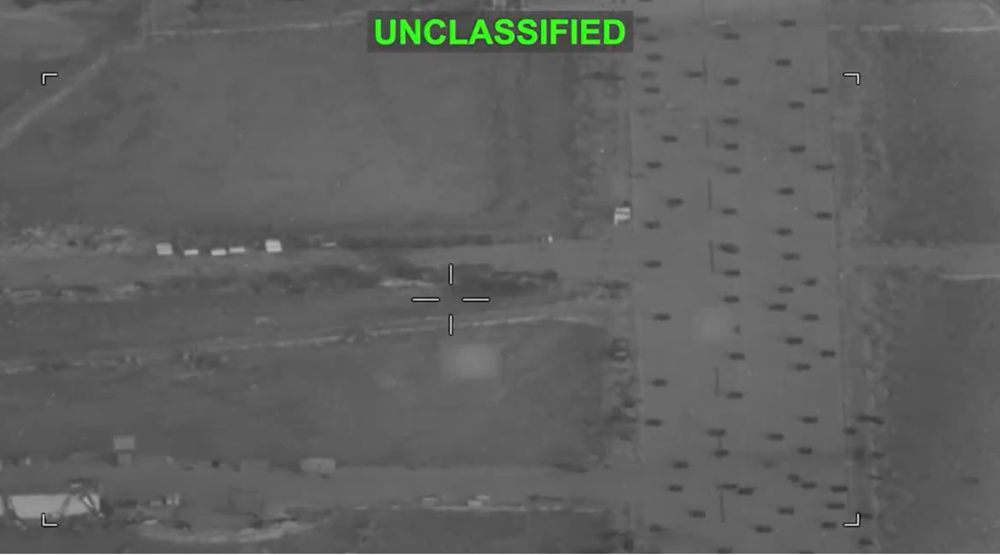
11. A ballistic missile launcher
The missile on this launcher is in a fully vertical erect position consistent with one of Iran’s liquid-fuel variants. The aftermath of the strike shows no secondary explosions.
This is abnormal, as a liquid-fuel launcher in a fueled, launch-ready vertical posture should, if genuinely armed and struck, produce a substantial secondary blast from propellant ignition.
The absence of any such signature strongly suggests the target was a decoy. Notably, this is the only footage CENTCOM released across the entire two-week exchange that depicts a strike on anything clearly resembling a ballistic missile launcher.
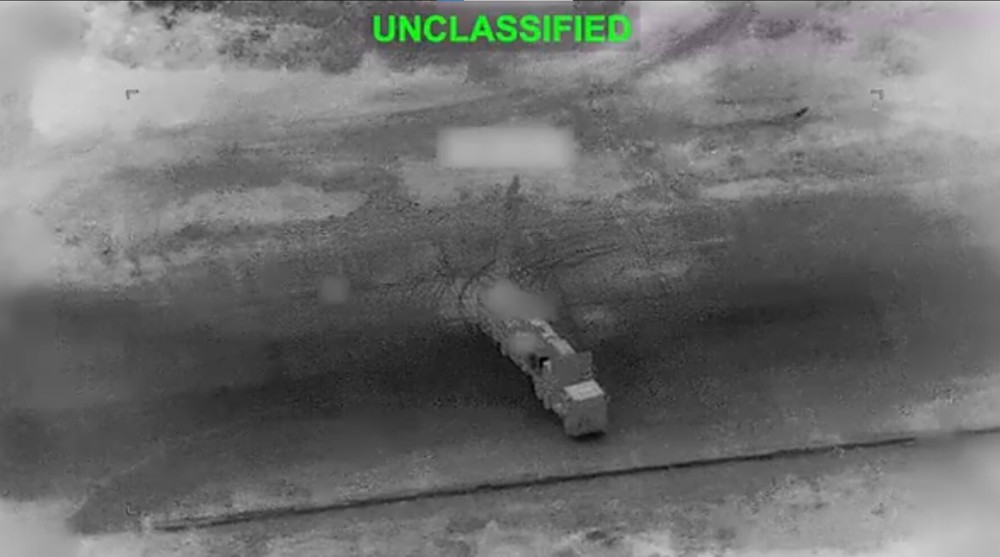
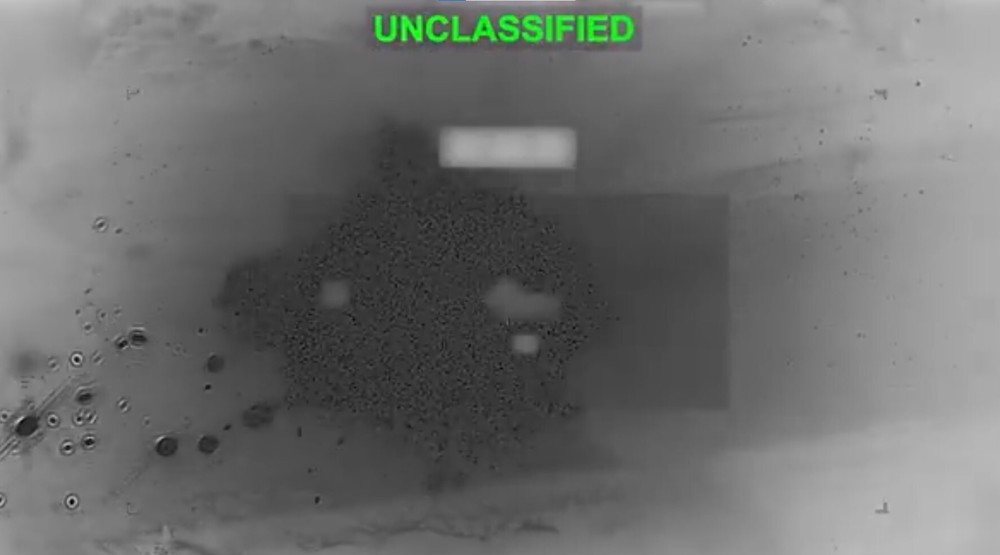
This single data point deserves more weight than its brief runtime suggests. Given that mobile missile launchers were the campaign’s most consequential and most elusive target set, mentioned repeatedly in official rhetoric as a priority, the fact that the sole piece of released footage purporting to show one being struck bears the visual signature of a decoy rather than a live system is arguably the single most damaging piece of evidence in the entire dataset for the campaign’s central claim.
12. Two further strikes on empty ammunition crates on the runway
These strikes represent a continuation of the previously stated pattern. Two additional engagements against ammunition crates arranged as a runway denial measure, objects with no intrinsic military value and trivially replaceable.
The repetition across multiple clips reinforces that this was not an isolated targeting error.
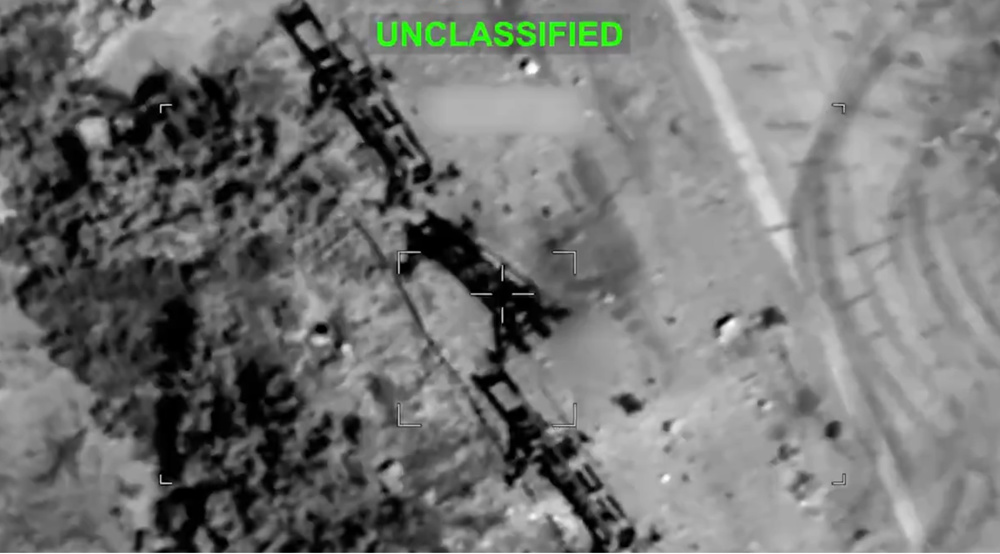
13. Strike on what appear to be boat transport equipment
The objects in the footage could be either ordinary commercial trailers or bunk-style boat transfer trailers used to haul boats out of the water for storage or maintenance.
No fast attack boats are present, and nothing in the frame confirms a specific military function. Targeting empty trailer infrastructure of this kind represents a negligible degradation of any operational capability.
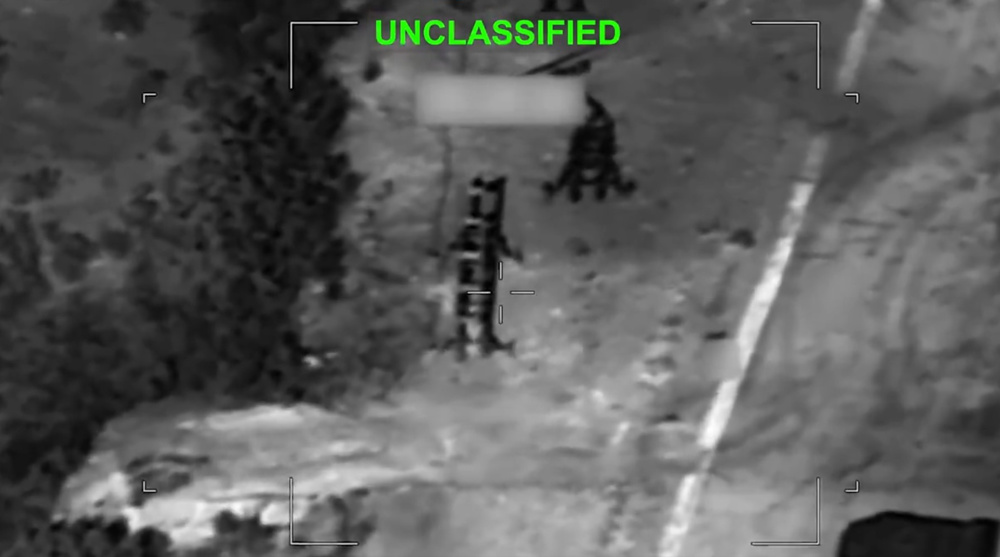
14. Strike on a construction site with no high-value target present
The footage shows an active or recently active construction site. No weapons systems, command infrastructure, or military hardware of significance is visible. Strikes on construction sites absent any identifiable high-value target are consistent with a campaign running short of meaningful objectives.
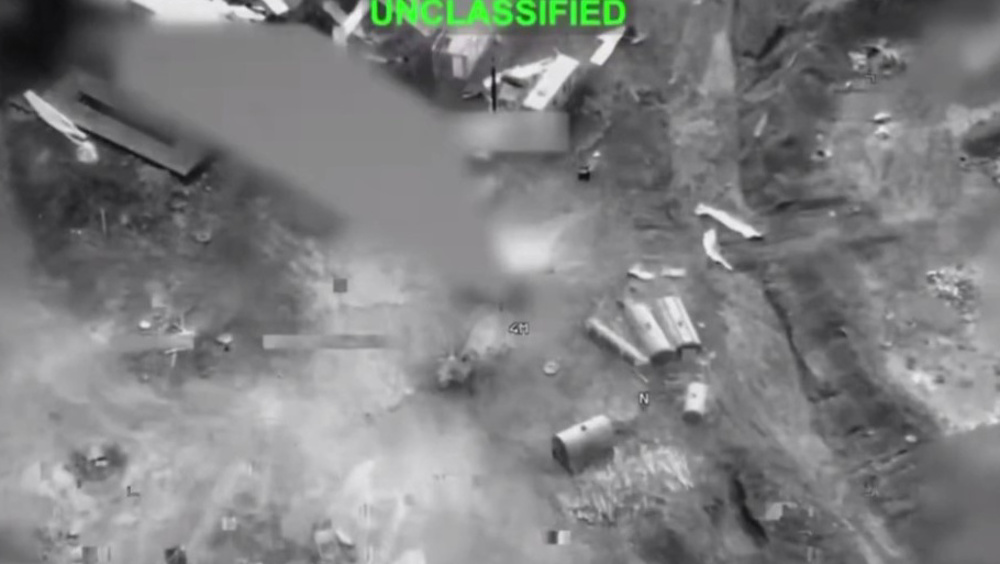
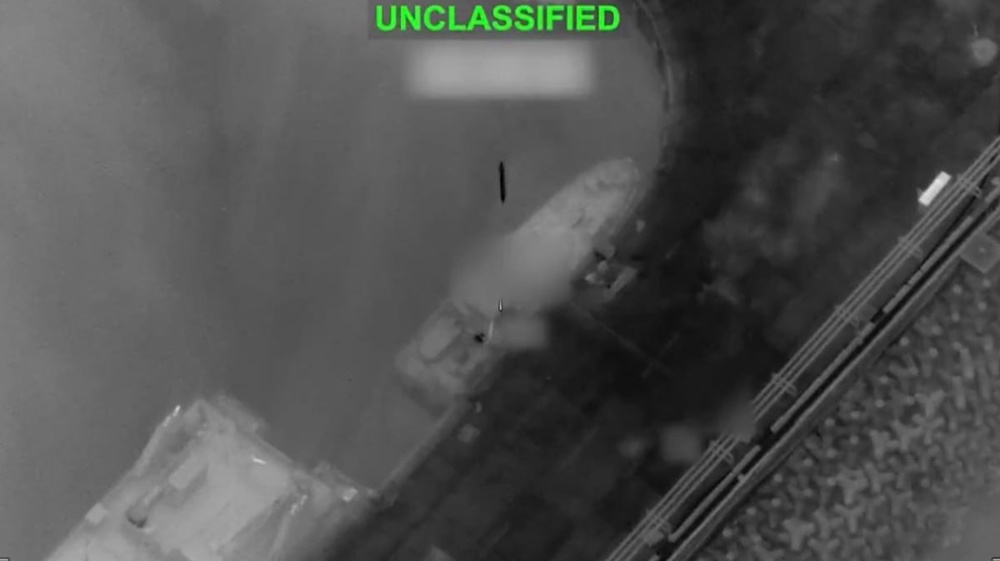
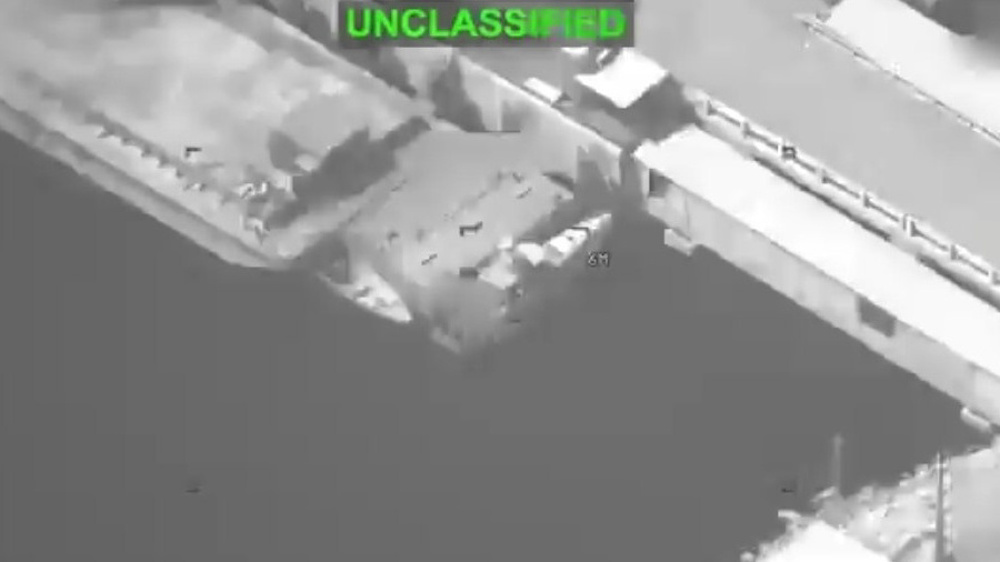
15. Two strikes on small Iranian Border Guard police boats
Both vessels belong to the border guard branch of the Iranian Police, a law enforcement and customs organization, not a military one.
Fast attack boats operated by the IRGC Navy or the Iranian Army would constitute a notable military target; border guard patrol craft do not carry the same designation, as they do not have any significant military capabilities.
Two separate strikes on police-affiliated vessels suggest the target pool has expanded well beyond conventional military assets.
The following entries shift from aerial strike footage to ground-level documentation of strikes on civilian and infrastructure targets.
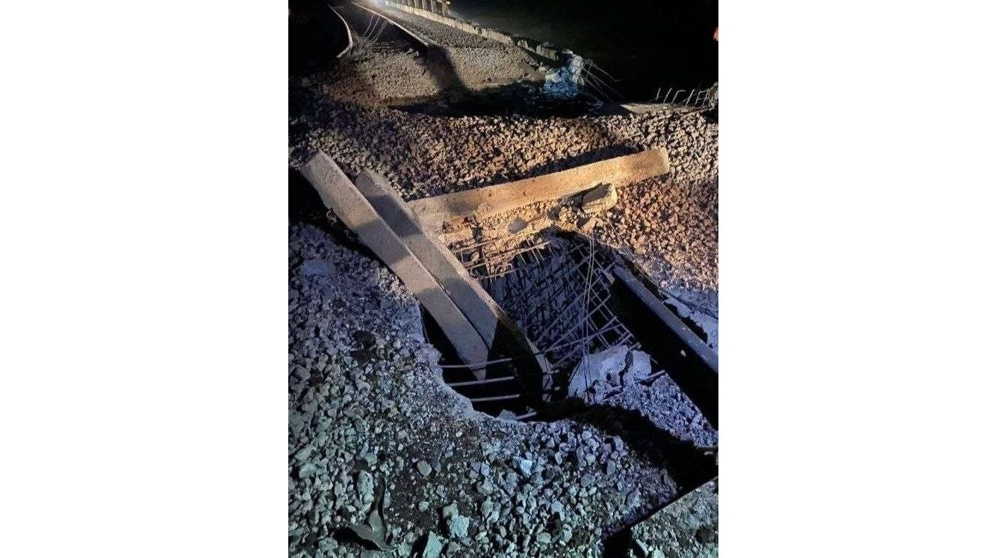
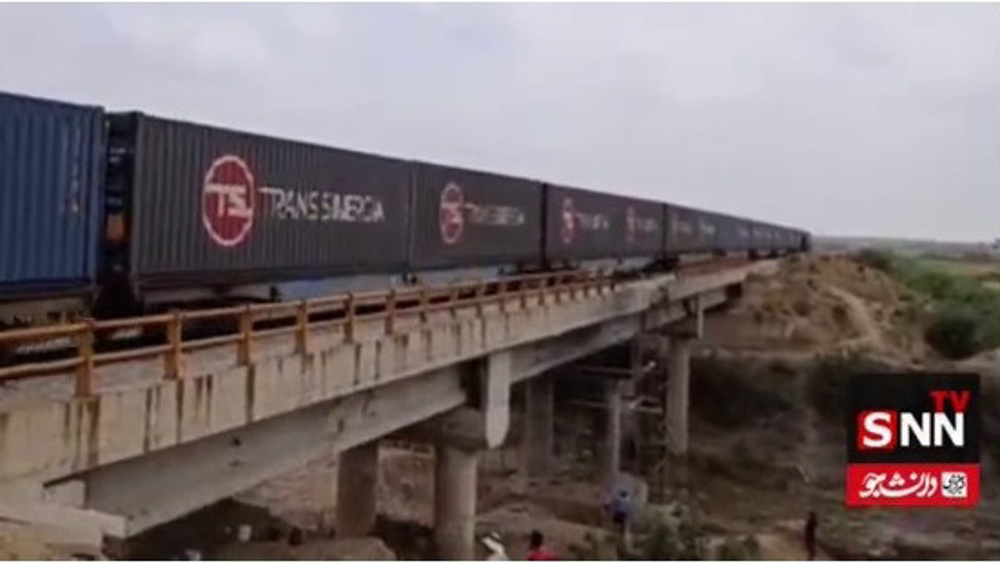
16. Strike on the Aq Taqeh Khan railway bridge
This bridge forms part of the rail corridor linking Iran to China. It was repaired and returned to service within a single day of the strike, a timeline that reflects both the limited structural damage inflicted and the speed of Iranian infrastructure response.
A bridge repaired in 24 hours contributes little to any lasting degradation of logistics or supply chains.
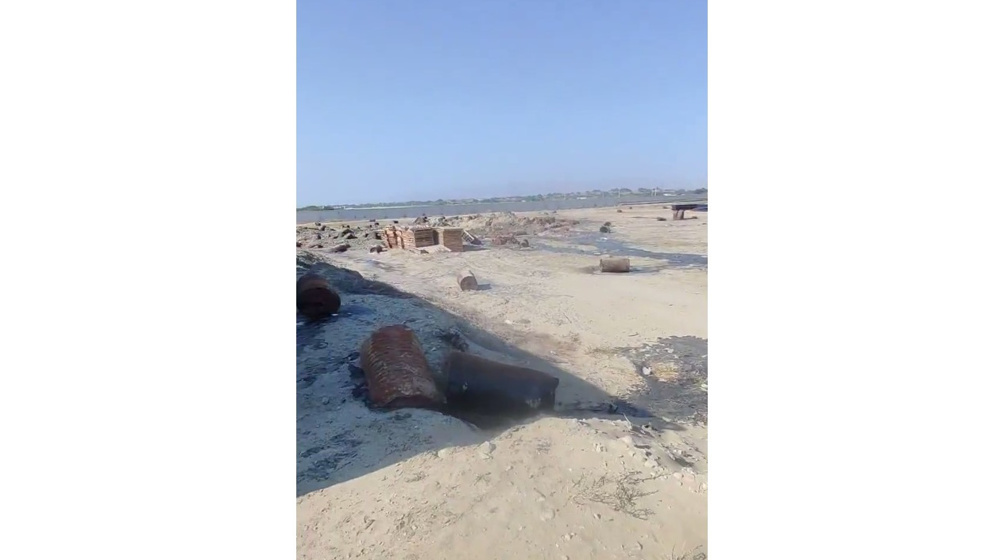
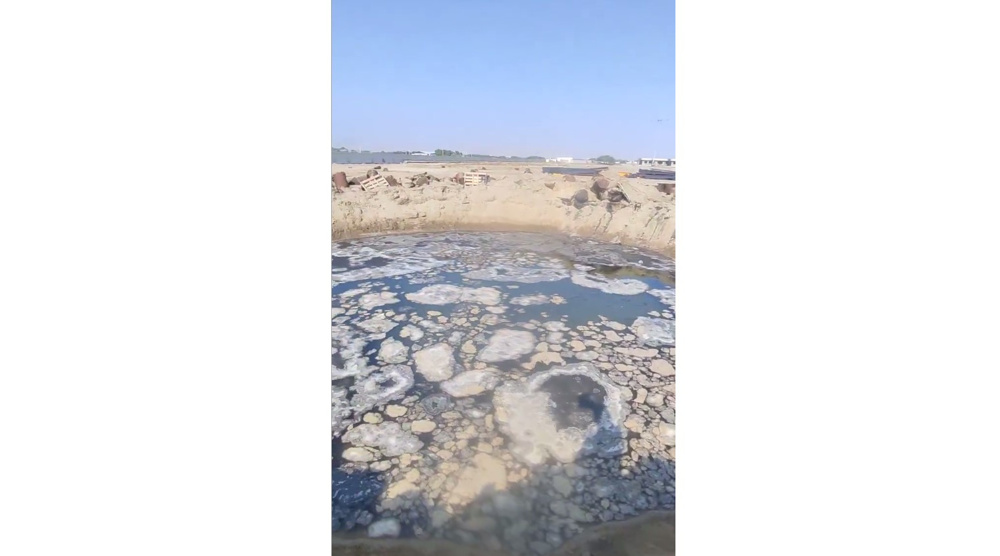
17. Strike on a pitch barrel depot
This footage is from a strike on a depot containing barrels of bitumen or pitch, a road construction and maintenance material. The strike destroyed civilian infrastructure supplies with no discernible effect on Iranian military capacity.
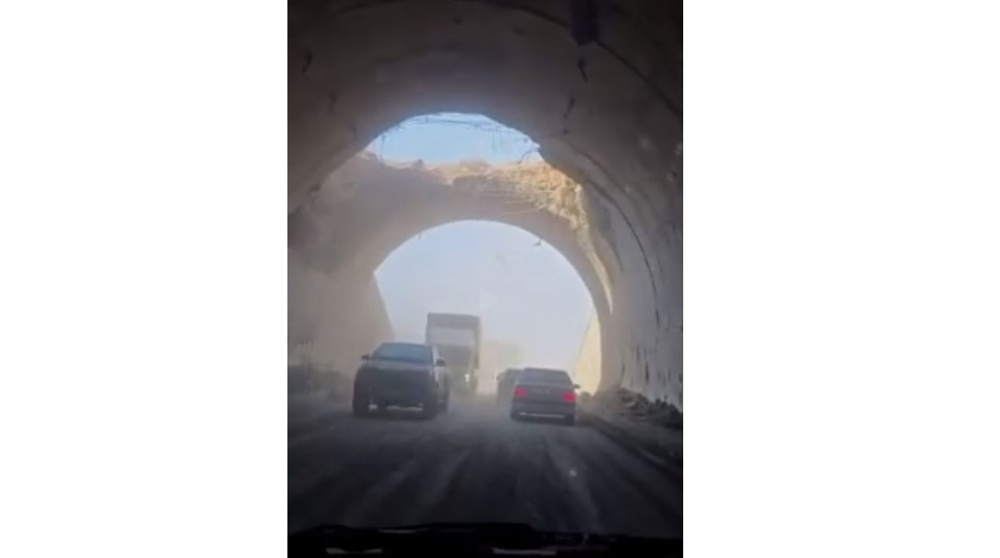
18. Strike on the Shahid Mirzaei tunnel, southern Iran
The Shahid Mirzaei tunnel was struck and reopened for civilian use within a day. As with the Aq Taqeh Khan railway bridge, the speed of restoration undermines any claim of meaningful infrastructure disruption. Tunnel strikes that fail to produce sustained closure achieve symbolic effect at best.
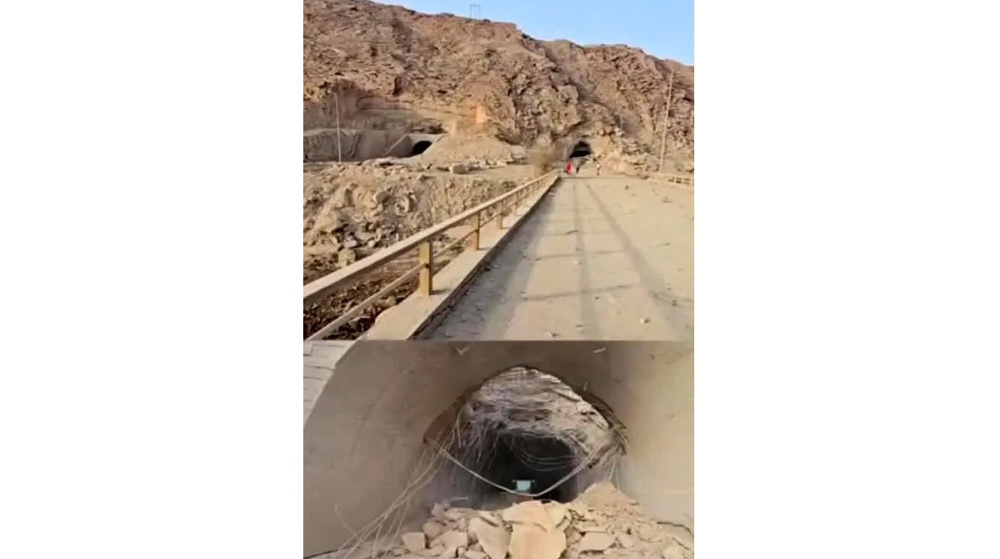
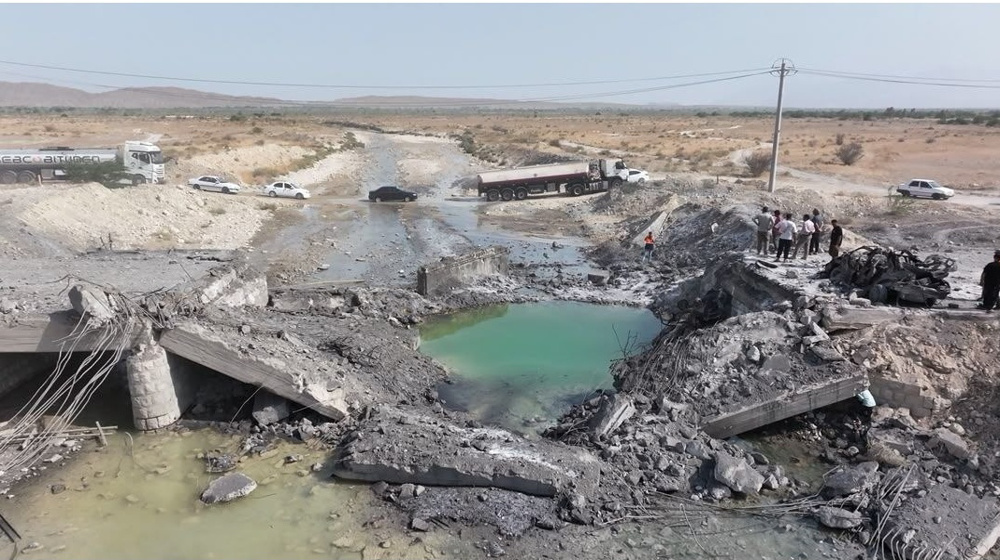
19. Multiple bridge strikes in southern Iran, with civilian casualties and no sustained closure
Several bridges in southern Iran were struck, resulting in civilian killings. In each case, the dry riverbed beneath the destroyed spans was immediately used as a crossing point, rendering the closures effectively non-existent.
The strikes produced casualties among the civilian population while failing to deny the crossings they targeted, an outcome that is both strategically ineffective and, given the dry riverbeds, foreseeable.
What the pattern suggests about campaign planning
The emerging pattern raises questions that go beyond the immediate military situation. A campaign that enters with a finite target bank and no clear theory of how military effect translates into an outcome faces a structural problem as that bank is exhausted.
Thus, the options available to the aggressors narrow in such a state: accept that the campaign has achieved what it can achieve and move toward a political resolution or expand the target set into categories with lower military value and higher civilian impact.
The visual record suggests that Americans have preferred the second option.
The military aggression has moved through its high-value target set and is now operating against targets of diminishing military significance, and that this shift is visible in the comparative record of official and civilian footage.
Notably, the majority of the visual record assembled here is not a comprehensive accounting of the air aggression but a curated selection by the US military. Every clip released through CENTCOM’s official channels was chosen by the US military itself as evidence of successful operations.
The fact that this supposed highlight reel includes empty ammunition crates, non-functional drone airframes, construction sites, and pitch barrel depots is therefore not incidental. It reflects the actual state of the American target bank.
If these are the strikes worth publicizing, the logical inference is that the remainder of the sortie log looks no better, and in all likelihood, considerably worse, as the ground-level footage of civilian infrastructure damage and casualties makes plain.
Absent from the entire released record is any footage of a successful strike on Iran’s solid-fuel ballistic missile inventory or its mobile launchers. These missiles are the weapons that actually reached and destroyed American targets in the two-week exchange of fire, the systems that constituted the primary strategic rationale for the campaign in the first place.
A campaign that began with declared objectives, including the elimination of Iran’s nuclear program, the degradation of its long-range strike capability, and the suppression of its air defenses, has, by the evidence of its own documentation, progressively exhausted those objectives without resolving them.
What remains is a target set composed of the margins, infrastructure that can be repaired overnight, equipment already out of service, and civilian assets whose destruction generates casualties without generating any kind of military advantage.

Iran Army downs US Orbiter reconnaissance drone over Strait of Hormuz
Iran dismantles terrorist cells in three provinces
How Iran turned US military and economic aggression into strategic leverage to dictate terms



US visa ban on Iranian president’s media team is bid to hide the truth: FM spokesman
US aggression, economic warfare amount to crimes against humanity: Iran's UN envoy
Protests erupt in US as ICE agent shoots Venezuelan driver
US pressure fuels cooperation among Muslim states: Pezeshkian
Major TV networks suspend White House pool coverage after Trump ban
US visa ban on Palestinian UN delegation violates international agreements: Hamas
VIDEO | Press TV's news headlines
Iran calls on France to respect law after suspending French cultural institute in Tehran




 PressTV NEWSLETTER
now
PressTV NEWSLETTER
now
 This makes it easy to access the Press TV website
