

Iran’s Deputy Foreign Minister for Legal and International Affairs Kazem Gharibabadi has emphasized that security in West Asia will come through the United States withdrawal from the region not under the US’s military umbrella.
Gharibabadi made the remarks in an X post on Wednesday after the US Central Command (CENTCOM) led a “security dialogue” in Bahrain, where military officials from 12 countries discussed regional security, defense collaboration, and commercial shipping in the Strait of Hormuz.
“A military summit in Bahrain cannot establish legal order and security for the Persian Gulf," he said.
"The region's security will be ensured through the end of interventions and the US withdrawal from the area, respect for countries' sovereignty, and acceptance of new geopolitical realities—not under the US’s military umbrella.”
The deputy foreign minister also referred to Iran’s powerful control on the Strait of Hormuz, a critical energy choke point, saying, "Hormuz is defined under Iran's command, not CENTCOM.”
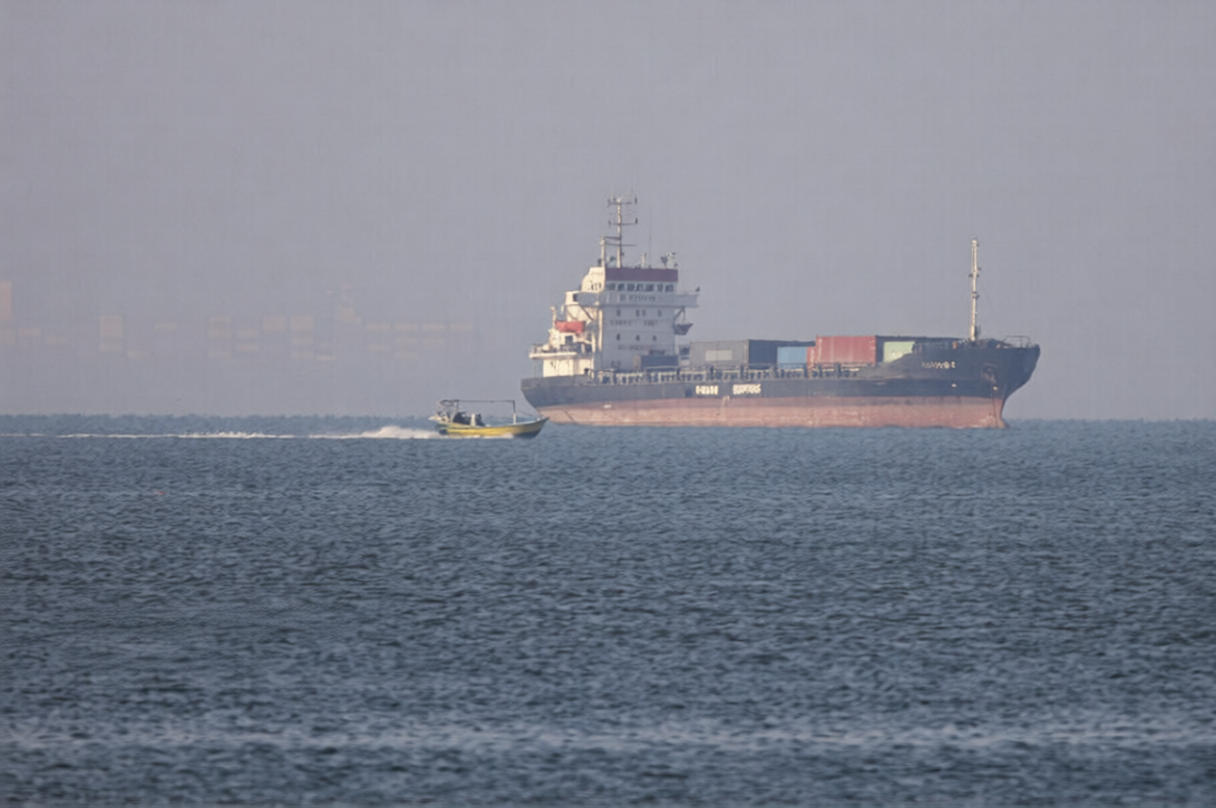
Iran has restricted transit through the strait since the early days of the illegal US-Israeli aggression on the country that began on February 28 and came to a halt under a ceasefire on April 8.
On July 17, Iran and the US signed a Pakistan-brokered Memorandum of Understanding (MoU), which calls for a permanent end to hostilities across all fronts and includes a commitment from both sides to hold further talks on a final agreement in the next 60 days.
Under the 14-point deal, Iran is required to ensure toll-free passage for commercial vessels for at least 60 days, with full restoration of traffic in the Strait of Hormuz within 30 days.
Iran has stressed its legitimate right to sovereignty over the strait, noting that the strategic waterway will never return to its pre-war conditions and that it will be administered by the Islamic Republic in accordance with international law.
 This makes it easy to access the Press TV website