Oman backs Iran’s plan to charge Strait of Hormuz ‘service fees’
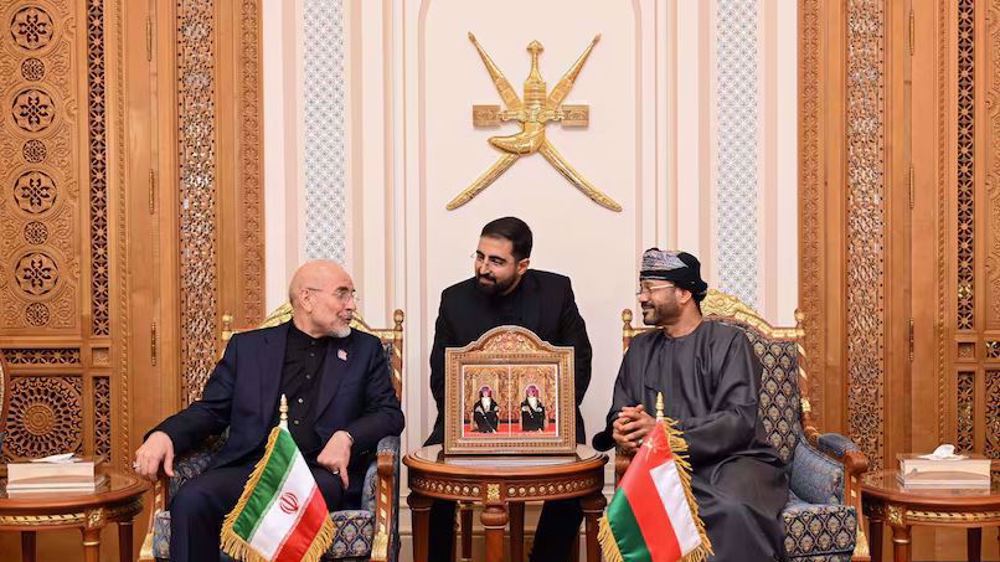
Oman’s Foreign Minister Badr al-Busaidi has expressed support for Iran’s plan to impose “maritime service fees” on vessels crossing the Strait of Hormuz.
In an interview with Monte Carlo Doualiya, published by Oman’s Foreign Ministry on Monday, al-Busaidi reaffirmed Muscat’s commitment to the United Nations Convention on the Law of the Sea (UNCLOS).
He clarified that Oman opposes any tolls on transit passage itself. However, the minister drew a clear distinction between transit tolls and legitimate maritime, environmental, and navigational service fees, which can be discussed voluntarily with benefiting states and companies.
Al-Busaidi explained that such fees would enhance navigational safety, protect the waters from pollution, and improve preparedness for accidents and emergencies, models already successfully implemented in the Strait of Malacca and around Singapore.
He stressed that Oman and Iran are in full agreement that any future arrangements for the strait must remain strictly within the framework of international law.
Regarding French and British proposals to clear mines in the waterway, al-Busaidi emphasized that primary responsibility for ensuring the safety of the strait and international shipping lanes lies with Iran, in line with the recent memorandum of understanding signed between the Iranian and American presidents.
His remarks follow the first meeting of the newly established Iran-Oman joint Hormuz committee, which focused on future governance of the strait.

Iran closed the Strait of Hormuz to its enemies and their allies after the latest round of unprovoked American-Israeli aggression against the Islamic Republic.
A Pakistan-mediated memorandum of understanding was recently signed between Tehran and Washington to help end the cycle of aggression.
Under the 14-point deal, Iran is required to ensure toll-free passage for commercial vessels for at least 60 days, with full restoration of traffic in the Strait of Hormuz within 30 days.
The MoU’s fifth clause explicitly recognizes Iran’s sovereignty over this vital chokepoint.
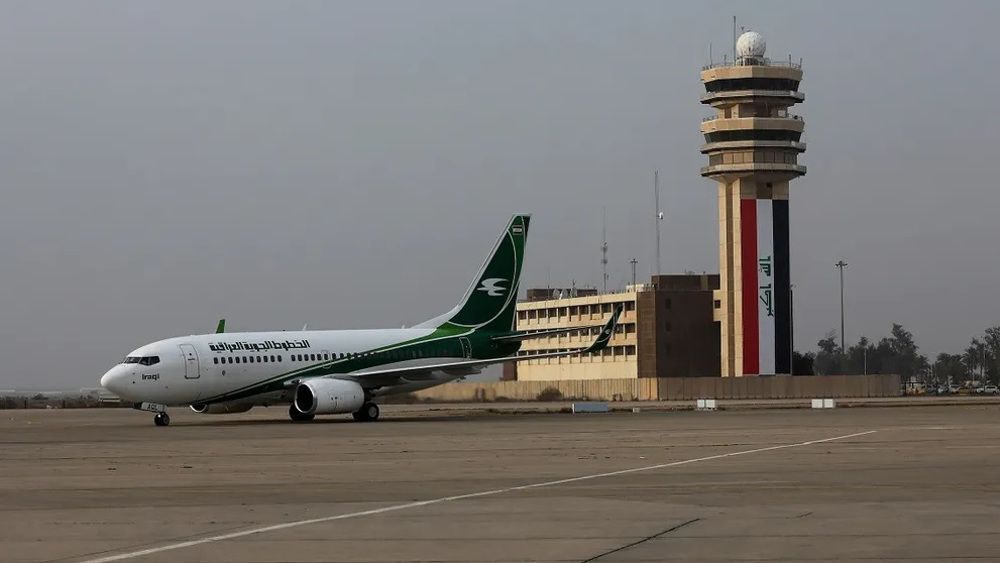
Iraqi airliner resumes flights to Iran amid US sanctions threats
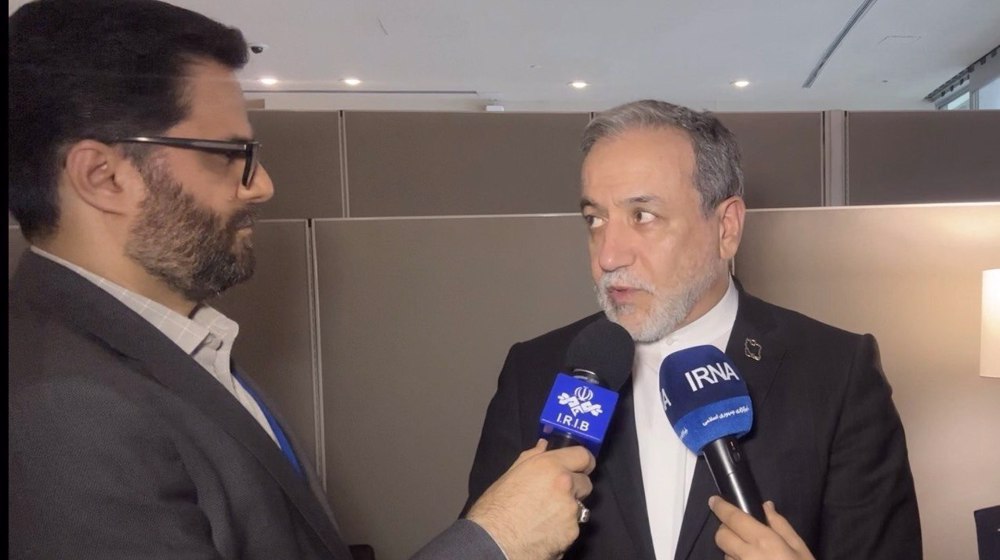
Araghchi: Zero compromise on Iran’s nuclear program, US response expected Tuesday
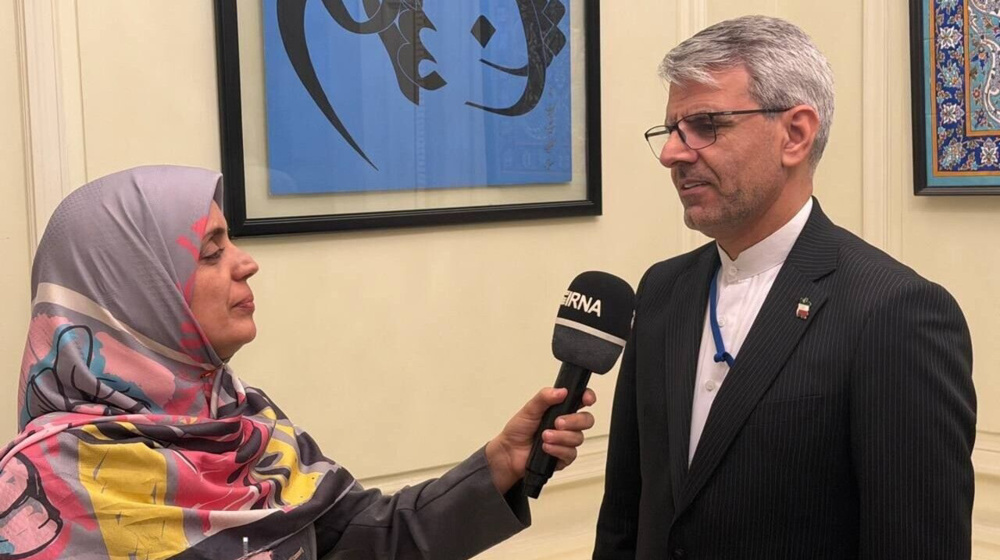
Media reports on Qatar-mediated talks ‘baseless speculation’: Baghaei



Army spox: Saudi Arabia launches over 30 airstrikes across Yemen in 24 hours
VIDEO | News Review: Israel settlement expansion
Israel violates Gaza ceasefire over 5,100 times, kills 1,421 Palestinians: Gaza Media Office
VIDEO | Russia holds events under title of Iran’s Culture Week
Republicans distancing themselves from Trump ahead of US midterms
Pezeshkian: Expanding Iran-Azerbaijan rail, air links key to strengthening ties
Iranian engineering students hold lectures at US-bombed B1 mega-bridge
VIDEO | Press TV's news headlines



 PressTV NEWSLETTER
now
PressTV NEWSLETTER
now
 This makes it easy to access the Press TV website
