US-backed deal favors Israel at expense of Lebanon’s national interests: Amal Movement
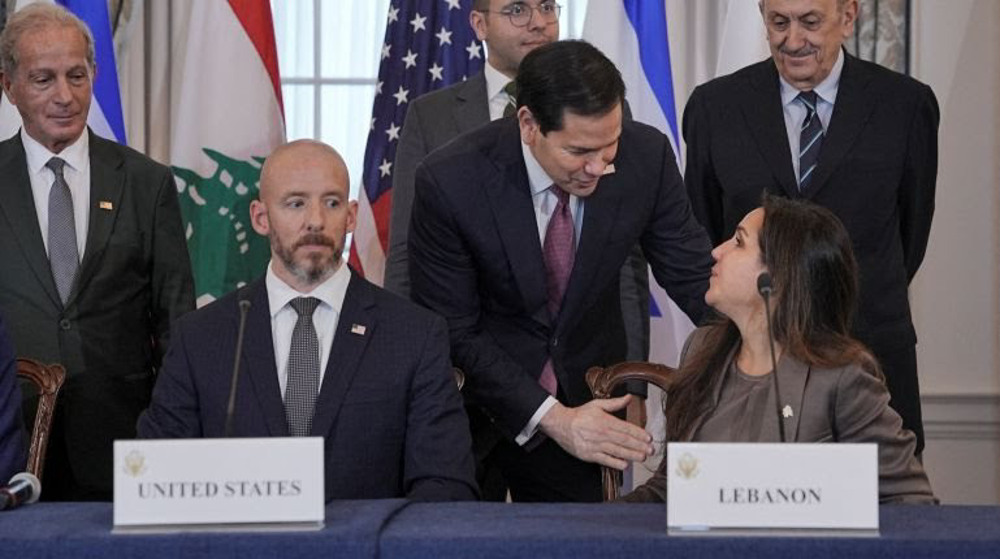
Lebanon’s Amal Movement has rejected the so-called Framework Agreement between Beirut and Tel Aviv, saying that most of the deal’s clauses are detrimental to Lebanon’s national interests and serve the interests of the Israeli regime.
In a statement released late on Saturday, the Lebanese political party underscored its adherence to international resolutions and dismissed face-to-face talks with the occupying regime, expressing its strong disapproval of the framework agreement.
The Amal Movement’s political bureau described the US-mediated deal between the Beirut government and the Israeli regime as “unbalanced,” adding that most of its clauses include realities that benefit the “Zionist enemy” and are detrimental to Lebanon’s national interests.
The movement added that the deal carries political and sovereign risks, and should be rejected because it is not based on a fair agreement that protects the rights of the Lebanese nation.
The Amal Movement called for Israeli military forces to be required to withdraw completely from all occupied Lebanese territories to internationally recognized borders.
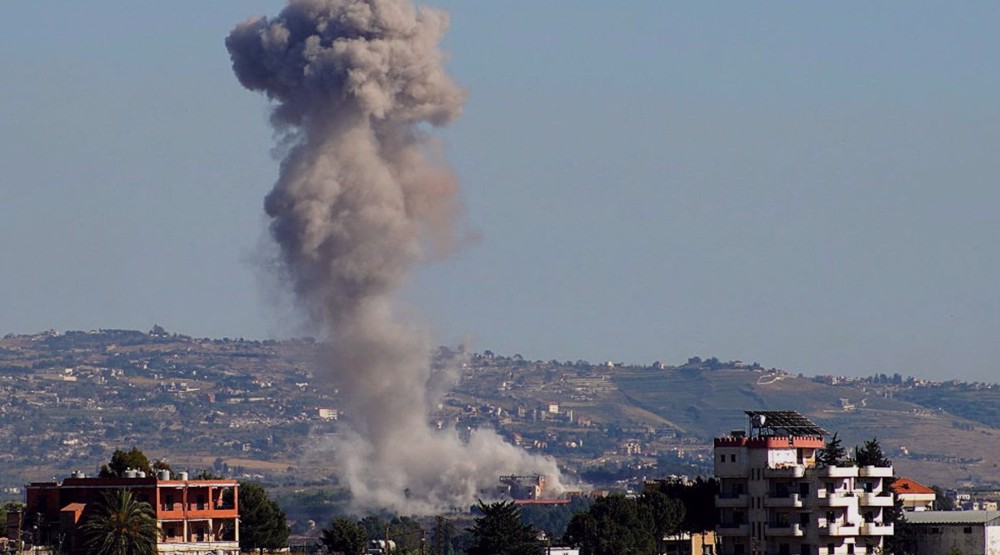
The movement also demanded the deployment of Lebanese army forces and full exercise of its authority and role.
It emphasized that such an approach strengthens the power and legitimacy of the Lebanese government, urging authorities to pursue indirect negotiations to resolve outstanding issues and consolidate internationally recognized borders.
The Amal Movement also called on all Lebanese people to exercise the highest level of awareness and national unity and to refrain from being drawn into the enemy’s traps designed to create internal sedition.
On Friday, US Secretary of State Marco Rubio declared that a framework agreement had been reached between Lebanon and Israel, describing it as a preliminary move in what he called a “challenging journey.”
At the same time, Israeli Prime Minister Benjamin Netanyahu commended the agreement as a significant milestone for the occupying regime.
Netanyahu said Israel would prevent Lebanese citizens or Hezbollah fighters from coming back to the so-called security belt area controlled by Israeli forces, insisting that Israel would keep occupying parts of southern Lebanon until “Hezbollah is disarmed.”
The agreement was met with widespread opposition and angry protests in several regions of Lebanon, as well as by renowned scholars, political figures, and prominent personalities who categorically rejected it.

Israel establishes new illegal settlement outpost in occupied West Bank
Islamic Jihad: Nasrallah helped build a united regional front against Israel

Hamas: Board of Peace’s 'hostile stance' on UNRWA aligns with Israel



VIDEO | Press TV's news headlines
Reyhaneh Karimi makes history with Iran’s first women’s weightlifting medal at Asian Games
Iran ‘fully prepared’ for war to resume with US but still trying diplomacy: Araghchi
Israeli airstrikes continue to hit southern Lebanon despite framework deal
Iran urges global action to prosecute those behind Nasrallah's assassination
Hezbollah leader: Resistance will continue until ‘complete expulsion’ of Israeli forces
VIDEO | 'Nasrallah brought Palestinian issue back to the core of international issues': Hamas
Plans to Judaize occupied al-Quds and al-Aqsa Mosque will fail: Hamas


 PressTV NEWSLETTER
now
PressTV NEWSLETTER
now
 This makes it easy to access the Press TV website
