Mission unaccomplished – Part III: After a failed war, US forced to recognize Iran's sovereignty
By Press TV Website Staff
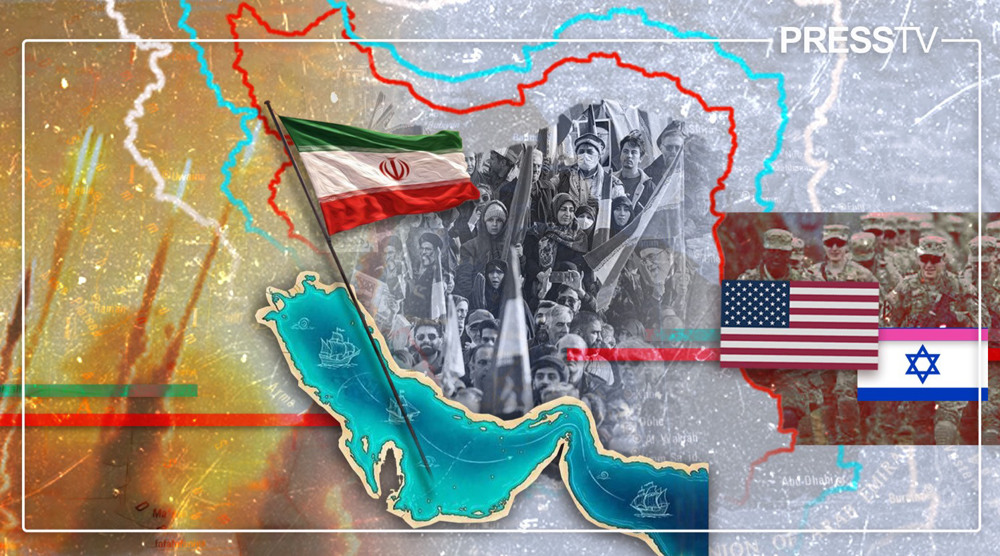
The memorandum of understanding (MoU) between Iran and the United States represents a watershed moment, not merely in the form of the cessation of the enemy’s hostilities, but as a fundamental recalibration of power dynamics in the West Asia region.
While much of the global commentary has focused on the tactical details of sanctions relief or nuclear negotiations, the true magnitude of the achievement lies in the formal, contractual recognition of Iran's sovereignty and territorial integrity.
Importantly, it comes from a state that has, for over four decades, pursued a policy of maximum pressure, subversion, and so-called “regime change” against the Islamic Republic.
This diplomatic victory, achieved through Iranian resilience and deterrence, constitutes the most significant political achievement of the understanding and establishes a new, albeit fragile, foundation for a new regional order in which Iran sets the terms.
The core principle: Sovereignty as the bedrock of MoU
At its heart, the 14-point memorandum signed by the presidents of the two countries last week establishes a clear and binding framework. The most crucial provision is the explicit commitment of both parties to "respect each other's sovereignty and territorial integrity, and refrain from interfering in each other's internal affairs."
This is not a minor point of diplomatic etiquette but the foundational principle upon which the entire understanding rests. Without this mutual recognition, no agreement can be stable or credible, and it is a barometer to test the seriousness of the American side.
For Iran, this is the culmination of a demand it has consistently articulated since the 1979 Islamic Revolution. The United States' formal acceptance of this principle is a profound departure from its historical approach and a massive political victory for Tehran.
The significance of the understanding is highlighted by what is absent from its text. There is no reference to the so-called “regime change,” no demands for the dismantling of Iran's ballistic missile program, and no explicit calls for the complete elimination of its nuclear enrichment capabilities. By agreeing to coexistence rather than confrontation, Washington appears to have abandoned, at least for the foreseeable future, any strategy aimed at overthrowing the Islamic Republic.
This is widely seen as a testament to the failure of the US-Israeli war’s initial aims. The war did not produce “regime change,” nor did it eliminate Iran's strategic deterrent capabilities.
✍️ Analysis - From battlefield superiority to strategic leverage: Iran’s new post-war doctrine takes shape
— Press TV 🔻 (@PressTV) June 15, 2026
By Press TV Strategic Analysis Deskhttps://t.co/QHmgtsFazC
Forcing a shift from "maximum pressure" to recognition
The path to this moment was not paved by American goodwill but by Iran's strategic steadfastness. For decades, the United States had systematically attempted to weaken Iran through a multi-pronged strategy, ranging from crippling economic sanctions to direct military threats and support for anti-Iran terrorist and separatist groups.
The Trump administration's "maximum pressure" campaign sought to turn internal protests into unrest and instability. Trump himself publicly admitted that the United States had supplied weapons to anti-Iran insurgents through Iraq's Kurdistan to create internal chaos.
The understanding reached after the military campaign failed to deliver results signals a definitive retreat from this long-standing approach adopted by successive US regimes. By accepting the principles of sovereignty and non-interference, the United States has been effectively compelled to abandon its preferred method of pressure.
The provisions of the understanding are clear: any future threats, support for armed separatist movements, or attempts to fuel unrest would constitute a "direct violation" of the memorandum’s first article. This is a critical guarantee for Iran.
The American side was forced to accept this because of Iran's strength, deterrence, and the determination of the Iranian people – not by choice. The American war machine capitulated in the face of a counterforce it could not decisively defeat in the short term. The decision to engage Iran as a credible regional superpower rather than a so-called “pariah state” is a direct result of the war's high costs and Iran's ability to withstand the pressure campaign.
✍️ Analysis - The tide has turned: Iran’s strategic control of the Strait of Hormuz crushes American naval supremacy
— Press TV 🔻 (@PressTV) June 6, 2026
By Press TV Strategic Analysis Deskhttps://t.co/fpVqRHqVRD
Protecting core national interests: Hormuz and beyond
The principle of sovereignty extends beyond political borders to encompass Iran's vital national interests and strategic assets. The memorandum, while aimed at easing tensions, firmly reinforces Iran's role as a critical and indispensable player in the region.
A key point is the administration of the Strait of Hormuz, a vital global shipping lane in the Iranian waters. The MoU secures a guarantee from Iran to ensure the safe passage of commercial vessels, giving the global economy a breather.
Crucially, however, this does not signal an American victory in claiming the Strait. Iran has quickly moved to assert its sovereign rights over the waterway as it should.
In public pushback against American claims, Iranian officials have stated that the Strait of Hormuz will never return to its prewar conditions and will be administered by the Islamic Republic of Iran.
Furthermore, Iran has also conveyed to Oman that no corridor in the waterway is safe if it’s not approved by the Iranian authorities. This assertive stance demonstrates that, while Iran may facilitate maritime traffic, it remains determined to exercise control over and derive benefit from this strategic asset, posing a clear challenge to previous US assumptions.
The understanding effectively cements the principle that bypassing Iran or diminishing its sovereign rights in the Persian Gulf is no longer a viable option for Washington or its allies.
✍️ Analysis - Leader’s strategic vision leverages Iran’s post-war ascendancy to reshape regional power dynamics
— Press TV 🔻 (@PressTV) June 21, 2026
By Press TV Strategic Analysis Desk https://t.co/ldvVF1jpXg
Future of MoU depends on political will in Washington
Moreover, the permanence of this sovereignty-based paradigm is not guaranteed. The future of the understanding remains dependent on the political will in Washington.
There are already powerful voices opposed to the preliminary deal. Some US senators have argued that it cedes too much ground to Iran, creating panic in Washington.
The logic of American banditry suggests that the US, if presented with an opportunity, is unlikely to be faithful to any peace deal and may use its allies, notably Israel, to apply pressure or directly violate the terms of the MoU.
Indeed, Israel has been portrayed as a major loser, as it was not a party to the negotiations and appears to have had little influence over the outcome.
The memorandum signals a widening distinction between American strategic interests and Israeli war objectives, raising the possibility that future wars could jeopardize the fragile stability. However, as Iranian officials have warned, any violation of the principle of sovereignty would be met with a decisive response.
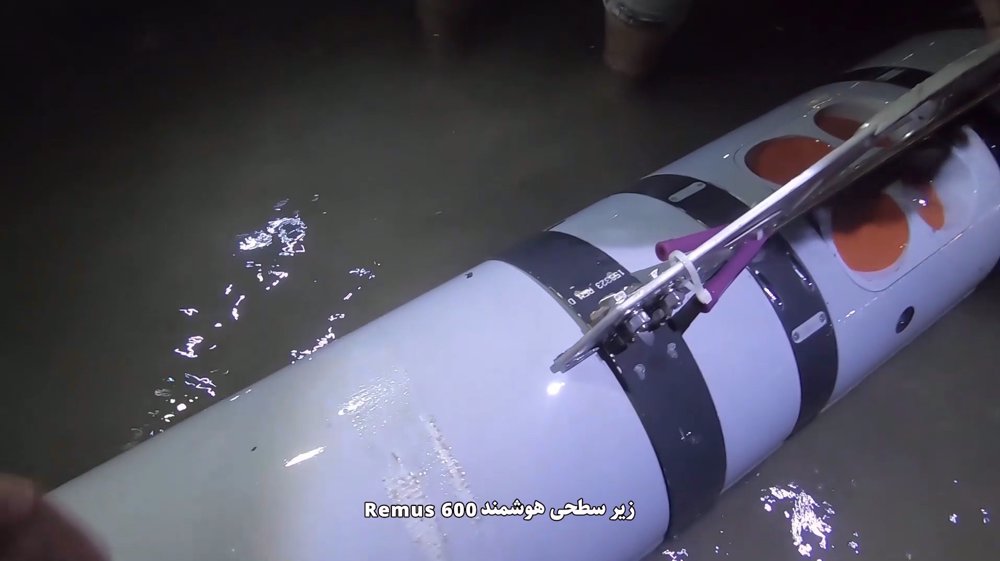
‘Not just a catch, an intelligence prize’: IRGC spokesman hails seizure of second US underwater dron
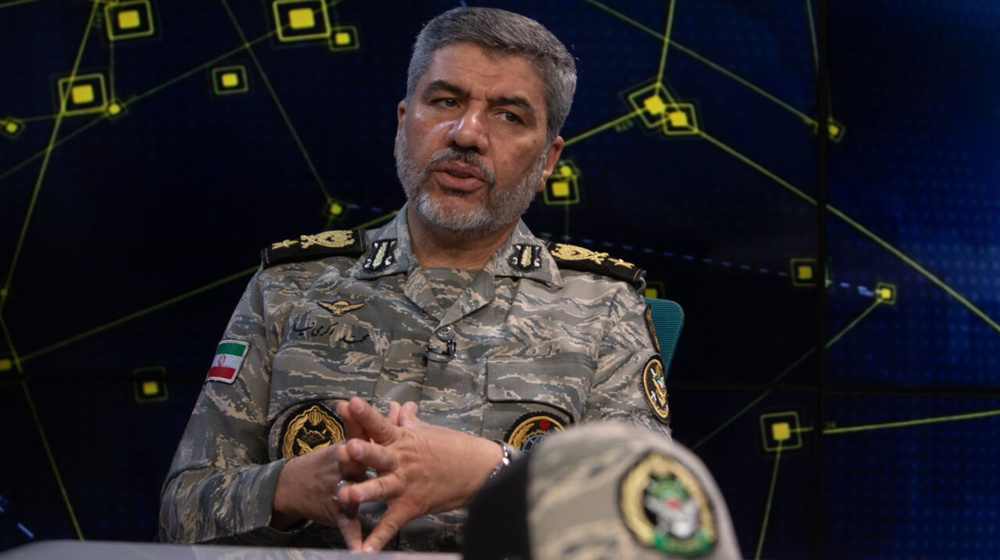
Iran Army vows stronger response to any renewed US aggression
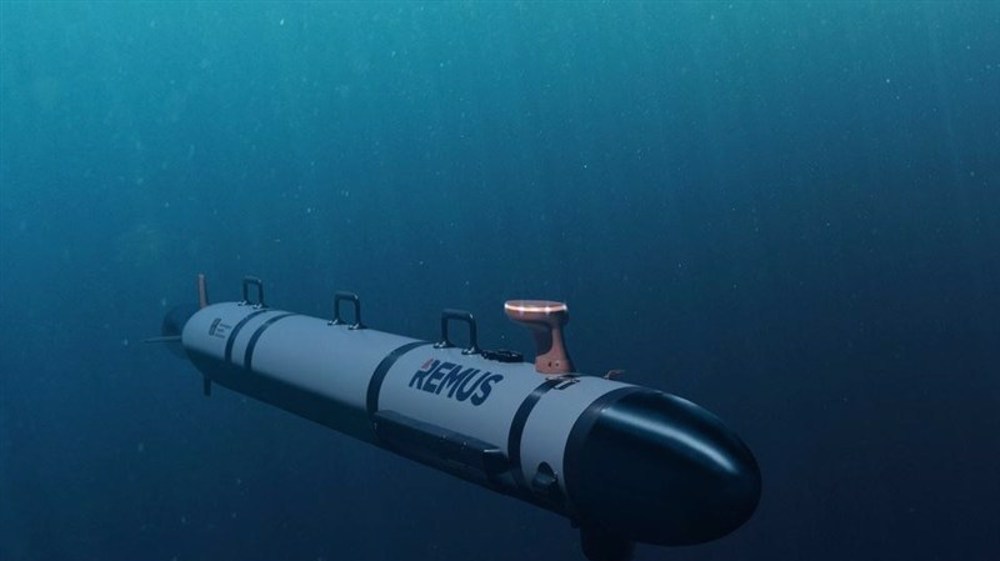
IRGC captures second US underwater drone in Strait of Hormuz



Ansarullah: Riyadh’s pleas to foreign powers display its haplessness against Yemen
Iran’s Tabas UNESCO Global Geopark wins top two prizes in international competition
Leader: Days of foreign domination that enemies seek are gone forever
Press TV's West Bank reporter Naqaa Hamed released from Israeli jail after two weeks
1,500 Israeli settlers stage police-enabled incursion into al-Aqsa Mosque compound
VIDEO | Netherlands takes stand for international law by banning Israeli settlement products
Saudi Arabia serving US, Israeli interests; ongoing aggression won’t go unanswered: Yemeni spox
VIDEO | Press TV's news headlines



 PressTV NEWSLETTER
now
PressTV NEWSLETTER
now
 This makes it easy to access the Press TV website
