Lebanese MPs say Iran forced halt to aggression, slam direct talks with Israel

A prominent Lebanese lawmaker has credited Iran with helping secure a ceasefire in Lebanon, saying the Islamic Republic was able to halt Israeli aggression through sustained diplomatic, political and military pressure on the United States and Israel.
Speaking to Lebanon's al-Ahed news network on Friday, Hussein al-Hajj Hassan, a member of the Loyalty to the Resistance Bloc, Hezbollah's parliamentary wing, said Tehran's efforts were instrumental in halting Israeli attacks.
“Only the Islamic Republic of Iran, through its diplomacy and political and military pressure, was able to impose a ceasefire on the enemy and halt Israeli aggression,” the lawmaker said.
Al-Hajj Hassan added that Iran had fulfilled its commitments to the Lebanese people, Parliament Speaker Nabih Berri and the Hezbollah resistance movement.
“And that the current situation can now pave the way for a comprehensive ceasefire and the withdrawal of Israeli forces from Lebanese soil.”
The lawmaker also questioned the effectiveness of policies pursued by some Lebanese government officials, which he said were being interpreted as attempts to normalize ties with Israel or escalate tensions with Iran.
“In fact, some of their members have even gone so far as to justify the US and Israeli actions and aggression,” he said.
Al-Hajj Hassan further criticized the Lebanese government's decision to engage in direct talks with Israel in Washington.
“The declared ceasefire in Washington was never actually implemented, not even for a moment.”
He also condemned the Lebanese government's silence following the latest Israeli incursion, which left widespread death and destruction across the country.
The lawmaker stressed that American assurances, particularly those associated with US President Donald Trump, had failed to stop the Israeli aggression.
“Instead, they gave Israel more freedom of action and destruction. All this happened in the shadow of official Lebanese silence,” he said.
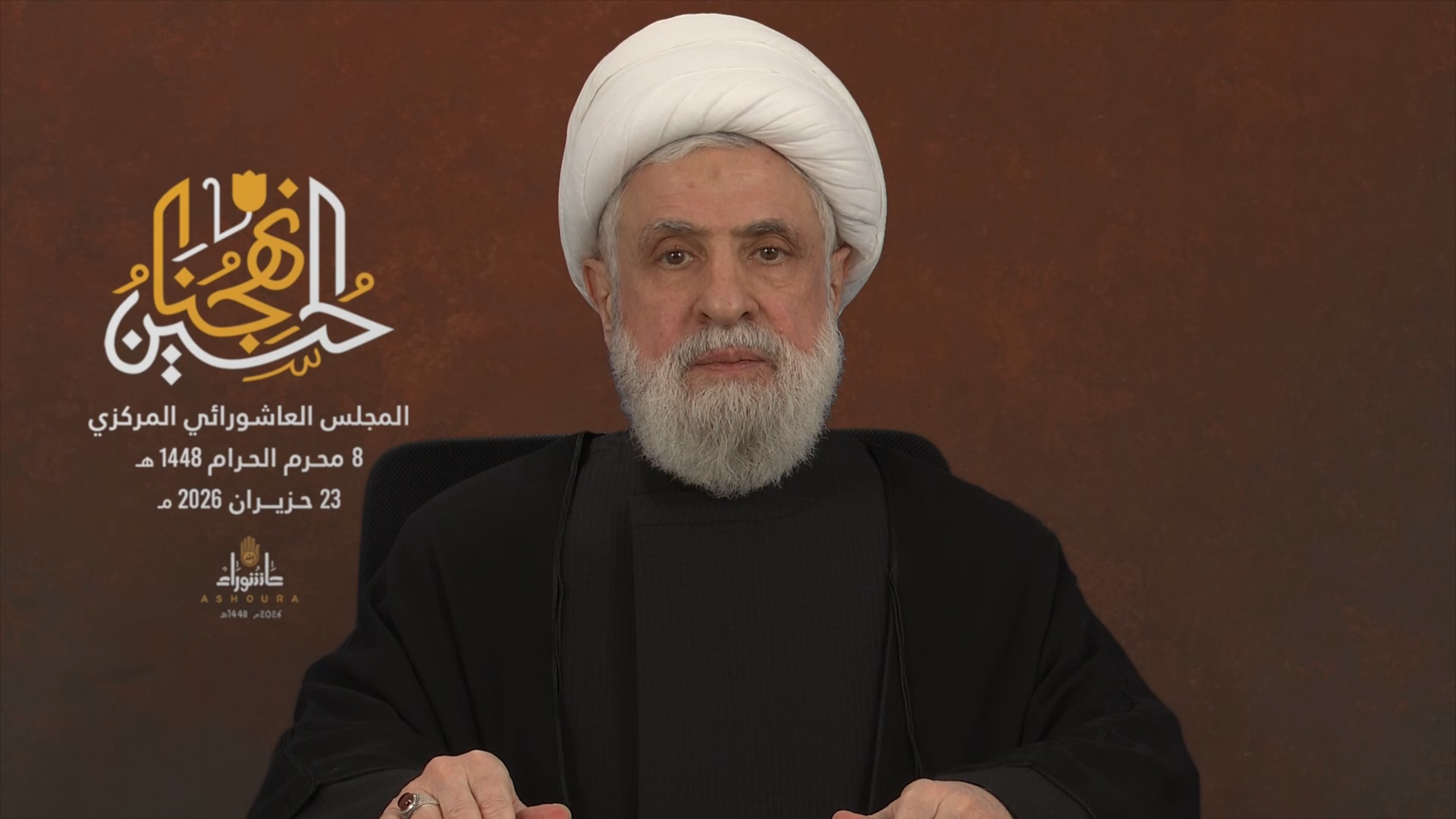
Elsewhere in his remarks, al-Hajj Hassan said the Lebanese government's decision to pursue direct talks with Israel was not solely linked to Hezbollah's large-scale military operation, dubbed Al-Asf Al-Ma'koul (The Eaten Straw).
“These positions were taken long before that battle, and the decision made on March 3 and the subsequent move towards direct negotiations were wrong choices that have not yet yielded the desired results."
The Hezbollah lawmaker also noted that members of a Lebanese delegation that recently visited Washington had heard US Secretary of State Marco Rubio describe Hezbollah as a "common enemy."
“Lebanese authorities have an opportunity to reassess their policy options following recent developments,” he added.
Al-Hajj Hassan stressed that threats from Israel and the United States would not alter Hezbollah's position.
Meanwhile, another Hezbollah lawmaker, Ali Fayyad, criticized the Lebanese government's hostile approach toward Iran, insisting that Tehran has consistently supported Lebanon.
“The Islamic Republic has been a friendly country, and the Lebanese government should not be worried about Iran,” Fayyad said.
“What is important to Iran is the sovereignty, unity and territorial integrity of Lebanon.”
Referring to the proposed framework between Iran and the United States, Fayyad said the arrangement envisages an end to hostilities across all fronts, including Lebanon, with neither side initiating war or resorting to force.
“The results of the Swiss negotiations and, before that, the memorandum of understanding between Iran and the United States, showed that our approach was correct and that Iran's support for Lebanon helps the country achieve its goals of establishing a ceasefire, restricting the enemy's freedom of movement and ultimately forcing Israel to retreat,” he said.
Earlier, Israeli media reported that an order had been issued to temporarily halt military operations without withdrawing troops from their deployed positions.
Despite the ceasefire commitment, Israeli forces have continued carrying out strikes in southern Lebanon. Attacks on Beirut's southern suburbs and border villages have killed dozens of civilians.
Lebanese officials say more than 4,100 people have been killed since March.
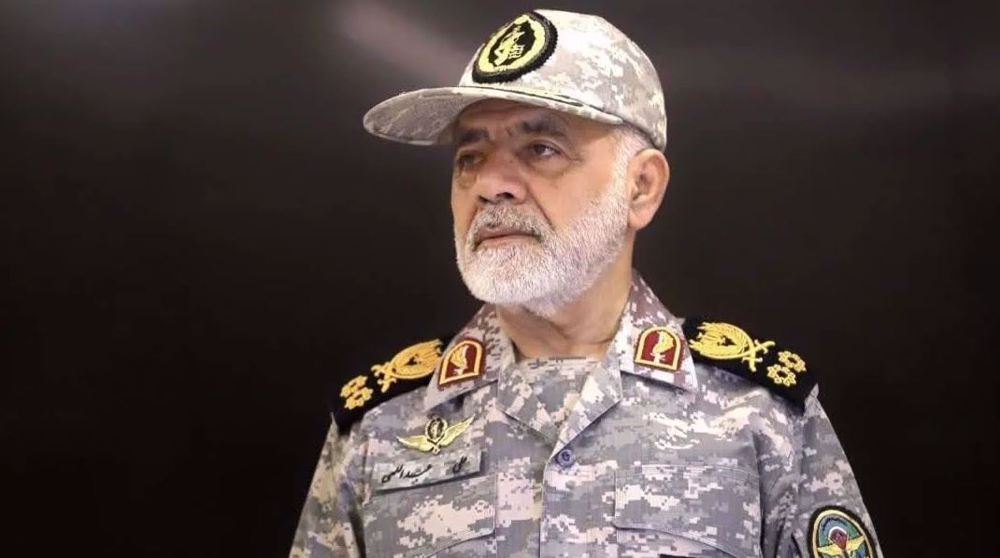
Iran, resistance forces to deliver ‘devastating’ response to any threat: Top cmdr.
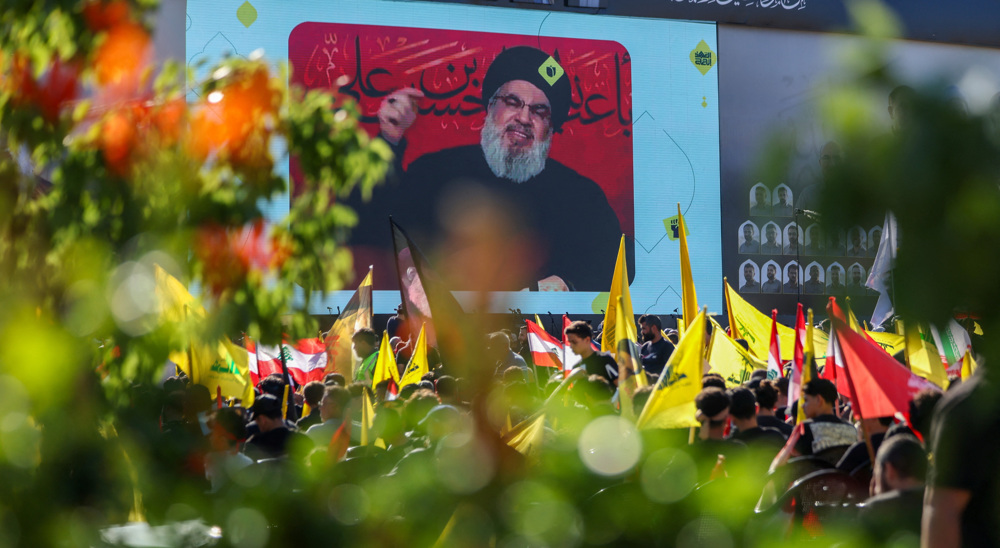
‘Sayyed of resistance is alive’: IRGC hails Nasrallah’s enduring legacy on 2nd martyrdom anniversary
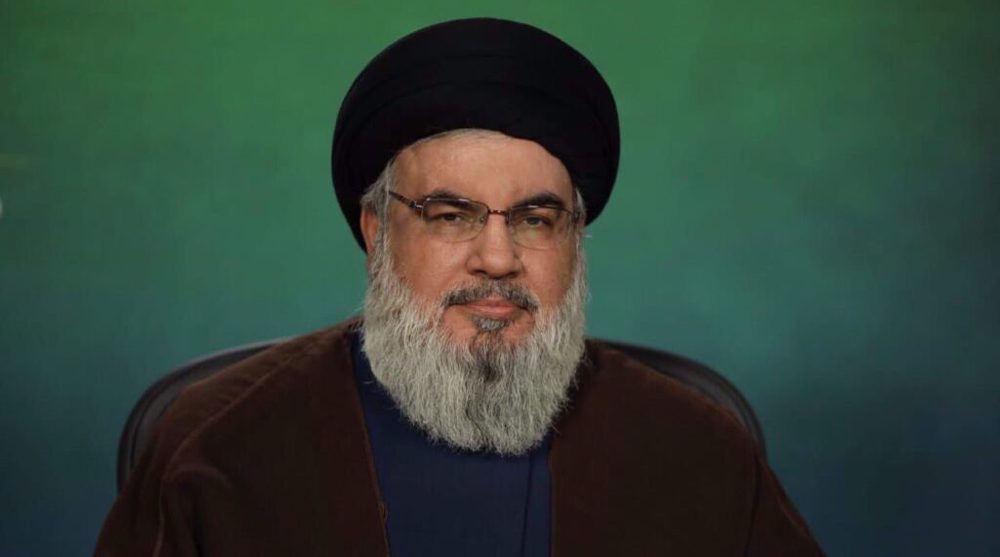
Iran urges global action to prosecute those behind Nasrallah's assassination



Israeli attacks kill six Palestinians in Gaza as ceasefire violations mount
Iran warns regional states of Israel’s malicious intents following reports of Netanyahu UAE visit
VIDEO | IRGC letter to American people
Army spox: Saudi Arabia launches over 30 airstrikes across Yemen in 24 hours
VIDEO | News Review: Israel settlement expansion
Israel violates Gaza ceasefire over 5,100 times, kills 1,421 Palestinians: Gaza Media Office
VIDEO | Russia holds events under title of Iran’s Culture Week
Republicans distancing themselves from Trump ahead of US midterms


 PressTV NEWSLETTER
now
PressTV NEWSLETTER
now
 This makes it easy to access the Press TV website
