For South Lebanon's displaced, returning to homes destroyed by Israeli bombs is act of defiance
By Roqayah Chamseddine
The olive trees of South Lebanon do not merely grow; they endure, rooted in a recurring historical liturgy in which returning to them is an act of defiance – a refusal to be permanently unmoored from a land that decades of wars and invasions have transformed into both a frontline and a sanctuary.
To truly understand the gravity of a native’s return, one must look beyond the dust-choked rubble of the latest war of aggression and trace a deeper, more enduring lineage of defiance.
It is a history etched into the foundational scars of the 1978 and 1982 invasions, tempered through the long and suffocating years of occupation, and vindicated by the hard-won war of liberation in 2000. The act of return is therefore not merely a response to the present war, but the continuation of a collective memory shaped by decades of resistance, sacrifice, and steadfast attachment to the land.
The families now traversing these shell-pocked highways, their vehicles stacked high with mattresses and the remnants of interrupted lives, carry a pragmatic understanding: that safety is never guaranteed by international resolutions or the shifting calculations of imperial diplomacy. It is secured through an unwavering commitment to remain the custodians of their homeland.
They know that to leave these hills empty is to concede precisely what the enemy has long sought – a depopulated buffer zone carved out through displacement, fear, and the slow erosion of belonging.
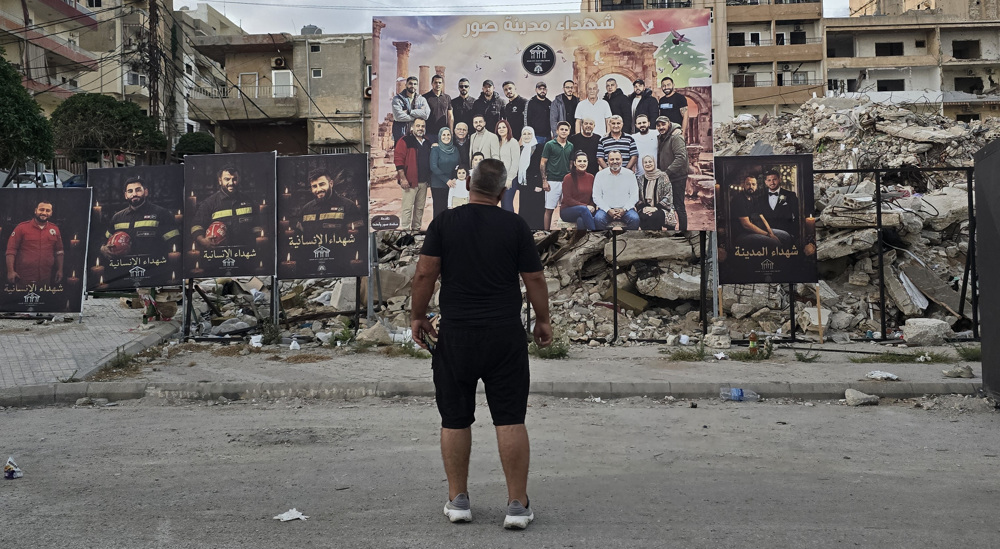
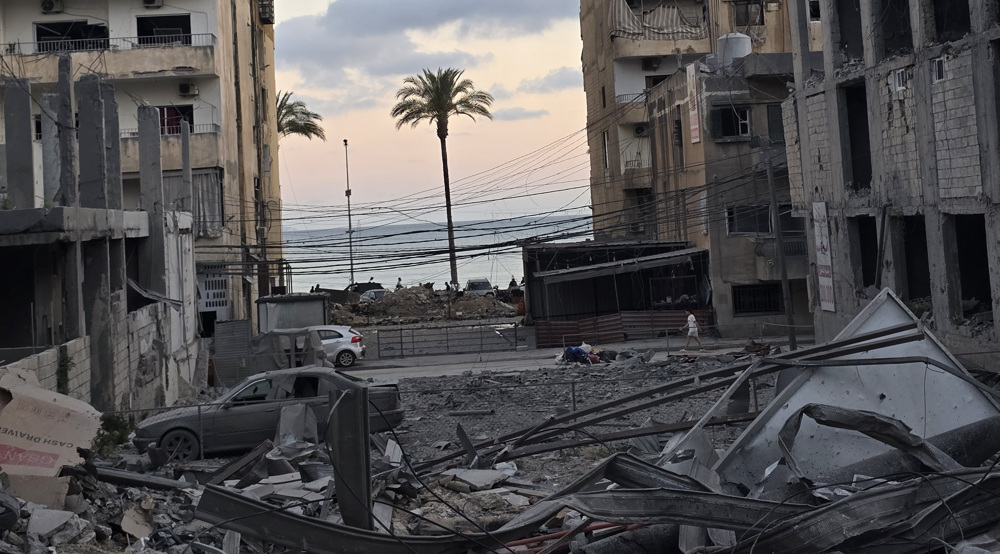
Passing through the coastal city of Tyre, long a bastion of resistance on Lebanon’s southern shore, one is confronted at every turn by the remnants of Israel’s latest campaign of destruction: pancaked apartment blocks, damaged medical facilities, and the charred facades of shops that once sustained the rhythms of daily life.
The city bears its wounds openly, its streets layered in dust and silence where commerce, conversation, and community once flourished
Amid the chalky haze, a group of children stands before the shattered shell of their apartment building near Hiram Hospital, itself damaged in a particularly devastating Israeli airstrike on May 31. Cradled between them is a small puppy, a living rescue pulled from the wreckage and passed carefully from hand to hand like a fragment of salvaged hope.
“We found him when we came to check on the house,” thirteen-year-old Mustafa told the Press TV website, his eyes drifting across the rubble that was once his neighborhood.
“We’re going to take him to a veterinarian as soon as one opens.”
In a landscape defined by ruin, the gesture feels quietly profound. This small act of mercy reflects one of southern Lebanon’s deepest and most enduring covenants: a fierce commitment to safeguard not only the land itself, but every fragile life it shelters.
For those returning to the south, homecoming is more than an act of reclamation. It is an acceptance of responsibility – for the fields and olive groves, for the houses waiting to be rebuilt, and for every living thing that depends on the land’s capacity to endure and nurture.
An elderly man from the village of Qana, his car plastered with images of his martyred son, beamed with pride as he told us he was heading home, whatever the cost.
“Nothing will keep me from returning,” he said. “I was born in the south, and they will bury me in the south.”
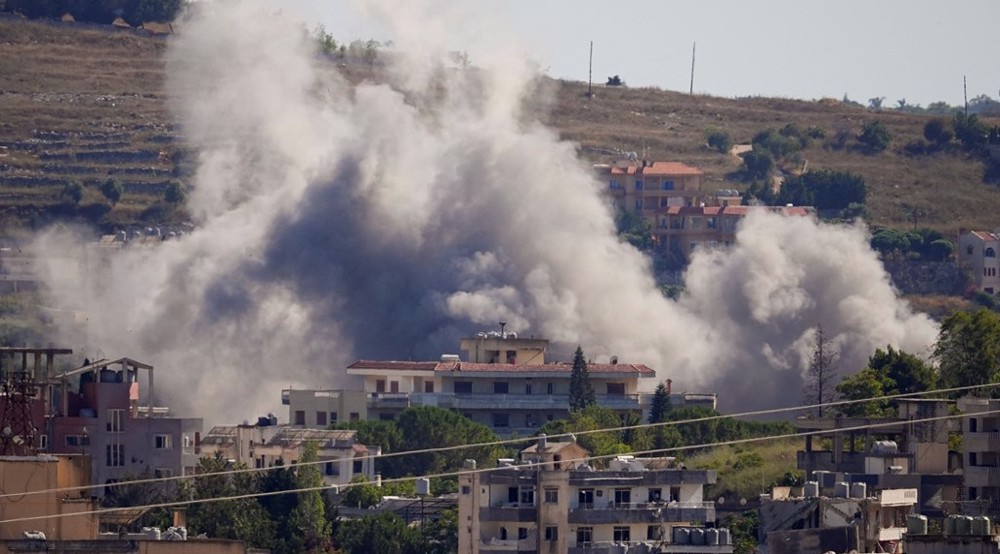
That deeply ingrained liturgy of return was violently shattered by the latest onslaught before Iran closed the Strait of Hormuz. In a single day, Israel unleashed a relentless campaign of more than 100 airstrikes, systematically designed to render south Lebanon and its historic towns utterly uninhabitable.
The skies above the Nabatieh ridge and the Bekaa Valley dissolved into a dense canopy of fire, killing at least 47 people, many of them children, and extinguishing any illusion of calm. The offensive spared neither sanctuary nor shelter.
Residential clusters across Harouf, Haboush, and Dweir were flattened in rapid succession. In Harouf, the killing of an entire family, including three young daughters, laid bare an Israeli tactical doctrine that treats the mere physical presence of a southerner as an existential provocation.
Nowhere was this punitive machinery of forced displacement more concentrated than in my own village of Arab Salim.
Perched on high ground overlooking the Nabatieh lines, Arab Salim endured 15 separate strikes within a single 24-hour window, a calculated wave of terror aimed at breaking the psychological spine of a community that has historically refused to bend.
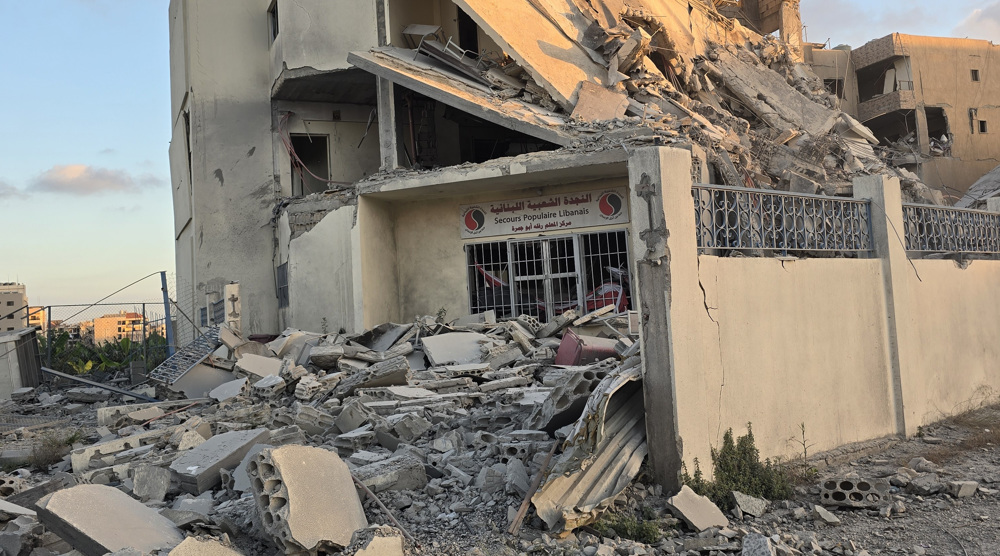
When I arrived in South early Thursday morning, a quiet stillness hung over the village, but the air was thick with anticipation. Local residents had only just begun to trickle back – hopeful, hesitant, yet visibly excited to return after months of forced displacement.
Near the village center, a small family stood before what remained of the local supermarket. The building had been heavily damaged in a previous Israeli airstrike, its fractured facade a stark reminder of the violence they had fled.
Yet, standing amidst the debris, the family was not mourning the concrete; they were rejoicing simply to be home.
As I walked further up the road toward the local Hussainya, a village elder spotted me. His face wrinkled into a warm, deeply etched smile, and he beamed with a pride that even the surrounding devastation could not strip away. He stepped forward to welcome me back, his voice carrying the weight of everything our community had endured.
"Welcome home, and thank God for your safety!" he said, gesturing toward the surrounding hills. "Is there anything more beautiful than the scent of the village?"
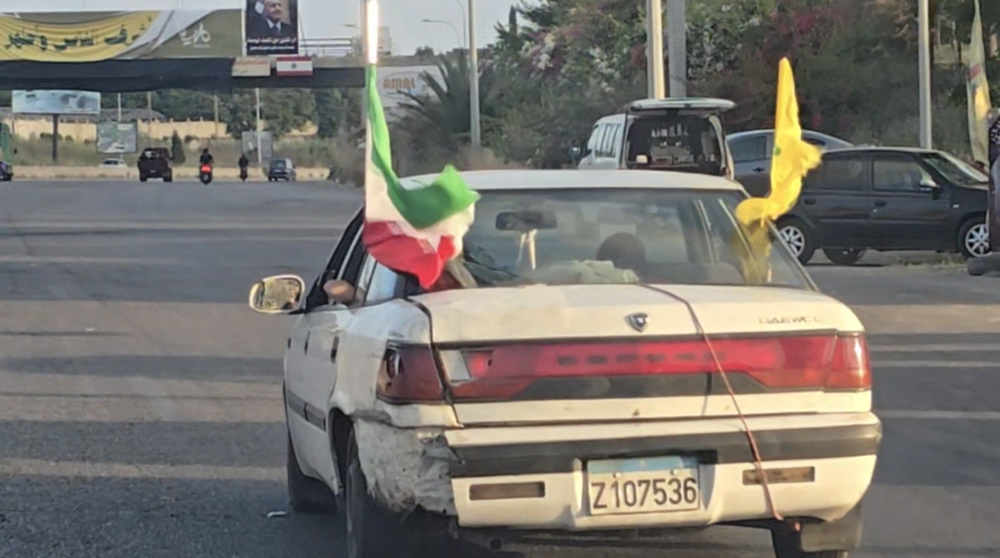
There was a fragile, defiant normalcy in the air. Neighbors checked water tanks and inspected outer walls for shrapnel scars, exchanging stories of where they had spent their months of exile in Beirut.
The village square began to echo with the familiar rhythm of morning greetings and laughter. For a brief, deceptive window, the village felt like itself again, reclaimed by the people who give it meaning, utterly unaware that this quiet reunion was merely the preamble to the most devastating twenty-four hours we would ever witness.
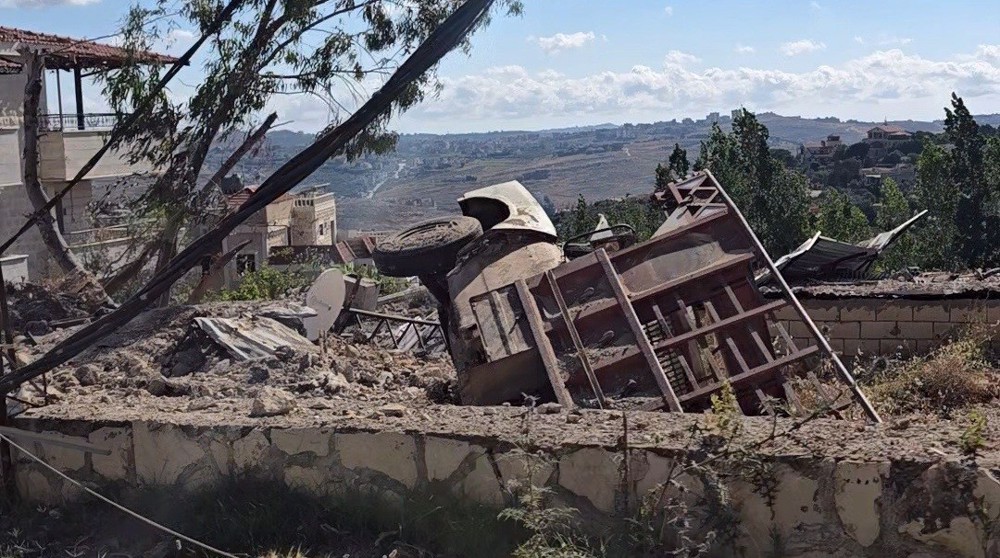
On Friday, as I sat in my family home, I heard every single airstrike tear through residential neighborhoods and scar the surrounding farmland. The walls shook with a violence that sought to turn our intimate history into dust.
One strike in particular directly targeted a local family as they attempted to flee the escalating bombardment, killing three of them and leaving their vehicle burning as a grim testament. While fifteen separate attacks have physically leveled parts of Arab Salim, the siege has failed its primary objective. The destruction of our homes does not sever a Southerner's tie to this land. On the contrary, the ruins only deepen our resolve.
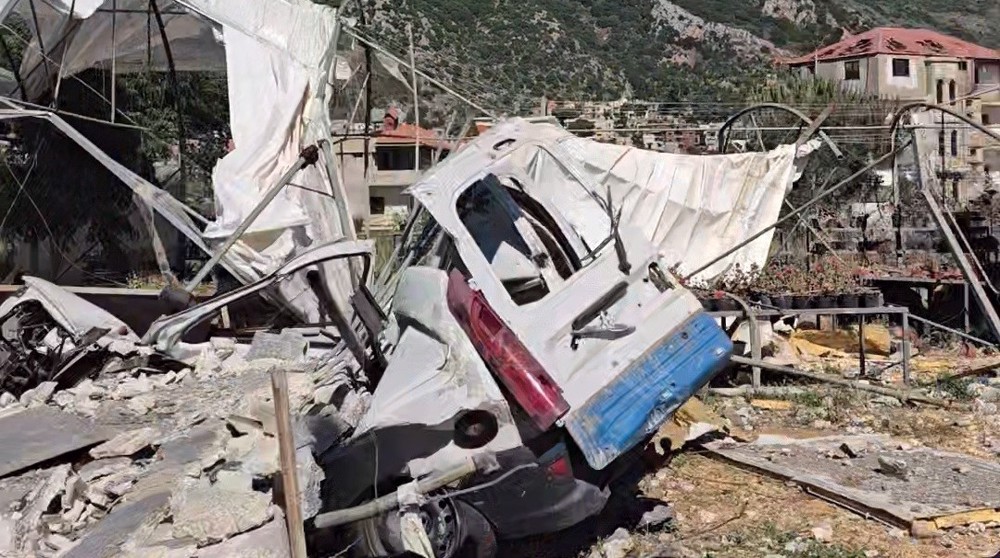
This systematic violence is part of a century-long logic of environmental and territorial engineering, a calculated campaign to sever the southern native from the soil by rendering the geography itself toxic and unrecognizable.
From the white phosphorus that poisons our agricultural valleys to the deliberate demolition of entire historic quarters, the enemy measures its victories solely through the physical absence of Lebanese life, attempting to reshape the borderlands into a depopulated buffer zone.
Yet this military architecture fundamentally miscalculates the nature of sumud – steadfastness. It fails to realize that the infrastructure of resistance is built not from the permanence of concrete, but from the deep, stubborn roots of a communal identity that grows stronger with every layer of destruction.
To remain under fire, to document the ruins from afar, and to return before the smoke has even cleared are not passive acts of survival. People here see it as a political refusal to allow their landscape to be dictated by an occupying force.
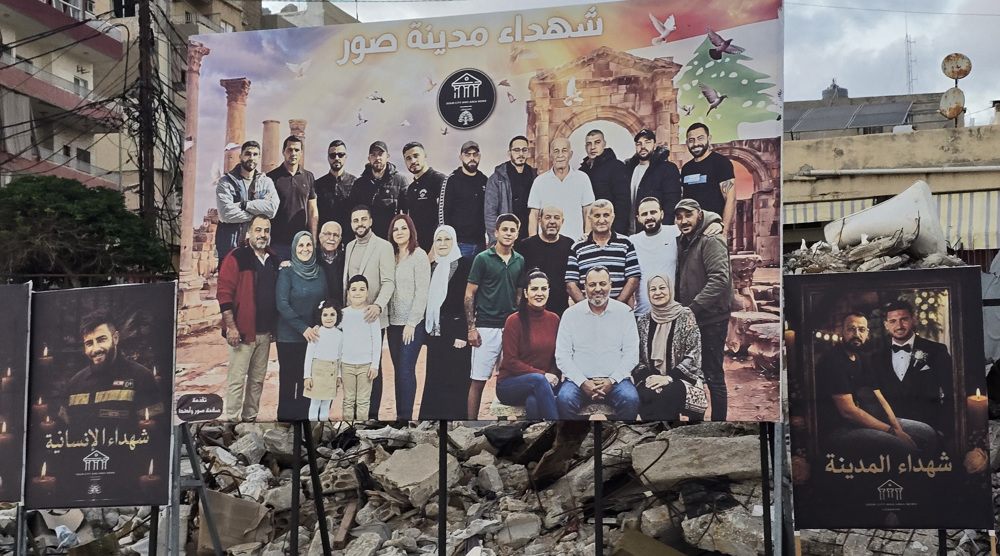
The rubble of Arab Salim does not mark the end of history for these people, but it forms the raw material of an inevitable reconstruction and return. It proves that the bond between the Southerner and this land is an unyielding, non-negotiable sovereignty – one that no amount of Israeli firepower can ever dissolve.
As I reluctantly returned to Beirut before dark to escape the intensifying airstrikes, the familiar cascade of forced displacement unfolded around me as we sped towards Sidon (Saida).
The highway was a bottleneck of survival where cars were topped with mattresses and packed with whatever belongings could fit. Vehicles were running only by the grace of God, and some bore the fresh, jagged scars of Israeli attacks.
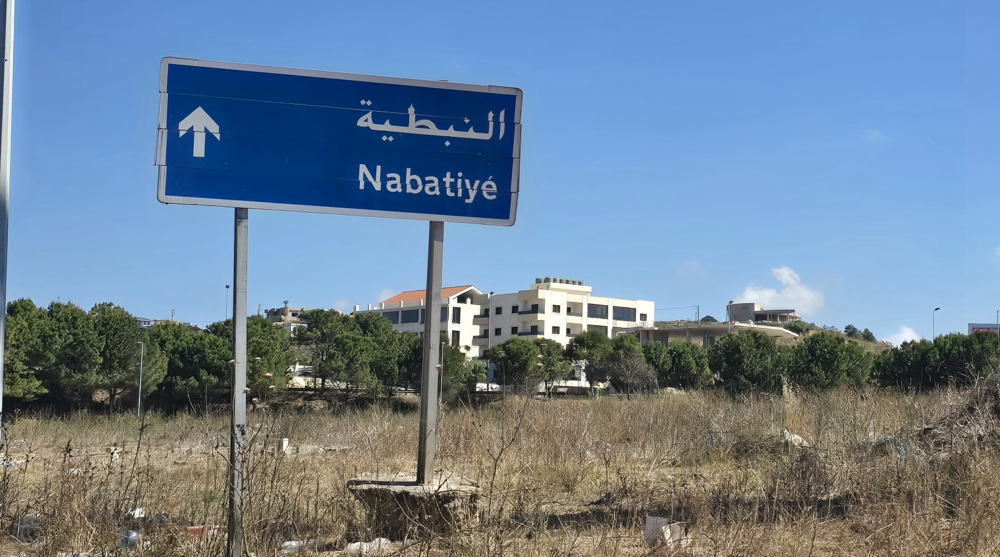
I sat inside a packed vehicle alongside fellow southerners, including some from my village and others we had picked up along the way as we fled the Iqlim al-Tuffah region.
Next to me, an elderly woman clutched a small white trash bag filled with the few things she had managed to gather from her home quickly.
Her voice was a steady anchor against the chaos outside as she repeated to herself, almost like a vow: "We will return. The Israelis will never keep us away. We will return."
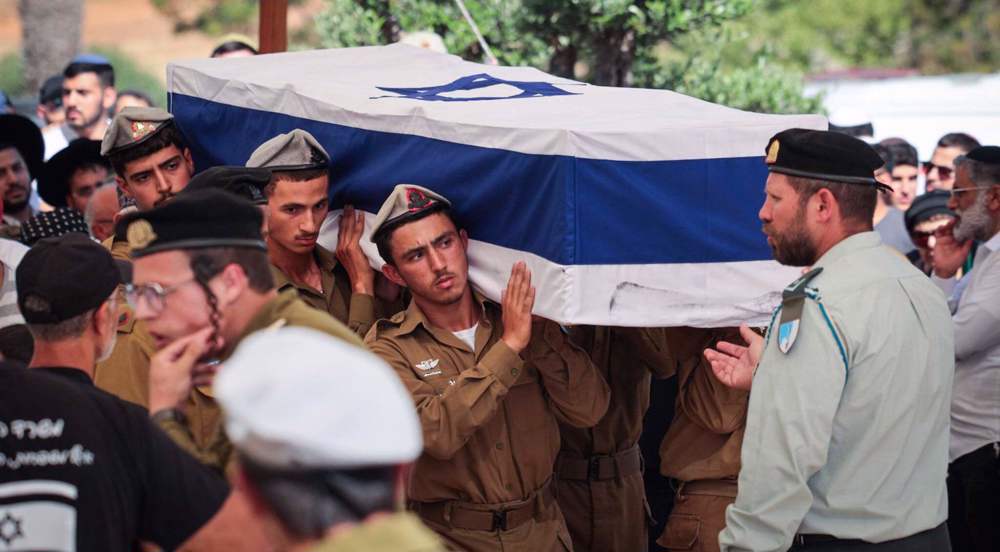
Two Israeli soldiers killed, several others injured by explosion in southern Lebanon
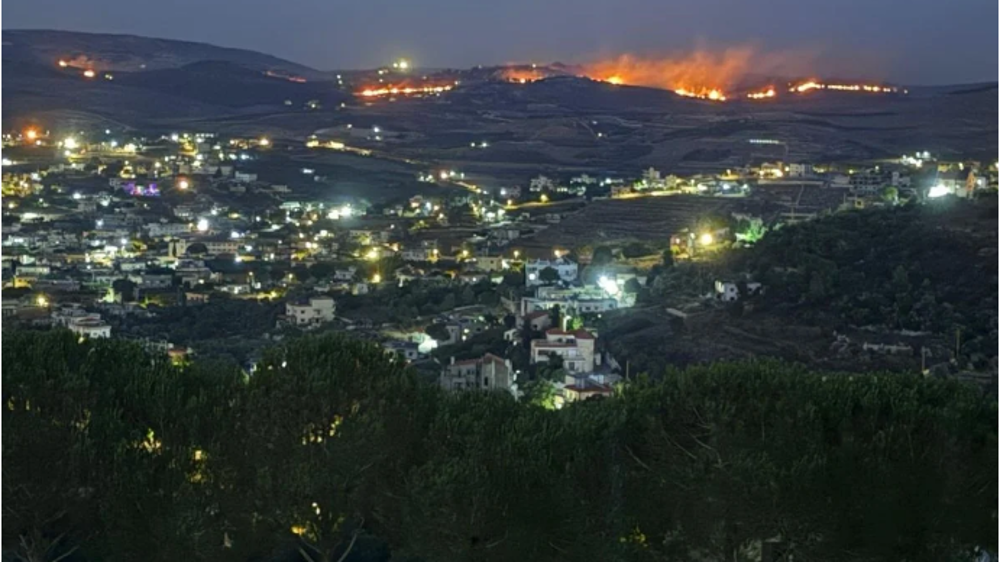
Israel burns over 120 hectares of centuries-old olive groves in south Lebanon
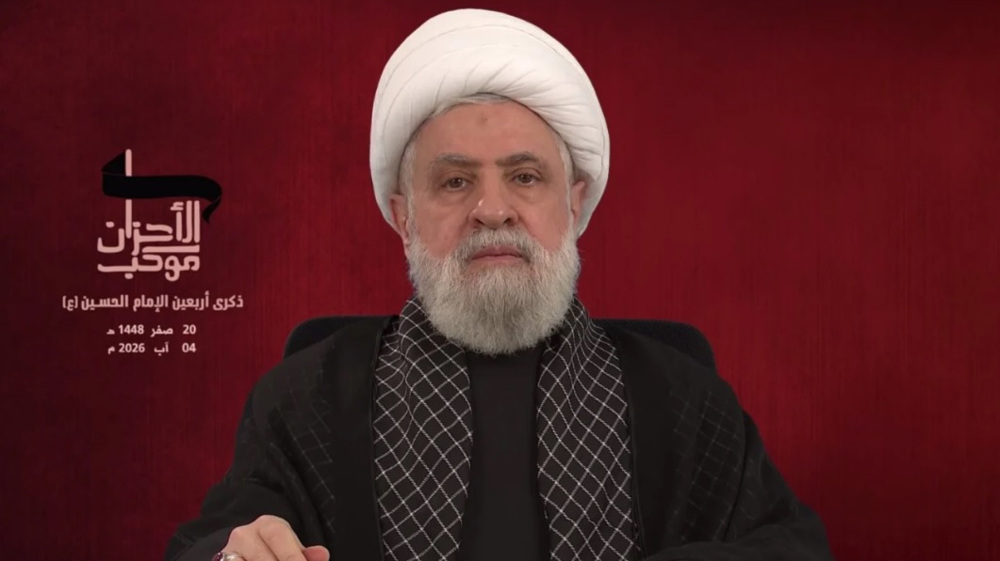
Hezbollah chief: Lebanon’s direct talks with Israel have yielded nothing but shame



Sana’a launches missile, drone strikes on Saudi-backed forces in Yemen
VIDEO | Gaza rubble removal risks erasing war crimes evidence, traces of missing: Rights group
Israel to expand Gilo in occupied East al-Quds with 2,300 settler units
VIDEO | Iran joins WAICO, aims for top 10 AI status by 2032
Iran condemns US nuclear buildup, warns Washington's policies threaten humanity
Iran captures 21 mercenaries linked to Israeli regime in Kerman Province
Post-war reconstruction drives Iran's petrochemical expansion
Preliminary review of Iran's UNESCO nomination for Historic Port of Siraf successfully completed



 PressTV NEWSLETTER
now
PressTV NEWSLETTER
now
 This makes it easy to access the Press TV website
