Ceasefire between Israel and Hezbollah reported, but Israeli strikes persist on ground
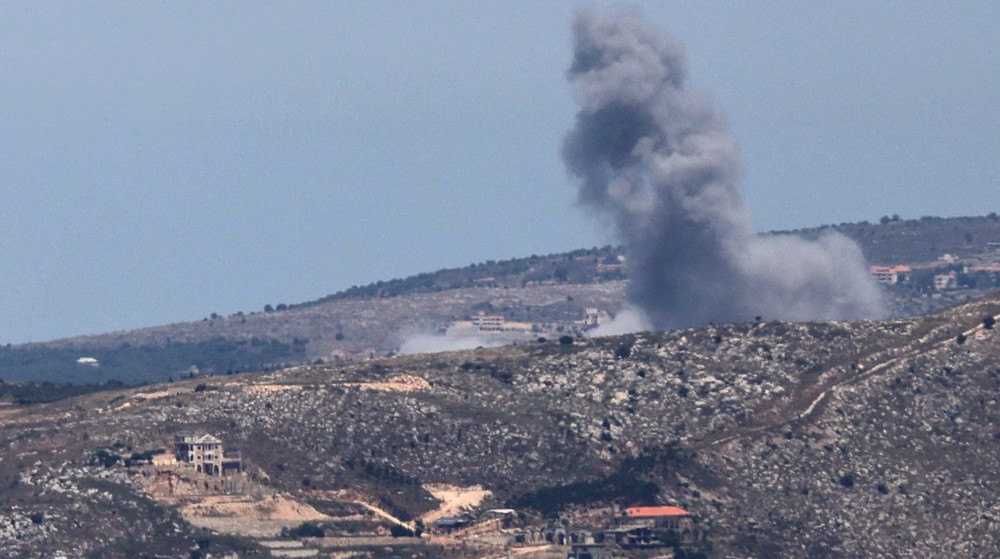
A reported ceasefire between Israel and Hezbollah has come into effect at 4:00 pm local time on Friday, according to a senior US official, even as new Israeli airstrikes were reported in southern Lebanon at the moment the truce was said to begin.
A senior US official, speaking to Reuters on condition of anonymity, confirmed that both sides had agreed to halt hostilities after intense diplomatic negotiations.
“Hezbollah and Israel have agreed to a ceasefire,” the official said, adding that the arrangement was brokered by US and Qatari mediators with significant backing from Iran.
“We understand that after the exchange of fire earlier today, Israel and Hezbollah are now in a ceasefire,” the official added.
However, reports from the ground suggested continued violence at the very moment the truce was meant to take effect. Al Mayadeen’s correspondent in southern Lebanon said an Israeli airstrike hit Nabatieh as the ceasefire reportedly began.
Channel 13, citing a senior Israeli official, said, “We are currently in a state of ceasefire, and if Hezbollah doesn't attack us, then in our viewpoint, this is not the time for war.”
The same official added that “Israeli forces remain in southern Lebanon,” while claiming, “We have the freedom of operation against any direct threats that target our forces and territory.”
The announcement of a ceasefire followed a night of intensified Israeli bombardment across Lebanon.
Israeli warplanes carried out sustained strikes from shortly after midnight into Friday morning, targeting multiple areas in the south, the Bekaa, and Baalbek.
In southern Lebanon, repeated waves of airstrikes hit towns including Nabatieh, Harouf, Jibchit, Kfar Joz, Toul, and surrounding areas. Additional strikes were reported in Doueir, Deir al-Zahrani, and other nearby localities.
In the Bekaa Valley, strikes targeted areas along the Litani River basin and surrounding highlands, while Baalbek also came under attack.
Drones and artillery fire further expanded the scope of the assault, including areas near Beirut’s southern suburbs, raising tensions across multiple fronts.
Lebanon’s Health Ministry Emergency Operations Center said rescue teams were often unable to reach victims for hours due to ongoing strikes.
By Friday morning, preliminary figures indicated more than 30 people killed and 33 wounded, though officials warned the toll could rise as search operations continued.
The deadliest strike hit Harouf, where seven people were killed, including three toddlers and two young women. In al-Sharqieh, additional civilians were killed, among them a child and two women. Doueir also saw deadly strikes on residential buildings.
Other fatalities were reported in multiple towns across southern Lebanon and the Bekaa region, including elderly victims and emergency personnel.
The Lebanese Civil Defense confirmed that one of its paramedics was killed alongside his family in the al-Sharqieh strike, underscoring the heavy toll on first responders.
Despite the ceasefire announcement, the timing of continued strikes has raised questions over its immediate durability on the ground.
The continued Israeli acts of aggression comes as per the Memorandum of Understanding signed between Iran and the US, the war on “all fronts” including Lebanon should end.
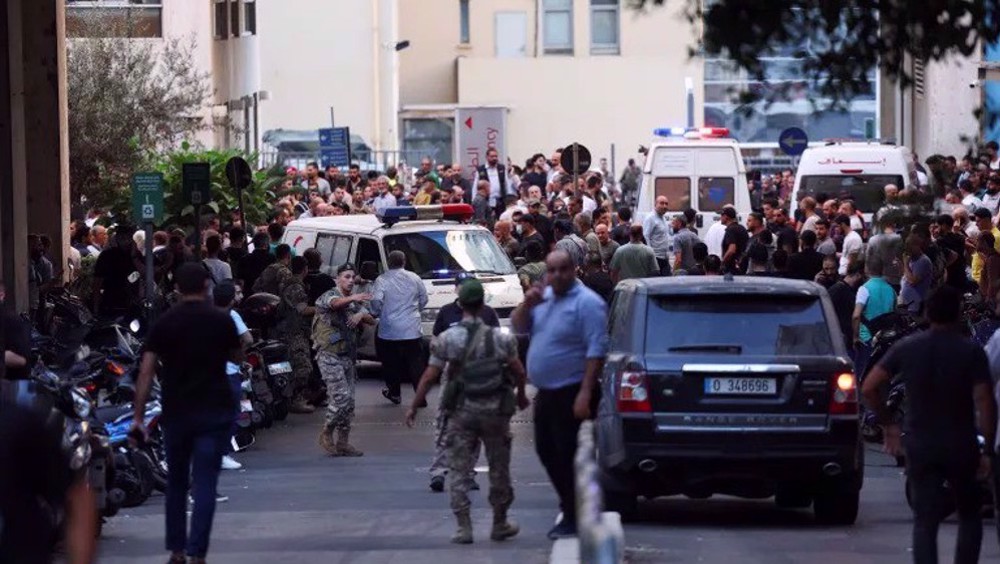
Iran issues indictment against Israeli figures over Hezbollah pager explosions
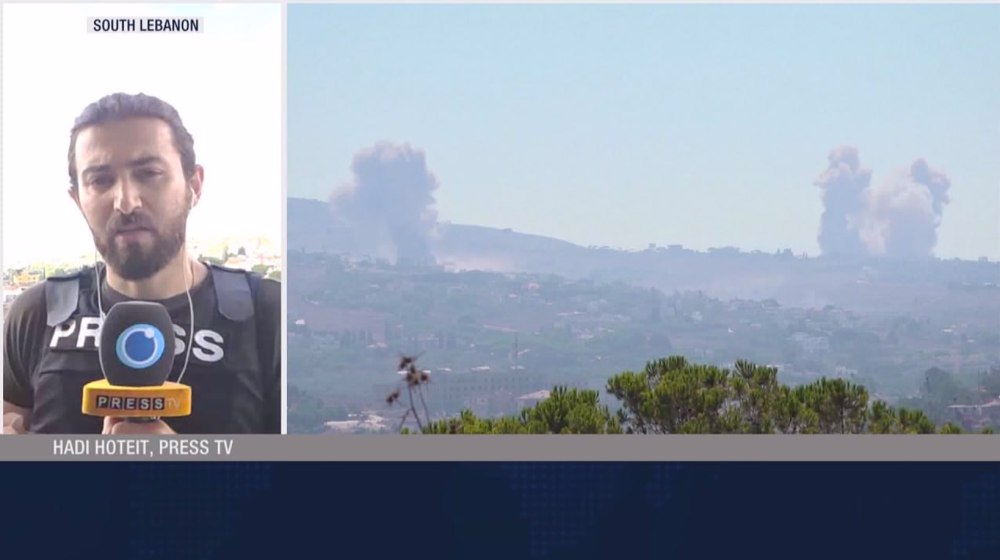
Israeli attacks escalate in Lebanon as US-brokered deal yields only concessions: Press TV reporter
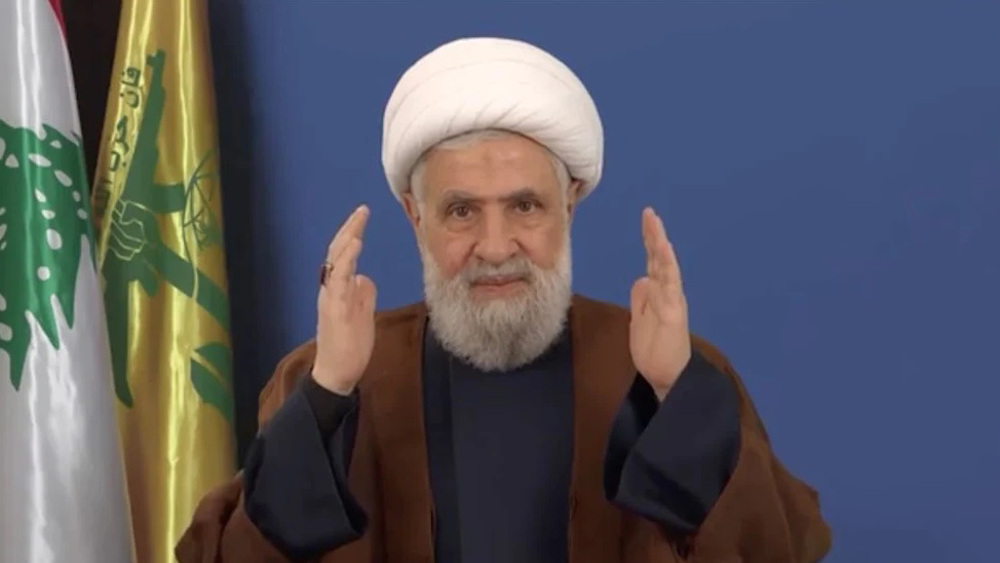
Hezbollah leader: Iran thwarted US-Israeli war goals; ultimate victory belongs to resistance



Stories Beyond Numbers: Mahya Nami, six-year-old girl killed before she could return to school
Iraq in direct talks with US to resume Iran flights, gain airports exemptions: Officials
Pezeshkian: Iran ready for talks with US but rejects ‘bullying and coercion’
Iran’s underground defense infrastructure frustrates enemy calculations: Defense Ministry
Pentagon quietly adds dozens to tally of troops wounded amid war on Iran
VIDEO | Press TV's news headlines
Emirati influencers celebrate UAE for staying during Netanyahu’s UNGA speech amid Gaza genocide
Netanyahu didn’t convey UAE’s warning of Operation Aqsa Flood to security chiefs: Report


 PressTV NEWSLETTER
now
PressTV NEWSLETTER
now
 This makes it easy to access the Press TV website
