Britain 'faces deindustrialisation' without relief from high energy costs: Survey
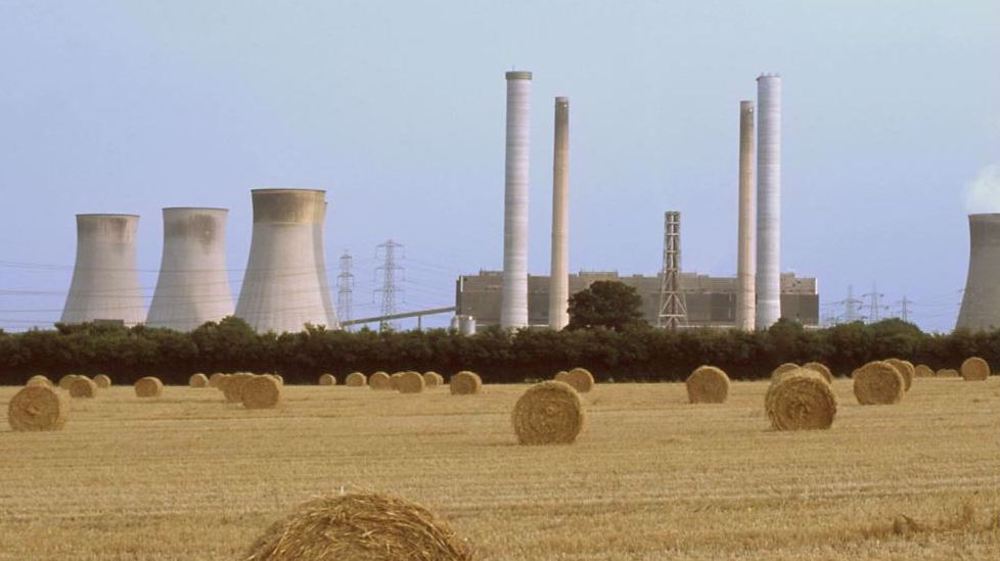
A new study has revealed that Britain "faces deindustrialisation" without relief from the past months' high energy costs triggered by global conflicts.
The study by Make UK found that due to high energy costs, the financial mathematics of running a domestic industry is forcing many British manufacturers to either relocate overseas or face imminent collapse.
The survey of data compiled and released on Monday showed that firms operating in heavy industry within the United Kingdom were at risk of bankruptcy.
The study suggests that Britain's industrial sector is on the verge of collapse.
Thousands of UK companies warn that they could face bankruptcy within the next year because of high energy prices, according to the industry survey.
The collapse, which is not limited to Britain's industrial sector and spreads across Europe, is attributed to the ongoing geopolitical volatility destabilizing global energy prices.

The Make UK study also found that 46 percent of all domestic industrial companies have been hammered by fresh, enormous spikes in their baseline energy bills, particularly triggered by the unwarranted US-Israeli war on Iran, and the broader, continuous destabilization of West Asia by the Israeli regime, affecting global oil and gas prices and resulting in higher fuel and energy costs.
All European countries are facing mounting pressure over the economic fallout from the US-Israeli-imposed war on Iran, as millions across the Green Continent struggle with rising energy and living costs.
The high energy prices could take months to get back to normal even after the Iran-US peace deal is signed, according to energy experts.
Tehran and Washington have agreed on the text of a memorandum of understanding (MoU) which will bring an immediate and permanent halt to wars on all fronts, including Lebanon, and terminate the US naval blockade against Iran.
After the peace deal is officially signed and the Strait of Hormuz is reopened, energy prices are expected to slowly drop.

Swedes head to polls to vote in general elections

Protesters gather in Albania’s capital over opposition to luxury resort linked to Jared Kushner

Air-raid alerts go off in Kiev as 3-day truce with Russia ends



US assessment warns of inflation, weapons shortages as war against Iran runs up $38-billion bill
VIDEO | Trump's South Korea Hormuz demand causes backlash
VIDEO | Israel’s detention, harassment of journalists an assault on truth: Political analyst
VIDEO | 200 days of resistance
Report shows Trump planning ‘largest bomb transfer in modern US history’ to Israel
Pentagon finally admits Iran struck US F-35 fighter jet
Yemen rejects reports of threat against Mecca amid Saudi escalation
VIDEO | KSA oil bypass backfires



 PressTV NEWSLETTER
now
PressTV NEWSLETTER
now
 This makes it easy to access the Press TV website
