Oil, gas prices, supply problems could take months to return to normal after Iran deal: Energy experts
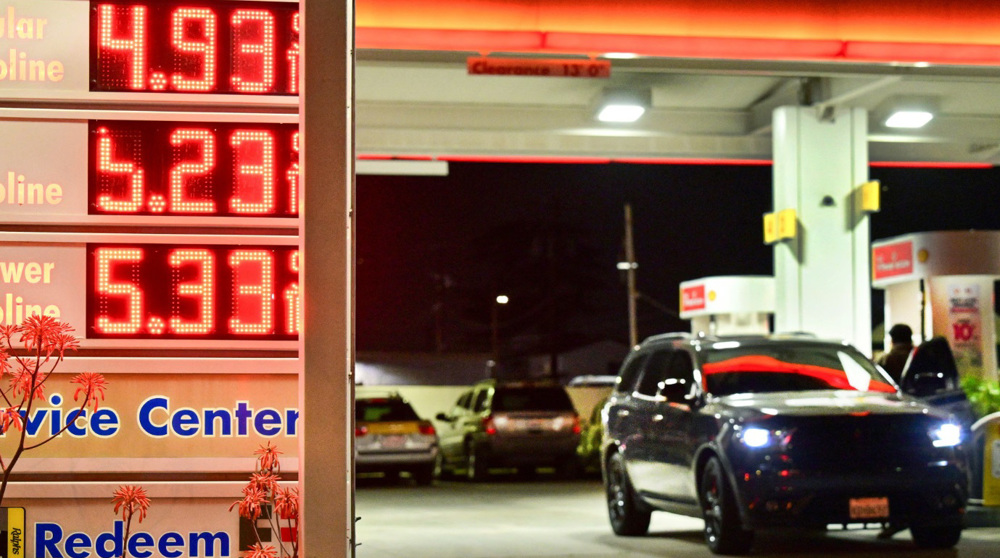
High oil and gas prices and supply problems could take months to return to normal after the Iran-US deal, according to energy experts.
On Sunday, Tehran and Washington finalized the text of a memorandum of understanding (MoU) which will bring an immediate and permanent halt to wars on all fronts, including Lebanon, and terminate the US naval blockade against Iran.
Media reports say that with the deal between the US and Iran officially finalized and the Strait of Hormuz tentatively about to reopen, oil and gas prices will drop in world stock markets.
However, energy experts warn that the recovery will be slow.
Oil and gas supply problems after the Iran peace deal is signed won't be solved overnight, experts say.
Despite Sunday's agreement, it will likely take months before energy companies can resume operations and meet global demand, according to energy experts.
Experts attribute the delay in dropping oil and gas prices to the slow pace of shipping and refining crude oil, along with uncertainty over safe passage through the Strait of Hormuz, which means the return to normal will not be immediate.
However, oil prices did slip early on Monday, indicating that investors expect oil and gas prices to drop after the peace deal is signed.
US benchmark crude oil dropped $4.03 to $80.85 per barrel. Brent crude was down $3.45 at $83.89 per barrel. The prices are still above the roughly $70 per barrel where oil was trading before the US-Israeli aggression started on February 28.
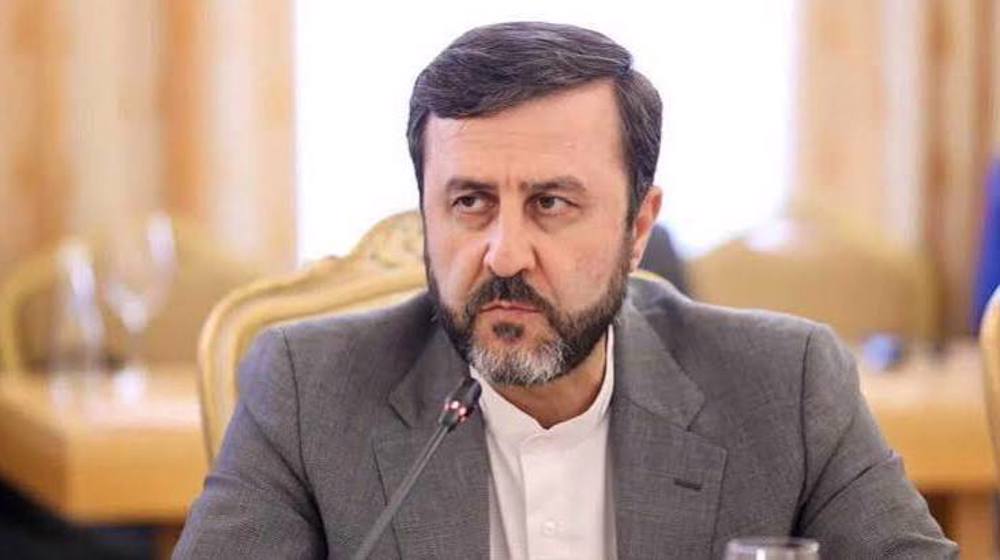
After the MoU is signed, countries like Saudi Arabia and the United Arab Emirates, where there are alternate pipelines or routes besides the Strait of Hormuz to deliver oil, may be among the quickest to resume production, Alan Gelder, senior vice president of refining, chemicals and oil markets at Wood Mackenzie, an analytics firm, said.
“But places like Iraq could be much more challenged because they’ve had a much bigger shut-in, their fields are more difficult ... it may well take about a year before they get back," he said.
Investment in the energy system, which can take years to see the results, ground to a halt after the strait's closure, Gelder said. So it will take time for this capital to restart.
Countries that shut in oil production won't want to restart until they know there is a stable, durable situation in the strait, and that a ceasefire will last more than 30 or 60 days, Daniel Sternoff, senior fellow at the Center on Global Energy Policy at Columbia University, said.
The expert said that the strait's new legal regime is unknown to them, and vessels stranded in the Persian Gulf do not know how it is safe for them to exit.
“We don’t know what open means or what the speed of evacuation of trapped material is going to be,” he said.
Iran must fight US blockade with energy blockade: Deputy speaker
Iran’s president to attend UN General Assembly in New York
Iranian lawmakers push for NPT withdrawal, submit bill to Parliament's Presiding Board



US visa ban on Iranian president’s media team is bid to hide the truth: FM spokesman
US aggression, economic warfare amount to crimes against humanity: Iran's UN envoy
Protests erupt in US as ICE agent shoots Venezuelan driver
US pressure fuels cooperation among Muslim states: Pezeshkian
Major TV networks suspend White House pool coverage after Trump ban
US visa ban on Palestinian UN delegation violates international agreements: Hamas
VIDEO | Press TV's news headlines
Iran calls on France to respect law after suspending French cultural institute in Tehran


 PressTV NEWSLETTER
now
PressTV NEWSLETTER
now
 This makes it easy to access the Press TV website
