Hamas says Israel expanding ‘yellow line’ in Gaza to ‘blow up’ ceasefire talks
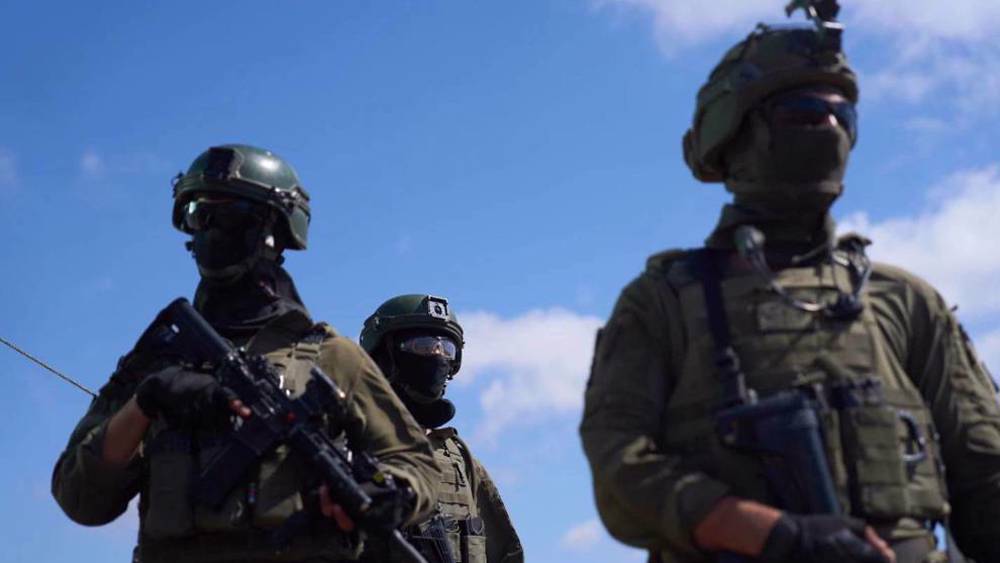
Hamas has condemned Israel’s expansion of the “yellow line” in Gaza, saying the move was meant to “blow up the negotiation track” and undermine the US-brokered ceasefire agreement.
Hamas spokesperson Hazem Qassem said in a statement on Friday that the expansion of the line, along with continued bombardment and displacement of Palestinians, amounted to a “flagrant violation of the ceasefire agreement.”
He said Israel’s actions represented the “actual implementation of threats” to increase its control over the Gaza Strip.
“Israeli actions reflect its unwillingness to implement the ceasefire agreement and aim to blow up the negotiation track and thwart the efforts being made, while continuing escalation to serve political and electoral considerations,” Qassem said.
The Hamas official also criticized the international community’s silence and inaction, pointing in particular to the lack of action by the so-called Board of Peace, as well as mediating and guarantor governments.
He said their failure to intervene had allowed the Israeli regime to continue violations of the ceasefire on the ground.
The Hamas spokesman added that the escalation was taking place while negotiations in the Egyptian capital, Cairo, were still ongoing.
Egypt, Qatar and Turkey, held week-long talks with Hamas and other Palestinian factions on implementing the second phase of President Donald Trump’s Gaza plan, which according to Hamas would focus on Israel’s implementation of the first phase, and reaching common ground on proceeding toward the second phase.
In a Thursday statement, senior Hamas official Hussam Badran said the talks had achieved “real progress” and called on mediators to compel Israel to stop truce violations.
According to sources, factions, including Hamas, agreed on 14 points of a 15-point blueprint presented by Trump’s Board of Peace.
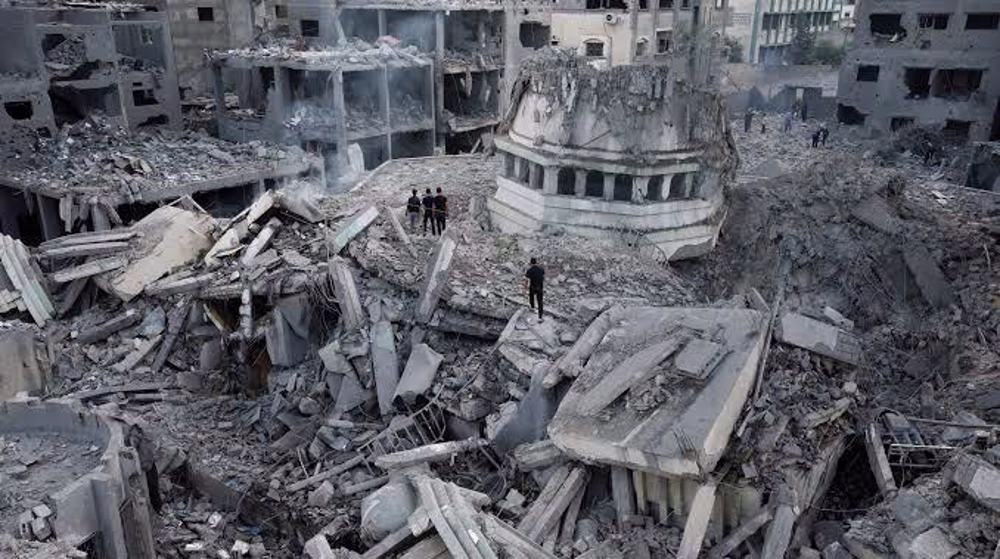
A Palestinian official said demands to decommission Hamas’s arms and infrastructure emerged as a new “Israeli obstacle” on Wednesday, disrupting a “positive atmosphere.”
A transition to the second phase of the ceasefire, which was supposed to involve a gradual withdrawal of the Israeli military and the disarmament of Hamas, has been stalled for months.
Meanwhile, the Israeli regime has continued to extend its presence in Gaza by controlling around 58 percent of the Palestinian territory by December, according to the research agency Forensic Architecture.
The so-called yellow line which was agreed under the US-brokered ceasefire in October last year separates Israeli-controlled areas from the rest of the Gaza Strip. The demarcation line was intended as a temporary boundary pending further Israeli withdrawals.
The line, however, has shifted forward in several areas, expanding the Israeli-controlled zone beyond the 53 percent of Gaza territory outlined in the original ceasefire maps.
In some areas, the line is marked with yellow concrete blocks, which were reportedly moved during December and January as Israeli forces advanced, particularly in urban zones.
Residents in multiple areas have reported waking up to find the boundary had shifted overnight, placing their neighborhoods into newly restricted or high-risk zones.

Appeal filed for Press TV's Naqaa Hamed as Israel prolongs her unlawful detention

Yemen's control of Bab al-Mandab 'deepens crisis' in Israel

US senator slams ‘bogus’ spy claims, demands immediate release of Press TV journalist



Iran, Pakistan FMs discuss regional developments, energy supplies
VIDEO | Black smoke, flames rise near Riyadh airport amin Yemen strikes
VIDEO | Hundreds of thousands of people in Tehran attend rally, parade dubbed 'Sacrifice for Iran'
Remembering Sabra and Shatila massacre: Why memory is the ultimate shield against erasure
Syria’s HTS declines Saudi bid for militants against Yemeni forces: Report
VIDEO | Pentagon criticized for failing to release real number of US troops casualties
Araghchi: Military intervention cannot create security; coercion cannot bring peace
VIDEO | US president using Greenland as foreign policy success




 PressTV NEWSLETTER
now
PressTV NEWSLETTER
now
 This makes it easy to access the Press TV website
