Two men convicted of brutally killing police officers during January riots in Iran executed
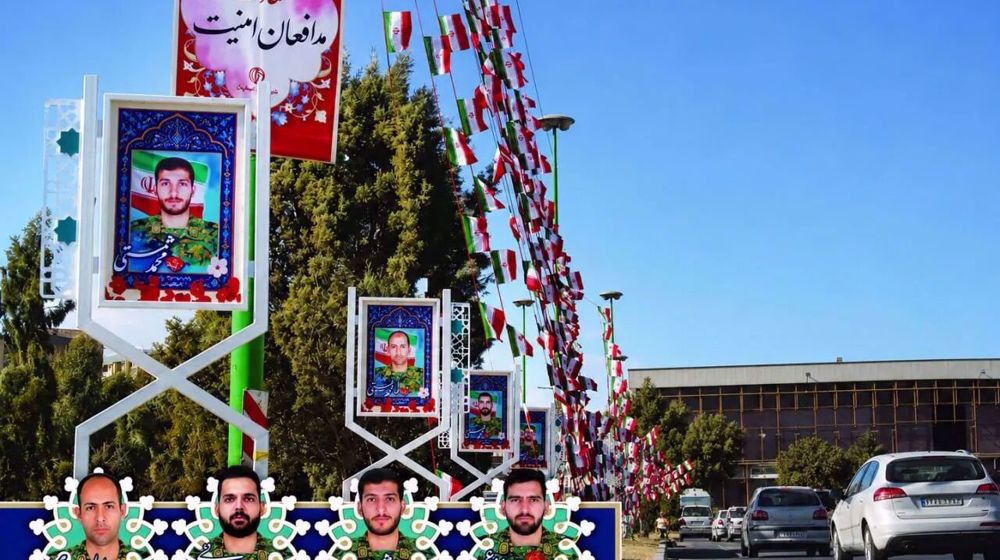
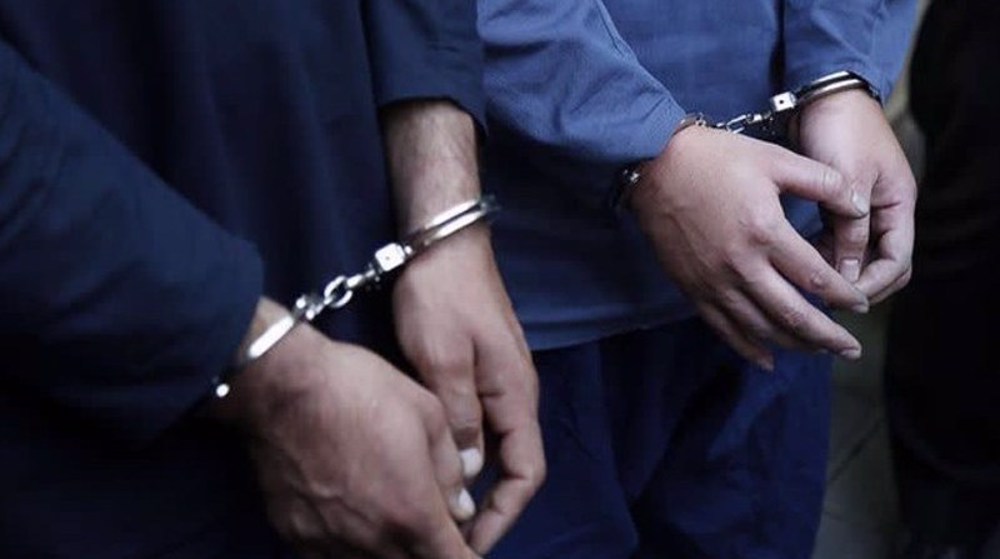
Two men convicted of involvement in the gruesome killing of four police officers during January's foreign-backed riots in Iran have been executed.
Abolfazl Sepahi Badjani and Amirhossein Safari Hosseinabadi were executed for playing direct roles in the killing and burning of the police officers in Isfahan.
The executions were carried out after judicial proceedings related to the incident in Malekshahr, Isfahan, where four law enforcement officers were killed.
According to case documents, on January 8, 2026, a group of rioters armed with firearms, machetes, knives, axes, swords, and Molotov cocktails attacked public property, set fire to buildings, a police station, vehicles, and blocked roads by erecting barricades and igniting fires across the area.
Authorities said the unarmed police officers dispatched to restore order were attacked, burned alive, and their bodies were desecrated.
The case involves several defendants participating in the killings. Two of the principal defendants, Erfan Esfandiari and Gol-Mohammad Mohammadi, received death sentences.
According to court documents, Sepahi was identified by investigators and co-defendants as one of the leading figures in the violence. He arrived at the scene carrying an axe and a knife, encouraged others to continue the riot, helped block roads, set tires ablaze, damaged public property, and threw Molotov cocktails at a local police station.
Witness statements cited in the case noted that Sepahi urged others to bring gasoline to burn police officers. Prosecutors said he knocked one officer off a motorcycle, stabbed him in the shoulder, dragged the wounded officer with other defendants, after which gasoline was poured over him, and he was set on fire while still alive.
Court records further added that Sepahi and another defendant assaulted a second officer, dragged him into a nearby green space, removed parts of his clothing, and set him on fire.
One defendant testified that Sepahi stabbed an officer with a knife before helping restrain him as gasoline was poured over his head and ignited. The same testimony also said that Sepahi and another defendant dragged a second officer into the square before setting him ablaze.
According to the case file, Safari was among those present from the outset of the riot, concealing his face with a cloth and mask while carrying a large blade.
In his court confession, Safari admitted accompanying a group of rioters, damaging public property with a sword-like weapon and throwing several blows toward police officers as others attacked them with stones and bricks.
Safari continued to assault one of the officers after he had been critically wounded. According to the court documents, he struck the officer several more times with a machete before stabbing him in the abdomen. Prosecutors further stated that he started to jubilate on a metal plate covering the body of one of the slain police officers after the attack.
In January, a wave of peaceful protests broke out among merchants in Tehran and other cities in Iran due to economic struggles worsened by years of Western sanctions.
The authorities recognized the legitimacy of the protesters' demands, yet the demonstrations were hijacked by rioters supported by leaders from the American and Israeli regimes, who incited vandalism and chaos.
Officials stated that several of these mercenaries were armed, trained, and recruited by spy agencies from the US and Israel to provoke violence, destroy public property, and target civilians and security personnel.
Iran's Foundation of Martyrs and Veterans Affairs reported in a statement that 3,117 individuals had died during the riots.
The report clarified that among those killed, 2,427 were innocent civilians and members of security forces. According to the statement, many of the victims were bystanders and protesters who lost their lives due to gunfire from organized terrorist groups.
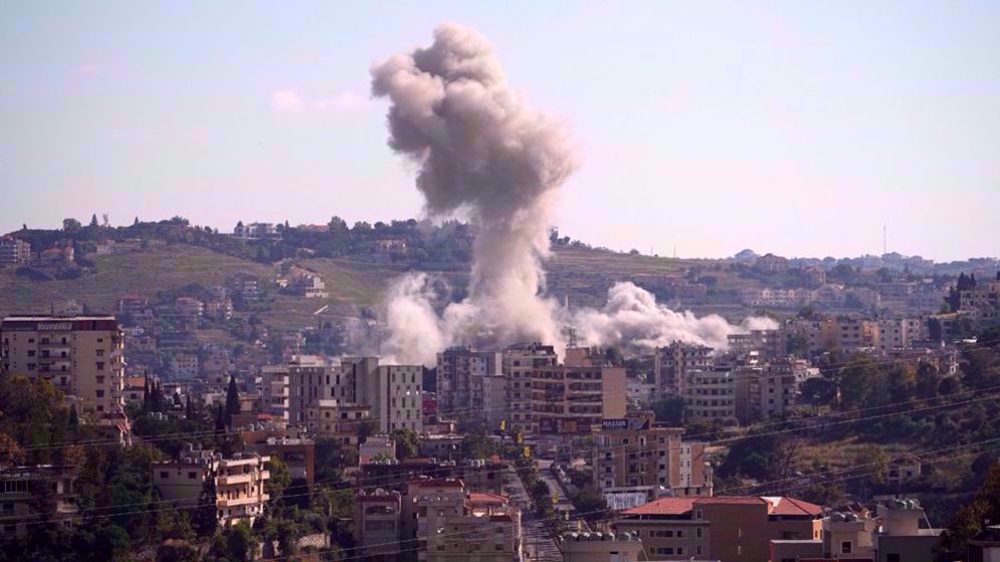
Iran calls on UN to protect Lebanese civilians as Israel’s attacks continue
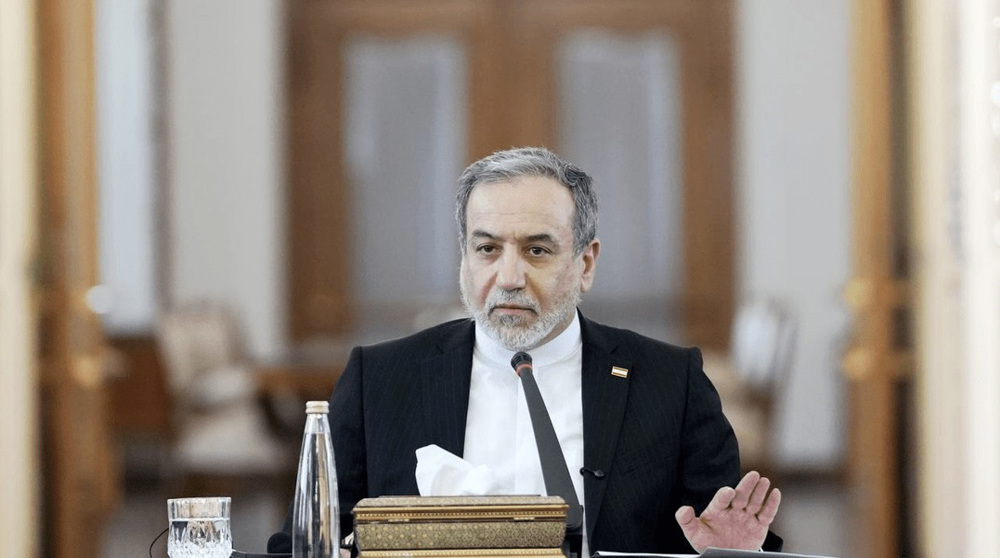
Oman deal will not mean reopening of Hormuz Strait: Iran FM
Pezeshkian urges BRICS to play more active role in upholding non-use of force principle



Yemeni army strikes aircraft hangars, radars, arms depots at Saudi airbase
Meet the 7-year-old Iranian prodigy who won gold at 2026 International Junior Informatics Olympiad
Iranian academic and entrepreneur wins top prize at BRICS women’s startup contest
Iran slams Austria’s barring of nuclear chief from IAEA conference under US pressure
Rights group: 37 Palestinian journalists being held in Israeli prisons
Qatar Red Crescent Society pledges cooperation over captive Iranian pilots: Official
Iran: Regional talks in Oman called off at Saudi Arabia's request
Iran's Judiciary seizes assets of 240 individuals over collaboration with hostile regimes




 PressTV NEWSLETTER now
  This makes it easy to access the Press TV website