FIFA's neutrality and human rights narratives crumble as Trump hijacks the World Cup
By Iqbal Jassat
The 2026 FIFA World Cup has exposed the myth that global sporting events exist above politics. What was marketed as the most inclusive World Cup in history has instead become a demonstration of how state power, border enforcement and geopolitical interests override the principles of equality and access that international sporting bodies claim to uphold.
Absent from much of the celebratory coverage surrounding the tournament is the growing list of players, officials, journalists, support staff and supporters who have faced visa denials, deportations, prolonged interrogations, revoked travel authorisations and administrative exclusion.
While FIFA continues to promote a narrative of global unity, the reality confronting many participants from the Global South tells a very different story.
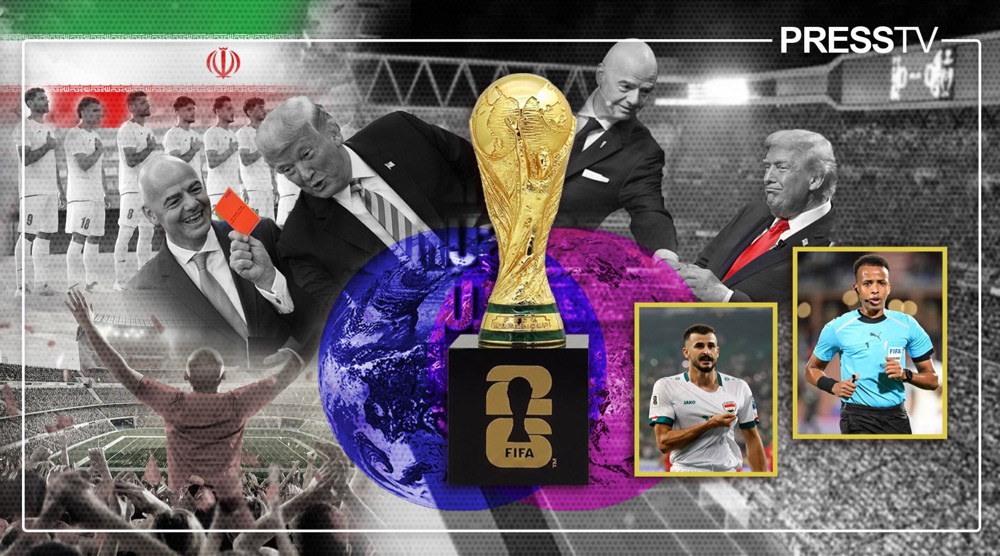
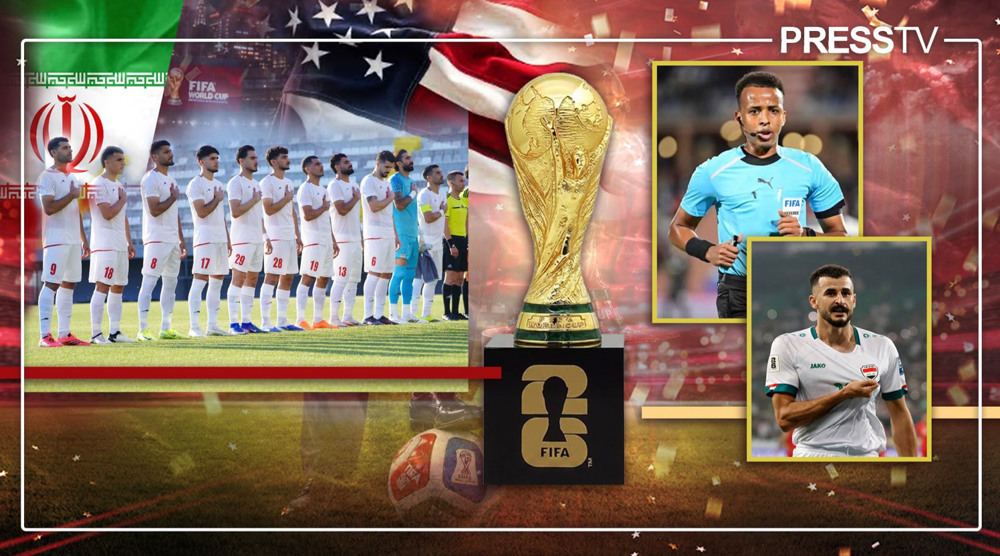
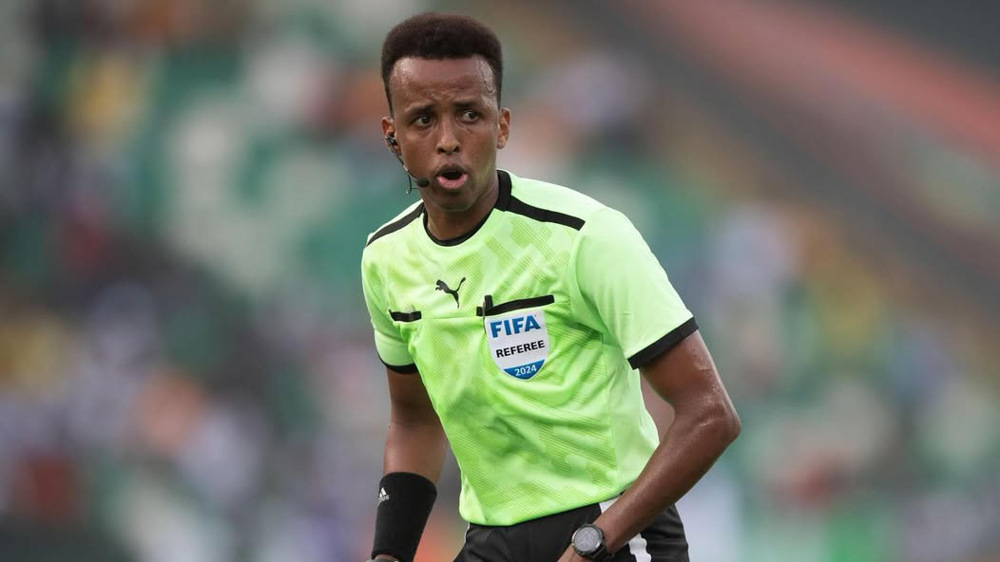
The exclusion of Somali referee Omar Abdulkadir Artan, the detention and interrogation of Iraqi striker Aymen Hussein, the deportation of Iraqi photographer Talal Salah, the visa barriers imposed on Iranian officials and supporters, and the delays affecting South African team personnel are not isolated incidents.
They reveal a pattern in which mobility, access and participation are increasingly determined by geopolitical alignment rather than sporting merit.
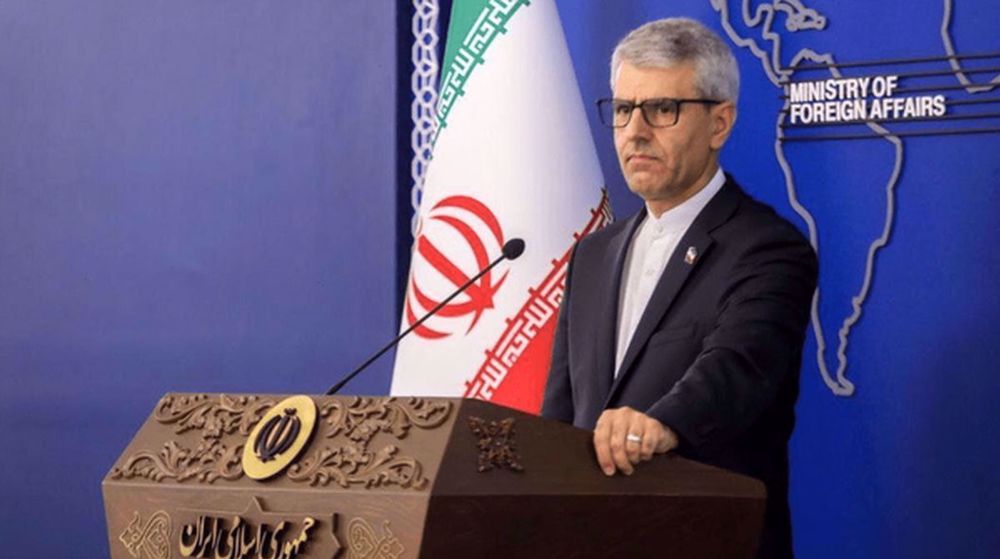
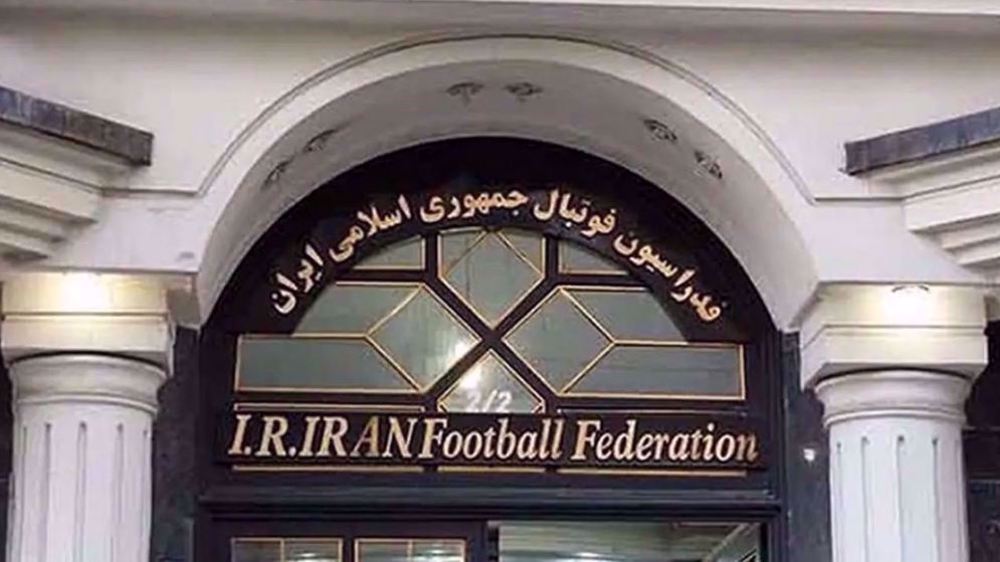
Perhaps the most revealing example was the treatment of Iran. While FIFA insists that football should transcend political disputes, Iranian officials, support staff and supporters encountered a range of restrictions that exposed the limits of that principle.
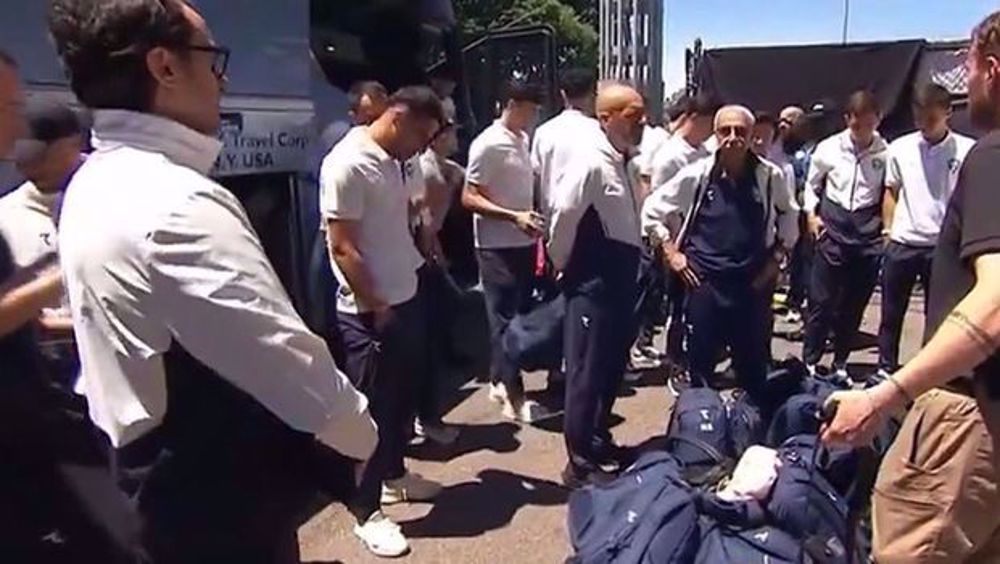
Fifteen members of Iran's managerial, technical and executive support staff were denied or withheld entry visas, forcing the national team to operate without key personnel during the tournament. Iranian football authorities condemned the restrictions as discriminatory, while the squad was compelled to establish its training base in Tijuana, Mexico, and to commute across the border for matches due to ongoing visa and security concerns.
The exclusion extended beyond team officials. Iranian supporters were stripped of their official ticket allocation for World Cup matches, effectively preventing thousands of fans from attending games despite FIFA's repeated claims of inclusivity and equal access.
Iranian football authorities described the move as contrary to the spirit of international competition and slammed the hosts for allowing political considerations to interfere in sport.
What makes the Iranian case particularly revealing is that it demonstrates how the World Cup has become entangled with broader geopolitical rivalries. The restrictions cannot be understood in isolation from decades of US hostility toward Iran, sanctions regimes and the security narratives that continue to shape American foreign policy.
⚽ Countries whose fans are not permitted to enter the United States to attend 2026 World Cup matches.@presstvsports pic.twitter.com/rzCzlmjp2J
— Press TV Sports (@presstvsports) June 11, 2026
The result is a tournament where political relationships increasingly determine access, participation and representation.
Absent from much Western coverage is the reality that Iranian athletes were granted only limited exemptions while their officials, supporters and wider football community remained subject to the full force of exclusionary policies.
This created a two-tier system in which participation on the field was tolerated, but the broader national presence associated with the team was systematically restricted.
Conveniently omitted from official narratives is the demographic pattern emerging from these restrictions. The overwhelming burden falls on African nations, Muslim-majority countries, sanctioned states and countries positioned outside Washington's preferred geopolitical orbit.
The result is a hierarchy of mobility in which access to the world's biggest sporting event is increasingly determined by geopolitical standing rather than equal treatment.
The beneficiaries of this arrangement extend beyond immigration agencies. The tournament has become an instrument through which national security doctrines are normalised within a global sporting environment.
Border enforcement agencies, security establishments and political actors all benefit from embedding surveillance, vetting and exclusion into one of the world's most visible international events. FIFA itself benefits financially by preserving access to the lucrative North American market while avoiding confrontation with the host government.
The contradiction at the heart of the tournament is impossible to ignore. FIFA's own statutes commit the organisation to human rights and non-discrimination. Yet when these principles come into conflict with the policies of a powerful host state, the governing body has chosen accommodation over enforcement.
This double standard reflects a broader reality within international governance structures. Rules are enforced selectively. Principles are defended when politically convenient and quietly abandoned when they threaten powerful interests.
The issue is therefore not simply FIFA's inconsistency. It is the hierarchy of power that determines when international standards matter and when they become negotiable.
FIFA's response stands in stark contrast to its treatment of other countries. The organisation previously stripped Indonesia of hosting rights for the Under-20 World Cup after local opposition to the participation of the Israeli team was deemed a violation of non-discrimination principles.
Yet when the US denies entry to a Somali referee, restricts Iranian delegations and imposes barriers on supporters from targeted nations, FIFA retreats behind the language of state sovereignty.
✍️ Feature - 2026 FIFA World Cup: Asian and African teams 'offsided' in US even before kickoff@presstvsportshttps://t.co/rU0zTWikZ2
— Press TV Sports (@presstvsports) June 9, 2026
The inconsistency exposes a deeper reality. Non-discrimination is enforced rigorously when weaker states are involved. When a global superpower acts, the rules become flexible.
Media coverage has played a central role in sustaining this imbalance. Major Western outlets have largely framed the restrictions as procedural matters, administrative complications or necessary security measures. Such framing narrows public understanding by treating each incident as an isolated bureaucratic event rather than recognising the cumulative effect of a system designed to restrict mobility for specific populations.
Meanwhile, African, West Asian and independent media have highlighted the deeper implications. Their reporting has drawn attention to the contrast between the intense scrutiny directed at previous hosts such as Qatar and the relative silence surrounding exclusionary policies implemented during a tournament hosted by the United States.
The discrepancy exposes how media gatekeepers often mirror prevailing geopolitical interests, amplifying human rights concerns when directed at adversaries while muting criticism when powerful Western states are involved.
Let's not be fooled by the pattern of hypocrisy and double standards.
International institutions proclaim universal principles while accommodating exceptional treatment for powerful actors.
Similar dynamics have characterised discussions around military interventions, sanctions regimes, occupation policies and selective applications of international law. The language changes, the geography changes, but the underlying structure remains remarkably consistent.
The 2026 FIFA World Cup demonstrates that sporting neutrality has become subordinate to national security doctrine and geopolitical power.
Athletes may still compete on the field, but access to the tournament increasingly depends on a system of political vetting, border enforcement and structured exclusion.
What was marketed as a celebration of global unity has become a showcase for geopolitical screening and selective access.
The message delivered to much of the Global South is unmistakable. Participation remains conditional. Equality remains selective. Inclusion remains subject to political approval.
Iqbal Jassat is an executive member of the Media Review Network, Johannesburg, South Africa.
(The views expressed in this article do not necessarily reflect those of Press TV)
Iran ends 54-year wait with historic Asian Hockey5s bronze, secures first-ever U-18 World Cup berth
Iran’s Rostamiyan wins bronze in 10m air pistol at ISSF World Cup
La Liga head urges Infantino to resign, says FIFA ‘destroying football industry’



Ansarullah: Confused Saudi accusations expose failure after Yemeni strikes
VIDEO | Press TV's news headlines
VIDEO | Israeli soldiers force evacuations, demolish Palestinian properties near Jenin
UN rights chief demands Israel end occupation and halt systematic demolition of Lebanese homes
VIDEO | Pakistan-Kuwait military pact raises questions over regional balance
VIDEO | Germany’s anti-Muslim AfD surges in polls ahead of elections
VIDEO | Inside Nabatieh: Residents rebuild as Israeli attacks continue after ceasefire
Iraq resistance: Any foolish Saudi move will face decisive response


 PressTV NEWSLETTER
now
PressTV NEWSLETTER
now
 This makes it easy to access the Press TV website
