'Delusional' Trump has claimed war-ending deal with Iran 37 times in two months: CNN
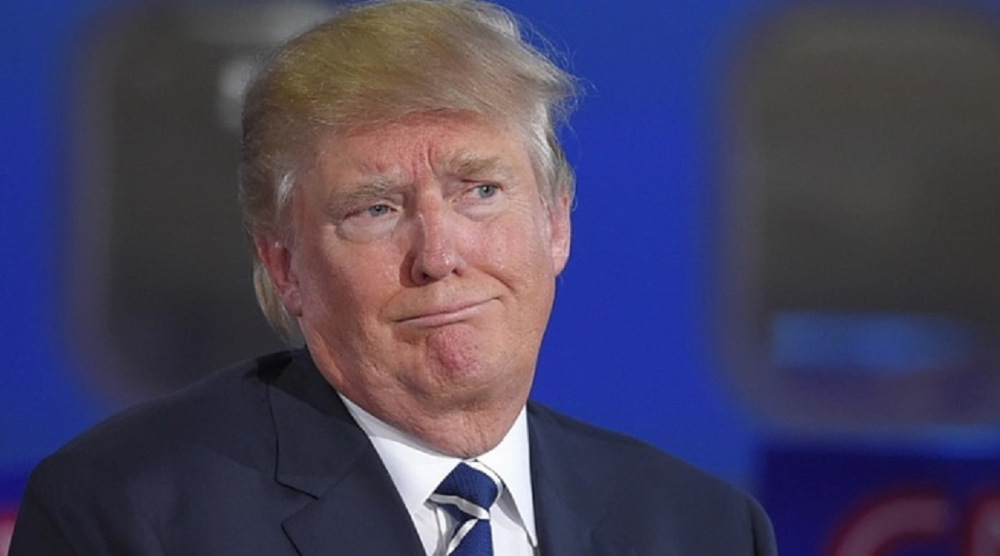
US President Donald Trump has claimed at least 37 times over the past two months that a deal aimed at ending the cycle stemming from the latest round of unprovoked American-Israeli aggression against Iran was imminent, according to a CNN analysis.
The CNN published the report on Tuesday, saying there is no indication such an agreement is any closer than it was in early April.
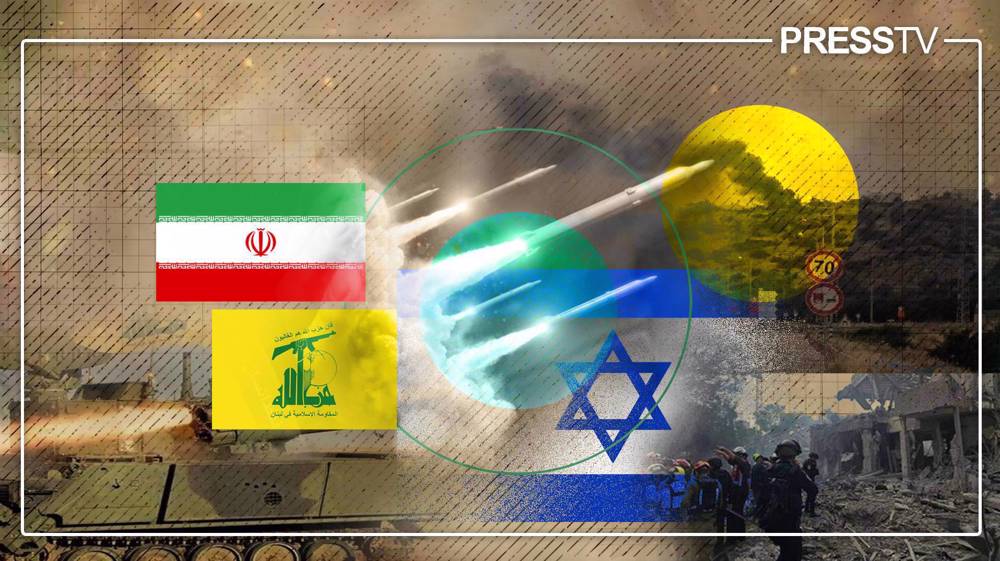
✍️ Analysis - The indivisible front: Why Iran rejects – and warns against – any war-ending deal that excludes Lebanon
— Press TV 🔻 (@PressTV) June 8, 2026
By Press TV Strategic Analysis Desk
Read more: https://t.co/v5xGTU2Cb0 pic.twitter.com/I86gntYEAt
The analysis traces a series of public statements, social media posts, and media interviews in which Trump repeatedly predicted that an agreement was close at hand or asserted that Iran was eager to conclude one.
According to the analysis, Trump first announced after the unilateral ceasefire he declared on April 7 amid Iran's successful retaliation, that the two sides were "very far along" and needed two weeks for "the Agreement to be finalized and consummated."
He concluded at the time by saying that "it is an Honor to have this Longterm problem close to resolution."
The CNN noted that no such resolution followed, but said the US president continued to suggest that an agreement was imminent.
The analysis stated that, including the period before the ceasefire, Trump has made such claims at least 37 times through social media posts, public appearances, and conversations with the media.
"There’s no indication that’s any more true today than it was back on April 7," the article read.
It added that Trump "keeps saying it, either because he’s delusional, trying to calm the financial markets or thinking he can will it into existence."

The analysis noted, "But it’s clearly not a claim people should take seriously anymore."
According to CNN, the pattern began on March 23, when Trump told reporters that there were "major points of agreement, I would say — almost all points of agreement."
The analysis noted that Iran denied negotiations at the time.
The following day, Trump said, "I think we’re going to end it. I can’t tell you for sure."
By March 25, according to the report, Trump was saying the Islamic Republic wanted to "make a deal so badly," while on March 26, he claimed at a Cabinet meeting that Iran was "begging to make a deal."
On March 29, when asked aboard Air Force One whether he expected to secure an agreement within the following week, he responded, "I do see a deal in Iran, yeah."
The CNN said Trump's so-called predictions became more emphatic in early April.
On April 6, he said the sides had been "very close to a deal."
On April 15, he told Fox Business, "I think it’s close to over, I view it as very close to over." "We’ll see what happens," he added at the time. "I think they want to make a deal very badly."
According to the analysis, Trump continued making similar assertions over the following days.
On April 16, he told reporters, "It’s looking very good that we’re going to make a deal with Iran, and it’s going to be a good deal."
The next day, he claimed in separate appearances that Iran had "agreed to everything," that "I think we will get a deal in the next day or two," and that "I don’t think there’s too many significant differences."
On April 20, he wrote on his Truth Social platform that "it will all happen, relatively quickly!"
Despite the absence of an agreement, CNN noted that Trump later said Iran was "dying to make a deal" and predicted that "when the war ends, which shouldn’t be too long…"
The analysis said Trump briefly moderated his predictions before announcing on May 18 that he was delaying military strikes for "two or three days" because countries in West Asia believed the parties were close to an agreement.
At the time, Trump acknowledged that previous expectations had not materialized. "We’ve had periods of time where we had — we thought pretty much getting close to making a deal and it didn’t work out," he said, before adding, "But this is a little bit different."
The CNN commented, "It was not different," adding that Trump nevertheless continued to make similar predictions.
The Islamic Republic has conditioned realization of a potential memorandum of understanding with the United States on a number of imperatives such as cessation of aggression on all fronts, including in Lebanon, removal of Washington's illegal naval blockade of the country, and unfreezing of the nation's frozen assets.
IRGC pounds US bases in Kuwait, Bahrain after drone attacks on Iranian territory https://t.co/wY36Cc1u6c
— Press TV 🔻 (@PressTV) June 6, 2026
Tehran has, meanwhile, asserted that it would confront any violation of the ceasefire with decisive reprisal, making good on the pledge by targeting sensitive and strategic American and Israeli interests in the region in the face of every breach.
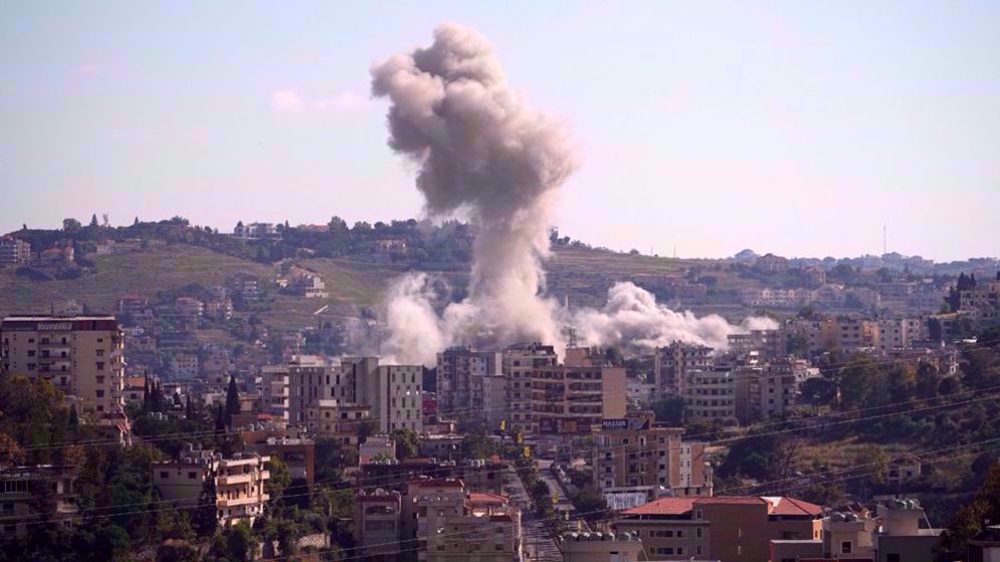
Iran calls on UN to protect Lebanese civilians as Israel’s attacks continue
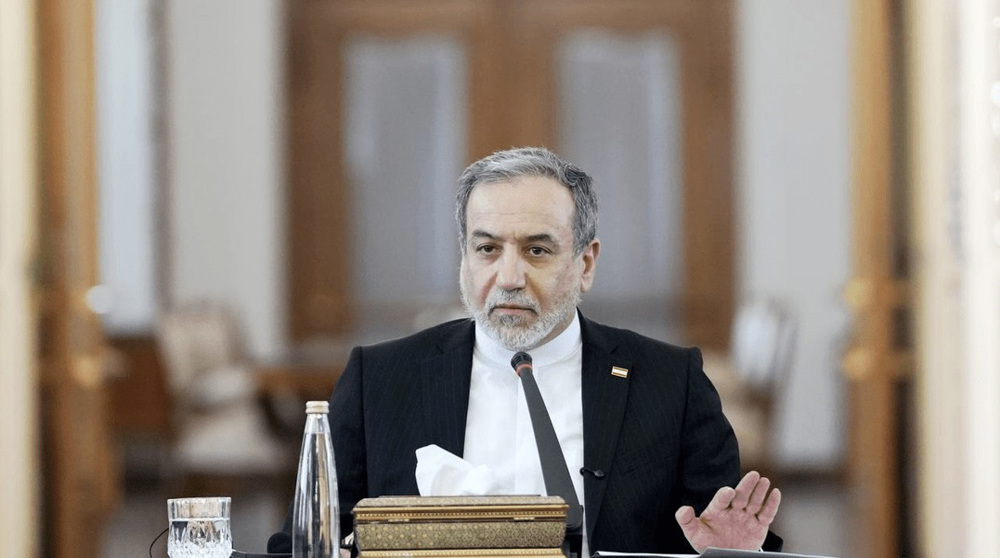
Oman deal will not mean reopening of Hormuz Strait: Iran FM
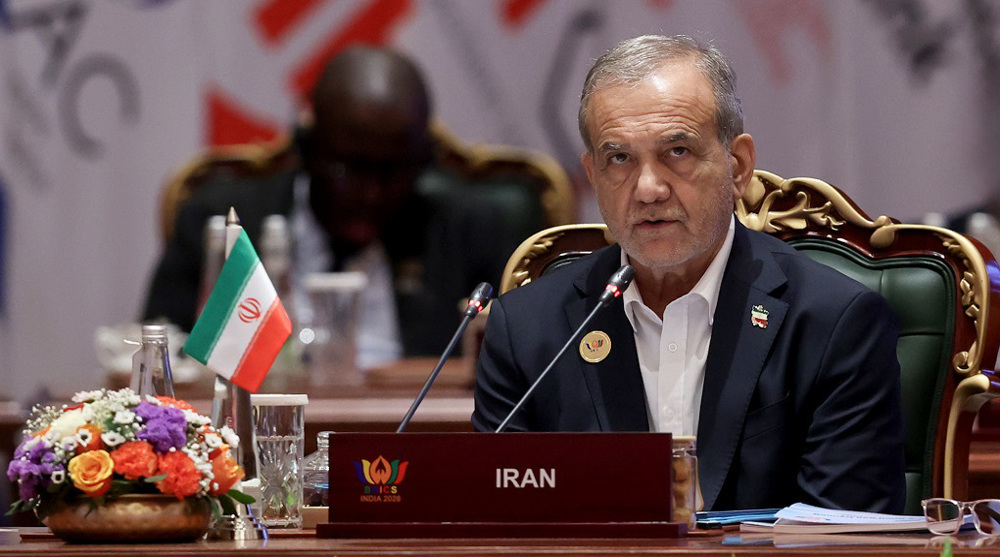
Pezeshkian urges BRICS to play more active role in upholding non-use of force principle



VIDEO | Gaza’s women: The sole providers of families shattered by war
VIDEO | News Review: Trump’s comments on Irish unification spark backlash among his British allies
VIDEO | Press TV's news headlines
Yemen reports 58 Saudi attacks in one day, vows decisive response
VIDEO | US failed economic policy on Iran
Swedes head to polls to vote in general elections
Palestinian detainees report severe conditions, medical neglect in Israeli prison
Hamas welcomes BRICS's supportive position on Palestine




 PressTV NEWSLETTER
now
PressTV NEWSLETTER
now
 This makes it easy to access the Press TV website
