

The secretary of Iran's Supreme National Security Council has stated that the Islamic Republic “will not retreat” amid reports of potential agreement between Tehran and Washington.
In a message to the Iranian people on Monday, Mohammad Bagher Zolghadr emphasized that there will be no surrender or retreat, saying, “This was demonstrated by the military field, the diplomatic field, and the people who are present on the streets with their powerful resistance and pinned the enemy to the ground.”
Zolghadr stressed the importance of unity among the nation to thwart the enemies’ plots.
“Now more than ever, the country needs unity and cohesion so that the Americans and Zionists will also be disappointed in this regard,” he said.
Noting that unity and cohesion are “another field in the battle,” the top security official stated that “a common effort to prevent any speech and action that disrupts unity will lead dear Iran to final victory, God willing.”
His remarks come as indirect talks between Iran and the US, mediated by Pakistan, continue based on the Islamic Republic's 14-point proposal to reach a memorandum to end the war.
Iranian Foreign Ministry spokesman Esmaeil Baghaei told reporters on Monday that the indirect talks with the United States are centered on ending aggression on all fronts and that the nuclear issue or the management of the Strait of Hormuz are not to be discussed.
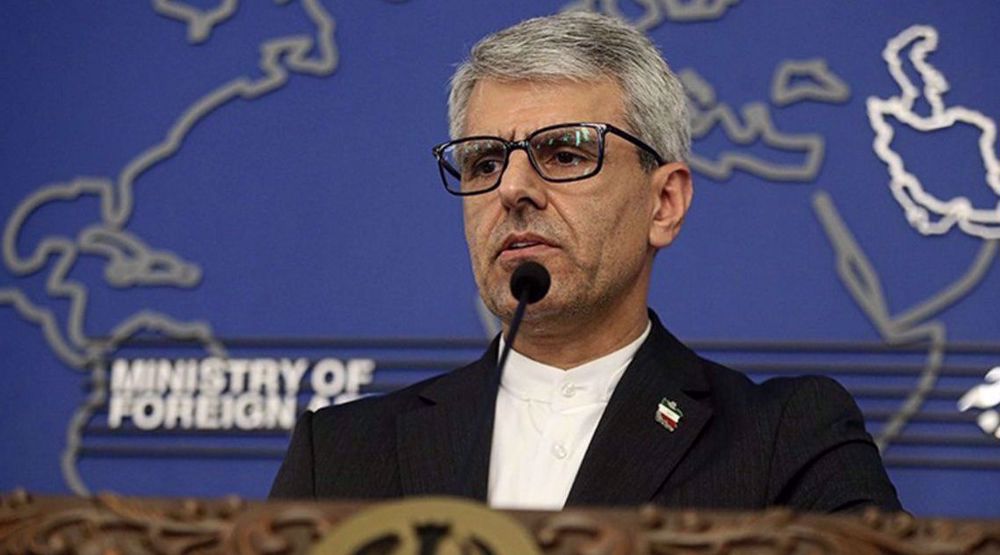
On Saturday, Baghaei said Iran and the United States have edged closer to finalizing the memorandum, halting American maritime aggression, and securing the release of Iran’s blocked assets.
Speaking in a televised interview, he said Iran's focus at this stage remains exclusively on ending the US-Israel war based on its proposal, which has been shuttled back and forth several times.
The criminal US-Israeli aggression against Iran began on February 28 with airstrikes that assassinated senior Iranian officials and commanders, including the Leader of the Islamic Revolution, Ayatollah Seyyed Ali Khamenei.
Iranian Armed Forces responded by launching daily missile and drone operations targeting locations in the Israeli-occupied territories as well as US military bases and assets across the region.
Iran also shut down the Strait of Hormuz to its enemies and their allies following the unprovoked aggression.
On April 8, forty days into the war, a Pakistan-brokered temporary ceasefire between Iran and the US took effect and was later extended unilaterally by Washington.
Negotiations ensued in the Pakistani capital, Islamabad, but stopped short of an agreement amid Washington’s maximalist demands and insistence on unreasonable positions.
 This makes it easy to access the Press TV website