Israeli soldiers say looting, destruction ‘primary mission’ in southern Lebanon
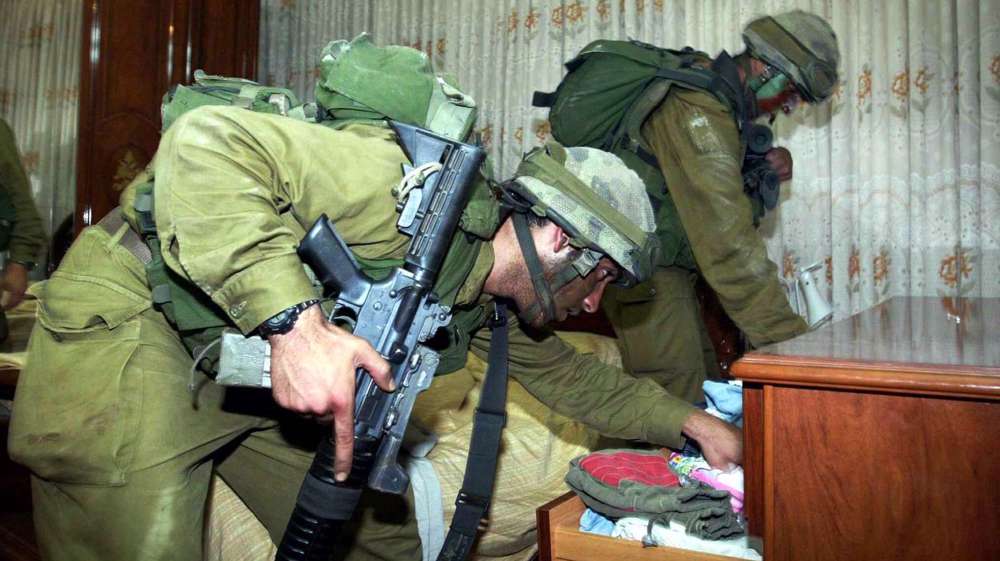
Israeli soldiers occupying southern Lebanon have engaged in widespread looting of civilian homes and businesses alongside the systematic destruction of villages, with commanding officers turning a blind eye to the practice, according to testimonies published by Haaretz.
Five soldiers from different units described a battlefield culture resembling that of a “Viking army,” where discipline has given way to moral disintegration and a lawless environment prevails, the newspaper reported.
“For most of the senior commanders, it did not matter. Soldiers looted even when the brigade commander came to visit, and he turned a blind eye,” one soldier testified.
According to the soldiers’ accounts, the war on Lebanon has acquired a hidden objective beyond confronting Hezbollah: the collection of spoils and exacting revenge on Lebanese civilians.
One reservist described an “unofficial mission” as “taking out all the loot” – unloading stolen goods at outposts so they would be waiting for soldiers when they returned home.
The testimonies portray a systematic practice in which soldiers, after clearing homes of any possible resistance presence, would begin “locating valuable items.”
Shops were described as particularly lucrative targets, with soldiers emptying stores of food, cigarettes, cleaning supplies, stationery, and other goods for personal use.
Even everyday supplies consumed at military outposts were sourced from Lebanon, soldiers said.
“At any given moment, you could see soldiers walking around the village carrying with them civilians’ belongings,” one soldier told the newspaper. “It felt like the primary mission.”
One soldier described his battalion commander as “the most extreme,” noting that he “refused to go home, the smile never left his face. He was in a state of exaltation, like a die-hard fan whose team wins a championship after 20 years.”
“I felt that beyond the border, it is okay to be crazy,” the soldier added.
Another reservist told Haaretz that the military’s main mission in southern Lebanon was the destruction of homes.
He described a commander’s pre-invasion speech as “a pagan ritual” and noted that when his unit entered one village, “there were no militants. The houses were empty. There was no fighting there at all – only operations to flatten homes.”
“There was no reason other than revenge,” the reservist said, adding that homes, schools, and clinics were destroyed without stated military justification.
Much of the demolition work was carried out by private contractors, including “extreme settlers” as well as Bedouin and Druze workers.
According to Haaretz, the military believes the reported cases represent only “the tip of the iceberg,” given footage circulating on social media showing soldiers vandalizing and looting property.
Israeli historian Adam Raz, who has written about the looting of Palestinian property during the 1948 Nakba, said last month that while “looting was part of every Israeli war,” what is new is “the total indifference.”
“The senior command turns a blind eye, the criminality continues, and the crime achieves its goals,” he said.
The phenomenon extends beyond Lebanon. Human rights monitors have documented similar practices in Gaza and the West Bank, describing a “clear pattern of theft during Israeli military operations” that has become “an effective policy of the state and the army.”
Legal experts note that such behavior constitutes a violation of Article 33 of the Fourth Geneva Convention, which absolutely prohibits looting in armed conflicts.
The Rome Statute of the International Criminal Court classifies looting as a war crime, particularly when it acquires systematic or widespread characteristics.
The testimonies emerged as Israeli atrocities continue in Lebanon despite a US-announced ceasefire last month.
The United Nations Office for the Coordination of Humanitarian Affairs reported that approximately 100,000 Lebanese have fled their homes in recent days, with at least 3,020 people killed and more than 9,200 injured since the escalation began on March 2.
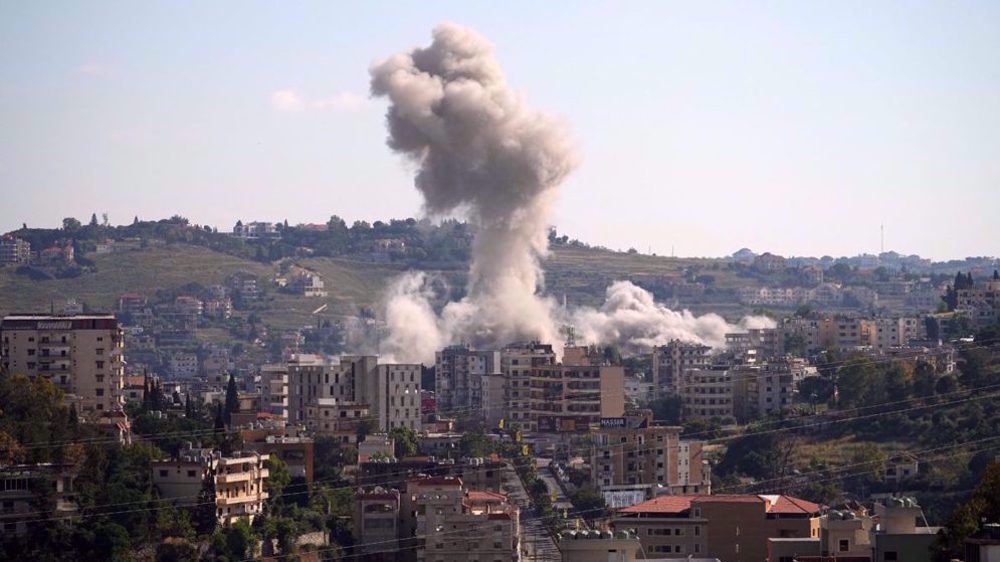
Israel strikes multiple areas in southern Lebanon with phosphorus shells
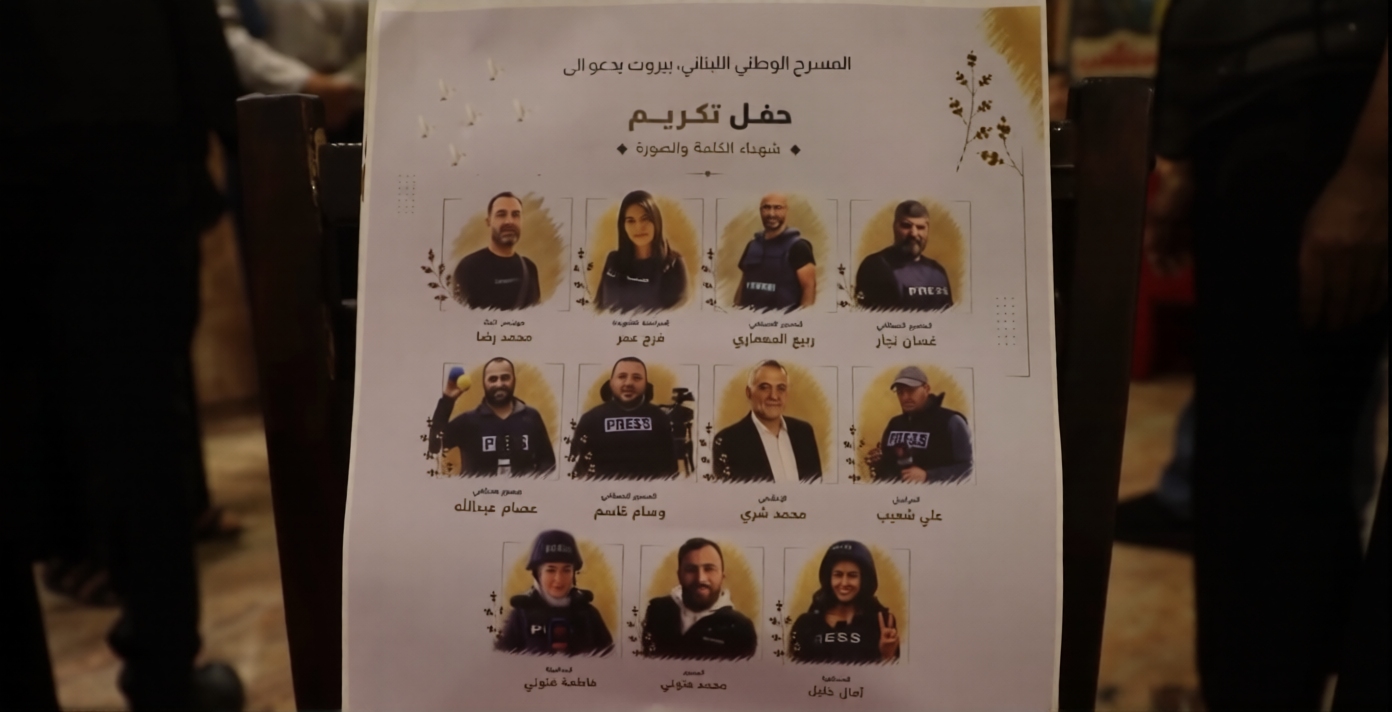
Families of 11 journalists killed in Lebanon demand Israeli authorities’ trial before ICC
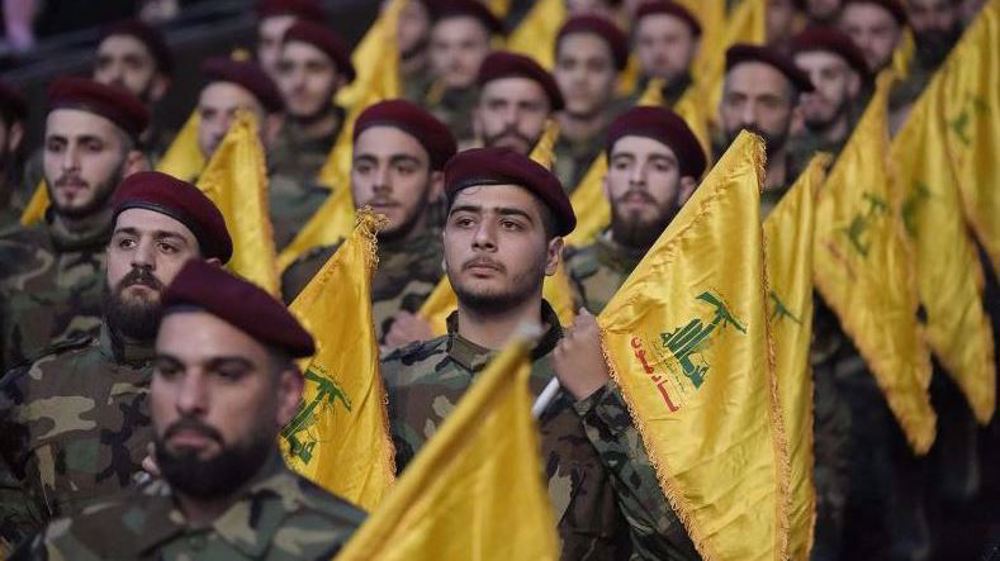
Hezbollah slams US as 'mother of terror' as Washington imposes new sanctions



Islamic Jihad says three members martyred in Israeli attack in West Bank
Human rights turned into political tool in hands of West: Iran FM
Belgium summons US ambassador after he targeted health minister
VIDEO | Press TV's news headlines
Key to solving economic issues lies in domestic production, phasing out dollar: Leader
Ansarullah: Saudi Arabia should revise its calculations about Yemen
Iran offers condolences to Nepal as floods death toll hits 552
VIDEO | Iran-Pakistan gas pipeline back in focus as Islamabad seeks to steer the project out of arbitration


 PressTV NEWSLETTER
now
PressTV NEWSLETTER
now
 This makes it easy to access the Press TV website
