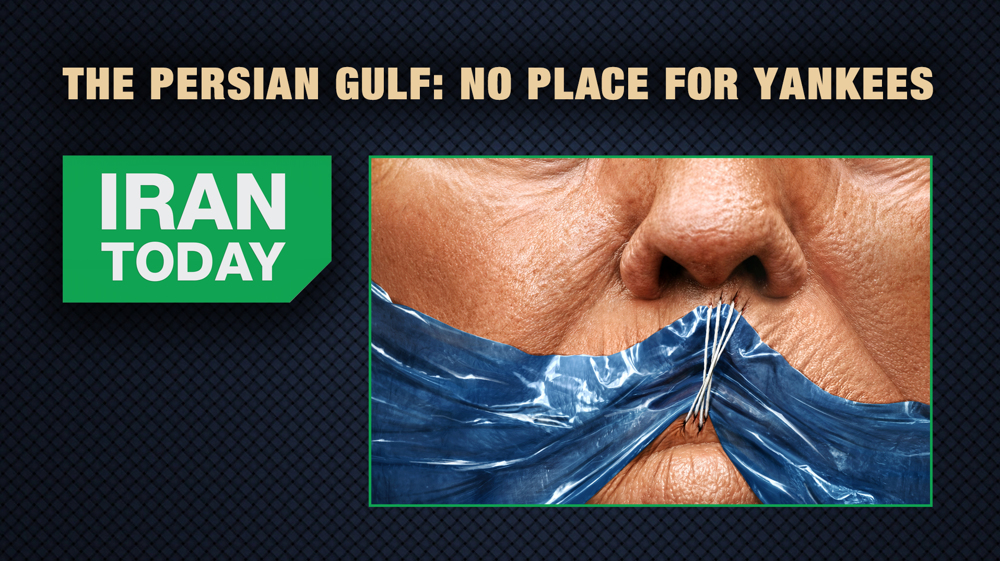
No place for Yanks in the Persian Gulf
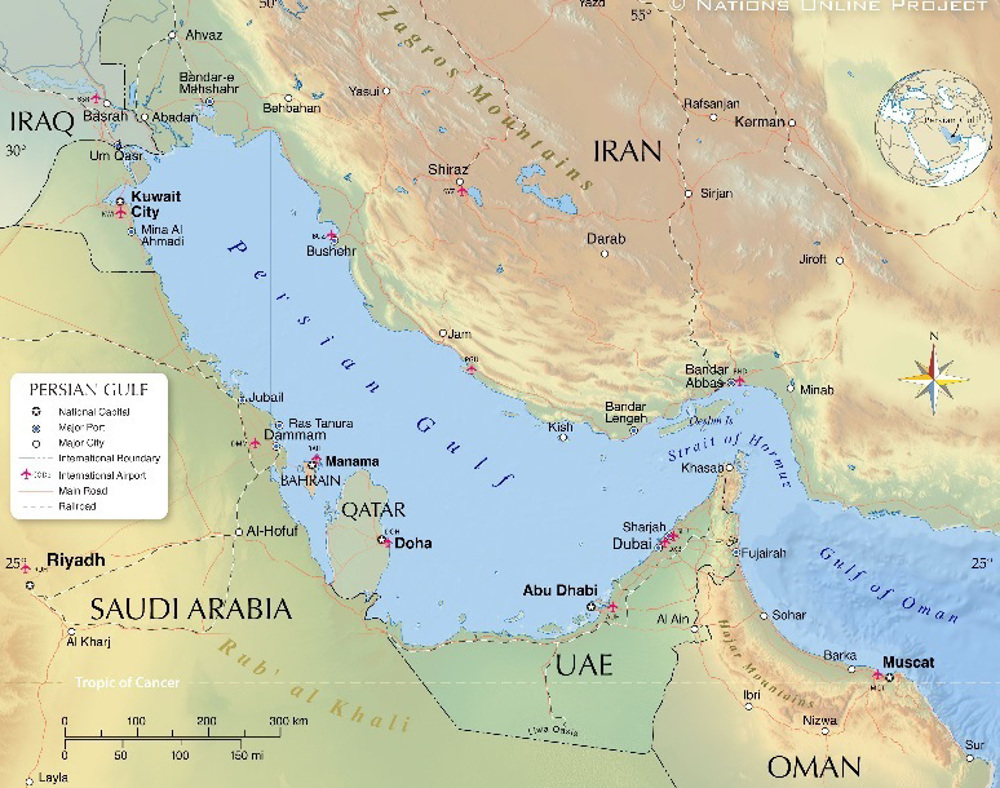
On April 8, under Pakistan's mediation, a two week ceasefire was declared between Iran and the United States, fragile, uneasy and overshadowed by a barrage of American threats.
Even the specter of assassinating senior Iranian diplomatic officials was openly invoked. It was not peace, but a pause under pressure.
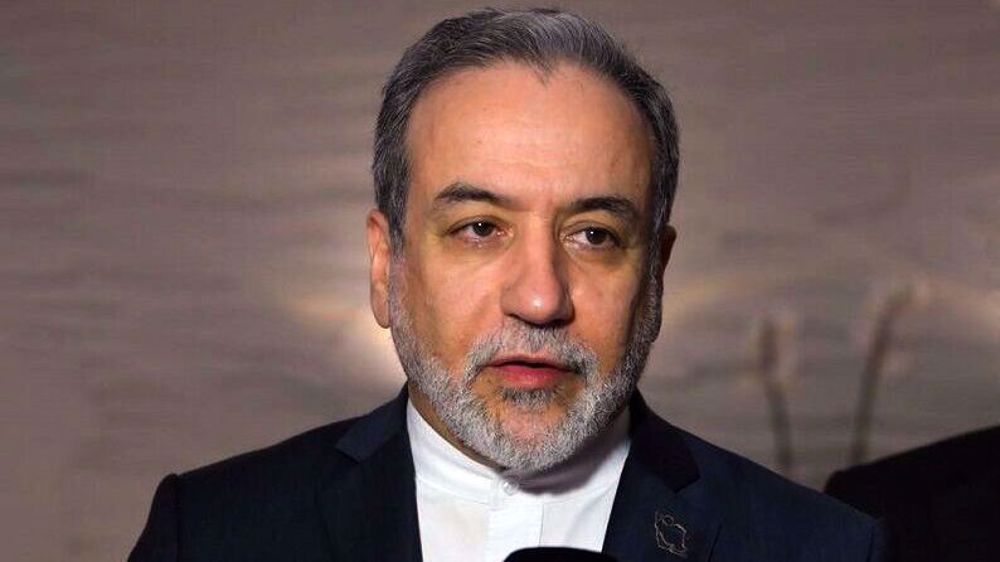
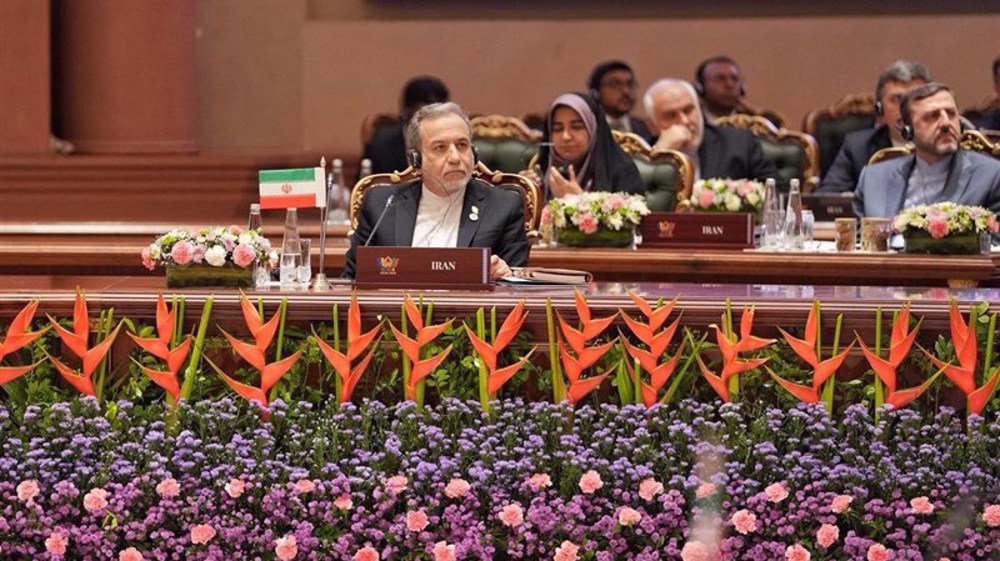
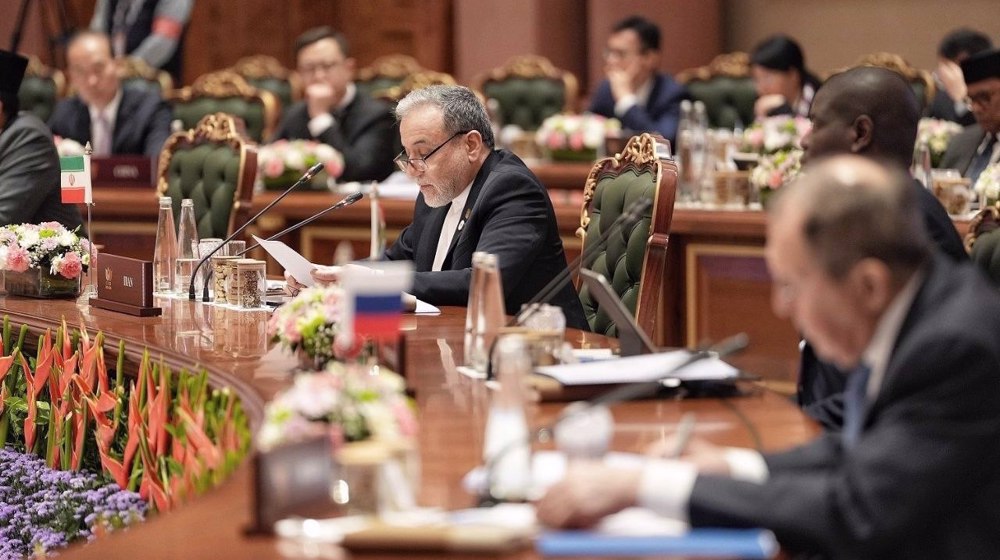
Despite the charged atmosphere, Iran did not retreat into silence. Instead, its diplomatic apparatus moved with deliberate confidence, launching a regional tour led by its top diplomat, first to Pakistan, then Oman and finally, Russia.
This was not merely a sequence of visits; it was a statement, a visible dismissal of threats, a quiet but unmistakable humiliation of the adversary, and beyond that, a demonstration of strategic depth and resolve.
These journeys were neither symbolic gestures nor theatrical defiance against what is often described as the greatest empire in modern history.
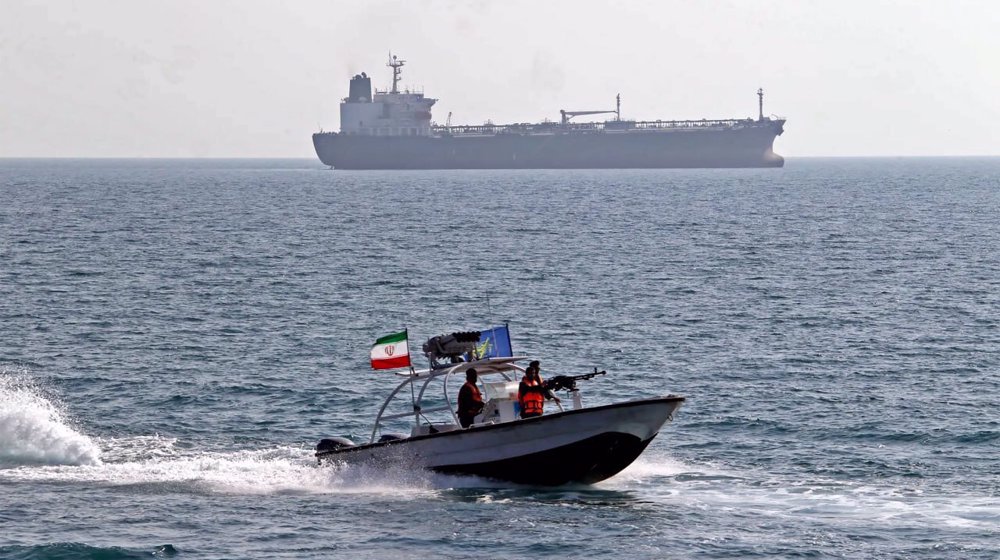
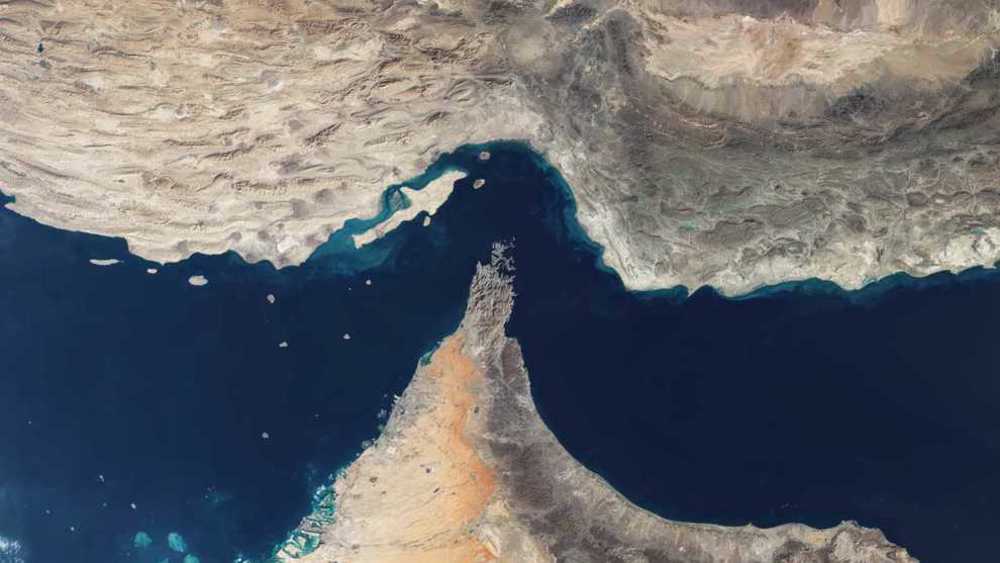
Beneath the formalities, a single, unifying message echoed through every meeting; Iran would not negotiate over its nuclear program and its determination to control and manage the Strait of Hormuz was absolute.
Mr. Araghchi's recent tour of Pakistan, Oman and Russia was about more than diplomacy. It was a clear projection of confidence and power by the Islamic Republic.
Coming just two weeks after the ceasefire and in the wake of threats from certain American officials targeting senior Iranian diplomats, the trip carried a message: Iran is not intimidated.
Pakistan, Russia and Oman have always been considered key diplomatic destinations for Iran. From a purely numerical perspective, our foreign minister's recent visits to these three countries were not unprecedented.
However, in terms of substance, they were significantly different. Previously, our diplomatic trips focused primarily on resolving specific issues and managing bilateral relations. We were not traveling to explain or promote a new global order.
Following the recent war, however, all of our visits are now explicitly aimed at articulating, clarifying and demonstrating the contours of this new global order.
Iran is not merely a participant in this order, it is a central pillar of it.
Ali Reza Davoudi, Media and Political Affairs Expert
While the American media spun the narrative in their own favor, suggesting Tehran was maneuvering back toward negotiations, Iran drew a sharp line.
These visits were not about Washington, and there was no urgency to engage in them.
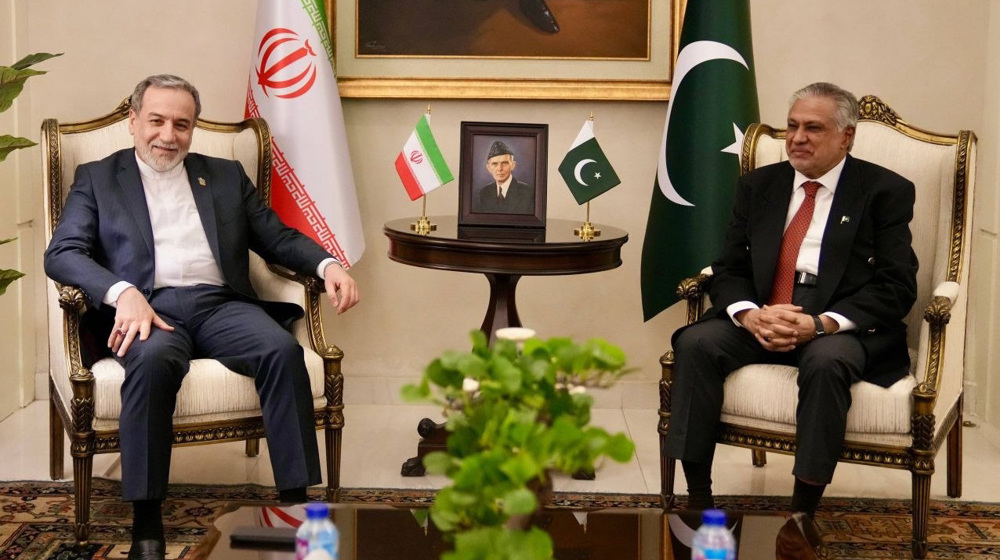
As speculation intensified, particularly regarding Pakistan, Iranian foreign ministry spokesperson, Ismail Baghai, cut through the noise with a clear message; no meeting is planned to take place between Iran and the US. Iran's observations would be conveyed to Pakistan.
Mr Araghchi's visits to Russia, Oman, and, Pakistan, reflect Iran's efforts to build alliances and leverage the capacities of these countries in response to US unilateralism.
This comes at a time when, despite the possibility of a conflict in the coming weeks or months, the United States may attempt to manipulate circumstances in its favor.
Iran's engagement with these nations is a strategic move to counter such pressures.
Ehsan Movahedian, University Professor
From there, the path led to Muscat. At the Al Baraka Palace Sultan Haitham bin Tariq Al Said welcomed Iran's foreign minister for talks centered on bilateral relations and regional dynamics.
Yet again, the message held firm. Whatever was discussed, it did not concern negotiations with the United States.
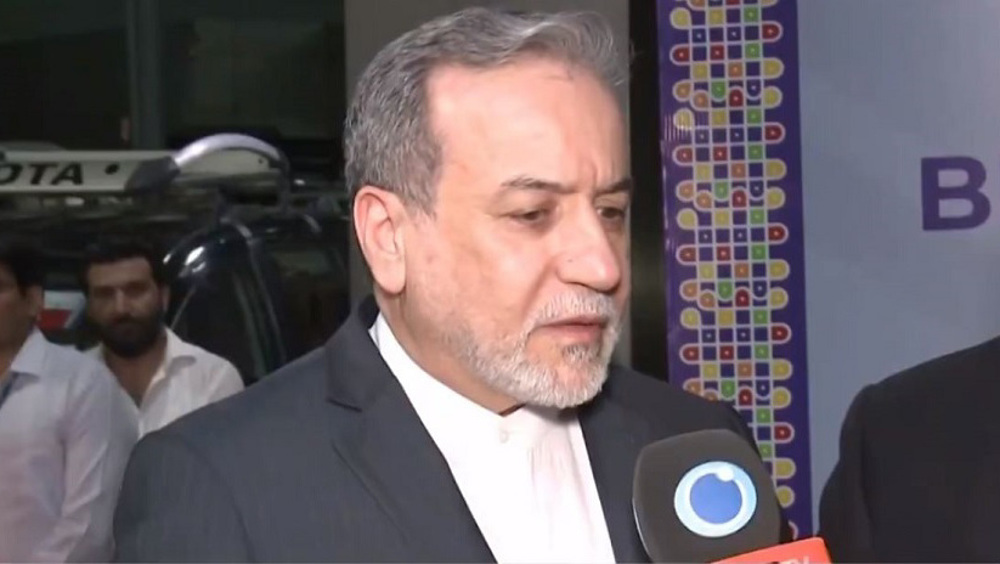
Sayed Abbas Araghchi underscored this in a post on his X account: "important discussions on bilateral matters and regional developments. As only Hormuz literal states, our focus included ways to ensure safe transit that is to benefit of all dear neighbors and the world. Our neighbors are our priority".
In order to formalize our actions in the Strait of Hormuz, there is currently a proposal in Parliament that's been endorsed by a majority of representatives and is expected to pass.
This will allow us to plan strategically, establish a clear framework and consider legal and international aspects in our approach.
Of course, we also consult with some neighboring countries, and, if necessary, engage them in cooperation.
Fada Hossein Maleki, MP, National Security Committee
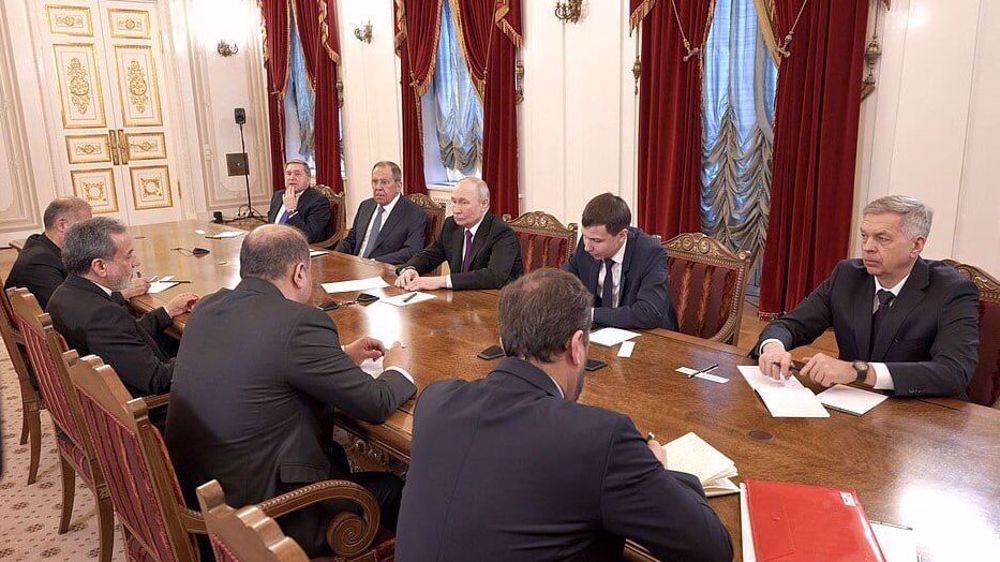
The final stop, St Petersburg, brought a meeting with Russian President Vladimir Putin where both sides reaffirmed their commitment to implementing their comprehensive strategic treaty signaling not just cooperation but alignment.
President Putin's words carried both reassurance and recognition.
We are very hopeful that under the guidance of the new leader, the Iranian people, relying on their courage and their desire to preserve independence, will overcome this difficult period and achieve peace.
On our part, we will do whatever benefits you and the interests of all the peoples of the region to achieve peace as soon as possible.
Russian President, Vladimir Putin
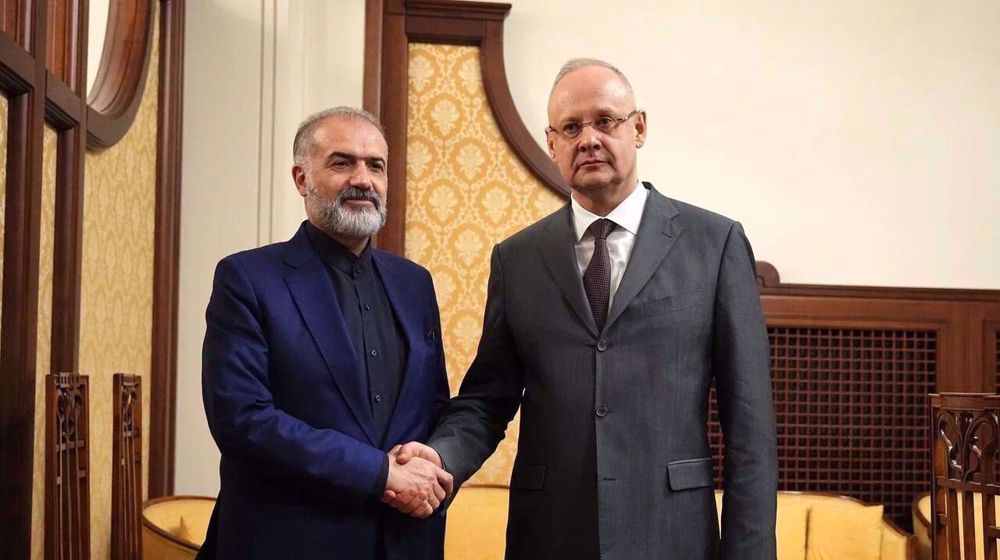
This support was mirrored in Araghchi's own remarks, reflecting the depth of the partnership.
Recent events have evidenced the depth and strength of our strategic partnership. As our relationship continues to grow, we are grateful for solidarity and welcome Russia's support for diplomacy.
Abbas Araghchi, Iranian Foreign Minister
What do you think were some of the most important aspects of the recent diplomatic tour by Iran's foreign minister, Dr Abbas Araghchi?
During our foreign minister’s recent visits to Islamabad, Muscat and Moscow, I observed some very notable points, particularly the warm reception he received from senior officials in these countries.
I can scarcely recall a reception of this warmth in previous visits. You saw how President Putin, the Sultan of Oman and, Pakistani leaders, personally welcomed him.
This reflects the significant role Iran has played in the region.
From this perspective, the trip was highly important, addressing both international and bilateral issues.
Fada Hossein Maleki, MP, National Security Committee
Dr Movahedian believes Russia can help Iran in its struggle against the Western hegemony.
Russia has consistently been a partner for Iran in strategic matters.
Both countries share common concerns in security and economic domains and are wary of US actions. There is significant potential for cooperation in military and security areas, and this collaboration could even advance to a strategic level.
By working with Russia, Iran can enhance its operational flexibility and move toward a multipolar environment, which helps neutralize Western pressure.
Ehsan Movahedian, University Professor
At home, Iran is presenting a picture of cohesion and direction. Its leadership has moved steadily forward, managing both the military dimensions of the conflict and the political realities of a temporary ceasefire with discipline and unity.
The American side, however, appears fractured, defined by internal disagreements, divisions and even public disputes that reveal a lack of strategic alignment.
While Iran projected steadiness at home and abroad, fractures were beginning to show within the United States itself.
The first visible crack came in Washington, where Republican unity began to falter. Senator Susan Collins of Maine broke ranks, voting with Democrats to halt the conflict, marking the first Republican shift against the war effort in West Asia.
Public sentiment followed a similar trajectory. Weeks into the campaign, a majority of Americans viewed the strikes as a mistake.
Around six in 10 disapproved of President Donald Trump's handling of the conflict, while only 37% supported it.
According to Dr Movahedian, Trump shot himself in the foot by attacking Iran.
There is an axis that poses a serious challenge to the United States, consisting of Russia, China, North Korea, Iran and several other groups with Iran playing a central role.
In response, the US and the Zionist regime have sought to disrupt this axis by targeting Iran and instigating conflicts, but these efforts have failed due to the resilience of the Iranian people, Iran's model of religious democracy, and, its cultural and religious identity.
These enduring characteristics have enabled Iran as both a nation and a state to stand firm for over 7000 years.
Ehsan Movahedian, University Professor
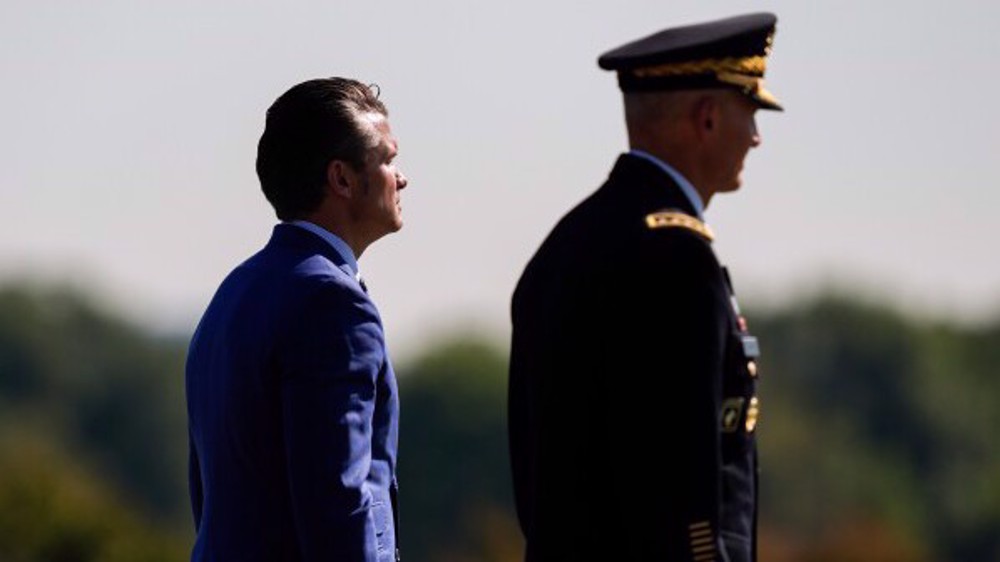
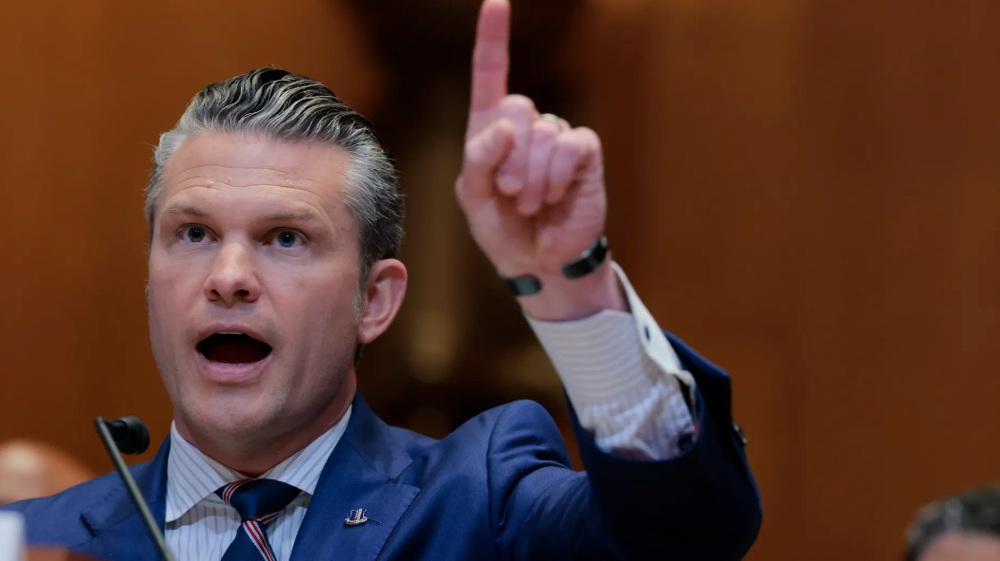
The strain extended into the military establishment. US Defense Secretary, Pete Hegseth, initiated a sweeping leadership overhaul, removing, sidelining, or, forcing into retirement, more than a dozen senior officers.
Many were seasoned commanders with decades of experience across Iraq, Afghanistan and the Persian Gulf War.
The reshuffles spoke volumes; this was not a war proceeding with confidence.
Considering the current situation would you say that the US is facing a political deadlock, and if so, how would this impact future relations between Iran and the United States?
The Americans are concerned about a deeply troubling development.
The credibility they have accumulated incrementally over the past century is being eroded within a single year due to actions taken by Trump; this loss of credibility cannot be simply restored through propaganda or media campaigns.
Alireza Davoudi, Media and Political Affairs Expert
Even influential voices in media began to turn.
On April 20, Tucker Carlson publicly expressed regret for supporting Trump's approach to the war, calling it a betrayal. For someone who had once amplified Trump's rise, the shift was striking.
Criticism was no longer confined to one political camp. It emerged from across the spectrum, left, right and center.
Joe Kent who had resigned as director of the National Counterterrorism Center in March, became one of the administration's sharpest critics.
Pointing to what he described as the influence of Israel and its lobby he argued that "the Israelis were concerned that Trump was about to get a deal with Iran and launch an attack on Iran, knowing the Iranians would respond by attacking us, thereby sucking us into the war. Because the actual reason that we are in this war is so absurd and can't be said out loud, the war's advocates are falling back on the old 'WMDs in the hands of terrorists' line".
As Iran held firm, refusing nuclear concessions and asserting unyielding control over the Strait of Hormuz, confusion deepened in Washington.
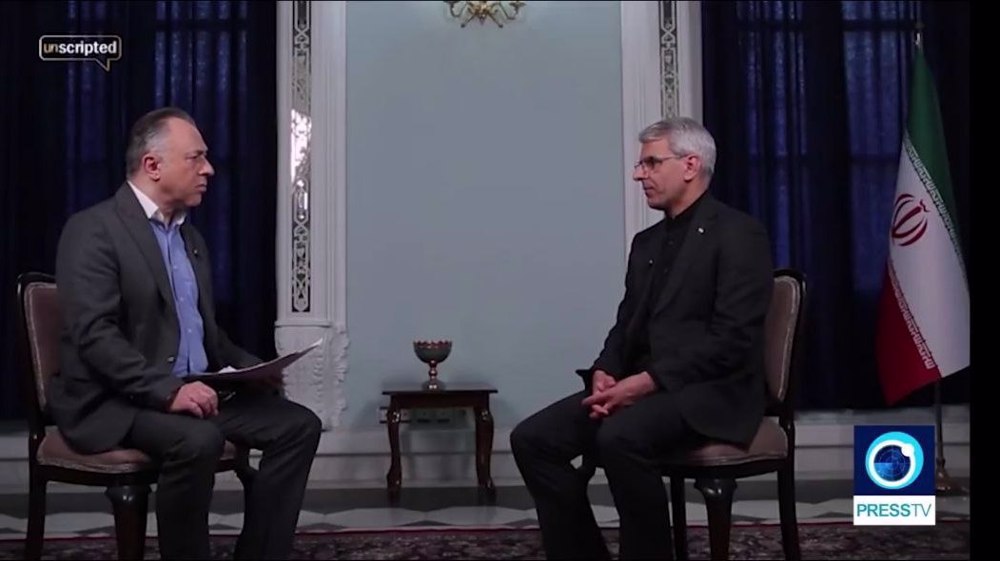
During his diplomatic tour the Iranian foreign minister, Abbas Araghchi, adamantly refused to talk about Iran's nuclear program; how do you think this can impact the power balance and future developments?
When it comes to our nuclear program, our weaponry, our role in supporting Islamic resistance in the region, and other strategic capabilities, we do not allow others to speak on these matters.
Of course, the Americans would like to present themselves as having entered this arena through various media narratives, but on the ground the reality is that our capabilities now affect over all aspects of Iran's power.
For this reason, we do not permit any discussion of these matters by others.
Alireza Davoudi, Media and Political Affairs Expert
This growing imbalance is feeding into a broader strategic deadlock for the United States and Donald Trump.
An increasing number of voices, including some from within Trump's own camp, are urging a shift in approach; accept Iran's current position and stop pushing for further concessions.
The reality is becoming harder to ignore. Time is not on Washington's side, and the available options are either ineffective or carry significant risks.
The United States now faced a dilemma with no easy exit, returning to full scale military escalation carried immense risks, with no guarantee of improving its position. Indeed, it could make any future agreement with Iran far harder, perhaps impossible, yet, maintaining the current course was equally costly.
How does the observed divergence between the US military and political elites regarding Iran impact its foreign policy toward Iran?
The divisions among American officials regarding Iran are not about whether Iran is good or bad, without exception, the US ruling establishment views Iran negatively because it serves their interest to do so.
From their perspective, a good Iran does not exist, just as from our perspective; a good America does not exist. The United States as a corrupt and oppressive system is meaningful in its current form. A good America would essentially be a dead America.
Therefore, the differences among US officials concern not Iran itself, but the degree to which they can exact influence over Iran based on the resources in power currently at America's disposal.
Alireza Davoudi, Media and Political Affairs Expert
The near total closure of the Strait of Hormuz, surging oil prices, fall of global economic indicators, and, instability in international markets, painted a bleak Picture.
Meanwhile, Iran retained full control over the strait, continued its nuclear activities, including the possession of 400 kilograms of 60% enriched uranium, and expanded its missile and military capabilities.
Its political system remained intact, despite the martyrdom of the leader of the revolution, senior officials, commanders and a considerable number of citizens.
The Americans initially pursued naval, then aerial, and finally, ground objectives in this conflict, but all of these efforts failed. This is unprecedented.
US leaders requested support from NATO and were denied, sought assistance from Europe and other organizations, and were again turned down. Even some Arab countries responded similarly.
This demonstrates that the world has come to recognize the military strength and strategic position of the Islamic Republic of Iran.
Fada Hossein Maleki, MP, National Security Committee
Taken together, the outcome increasingly resembled a strategic defeat for Trump, one that risked global acknowledgement of America's failure to achieve its objectives.
The financial toll reinforced this perception.
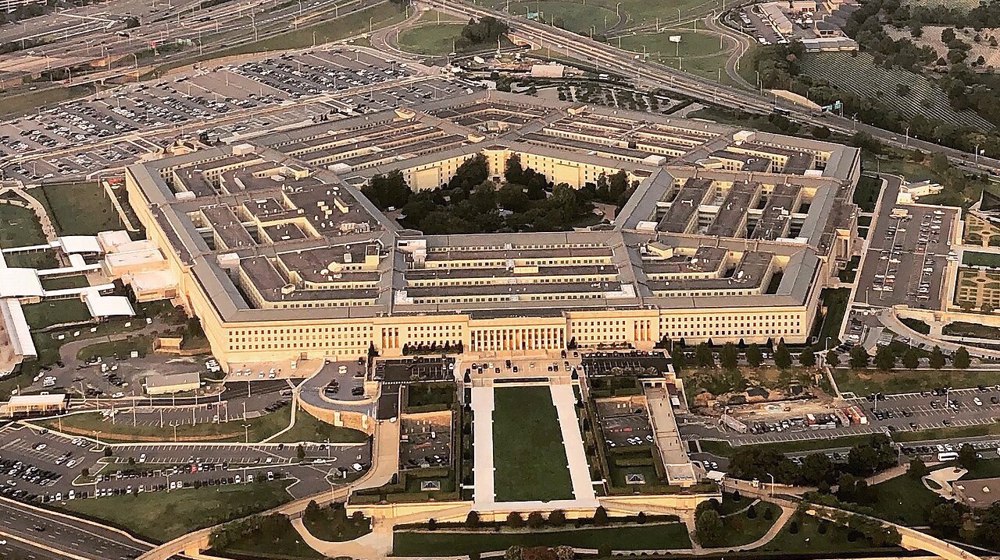
A CNN report suggests that the real cost of the war had climbed to almost $50 billion, far exceeding the $25 billion estimate presented to lawmakers, an estimate that excluded the extensive damage to US bases across the Region.
More and more global leaders are beginning to recognize the bind Trump now faces; a situation largely of his own making.
While many countries remain cautious, shaped by years of American pressure and influence, that hesitation may not last. As perceptions of US and Israeli strategic setbacks in this latest phase of conflict solidify, the international landscape could shift.
What might follow is a gradual but notable turn, increased engagement with Iran, renewed diplomatic outreach and a strengthening of political and economic ties.
Even among US allies disillusionment began to surface.
The German Chancellor, once among the most hardline critics of Iran, acknowledged the shifting reality: "At this point, I am disillusioned simply because the US and Israel claimed at the beginning that they could solve this problem within days. Now I must recognize it is not solved".
The President of France, Emmanuel Macron, offered a broader reflection on the strategic implications: "We have to be lucid on the US strategy. This is not just Trump's character or behavior. The United States, I would say, for now 15 years, decided the number one issue is America. America first. The second priority is China. Their strategies just don't put European interests at the center".
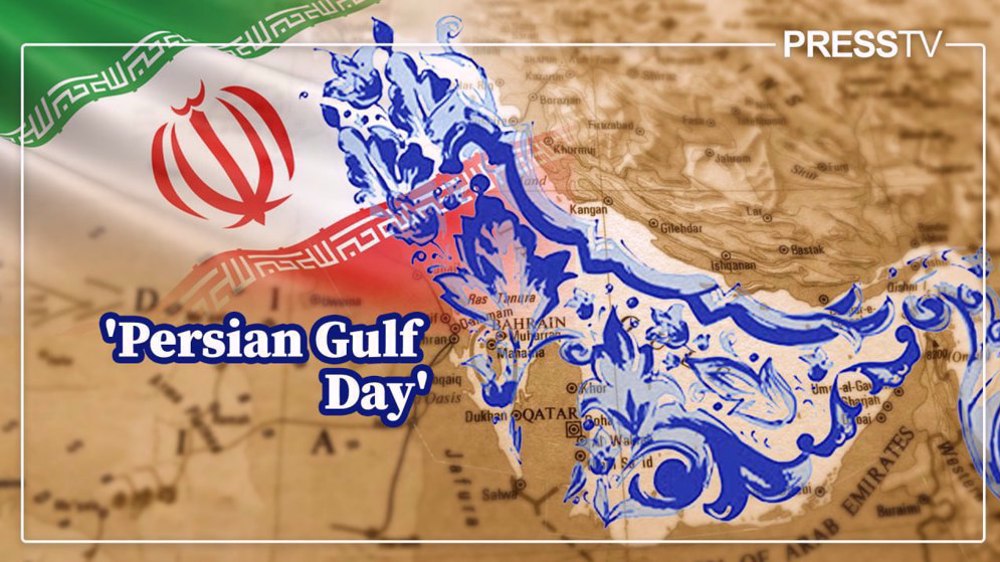
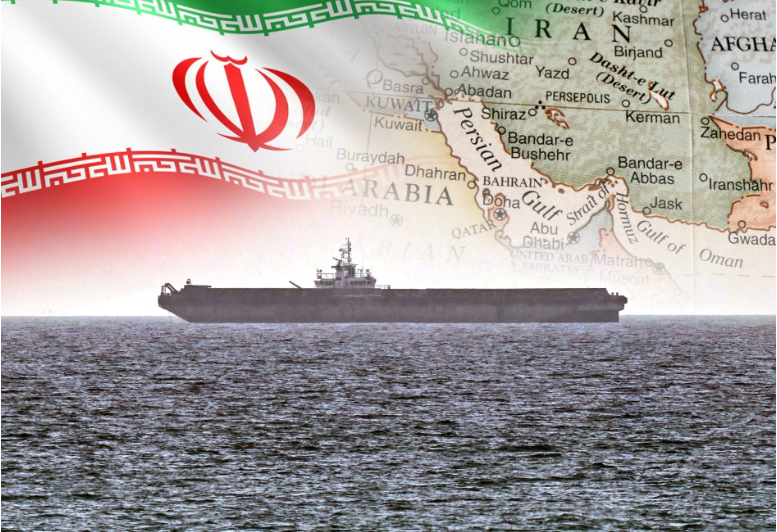
Meanwhile, on April 30th, Iranians marked National Persian Gulf day with renewed fervor. The date commemorates the 1622, expulsion of Portuguese colonial forces, a defining moment that ended their presence in the region.
Today, that historical memory resonates with new meaning.
What are some of the economic and legal and security dimensions of Iran's control over the Strait of Hormuz, and how can this control be used as political and strategic leverage?
Iran's red line is now the Strait of Hormuz. This is a strategic waterway, the most important for our country. Over the past 47 years, as European officials have noted, Iran exercised restraint, but today, the country's position has changed.
US presence and actions in this region are not only unacceptable for the Islamic Republic of Iran, but are seen as offensive to other countries as well.
Iran fully understands the critical importance of the Strait of Hormuz.
Fada Hossein Maleki, MP, National Security Committee
Perhaps some believe another such day will be written into history, this time marking the departure of a different kind of empire.
Iran is too big to fall, that's a lesson the country's enemies should learn.
How has Iran's national cohesion and solidarity facilitated handling the war crisis, and how can it be further maintained?
The circumstances of Iran, particularly its people during this war, have demonstrated to the world that Iran is deeply rooted even after the martyrdom of its leader and the loss of some of its most distinguished military commanders, the country stood firm under new and younger leadership, repelling US efforts.
This resilience has proven Iran's enduring strength on the global stage.
Fada Hossein Maleki, MP, National Security Committee
The message from Iran is clear; the region is not a place for foreign domination. It belongs to its people, and if outsiders insist on staying, the warning is equally clear, there may be no place left for them but the depths of the Persian Gulf.
Who is liable for reparations, Iran or US?
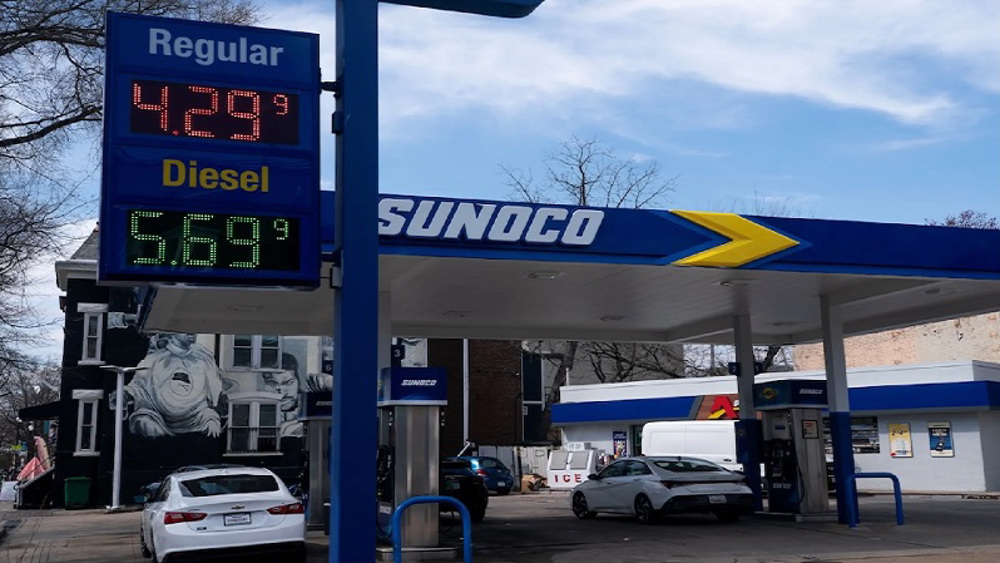
Global impact of US war against Iran
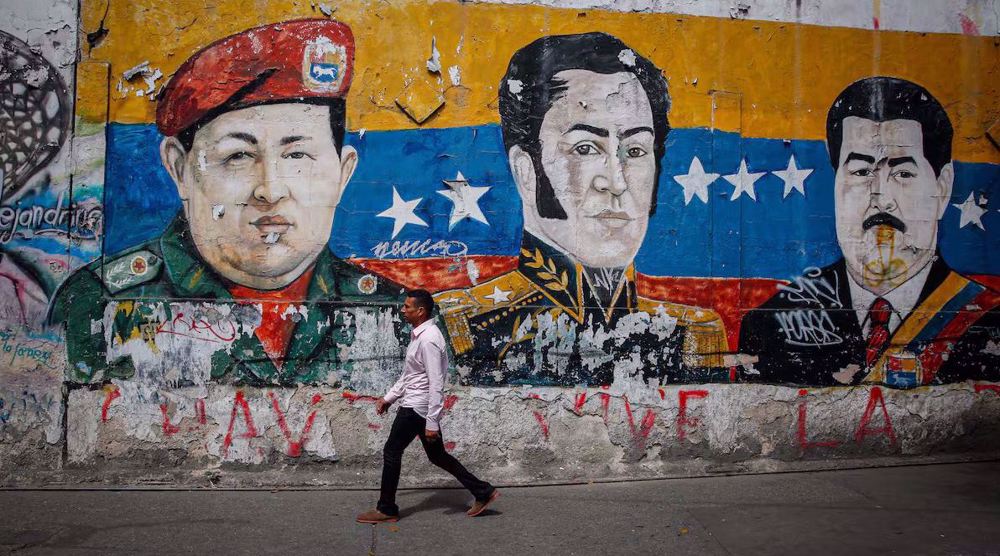
Has Venezuela’s revolution lost its way?



VIDEO | India’s Muslims mark Prophet Mohammad (PBUH)’s birth anniversary
Flash floods kill at least 160 in Nepal, hundreds missing
Iran urges UN, member states to reject US economic terrorism; calls US ‘a rogue state’
Qalibaf says Iran's partnership with China ‘needs no one's permission’
Iran offers condolences to Pakistan after 14 newborns killed in hospital fire
US sanctions Palestine Action, designates group as 'terrorist organization'
Israel withholding remains of nearly 800 Palestinians since 1967: Monitoring group
VIDEO | Press TV's news headlines


 PressTV NEWSLETTER
now
PressTV NEWSLETTER
now
 This makes it easy to access the Press TV website
