Saudi Aramco says Hormuz disruption removed 1 billion barrels of oil from global supply
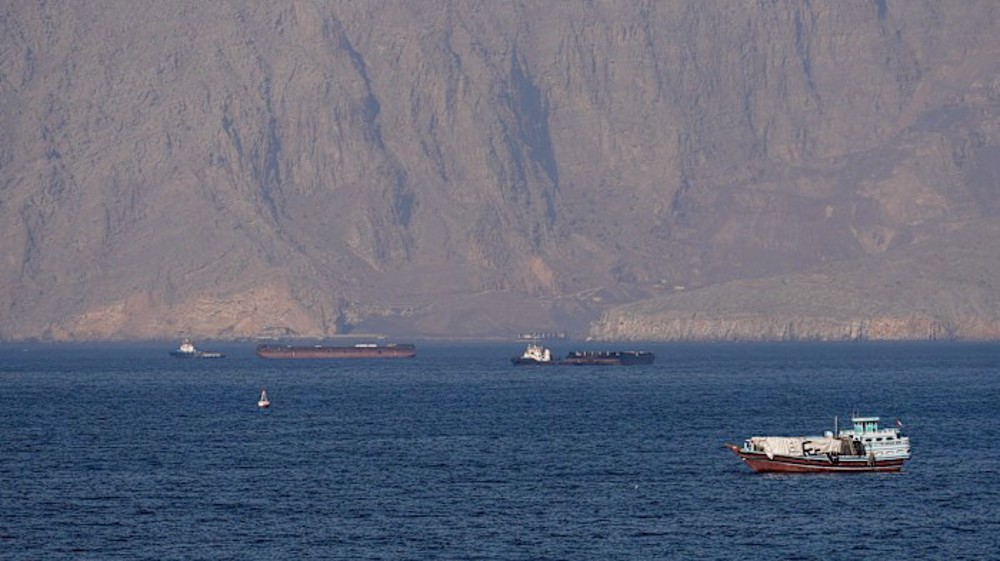
Saudi oil giant Aramco says the world has lost about one billion barrels of oil since the joint US–Israeli war of aggression against Iran triggered the most severe shipping disruptions ever recorded in the Strait of Hormuz.
Aramco president and chief executive Amin Nasser said in a statement on Sunday that global energy markets will need time to recover, even if traffic through the vital waterway resumes immediately.
“Our objective is simple: keep energy flowing, even when the system is under strain,” he told Reuters.
Disruptions in the strait have triggered a spike in global energy prices, with Brent crude, the international benchmark, trading at about $100 a barrel, around 40% higher than before the war.
Nasser has previously warned that the continued blockade of the waterway would be a “catastrophe” for global oil markets.
“If trade flows resume immediately or today through the Strait of Hormuz, it will take a few months for the oil market to rebalance,” he wrote in an emailed statement to Bloomberg.
“But if trade and shipping remain curtailed for more than a few weeks from today, we anticipate the supply disruption to persist and the market to normalise only in 2027.”
As a major transit point for about a fifth of the world’s oil and gas supply, the Strait of Hormuz has become the site of the biggest-ever disruption since the US and Israel launched the illegal war against Iran in late February.
Ever since, Iranian armed forces have placed the narrow waterway under strict control, blocking all ships associated with the two aggressors and their allies.
Iran has constantly said that disruptions to maritime navigation in the strategic waterway are a direct consequence of the US-Israeli-imposed war against the Islamic Republic.
Iran began enforcing much stricter controls last month following US President Donald Trump’s announcement of a blockade targeting Iranian vessels and ports.
However, Iranian authorities have created a mechanism to supervise traffic in the strait.
Under the new system, which Press TV first reported, every vessel seeking passage will receive official transit instructions from Tehran, as the Islamic Revolution Guards Corps (IRGC) warned that only Iran-designated shipping routes will be considered safe.
Quds Force commander: US expelled from Iraq, suffered humiliating defeat against Iran

Putin says whole world ‘amazed’ by Iranian nation’s ‘courage, heroism, resilience’
Iran’s Strait of Hormuz authority says 3 Emirati tankers hit were on its non-compliance list



Zionist settlers murder 19-year-old in West Bank amid record surge in violence
Saudi airstrikes intensify as Yemeni army advances toward Taiz
VIDEO | On Non-Violence Day, Gazans still suffer Israeli brutality
Iraqi resistance official hails public defiance that broke US siege on Najaf-Iran flights
Iraq allows 40 daily Iranian flights to and from Najaf after protests over US sanctions
Israel intensifies al-Aqsa incursions as over 11,400 settlers storm holy site
China calls for respecting Iran's right to peaceful use of nuclear energy
Seoul demands Ukraine apology after Zelensky discloses North Korean POW transfer


 PressTV NEWSLETTER
now
PressTV NEWSLETTER
now
 This makes it easy to access the Press TV website
