Iran develops next-generation nanotech bone graft for faster bone regeneration
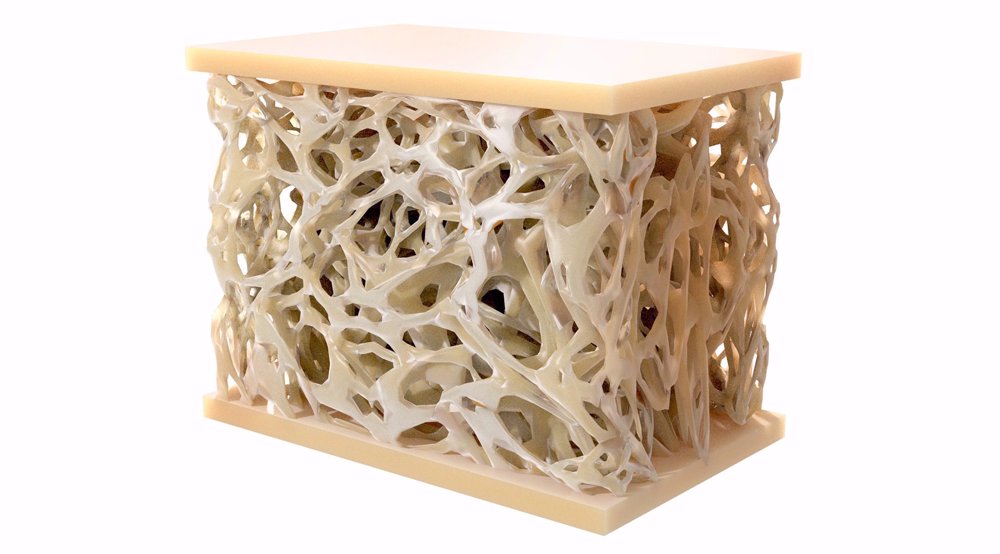
An Iranian knowledge-based company has introduced “NMImETIC Swelling NanoBone Powder,” a fully synthetic nanostructured bone graft engineered to mimic the natural structure of human bone and enhance tissue repair.
According to the Vice Presidency for Science, Technology and Knowledge-Based Economy, the product could serve as a safe and cost-effective alternative to imported bone grafts used in orthopedic, spinal, and dental surgeries.
Developed through a combination of bioengineering and nanotechnology, the graft is based on spherical hydroxyapatite nanoparticles measuring less than 50 nanometers.
Its nanostructure and exceptionally large surface area — exceeding 150 square meters per gram — allow cells to attach more effectively to the material, significantly improving bone formation.
Another key feature of the material is its rapid blood absorption during surgery, which helps control bleeding while creating an ideal environment for clot formation and the early stages of bone healing.
The NMImETIC Swelling NanoBone Powder is produced in several forms, including powder, granules, soft and hard cubes, and matchstick-like structures, allowing surgeons to choose the most suitable option depending on the type and location of the bone defect.
One of the product’s main advantages is its fully synthetic composition.
Traditional bone grafts often rely on allografts, which are derived from human donor tissue, or xenografts, which originate from animal tissue.
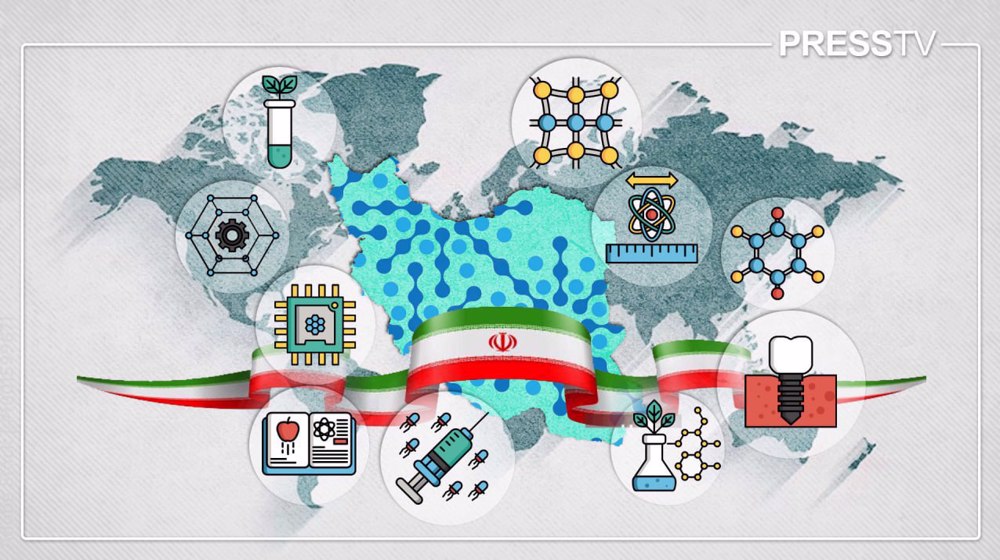
Despite Western sanctions, Iran's nanotechnology sector has surged over two decades, doubling exports to $183 million, developing 1,735 products across 400 companies, and advancing applications in medicine, construction, and water treatment through state-backed innovation.#IR47 pic.twitter.com/KkvsVaWEGf
— Press TV 🔻 (@PressTV) February 6, 2026
Unlike those materials, the Iranian-made graft contains no potentially hazardous biological agents, toxic substances, or surfactants, significantly reducing the risk of infection, adverse immune reactions, and severe inflammation.
Clinical evaluations have also confirmed the graft’s effectiveness.
According to reported data, the granule form improved bone repair rates by nearly 75 percent, while the powdered form increased regeneration by approximately 63 percent.
The breakthrough is particularly significant given Iran’s reliance on imported synthetic bone grafts.
Statistics from Iran’s Food and Drug Administration show that more than 82 percent of the synthetic bone grafts used in the country are imported, while more than 25,987 surgeries annually require such materials.
Domestic production of the nanostructured NMImETIC graft could help reduce import dependency, expand access to safe and high-quality medical materials, and generate substantial foreign currency savings.
Iranian knowledge-based company develops nanofilters to reduce power plant energy consumption

Iran space agency says readying Pars 2 satellite, Martyr Soleimani constellation for launch

Iranian cardiologist wins gold medal at Swiss international invention competition



Head home while you still can, senior Iranian lawmaker advises remaining US forces
VIDEO | Press TV's news headlines
Israeli forces kill Palestinian man in West Bank, withhold his body
War and blockade part of same strategy to weaken Iran: Geneva envoy
OIC condemns Nauru embassy opening in occupied al-Quds
Yemen vows ‘severe retaliation’ over 54 Saudi airstrikes in 12 hours
Iran warns IAEA ‘political’ resolution risks ‘ultimate collapse’ of non-proliferation regime
Palestine urges international action against Israeli crimes, illegal settlements


 PressTV NEWSLETTER
now
PressTV NEWSLETTER
now
 This makes it easy to access the Press TV website
