IRGC deputy chief: US will suffer severe repercussions if it escalates tensions against Iran
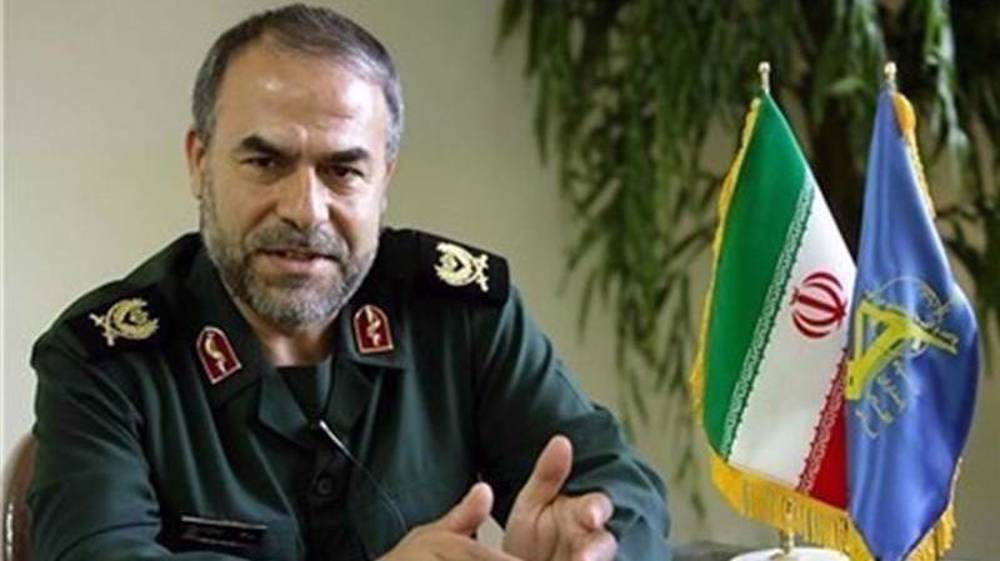
A high-ranking commander of the Islamic Revolution Guards Corps (IRGC) has warned that the repercussions of any further escalation against Iran will be considerably severe for the United States, stressing that Washington will utilize all its military power but will be defeated at the hands of Iranian forces.
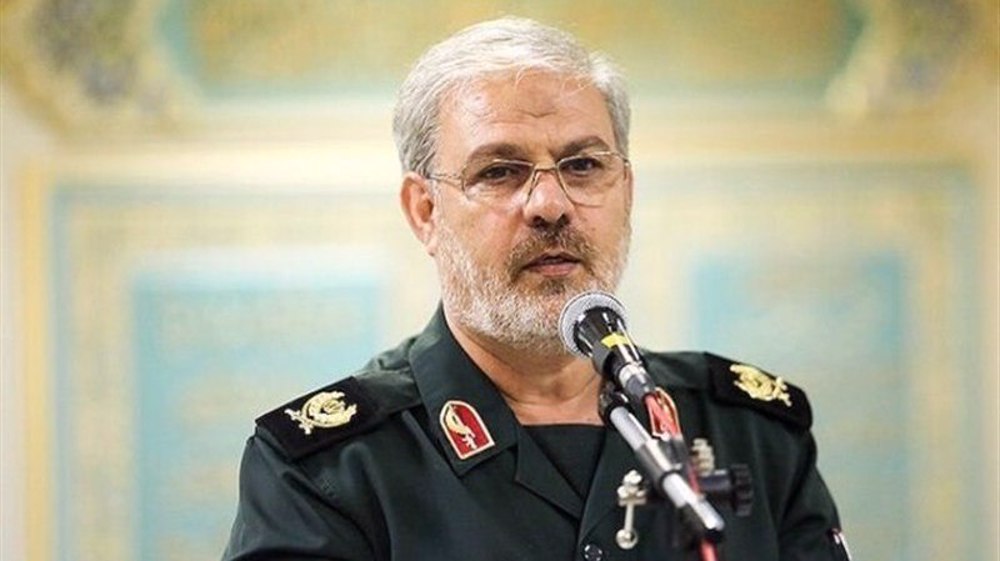
“The fallout of escalation of tensions between Iran and the US will be much more severe for the latter. The US will flex its muscles, but will ultimately be defeated,” Major General Yadollah Javani, deputy commander of the IRGC for political affairs, said late on Monday.
"[US President Donald] Trump will not be able by any means to change the course and reverse it to before February 28," he added.
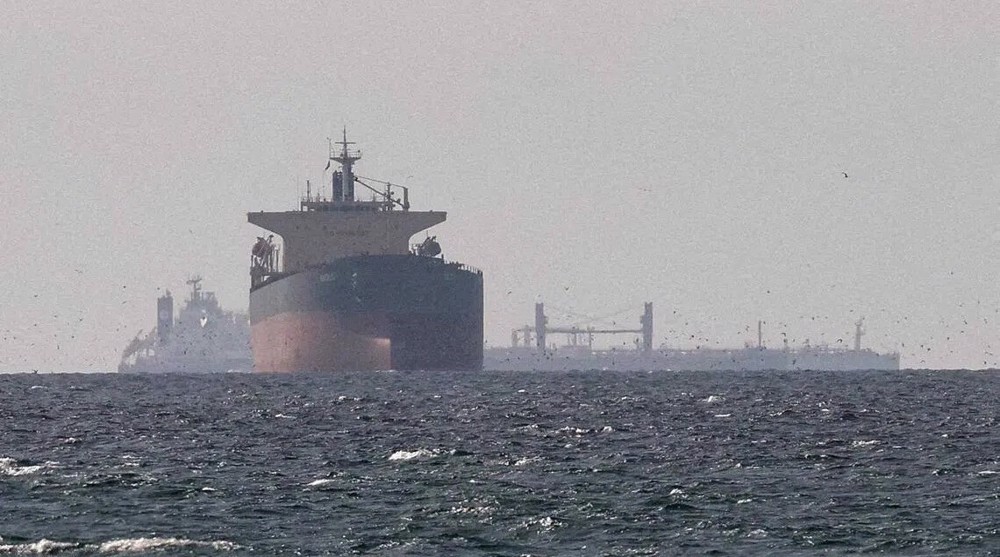
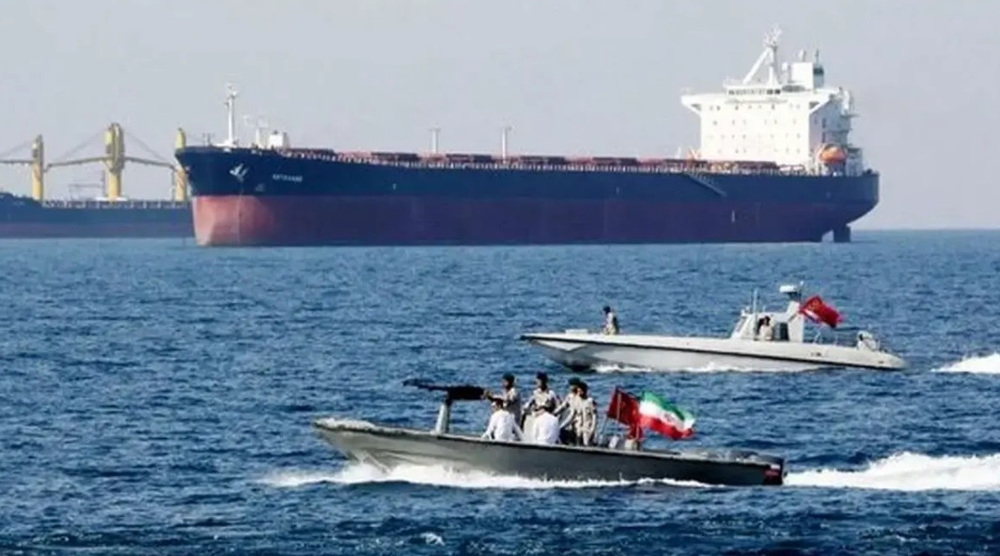
The senior commander emphasized that any ship that wants to pass through the Strait of Hormuz must do so with permission from the Iranian Armed Forces in order to stay safe.
He noted that any vessel linked with hostile parties that seeks to pass through the strategic waterway will be confronted decisively.
According to Javani, the US-Israeli enemy could not attain any of its declared objectives in the latest war of aggression against Iran.
He said that Trump and other US political and military officials have explicitly stated that their goals of launching a war against Iran were to obliterate its nuclear facilities, missile capabilities, annihilate the Axis of Resistance and all its affiliated forces, overthrow the Islamic establishment, disintegrate the country, and exert complete dominance over the entire West Asia region.
However, the IRGC commander hastened to add that none of these objectives were achieved.
He stated that Trump’s formidable challenge for the time being is to open up the Iran-gripped Strait of Hormuz, as he explored all available avenues during the 40-day anti-Iran onslaught against Iran, but to no avail.
Javani noted that the US president even urged his European allies and other countries to help open up the strait.
Trump is now seeking to fulfill his dream through a pressure campaign against Tehran, but the US, as a superpower, is facing another superpower, the commander said.
On February 28, the United States and Israel initiated a war of aggression against Iran with the assassination of Leader of the Islamic Revolution Ayatollah Seyyed Ali Khamenei and several high-ranking military commanders.
In response, the Iranian Armed Forces carried out 100 waves of counterattacks over 40 days, targeting US and Israeli military assets, which resulted in significant damage.
A Pakistani-mediated two-week ceasefire was brokered on April 8, allowing for negotiations in Islamabad, where Iran proposed a ten-point plan seeking US troop withdrawal and the lifting of sanctions.
Despite 21 hours of intense talks on April 11 and 12, the Iranian delegation returned to Tehran without an agreement, citing deep mistrust regarding Washington’s willingness to honor its commitments.
Iran has made clear that any return to ceasefire negotiations depends on the lifting of the US naval blockade. Officials have argued that the continued blockade constitutes a violation of the truce.
Iran defeated US in 'Trump’s third war' midway: Leader's advisor
US military asks for ‘new’ ideas to deal with Iran after its crushing defeat: Report
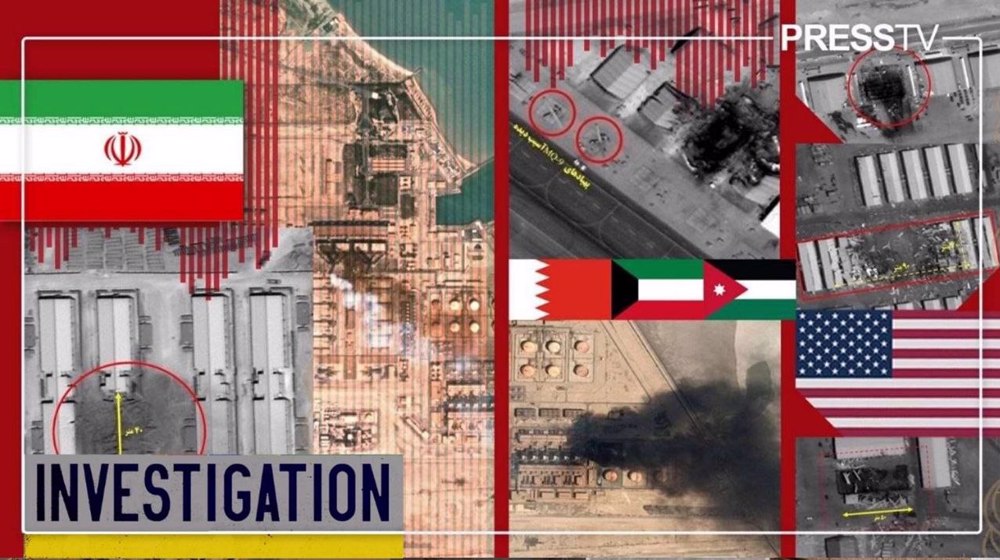
How Iran’s two-week retaliatory strikes exposed cracks in US military architecture in Persian Gulf



Eight armed operatives tied to terrorist groups arrested in southeast Iran: IRGC
US military scrambles for low-cost drone interceptors amid severe munitions depletion: Report
Germany launches probe after explosive drone forces airport shutdown
VIDEO | No superpower entitled to intervene in Hormuz management: Investigative journalist
US strikes killed, wounded hundreds of civilians in Yemen as Washington conceals toll: Report
VIDEO | Pakistan, Iran sign MoU, renew commitment to $10bn trade target
VIDEO | Years of blockade drive Yemen's health sector to brink of collapse
Emails show UN official repeatedly shared confidential information with Israeli diplomats


 PressTV NEWSLETTER
now
PressTV NEWSLETTER
now
 This makes it easy to access the Press TV website
